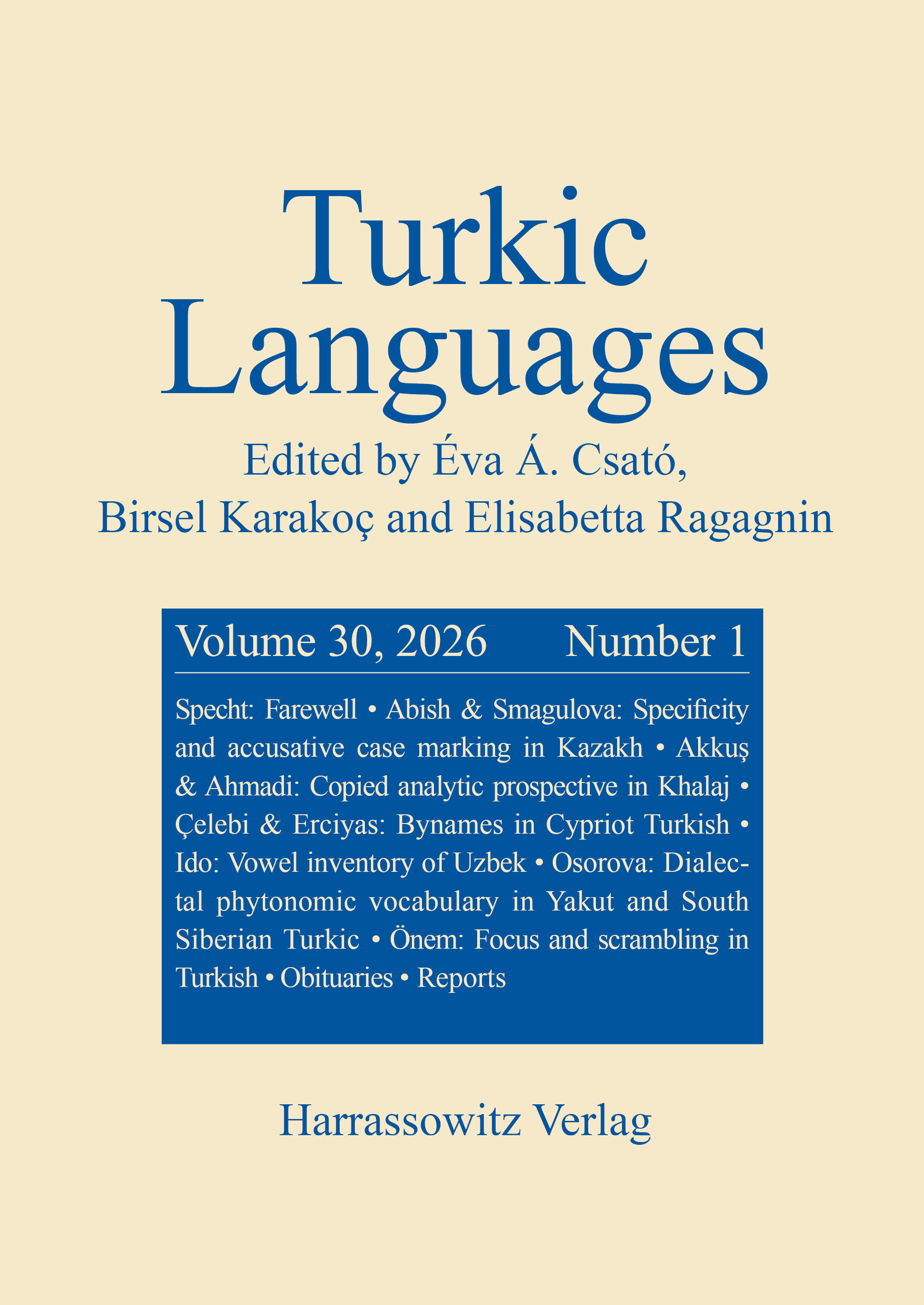
Watañi lāntaṃ
Khotanese and Tumshuqese Loanwords in Tocharian
By (author) Federico Dragoni

Hardback (Published)
(August 2023)
ISBN: 9783752006902
6.69 x 9.45 inches
Price: $147.00
In stock
Contacts between Tocharian A and B and Khotanese and Tumshuqese, four languages once spoken in today’s Xinjiang Uyghur Autonomous Region in Northwest China, lack a comprehensive treatment and are still a controversial topic. This work contains the first systematic investigation of the matter from a linguistic point of view. Through a detailed analysis of the lexical material, the author is able to argue that the influence of Khotanese and Tumshuqese on Tocharian was much more extensive than previously thought and it spanned over almost two millennia, from the early Iron Age until the extinction of the four languages at the end of the first millennium CE.
This work contains the first systematic investigation of the linguistic contacts between Tocharian A and B and Khotanese and Tumshuqese, four languages once spoken in the Tarim Basin, in today’s Xinjiang Uyghur Autonomous Region in Northwest China. The main part of the book is devoted to determining a corpus of reliable Khotanese and Tumshuqese loanwords in Tocharian: new borrowing etymologies are proposed, and some old correspondences are rejected. The discussion of the individual loanwords often involves a fresh examination of the text passages where they occur, and, in some cases, it offers lexical insights regarding a variety of neighbouring languages (Chinese, Middle Persian, Parthian, Sogdian, Gandhari and Old Uyghur). A detailed phonological, morphological, and semantic analysis of the corpus follows, with a view to determine the phonological correspondences, the relative chronology of the loanwords and possible historical scenarios of cultural exchange. One of the results of this investigation is that the influence of Khotanese and Tumshuqese on Tocharian was much more extensive than previously thought and it spanned over almost two millennia, from the early Iron Age until the extinction of the four languages at the end of the first millennium CE.
- By (author) Federico Dragoni
Other Titles in this Series


 Tabous, interdits et obligations de langage en Afghanistan
Éléments du vocabulaire de la vie privée en terre d’Islam


 Religious themes and texts of pre-Islamic Iran and Central Asia
Studies in honour of Professor Gherardo Gnoli on the occasion of his 65th birthday on 6th December 2002


 Zarathushtra entre l’Inde et l’Iran
Études indo-iraniennes et indo-européenes offertes à Jean Kellens à l’occasion de son 65e anniversaire

Similar Books


 Cities through Time
Glimpses into Urbanity and Community in Mediaeval to Modern West Asia and Egypt
Volume 1
 Cuneiform Artefacts from Archaeological Contexts: New Research on Ancient Iraq
Proceedings of a Conference Held at the Bavarian Academy of Sciences and Humanities, July 4–5, 2024
Volume 2
 Des mots aux actes
Traduction épistémique et littéraire. Nouvelles tendances en histoire et didactique
Volume 15


 Global Gulf
Geo-Economic, Geo-Political, and Geo-Technological Transformation in Saudi Arabia, the United Arab Emirates, and Qatar


 Ismail Hakki Bursevi’s translation of and commentary on Fusus al-Hikam By Muhyiddin Ibn ‘Arabi
Volumes 1-4


 Monastic Manuscripts from the Eastern Mediterranean (Sinai, Jerusalem, Antioch)
Production, Use, and Contexts


 Punning in Odd or Elegant Constructions in Jeremiah
The Convergence of Linguistics, Rhetoric, and Textuality in the Hebrew Text of Jeremiah
 Qatar’s Societal Security
Towards the Inclusive National Concept of ‘Baladna’ Identity, Migration and External Threats Since 2017


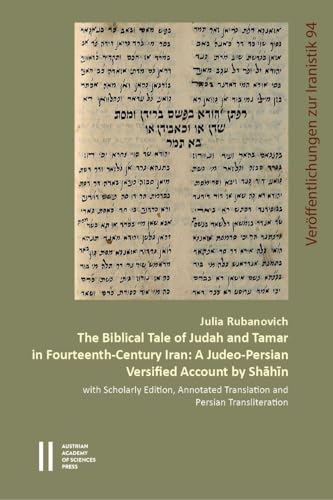 The Biblical Tale of Judah and Tamar in Fourteenth-Century Iran
A Judeo-Persian Versified Account by Shāhīn with Scholarly Edition, Annotated Translation and Persian Transliteration
Volume 94, 951
 The Discourse of Rites
Shaping and Reshaping the (Counter-)Priestly Rituals Conducted Outside the Tabernacle



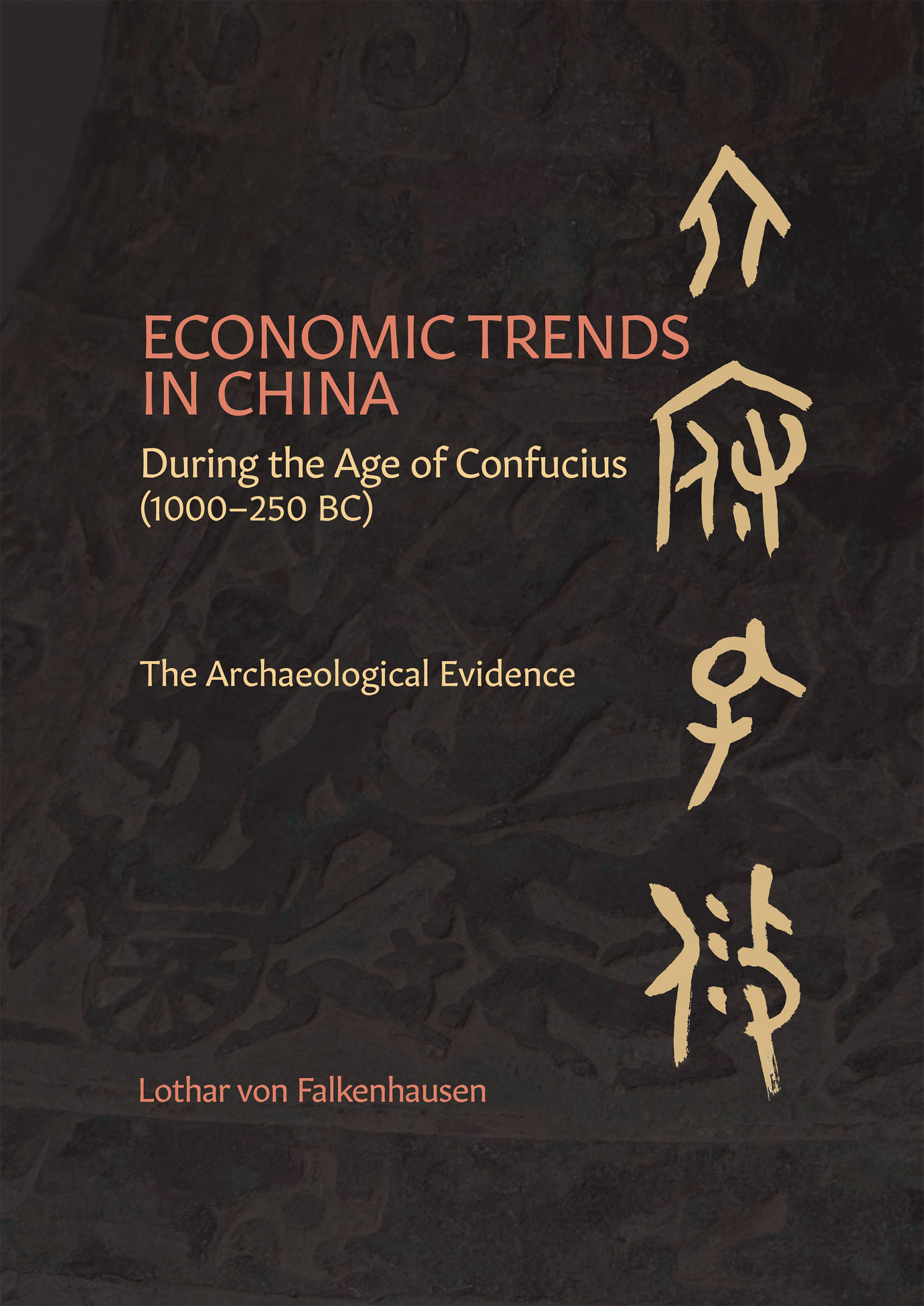 Economic Trends in China During the Age of Confucius (1000–250 BC)
The Archaeological Evidence
Volume 10
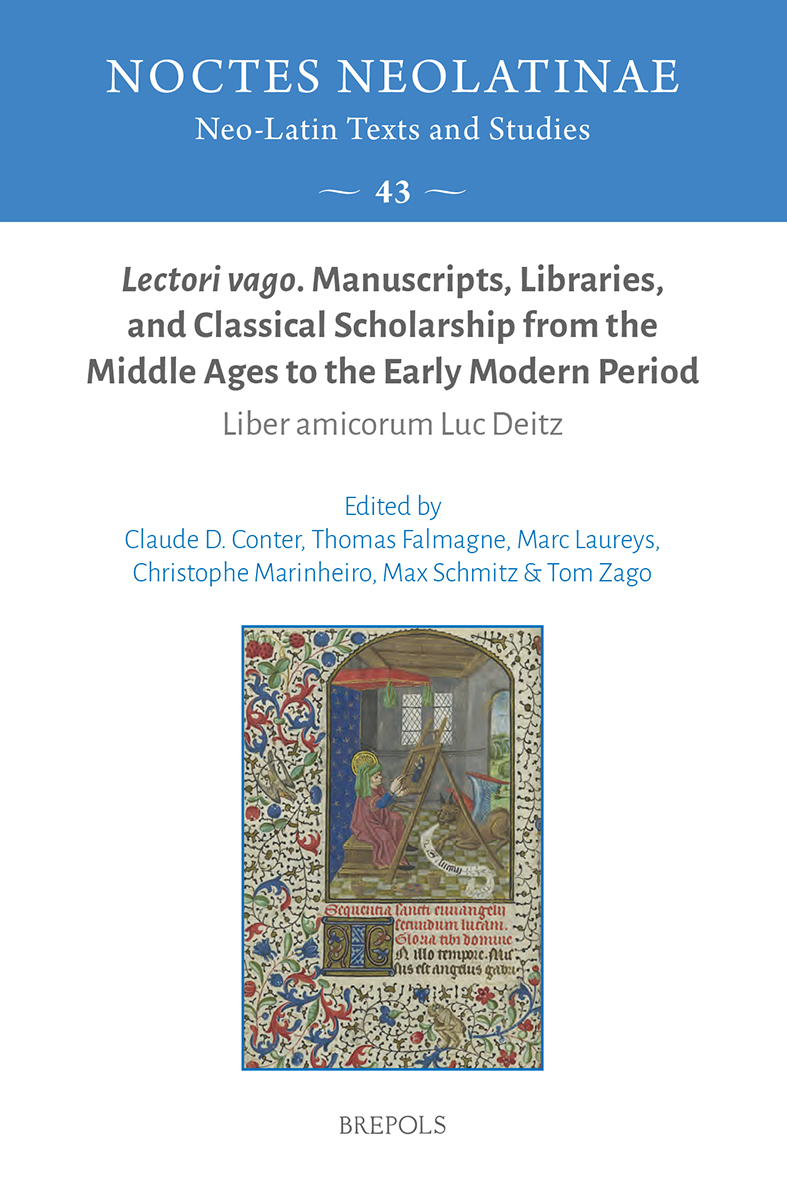 Lectori vago. Manuscripts, Libraries, and Classical Scholarship from the Middle Ages to the Early Modern Period
Liber amicorum Luc Deitz
Volume 43