
The Speakers of Indo-European and Their World
Edited by Sergio Neri Edited by Michiel de Vaan

Hardback (Published)
(August 2026)
ISBN: 9783752009262
6.69 x 9.49 inches
Price: $165.00
In stock
This book focuses on the history of the Indo-European languages. Research on the origins and dispersal of Indo-European has long relied on linguistic and archaeological evidence. Recent advances in archaeogenetics have made it possible to confirm, challenge, and refine earlier hypotheses. The 26 conference contributions collected in this volume combine linguistic, archaeological, and genetic data to investigate various topics in European and Eurasian population history, language contact, cultural practices, lexical semantics, grammar, and etymology.
This book is devoted to the history and cultures of the speakers of Indo-European languages. Research on the origins and dispersal of Proto-Indo-European and of the various branches of Indo-European has long relied on linguistic reconstruction and archaeological evidence. The recent advances in archaeogenetics have made it possible to confirm, challenge, and refine earlier hypotheses. The 26 contributions collected in this volume were presented at the 17th Fachtagung der Indogermanischen Gesellschaft that was held in Basel, 9–12 September, 2024. While their main focus lies on the older Indo-European languages and their texts, including (but not restricted to) Hittite, Tocharian, Sanskrit, Avestan, Sogdian, Bactrian, Khwarezmian, Latin, Greek, Armenian, Umbrian, Messapic, Old Irish, Old Church Slavonic, Lithuanian, Gothic, and Old Norse, many contributions take an interdisciplinary perspective by combining linguistic, archaeological, and genetic data to investigate population history, language contact, cultural practices, lexical semantics, grammar, and etymology. Together, they demonstrate the importance of integrating evidence from different disciplines in order to advance our understanding of Indo-European prehistory and its broader Eurasian context. This book is primarily directed at historical linguists, archaeologists, historians, and archaeogeneticians dealing with the history of the Indo-European languages, their texts and their speakers.
Sergio Neri (PhD Jena, 2011) is an Indo-Europeanist at the Department of Ancient Civilizations, University of Basel, with a specialization in historical linguistics, Germanic, Latin, Ancient Greek, and Albanian etymology, as well as Indo-European phonology, morphology and word-formation. His academic journey led him to universities and institutions in Perugia, Freiburg im Breisgau, Salzburg, Würzburg, and Regensburg, culminating in the attainment of his doctorate from the University of Jena. He is a Privatdozent at the Ludwig-Maximilians-Universität München and is currently involved in an SNSF project on the history of the Albanian language in Basel.<br/>Michiel de Vaan (PhD Leiden, 2002) teaches historical linguistics and comparative Indo-European linguistics at the universities of Basel and Geneva. His research focuses on the reconstruction of PIE and on Albanian, Old Iranian, Germanic, and Latin, among other languages, and he has published several monographs and numerous articles. He is currently leading a research project on the history of the Albanian language.
- Edited by Sergio Neri
- Edited by Michiel de Vaan
Similar Books


 Cahiers de lexicologie
Particules floues — Nouvelles études sur le français et l'espagnol
Volume 128
 Des mots aux actes
Traduction épistémique et littéraire. Nouvelles tendances en histoire et didactique
Volume 15


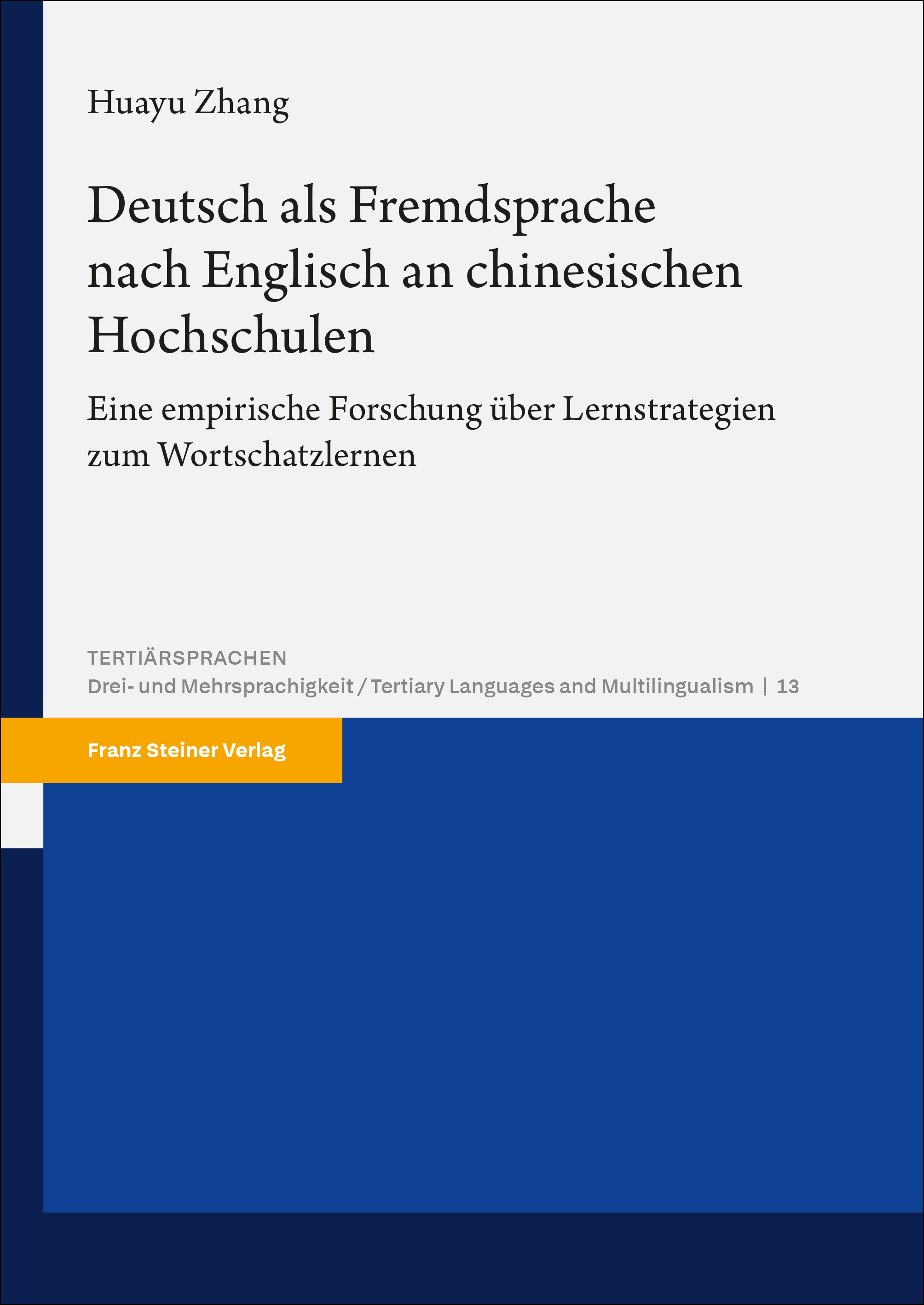 Deutsch als Fremdsprache nach Englisch an chinesischen Hochschulen
Eine empirische Forschung über Lernstrategien zum Wortschatzlernen






 Punning in Odd or Elegant Constructions in Jeremiah
The Convergence of Linguistics, Rhetoric, and Textuality in the Hebrew Text of Jeremiah




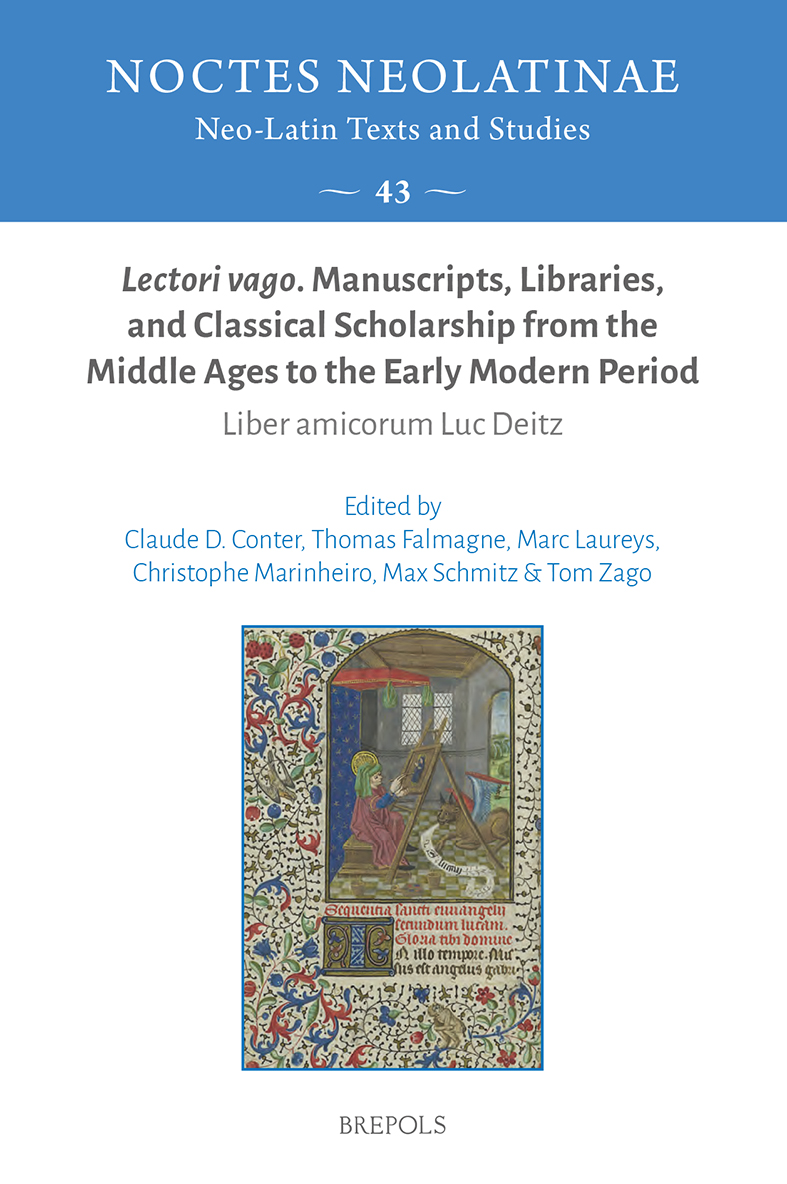 Lectori vago. Manuscripts, Libraries, and Classical Scholarship from the Middle Ages to the Early Modern Period
Liber amicorum Luc Deitz
Volume 43


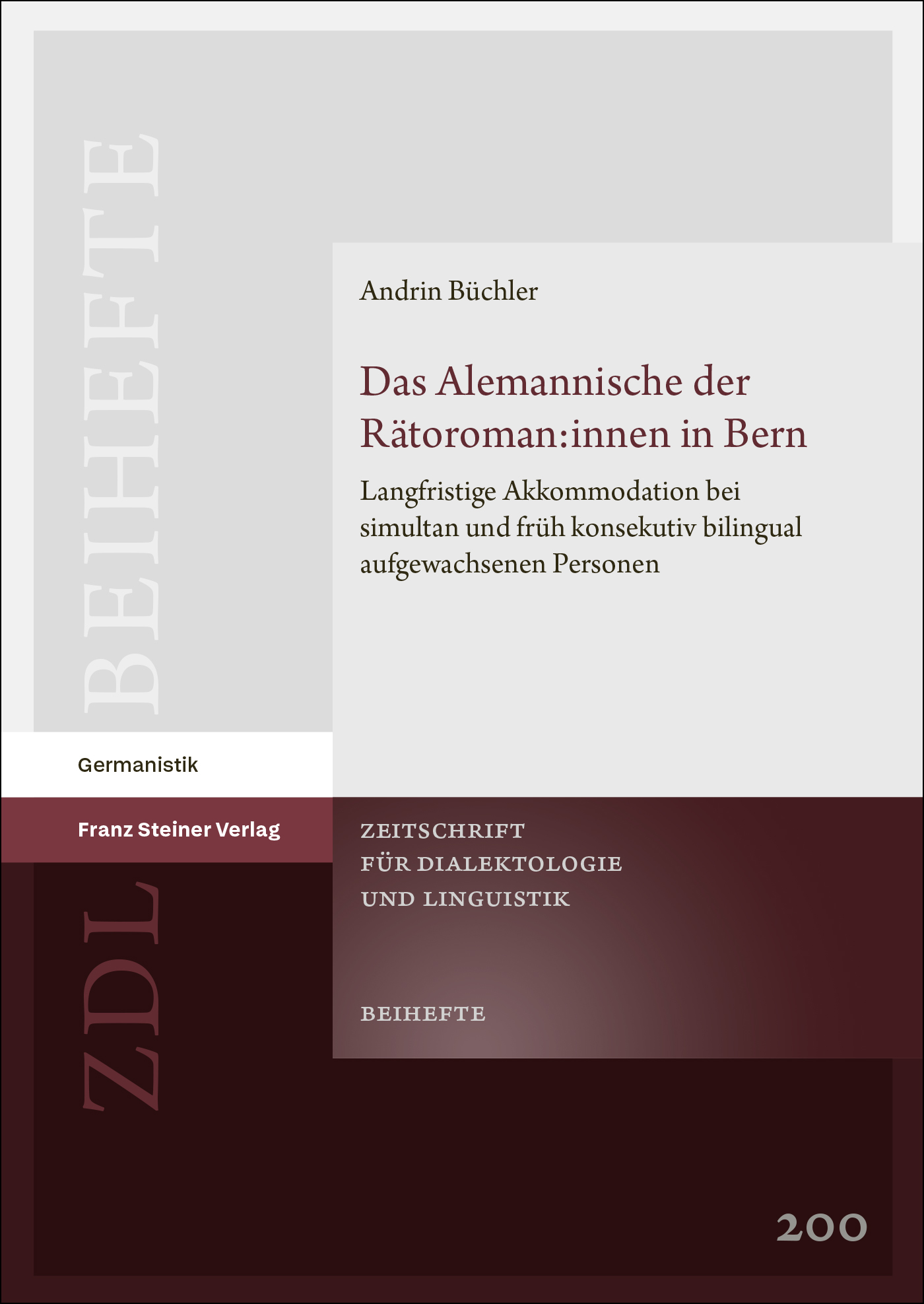 Das Alemannische der Rätoroman:innen in Bern
Langfristige Akkommodation bei simultan und früh konsekutiv bilingual aufgewachsenen Personen


