
Western Military Expatriates in the Armed Forces of the UAE
History and Impact, 1965–2024
By (author) Athol Yates

Hardback (Published)
(July 2026)
ISBN: 9781804131527
6.14 x 9.21 inches
Price: $126.00
In stock
The book argues that Western military expatriates, who have supported the Emirati military forces over more than 50 years, have played a crucial yet bounded role in elevating the UAE’s military capabilities to the point today where it is recognised as the pre-eminent Arab military force.
Today, the United Arab Emirates (UAE) Armed Forces is recognised as the most proficient military set-up in the Arab world, recently engaged in operations in Afghanistan, Libya and Yemen, and in the fight against ISIS. This book examines a pivotal component in how the UAE built such effectiveness: Western military professionals embedded in the Emirati forces. Some of these expatriates have commanded major military formations, others served as high-ranking staff, piloted front-line aircraft, developed and delivered training, or advised senior Emirati officers. The first such individuals arrived in 1965, when they were engaged to establish the state’s initial professional military force. Expatriates have since served continuously to the present day. This volume traces their history through 14 case studies, covering the period between 1965 and 2023. It offers a comprehensive picture of the expatriates’ backgrounds, the rationale behind their recruitment, and how they have been utilized. This information provides the foundation for the book’s key research question: to what degree and how have such individuals helped to generate a sustained military advantage for the Emirati military? The implications arising from this study are important, particularly for the UAE as it contemplates the potential replacement or phasing out of Western expatriates. They are equally consequential for Western defence policy-makers seeking innovative ways to develop the capabilities of friendly advanced nations, and for the more than a thousand expatriates currently serving in the Gulf who aspire to increase their influence.
1. Introduction
2. Categories of expatriates, their characteristics and their history
3. Expatriate groups and their lifecycle
4. Expatriate employment governance and human resource management practices
5. Work roles
6. The VRIO assessment
7. Conclusions
Case studies
A. The ADDF Group: British Army Seconded Officers in Abu Dhabi’s Military, 1966–76
B. The Early Navy Group: British Contract Personnel in Abu Dhabi’s Naval Force, 1967–76
C. The UDF Group: British Personnel in the Union Defence Force, 1971–76
D. The 1990s Land Forces Group: British Army Seconded Personnel in UAE Land Forces, 1991–97
E. The 1990s Special Forces Group: British Personnel in UAE SOG, 1991–98
F. The Khawla Group: US Army Security Assistance Team at the Women’s Military Service, 1990–96
G. The F-18 Group: Former USMC pilots engaged to establish an F-18 Fighter Weapons School, 1992–97
H. The MCO Group: Military Contract Officer programme, 2003–16
I. The Australian Coast Guard Group: Australians in the Federal Coast Guard, 2004–13
J. The KP Group: Knowledge Point contracted personnel in UAE Land Forces, 2011–22
K. The MCTM-UAE Group: The Marine Corps Security
Assistance Mission in the UAE, 2011 onwards
The Honour Roll
Notes
Bibliography
Index
- By (author) Athol Yates
A valuable and disciplined study.
— Ciprian Clipa
...useful for providing a detailed examination of security support and how it is used by receiving countries. As such, it will be of interest to those involved in security assistance programs.
— Lawrence E. Cline
Similar Books
 Cities through Time
Glimpses into Urbanity and Community in Mediaeval to Modern West Asia and Egypt
Volume 1
 Cuneiform Artefacts from Archaeological Contexts: New Research on Ancient Iraq
Proceedings of a Conference Held at the Bavarian Academy of Sciences and Humanities, July 4–5, 2024
Volume 2
 Global Gulf
Geo-Economic, Geo-Political, and Geo-Technological Transformation in Saudi Arabia, the United Arab Emirates, and Qatar
 Ismail Hakki Bursevi’s translation of and commentary on Fusus al-Hikam By Muhyiddin Ibn ‘Arabi
Volumes 1-4
 Monastic Manuscripts from the Eastern Mediterranean (Sinai, Jerusalem, Antioch)
Production, Use, and Contexts

 Qatar’s Societal Security
Towards the Inclusive National Concept of ‘Baladna’ Identity, Migration and External Threats Since 2017
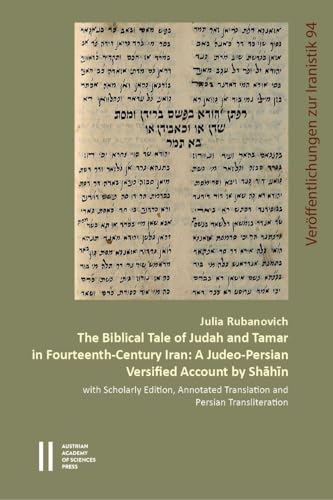 The Biblical Tale of Judah and Tamar in Fourteenth-Century Iran
A Judeo-Persian Versified Account by Shāhīn with Scholarly Edition, Annotated Translation and Persian Transliteration
Volume 94, 951
 The Discourse of Rites
Shaping and Reshaping the (Counter-)Priestly Rituals Conducted Outside the Tabernacle


 »Ein elend-schönes Land«
Gattung und Gedächtnis in Lea Goldbergs hebräischer Literatur. Aus dem Hebräischen von Rainer Wenzel
 Meine arabischen Freunde
Geschichten aus dem Maghreb für Aufklärung - gegen Islamismus und Unfreiheit

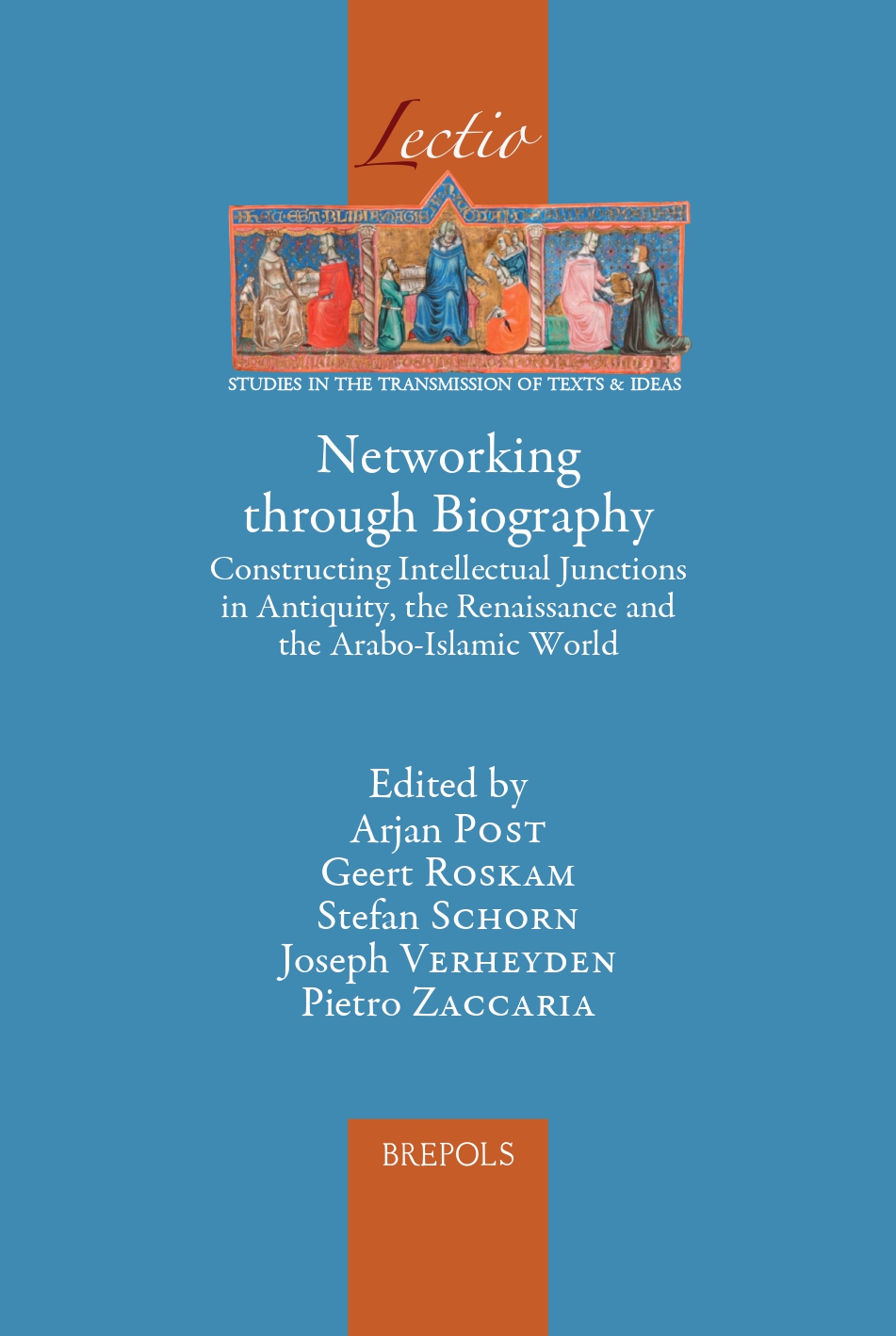 Networking through Biography
Constructing Intellectual Junctions in Antiquity, the Renaissance and the Arabo-Islamic World
Volume 19


 Beiträge zur Islamischen Kunst und Archäologie
The Arts and Archaeology of Funerary Cultures in Islam
Volume 10.0
 Boğazköy Tablets in the Museum of Anatolian Civilisations (Bo 95–Bo 3993)
Anadolu Medeniyetleri Müzesinde Bulunan Boğazköy Tabletleri (Bo 95–Bo 3993)
Volume 3


 Discerning Religious Truth
A Didactic Exposition of the Logic and Epistemology of the Islamic Sciences
Volume 1


 Explorations in Islamic Archaeology
Material Culture, Settlements, and Landscapes from the Mediterranean to Western Asia
Volume 7


 Life on the Farm in Late Medieval Jerusalem
The Village of Beit Mazmil, its Occupants and their Industry over Five Centuries

 Occasionalism Revisited
New Essays from the Islamic and Western Philosophical Traditions (2nd ed.)
Volume 2
 Oil Lamps in the Holy Land during the Early and Later Islamic Periods (7th–16th/17th CE)
The Collection of the Israel Antiquities Authority

 Proceedings of the Seminar for Arabian Studies Volume 54 2025
Papers from the fifty-seventh meeting of the Seminar for Arabian Studies held at the Institut national d’histoire de l’art, Paris, 27–29 June 2024

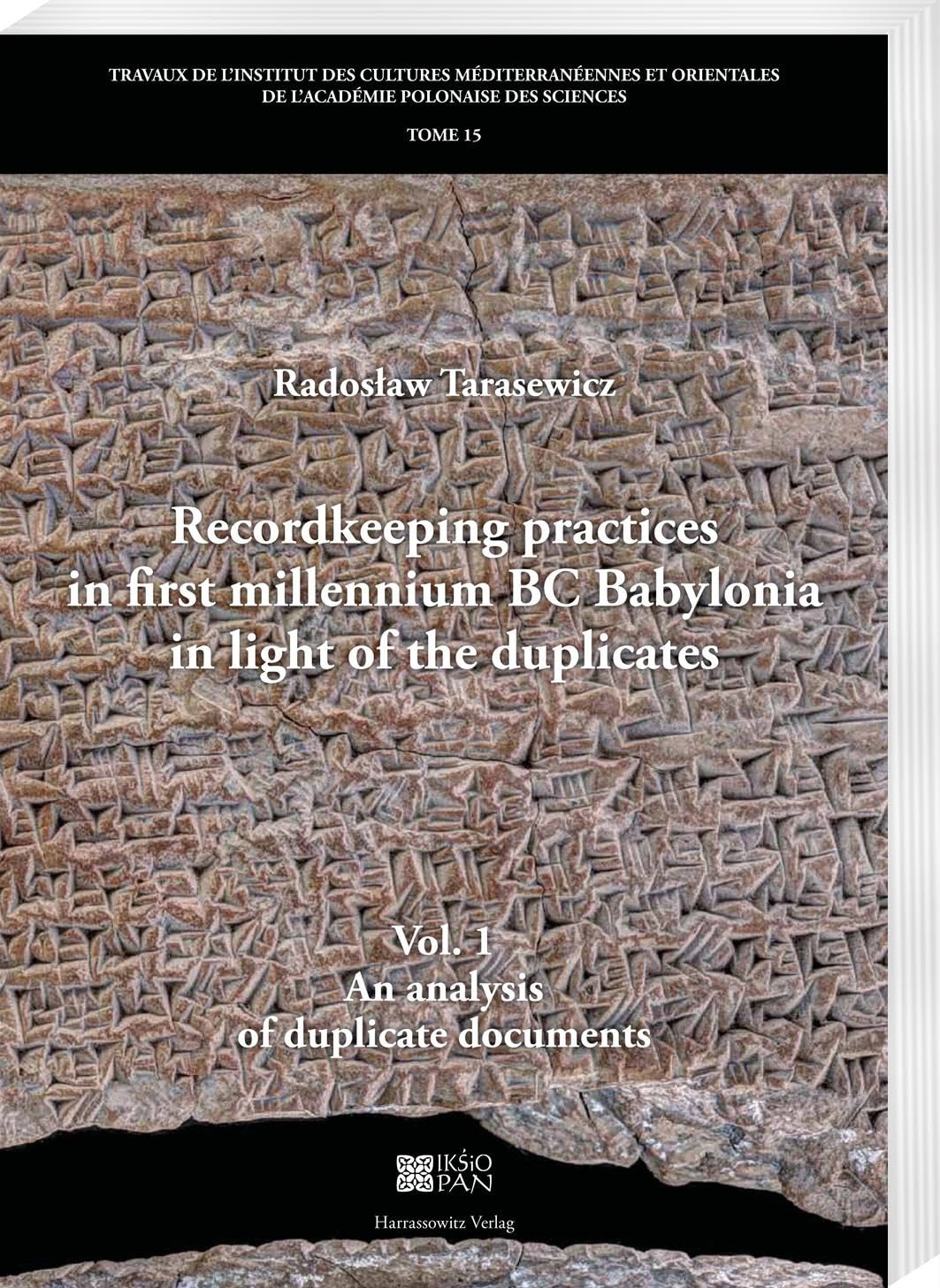 Recordkeeping practices in first millennium BC Babylonia in light of the duplicates.
Vol. 1. An analysis of duplicate documents
Volume 15

 The Agency of the Conquered
Muslim Communities in the Emergence of Norman Sicily and the Kingdom of Valencia