Zarathushtra entre l’Inde et l’Iran
Études indo-iraniennes et indo-européenes offertes à Jean Kellens à l’occasion de son 65e anniversaire
Edited by Xavier Tremblay Edited by Eric Pirart

Hardback (Published)
(February 2009)
ISBN: 9783895006517
6.69 x 9.49 inches
Price: $170.00
In stock
English description: Twenty-seven articles by prominent Indo-Europeanists, Indologists and Iranists have been selected to commemorate the most innovative and consequent exeget of Avesta (the missal of the pre-islamic Paniranian religion, Mazdaeism or Parsism) of our times, Jean Kellens and to inscenery his intellectual pathway and thereby also the present debates around the oldest language and religious history of the common ancestors of Indians and Iranians. The themes Jean Kellens has put into fresh light, intertextuality, stilistics, ideology, textual history and reuse, are especially represented, but always under the light of the mother discipline: grammar. German description: In der vorliegenden, Jean Kellens, dem anerkanntesten Exeget des Avesta – des Messbuches und zugleich des altesten und heiligsten Textes des Mazdayasnismus oder Parsismus, der vorislamischen Religion des Iran – gewidmeten Festschrift, werden samtliche Aspekte der heutigen Debatte zur fruhesten Sprache und Geschichte der Indoiraner durch einen Strauss von 27 Aufsatzen reprasentiert, insbesondere solche, die Jean Kellens ans Licht gebracht hat: Intertextualitat, Stilistik, Ideologie, Textrezeption und -neuverwendungen – unter steter Rucksicht auf das Grundfach: Grammatik.
Éric Pirart (born in 1950) studied Indo-Iranian philology at the University of Liège, where he earned his Doctorate with a thesis upon the Old Avestan particles, supervised by Jean Kellens. He then embarked with his master on the enterprise of editing, translating and commenting the Old Avestan corpus (Les textes vieil-avestiques, 3 Bände, Reichert, Wiesbaden, 1988-<br/>1990-1991), whereas he pursued own studies upon Indo-Iranian mythology (Les Nāsatya (Bibliothèque de la Faculté de Philosophie et Lettres de l’Université de Liège CCLXI & CCLXXX, Droz, Geneva, 1995-2000) und Mitología y Religión del Oriente Antiguo. III : Indoeuropeos [in cooperation with A. Bernabé, C. García Gual & R. Lemosín], Ausa, Sabadell, 1998). After an almost six-year appointment at the University of Barcelona to teach Sanskrit and Old Iranian, he became Professor at the University of Liège, directing the Program of Indo-Iranian studies and Comparative Indo-European Linguistics (now the sole of its kind in Belgium). His numerous articles (mostly published in the Journal Asiatique) and books (L’éloge mazdéen de l’ivresse. Édition, traduction et commentaire du Hōm Stōd; Guerriers d’Iran. Traduction annotée des textes avestiques du culte zoroastrien rendu aux dieux Tištriya, Mivra et Vrvragna; L’Aphrodite iranienne. Étude de la déesse Arti, traduction<br/>annotée et édition critique des textes avestiques la concernant; Georges Dumézil face aux démons iraniens, Collection Kubaba. Série Antiquité, vols. 4, 8, 10 and 14, L’Harmattan Paris, 2004, 2006, 2006, 2007) have earned him fame as an expert in Indo-Iranian mythology, Yašt philology and text history of the Avesta, especially concerning the diascevase and the metrics.<br/><br/>Xavier Tremblay<br/>After a PhD about the Noms athématiques suffixaux de l’Avesta at the École pratique des Hautes Études, philological-historical branch (Paris), Xavier Tremblay (born in 1971 in Lille, in Northern France) worked from 1999 to 2003 as a Research Fellow at the Institute of Iranian Studies of the Austrian Academy of Sciences, which awarded him the Figdor Prize for his book Pour une histoire de la Sérinde (SÖAW 690, Vienna, 2001). He earned a German Habilitation with venia legendi in Indo-European comparative linguistics in 2004 at the University of Cologne with a monography Grammaire comparée et grammaire historique : quelle réalité est reconstruite par la grammaire comparée ? (in Gérard Fussman, Jean Kellens, Henri-Paul Francfort & Xavier Tremblay, Āryas, Aryens et Iraniens en Asie Centrale, Collège de France, Paris 2005) crowned by the Prix Emile Benveniste of the French Académie des Inscriptions et Belles-Lettres in 2008. Since 2004 Privat-Dozent at the University of Cologne, Xavier Tremblay has authored one further book, La déclinaison des noms de parenté en indo-européen (Innsbruck, 2003), and over 40 articles and 20 recensions about the whole range of Indo-European languages.
- Edited by Xavier Tremblay
- Edited by Eric Pirart
"A cote de contributions sur les domaines exterieurs a la linguistique (historique, religieux, litteraire ou purement philologique) qui ont du etre analysees ici plus brievement, en depit de leur interet propre, ce volume apporte au linguiste un grand nombre de donnees et de vues nouvelles sur la phonetique. la morphologie, le vocabulaire, le formulaire et la metrique de l'iranien ancien, de l'indo-iranien et de l'indo-europeen." Jean Haudry, Bulletin de la Societe de Linguistique de Paris. 105/25. S. 204-208
—
“À côté de contributions sur les domaines extérieurs à la linguistique (historique, religieux, littéraire ou purement philologique) qui ont dû être analysées ici plus brièvement, en dépit de leur intérêt propre, ce volume apporte au linguiste un grand nombre de données et de vues nouvelles sur la phonétique. la morphologie, le vocabulaire, le formulaire et la métrique de l’iranien ancien, de l’indo-iranien et de l’indo-européen.”<br/><br/>Jean Haudry<br/><br/>In: Bulletin de la Société de Linguistique de Paris. 105/25. S. 204-208.
—
Other Titles in this Series
 Tabous, interdits et obligations de langage en Afghanistan
Éléments du vocabulaire de la vie privée en terre d’Islam


 Religious themes and texts of pre-Islamic Iran and Central Asia
Studies in honour of Professor Gherardo Gnoli on the occasion of his 65th birthday on 6th December 2002


 Literarische Stoffe und ihre Gestaltung in mitteliranischer Zeit
Kolloquium anlässlich des 70. Geburtstages von Werner Sundermann

 Proceedings of the Third European Conference of Iranian Studies
Held in Cambridge, 11th to 15th September 1995. Old and Middle Iranian Studies


Similar Books
 ‘For You I Study, For You I Work, For You I Live, For You I Am Ready To Even Give My Life’
Essays in Honour of Francis (Frank) J Moloney, SDB
 A Connecting Polemic in the Medieval Mediterranean
The Correspondence of Leo III and ʿUmar II
Volume 6





 Cultic Kisses
Fruitful Encounters Between Deities and Humans. Festschrift for Angelika Berlejung on the Occasion of Her 65th Birthday




 Extracanonical Traditions and the Holy Land
Texts, Rituals, and Material Culture in Late Antique Palestine
 Fear, Fear of God, God-Fearers
Philological and Historical Perspectives on the World of Ancient Judaism and Christianity


 Hoghe minne es deen vor dander
Essays on the Christian Mystical Tradition in Honour of Rob Faesen SJ
Volume 122
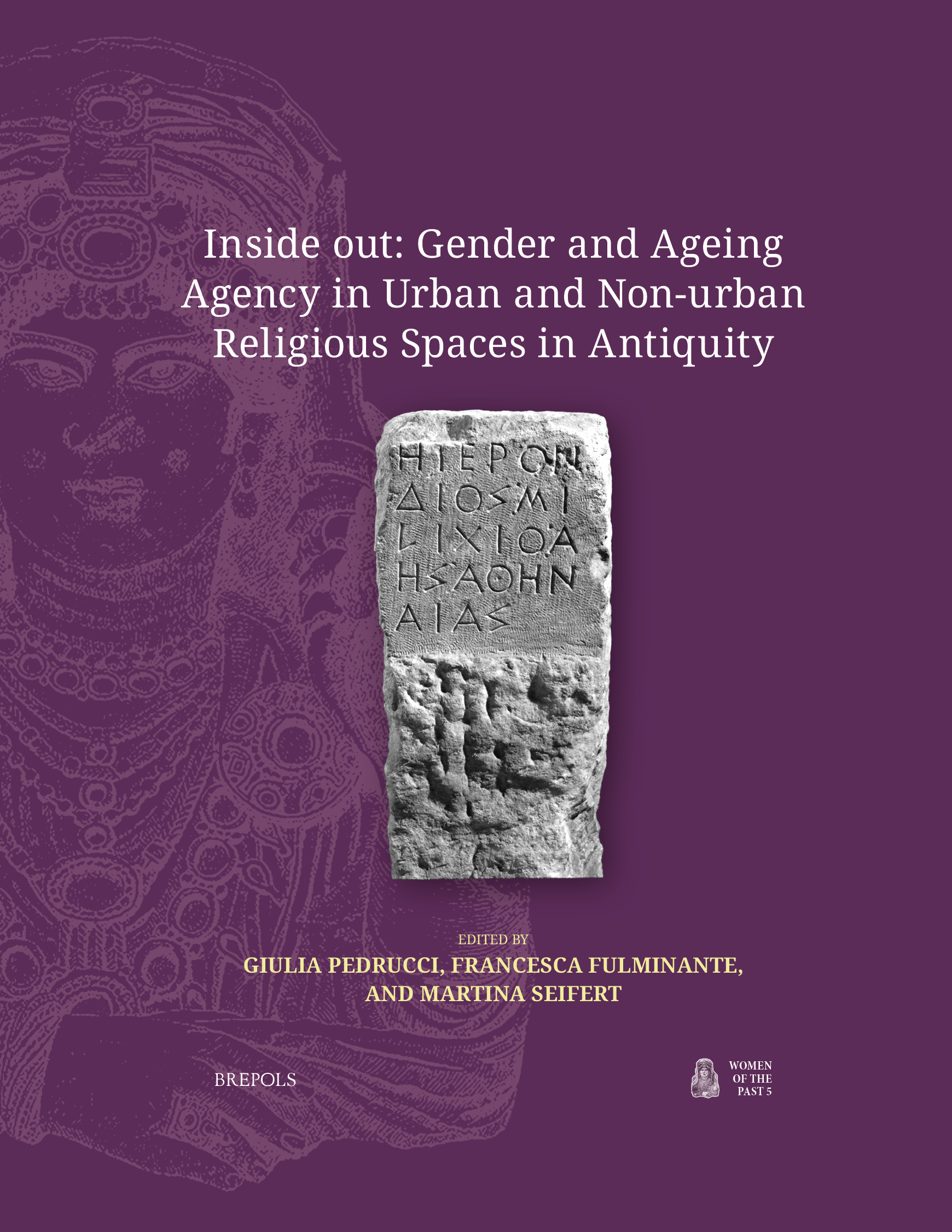
 Liturgia semper reformanda
Adaptations and accommodations in the liturgy in light of canon 838 of the Code of Canon Law


 On Becoming a Theologian of the Cross
Revisiting Luther’s theologus crucis from the Heidelberg Disputation to the Genesis Lectures

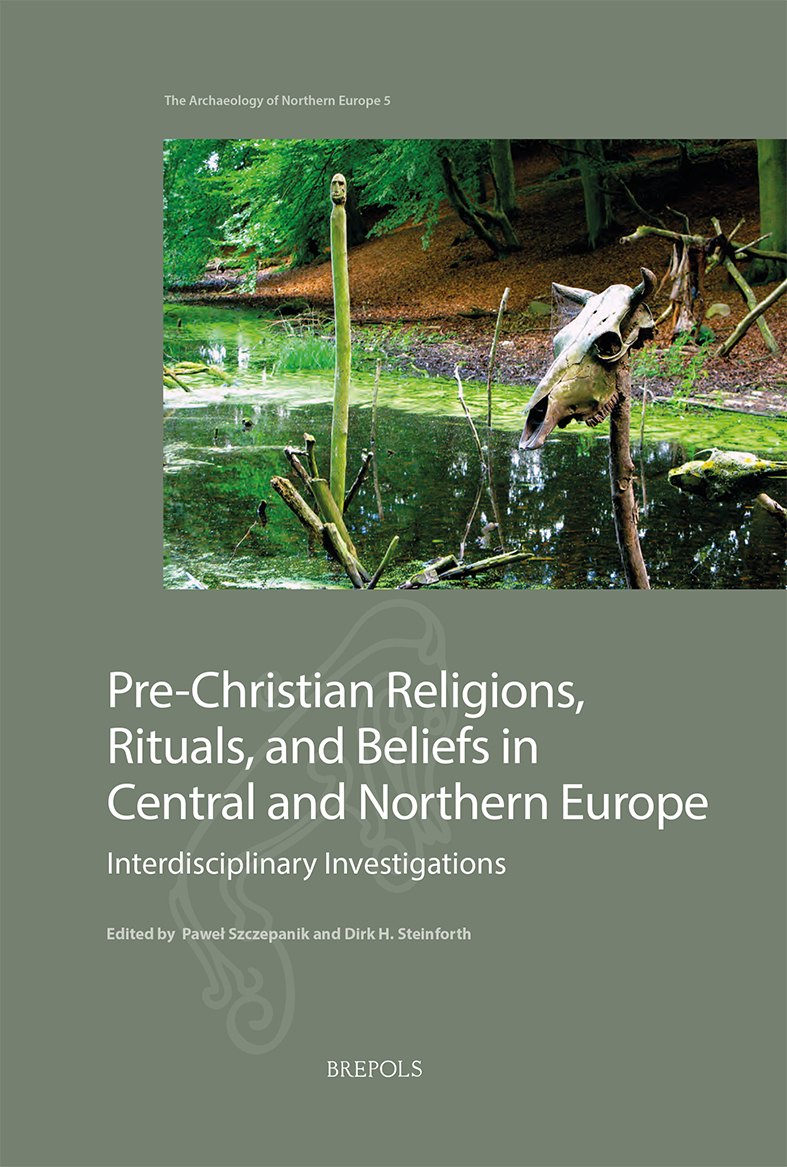 Pre-Christian Religions, Rituals, and Beliefs in Central and Northern Europe
Interdisciplinary Investigations
Volume 5
 Reforming Good Works in Geneva
Bénédict Pictet’s Doctrine of Good Works and His Place in Late Reformed Orthodoxy
Volume 85