
A Companion to Linear B
Mycenaean Greek Texts and their World. Volume 2
Edited by Y. Duhoux Edited by A. Morpurgo Davies

Linear B is the earliest form of writing used for Greek; it is a syllabic script which belongs to the second half of the second millennium BC and precedes the earliest alphabetic texts by at least four hundred years. The tablets written in this script offer crucial information about the economy, administration, religion, institutions, etc. of the Mycenaean period. But who wrote these texts? What types of texts were they? How can we read them, understand them and interpret them? What do they teach us about the history, economy, religion, society, geography, technology, and language of the Mycenaean period? This Companion aims at answering these and other questions in a series of chapters written by internationally recognised specialists in the subject, who not only summarise the results of current research but also try to explain the problems which arise from the study of the texts and the methods which can be used to solve them. No Mycenologist can currently cover with authority all the field and the Companion is aimed both at the beginner who needs an introduction to the whole area and to advanced scholars (archaeologists, historians, classicists) who require an up-to-date account which can serve as a standard reference tool.
Linear B is the earliest form of writing used for Greek; it is a syllabic script which belongs to the second half of the second millennium BC and precedes the earliest alphabetic texts by at least four hundred years. The tablets written in this script offer crucial information about the economy, administration, religion, institutions, etc. of the Mycenaean period. But who wrote these texts? What types of texts were they? How can we read them, understand them and interpret them? What do they teach us about the history, economy, religion, society, geography, technology, and language of the Mycenaean period? This Companion aims at answering these and other questions in a series of chapters written by internationally recognised specialists in the subject, who not only summarise the results of current research but also try to explain the problems which arise from the study of the texts and the methods which can be used to solve them. No Mycenologist can currently cover with authority all the field and the Companion is aimed both at the beginner who needs an introduction to the whole area and to advanced scholars (archaeologists, historians, classicists) who require an up-to-date account which can serve as a standard reference tool. Reactions to the first volume: “All Aegenists need to have this book.” (John G. Younger, American Journal of Archaeology “Un excellent instrument, a tous les niveaux.” (Francisco Aura Jorro, L’Antiquite Classique) “We are awash with companions of varying composition and quality. Arguably, many are superfluous; this one is not… The companion under review seeks to make Linear B more accessible to students and interested scholars. It is far more complete, authoritative and up-to-date than any.” (Dimitri Nakassis, The Classical Review) “The best reference work for the content of the Linear B texts, their language, their value, and the historical contexts that produced them; very useful for students.” (Angelos Chaniotis, Ancient Crete: Oxford Bibliographies Online Research Guide)
- Edited by Y. Duhoux
- Edited by A. Morpurgo Davies
Other Titles in this Series
 Langues à niveaux multiples
Hommage au Professeur Jacques Lerot à l'occasion de son éméritat
Volume 112


 L’analyse des actions et des discours en situation de travail
Concepts, méthodes et applications
Volume 115


 Word Classes and Related Topics in Ancient Greek
Proceedings of the Conference on 'Greek Syntax and Word Classes' held in Madrid on 18-21 June 2003
Volume 117

 Anthropo-logiques 6 (1995)
Quel discours de la methode pour les sciences humaines? Un etat des lieux de l'anthropologie clinique. Actes du troisieme colloque international d'anthropologie clinique (Louvain-la-Neuve, novembre 1993)
Volume 83

 Les langues regionales de France: un etat des lieux a la veille du XXIe siecle. The Regional Languages of France: an Inventory on the Eve of the XXIst Century
Actes d'un colloque organise a / Papers of a Conference Held at 'The University of Pennsylvania, Philadelphia, USA
Volume 102


Similar Books

 Caesar’s Visions and Impact on the Roman Empire
Revisiting the Archaeological and Historical Record of the 40s BC
Volume 2


 Drunk the Potion, No Whit Charmed
The Doctrine of Pure and Perfect Souls from Iamblichus to Damascius

 Epiphanies of the Divine in the Septuagint and the New Testament
Fifth International Symposium of the Corpus Judaeo-Hellenisticum Novi Testamenti (CJHNT), 14-17 May 2015, Nottingham


 Etruscan and Roman Hellenistic Anatomical ex votos
Reassessing Popular Religious Expressions in Central Italy
Volume 8


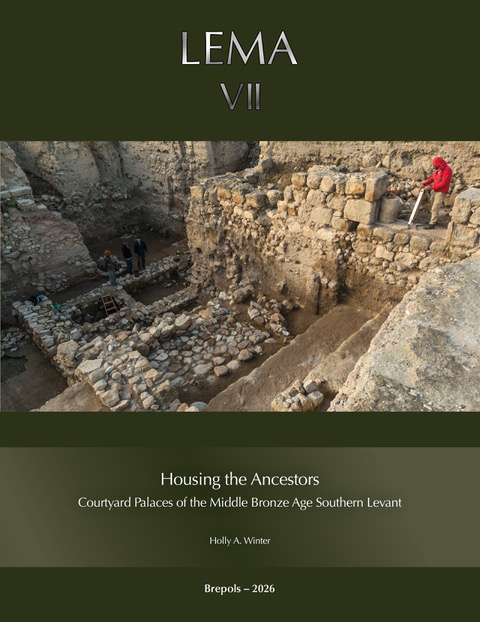

 Invisible Labour in Antiquity
Visualizing Obscure Work in the Ancient Mediterannean and West Asia
Volume 1
 Language and Power in the Roman Empire and Early India
Hierarchy, Ambiguity, and the Art of Reading the Signs in Cosmopolitan Cultures
 Late Antique villae in the Balkans (3rd–7th c. AD): Current Research Questions and Perspectives
HAEMUS Companion to the Late Antique Balkans 1
Volume 4

 Nurturing the Elite
Representations of Drinking, Eating, and Religious Vessels in Palmyrene Funerary Iconography
Volume 13


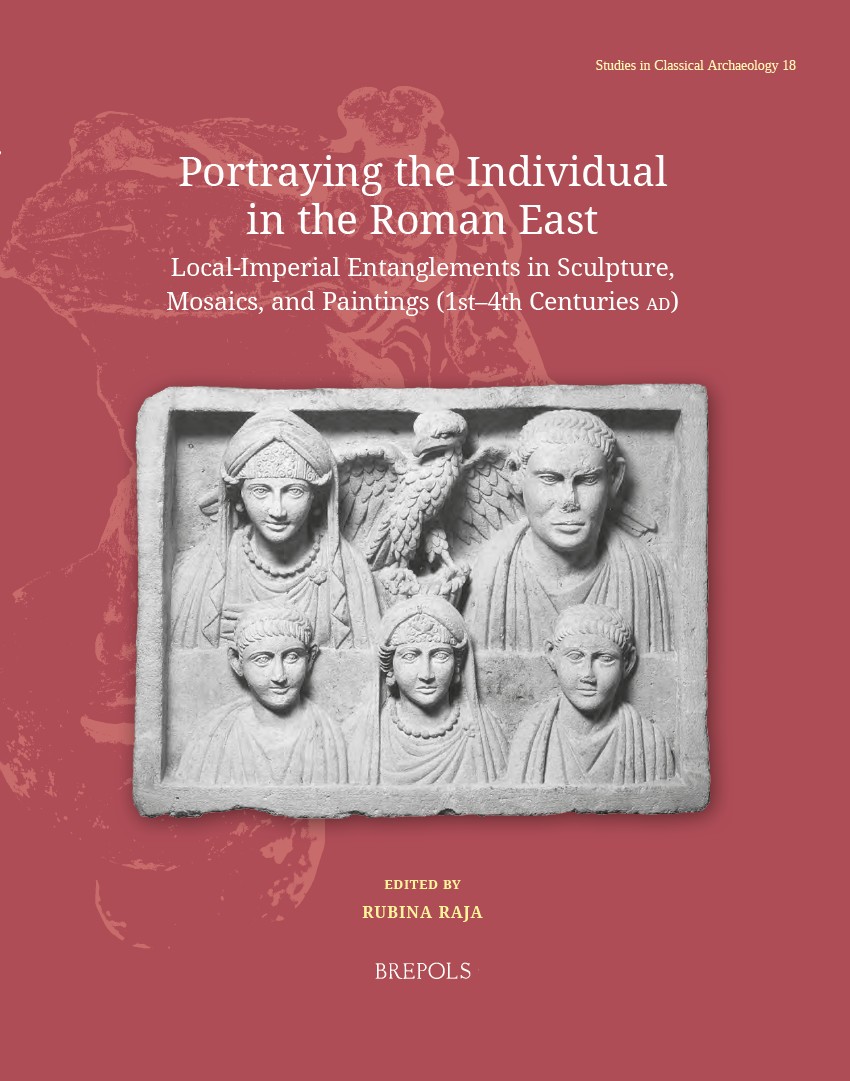 Portraying the Individual in the Roman East
Local–Imperial Entanglements in Sculpture, Mosaics, and Paintings (First–Fourth Centuries AD)
Volume 18

 Small Worlds and Relational Agencies: Local Societies in Early Medieval Iberia
Pequeños mundos y Agencias relacionales: Sociedades locales altomedievales en la Península Ibérica
 The Compositional History of the Book of Kings
An Analysis of the Evaluative Frameworks in 1 Kings 14–2 Kings 25

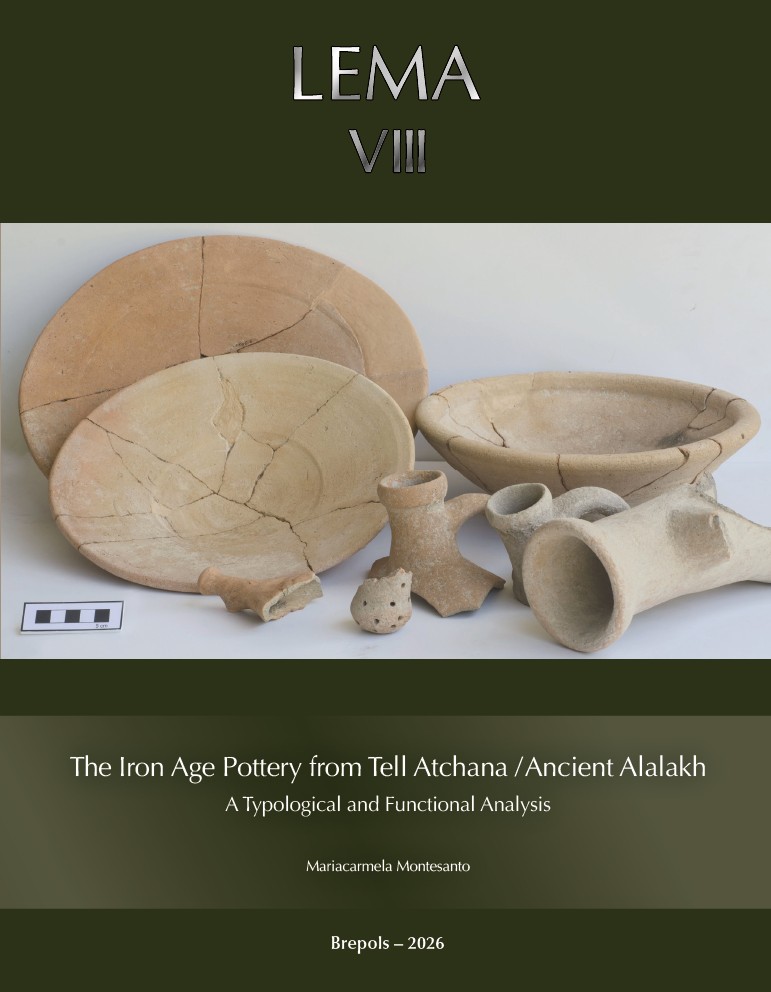 The Iron Age Pottery from Tell Atchana / Ancient Alalakh
A Typological and Functional Analysis
Volume 8

 Writing in the Church of the Nativity in Bethlehem
Inscription and Graffiti in a Multilingual and Multigraphic Perspective
Volume 45
 Contesting Labeled Identities
The Sociology of Gentilics in Biblical and Northwest Semitic Literature


 After Life in Roman Paganism. L’Égypte des astrologues. Les Mages hellénisés
Introductions historiographiques
Volume 7

 Atlante tematico di topografia antica 36-2026
Urbanistica e monumenti, porti, Roma. Ricerche sui monti Aurunci
Volume 36
 Cerámica común romana y ciclo haliéutico
Análisis de los contextos de las cetariae de Iulia Traducta


 Diodor über den ersten Sklavenaufstand auf Sizilien
Ein philologischer und historischer Kommentar
Volume 67