
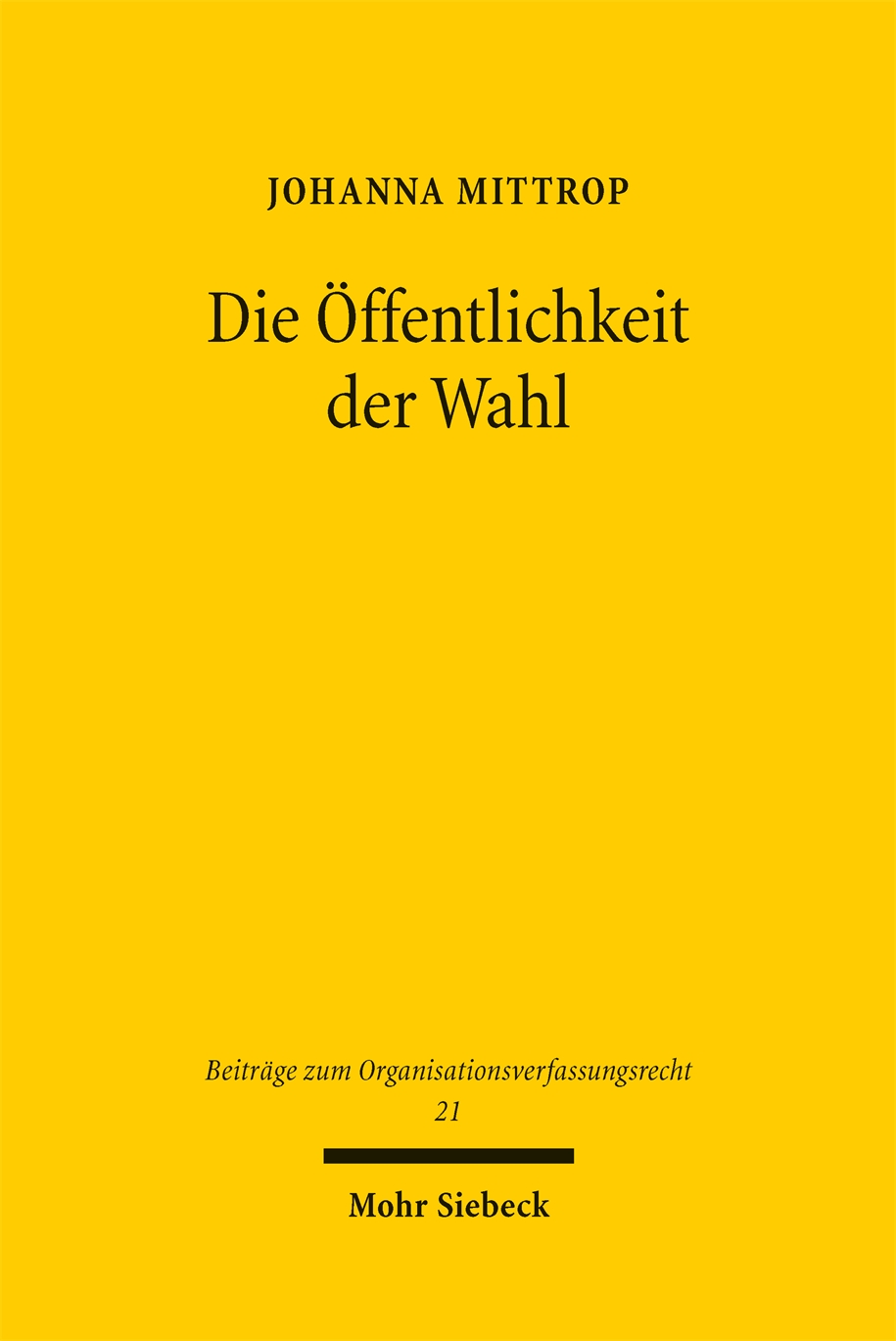
Die Öffentlichkeit der Wahl
Elektorale Integrität und demokratische Integration
By (author) Johanna Mittrop
Hardback (Forthcoming)
(November 2026)
ISBN: 9783162008046
6.1 x 9.13 inches
Price: $164.00
How does the law safeguard elections as the core process of representative democracy? Johanna Mittrop examines the public electoral process through the concepts of electoral integrity and democratic integration, linking Germany’s Federal Electoral Regulations (Bundeswahlordnung) to the theoretical foundations of electoral systems.
Public elections are ballot-box elections. Not only online voting, but also the growing use of postal voting and shortcomings in election administration challenge both the unwritten principle of the public nature of elections-known from the German Federal Constitutional Court’s landmark decision on electronic voting machines-and the traditional model of ballot-box voting. Drawing on the functions of electoral integrity and democratic integration, Johanna Mittrop clarifies the doctrinal substance of the principle of publicity while advancing the theory of electoral procedure law.
She highlights the central role of the principle of publicity in safeguarding electoral integrity, develops the concept of electoral integrity in greater detail, and specifies its doctrinal significance for both the conduct and review of elections. In doing so, she offers a critical analysis of the frequently invoked notion of the trustworthiness of elections. At the same time, she demonstrates that public voting also serves a function of democratic integration. To this end, Mittrop develops an independent constitutional concept of integration that distinguishes itself both from Rudolf Smend’s theory of integration and from national-essentialist concepts of homogeneity.
To substantiate this integrative function, the author draws on insights from cultural studies to develop an aesthetics of elections. Democratic integration is described as a process of collective self-assurance, stimulated by ballot-box voting as a distinctive mode of representation and mediation, aimed at fostering acceptance of both elections and representative democracy.
By linking doctrinal and theoretical insights with contemporary electoral practice and current policy debates, the study provides a scientifically grounded basis for legislative decisions concerning the future design of electoral systems. Its methodological approach also creates opportunities for engagement with interdisciplinary scholarship.
Einführung
A. Wählen in der Öffentlichkeit - B. Begriffe - C. Programm der Untersuchung
Kapitel 1. Dogmatische Bestandsaufnahme
A. Der „ungeschriebene" Wahlgrundsatz der Öffentlichkeit der Wahl - B. Einfachrechtliche Ausformung der Öffentlichkeit der Wahl - C. Internationales und supranationales Recht - D. Durchsetzung - E. Fazit: Umfassende Öffentlichkeit
Kapitel 2. Die Integritätsschutzfunktion der öffentlichen Wahl
A. Öffentlichkeit als Kontrollöffentlichkeit - B. Kontrollierbarkeit und Vertrauen - C. Verfassungsrechtliche Verankerung der Integritätsschutzfunktion - D. Fazit: Integritätsschutz und sein Perversionspotential
Kapitel 3. Die Integrationsfunktion der öffentlichen Wahl
A. Integration - Bekannter Topos des Wahlrechts - B. Integration an der Urne - Selbstvergewisserung im öffentlichen Wählen - C. Verfassungsrechtliche Verankerung des Integrationsmodells - D. Fazit: Selbstvergewisserung an der Urne
Kapitel 4. Das Leitbild der Urnenwahl
A. Einordnung des Leitbildes der Urnenwahl - B. Leitbild auf Probe? - C. Konsequenz des Wandels - D. Fazit: Wandel und Kontinuität
Schluss
Johanna Mittrop (Mit / Unter Mitarbeit von)
Born 1997; 2020 First State Examination in Law; 2020 Master 1 in Public Law (Paris II); 2021 LL.M. in Transnational Law (King’s College London); 2026 PhD (Leipzig); legal clerkshio (Rechtsreferendarin) at the Berlin Court of Appeal (Kammergericht) and Research Associate at the Institute of German, European and International Public Law (Department 6), University of Freiburg.
- By (author) Johanna Mittrop
Other Titles in this Series
 Das Rechtfertigungsdefizit des qualifizierten Mehrheitserfordernisses
Zugleich ein Beitrag zur Rechtfertigung der parlamentarischen Mehrheitsregel
Volume 3
 Liquid Democracy
Internet-basierte Stimmendelegationen in der innerparteilichen Willensbildung
Volume 4
 Wahlsystem und Wahlgleichheit
Eine verfassungsdogmatische Untersuchung von Gestaltungsspielraum und Beschrankungen des Gesetzgebers im Bundestagswahlrecht
Volume 9
 Die grundgesetzliche Theorie der Regierung
Zugleich ein Beitrag zur Rechtsgewinnung im Verfassungsrecht
Volume 10
 Politische Parteien und Offentlichkeit
Verfassungsrechtliche Publizitatspflichten fur die innerparteiliche Willensbildung und Entscheidungsfindung vor dem Hintergrund des Status demokratischer Offentlichkeit
Volume 11
 Wehrhafte Demokratie in der Bewährung
Analyse und Bewertung des Potentials der rechtlichen Demokratieverteidigung in Anbetracht aktueller Herausforderungen
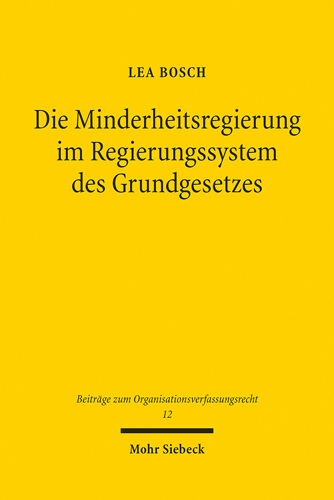
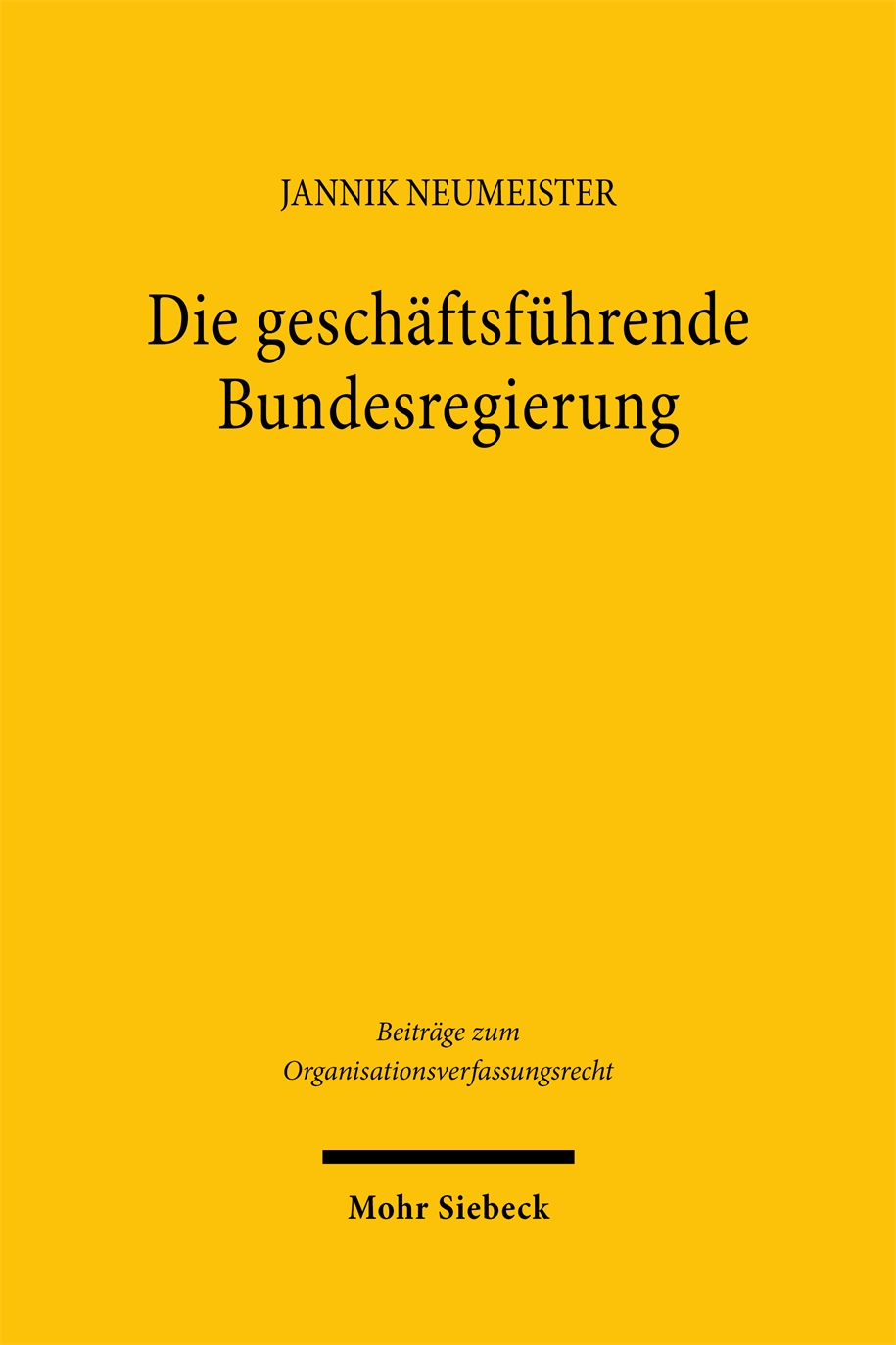
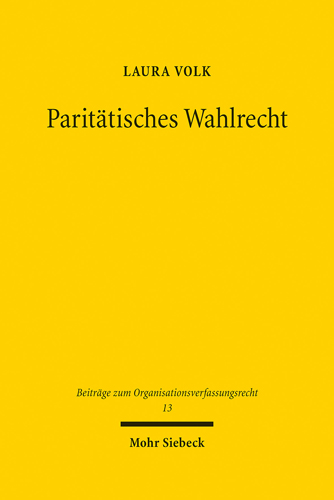 Paritatisches Wahlrecht
Verfassungsrechtliche Zulassigkeit und demokratietheoretische Bezuge
Volume 13
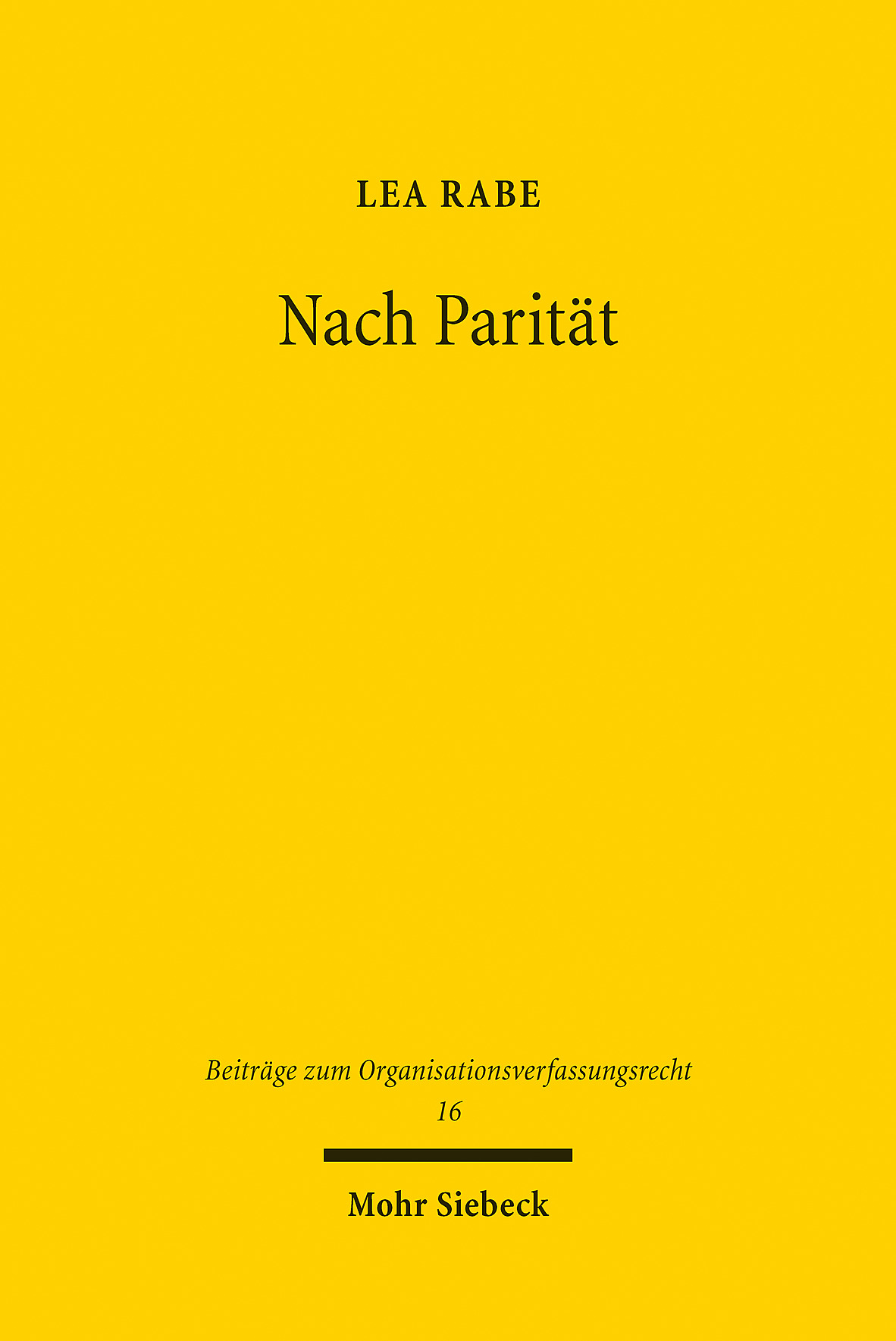
 Das Mehrheitsprinzip als Optimierungsgebot fur das Wahlrecht
Zugleich eine Untersuchung der Ausgestaltung der Direktwahl kommunaler Hauptverwaltungsbeamter
Volume 17
Similar Books


 Balthasar Caymox of Nuremberg
Early Modern German Print Publishers: Popular Prints of the Seventeenth Century
 Constitutional Conflict as Judicial Civil Disobedience and Conscientious Objection
Reconceptualising National Constitutional Court Rulings in the European Union Legal Space

 Formulary apportionment in international tax law
An allocation method for the age of globalization and digitalization
Volume 210


 Hofmann oder Vorkämpfer der „philosophes“?
Deutsche Voltaire-Bildnisse und -Imaginationen im Zeitalter der Aufklärung

 Legal Unification through Case Law?
Supreme Courts and the Emergence of Uniform Law in the Modern Era
Volume 242

 The Documentation of Historical Facts in Trial Judgments of the International Criminal Court
A Constitutional Theory of International Criminal Proceedings
Volume 66


 Linguistic and Cultural Dynamics in a Frontier Society
New Perspectives on Northeastern Bavaria and Western Bohemia in the Early Middle Ages
Volume 9
 The Law of the International Civil Service
Institutional Law and Practice in International Organisations
 “Aktenzeichen XY … ungelöst”, Facebook und Co.
Chancen und Risiken der Einbeziehung der Öffentlichkeit in das strafprozessuale Ermittlungsverfahren
Volume 476
 “Das Grundgesetz ist unsere Leitkultur”
Eine verfassungsrechtliche und -theoretische Annäherung an die Gleichsetzung von Grundgesetz und Leitkultur
Volume 1595
 “Sachkunde” als Beweisquelle im Strafprozess
Defizite der Verteidigungsrechte bei der Gewinnung und Verwertung von außerjuristischem Erfahrungswissen
Volume 340

 (Bloß) symbolische Rechtsetzung
Eine interdisziplinäre Untersuchung der deutschen Glücksspielregulierung auf ihre funktionelle und symbolische Wirkung
 (Keine) Haftung für Produktfehler?
Eine Untersuchung des deutschen und neuseeländischen Rechts zum Ausgleich von Personenschäden durch fehlerhafte Produkte
 (Personen-)Gesellschaften im Erbschaftsteuerrecht
Vorgaben des Leistungsfähigkeitsprinzips für die Besteuerung. Zugleich eine kritische Auseinandersetzung mit § 2a ErbStG
 Aktionärsklagen in Deutschland und Hongkong
Rechtsdogmatik. Rechtsökonomik. Rechtsvergleich.
Volume 37
 Aktuelle Perspektiven für eine Europäische Sozialunion –
mit Bezügen zum Sozialversicherungsrecht
Volume 42
 Althochdeutsche Stabreimdichtungen
Hildebrandslied, Muspilli und kleinere Denkmaler. Von Grund auf neu ediert, mit Erschliessungshilfen versehen, ubersetzt und eingeleitet von Frank Schafer

 Anlasslose Finanzermittlungen zur Geldwäschebekämpfung
Automatisierte Überwachung in der Sicherheitsgesellschaft und ihre verfassungsrechtlichen Grenzen
Volume 12
 Arkane Algorithmen
Algorithmische Systeme als Handlungsform der Verwaltung und Rechtsschutzmöglichkeiten gegen diese
 Auf Gedeih und Verderb
Die Pestiziddebatte seit dem Kaiserreich zwischen Hunger, Profit und Massenmord


 Auskunftsansprüche und prozessuale Mitwirkungspflichten
Instrumente zur Bewältigung von Informationsungleichgewichten

 Becoming German American
Eine generationenübergreifende deutsche Migrationsgeschichte in Amerika nach 1945


 Berthold von Neuffen. Ein heimlicher Ratgeber Kaiser Ludwigs des Bayern
Forschungen zu Kaiser- und Papstgeschichte des Mittelalters. Beihefte zu J. F. Böhmer, Regesta Imperii
 Beschleunigung der Umweltverträglichkeitsprüfung und der Strategischen Umweltprüfung
Notwendigkeit einer behördlichen Vorprüfung im Einzelfall
Volume 221
