
Alternative Agriculture in Europe (sixteenth-twentieth centuries)
Edited by Gerard Beaur

The treatment of long-term agricultural transformation remains a lively topic for historians. Much debate arose when agricultural development patterns were discovered that did without a dominant, production-oriented cereal crop, even when it was accompanied by livestock farming. Joan Thirsk hoped to conclude this debate by putting forward the hypothesis that such “alternative agriculture” was the farmers’ way of responding to the difficulties caused by periods of low agricultural prices. This theory stirred up controversy and arguments both for and against. The contributions to this volume take this hypothesis seriously and attempt to assess its validity. Examining a large number of “alternative agricultures” over the long term, from the fifteenth to the twentieth century, they discuss the issues encountered in tracing the links between the spread of alternative crops, such as fruits and vegetables, flowers, and industrial crops, and the general economic environment, across a vast swathe of territory stretching from Flanders to Spain and from France, through Italy and Switzerland, as far as Russia.
The treatment of long-term agricultural transformation remains a lively topic for historians. Much debate arose when agricultural development patterns were discovered that did without a dominant, production-oriented cereal crop, even when it was accompanied by livestock farming. Joan Thirsk hoped to conclude this debate by putting forward the hypothesis that such “alternative agriculture” was the farmers’ way of responding to the difficulties caused by periods of low agricultural prices. This theory stirred up controversy and arguments both for and against. The contributions to this volume take this hypothesis seriously and attempt to assess its validity. Examining a large number of “alternative agricultures” over the long term, from the fifteenth to the twentieth century, they discuss the issues encountered in tracing the links between the spread of alternative crops, such as fruits and vegetables, flowers, and industrial crops, and the general economic environment, across a vast swathe of territory stretching from Flanders to Spain and from France, through Italy and Switzerland, as far as Russia.
- Edited by Gerard Beaur
Other Titles in this Series
 From Breeding & Feeding to Medicalization
Animal farming, veterinarization and consumers in the 20th c. Western Europe
Volume 17


 Agriculture in the Age of Fascism
Authoritarian Technocracy and rural modernization, 1922-1945
Volume 13

 Contexts of Property in Europe
The Social Embeddedness of Property Rights in Land in Historical Perspective
Volume 5

 Inheritance Practices, Marriage Strategies and Household Formation in European Rural Societies
Volume 7

 The Golden Age of State Enquiries
Rural Enquiries in the Nineteenth Century. From Fact Gathering to Political Instrument
Volume 14


 Agrosystems and Labour Relations in European Rural Societies
(Middle Ages-Twentieth Century)
Volume 3
 Rural Societies and Environments at Risk
Ecology, Property Rights and Social Organisation in Fragile Areas (Middle Ages-Twentieth Century)
Volume 9

 Property Rights, Land Markets and Economic Growth in the European Countryside (13th-20th Centuries)
Volume 1
 The Formation of Agricultural Governance
The Interplay between State and Civil Society in European Agriculture, 1870-1940
Volume 19
 Integration through Subordination
The politics of Agricultural Modernisation in Industrial Europe
Volume 8
Similar Books


 Balthasar Caymox of Nuremberg
Early Modern German Print Publishers: Popular Prints of the Seventeenth Century
 Beyond Sovereign Courts
Agents and Practices in Early Modern Spanish and Habsburg Diplomacy
Volume 3


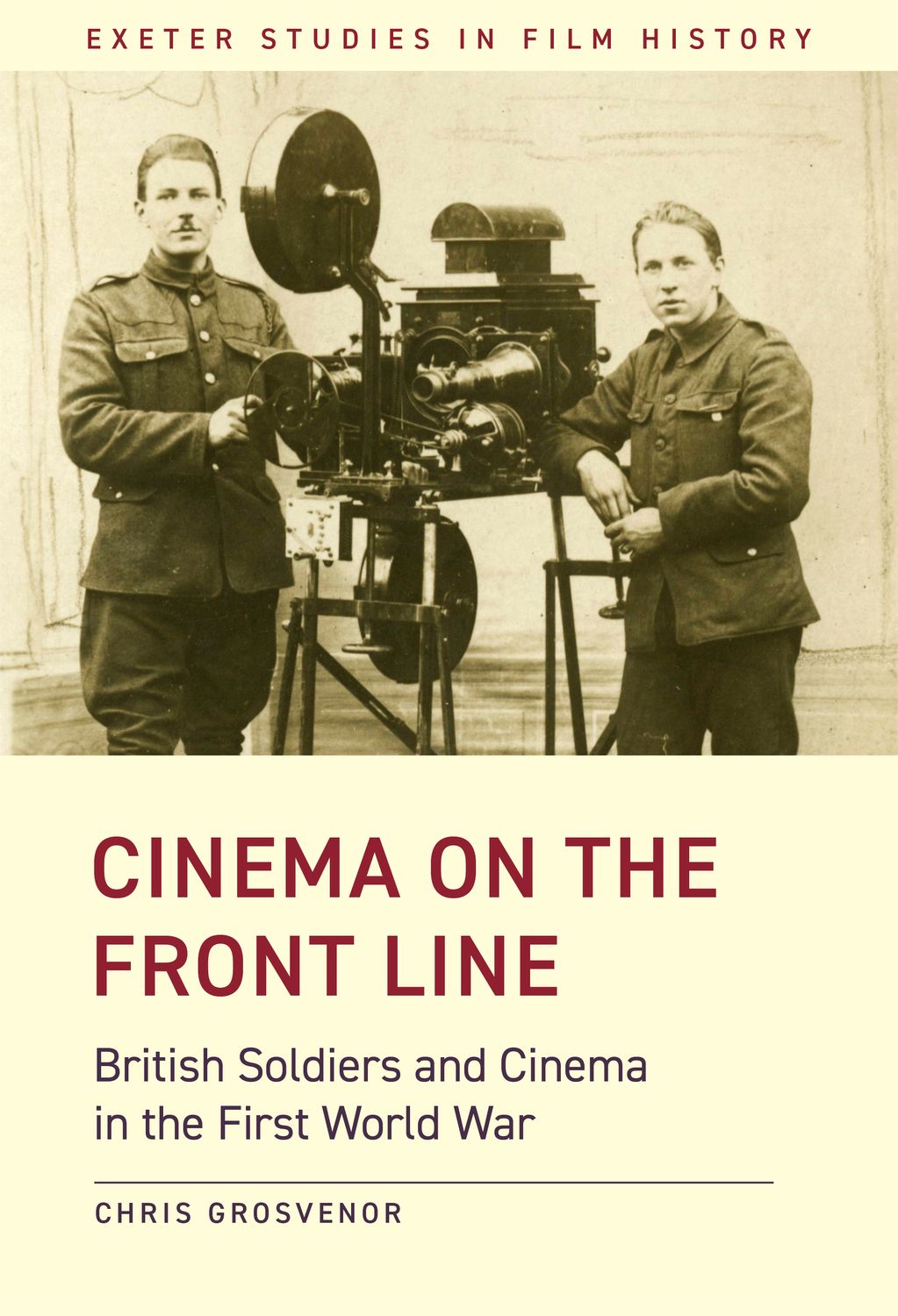
 Circulation, Use, Impact
The Consumption of Architectural Books in the Early Modern Eastern Adriatic
Volume 1

 Councils, Conflicts, Correspondence
Urban Diplomacy in Reval (Tallinn) and Lübeck (c. 1470–1570)
Volume 67


 European Drama and Performance Studies
Dramatisations politiques. Théâtre, politique et idéologie au XIXe siècle (1806-1914)
Volume 27


 Innovationes Lovanienses: Arts, Law and Theology at the University of Louvain (1425–1797)
Studium Lovaniense: Learning across Borders, 2
Volume 18

 Legal Visuality
Exegesis, Ambiguity, and Dissimulation of the Donation of Constantine in the Early Modern Period

 Modernization, Crises, Cultural Revolutions
Yugoslavia’s 1960s and 1970s through the amateur film lens

 Naples as Laboratory / Laboratorium Neapel
Style Options, Artistic Rivalry and Self Fashioning in Neapolitan Baroque Painting / Plurale Stilbildung, Kunstlerkonkurrenz und Self Fashioning in der neapolitanischen Barockmalerei


 Power and Women in Southeast and Central Europe in Late Medieval and Early Modern Period (1300-1600)
Volume 10



 Staging the Spectacle of Majesty
Ceremonial, Courtly Space, and Collecting under the Spanish Habsburgs
Volume 9
 Students, Scholars and Their Books at the University of Louvain (1425-1797)
Studium Lovaniense: Learning across Borders, 1
Volume 17


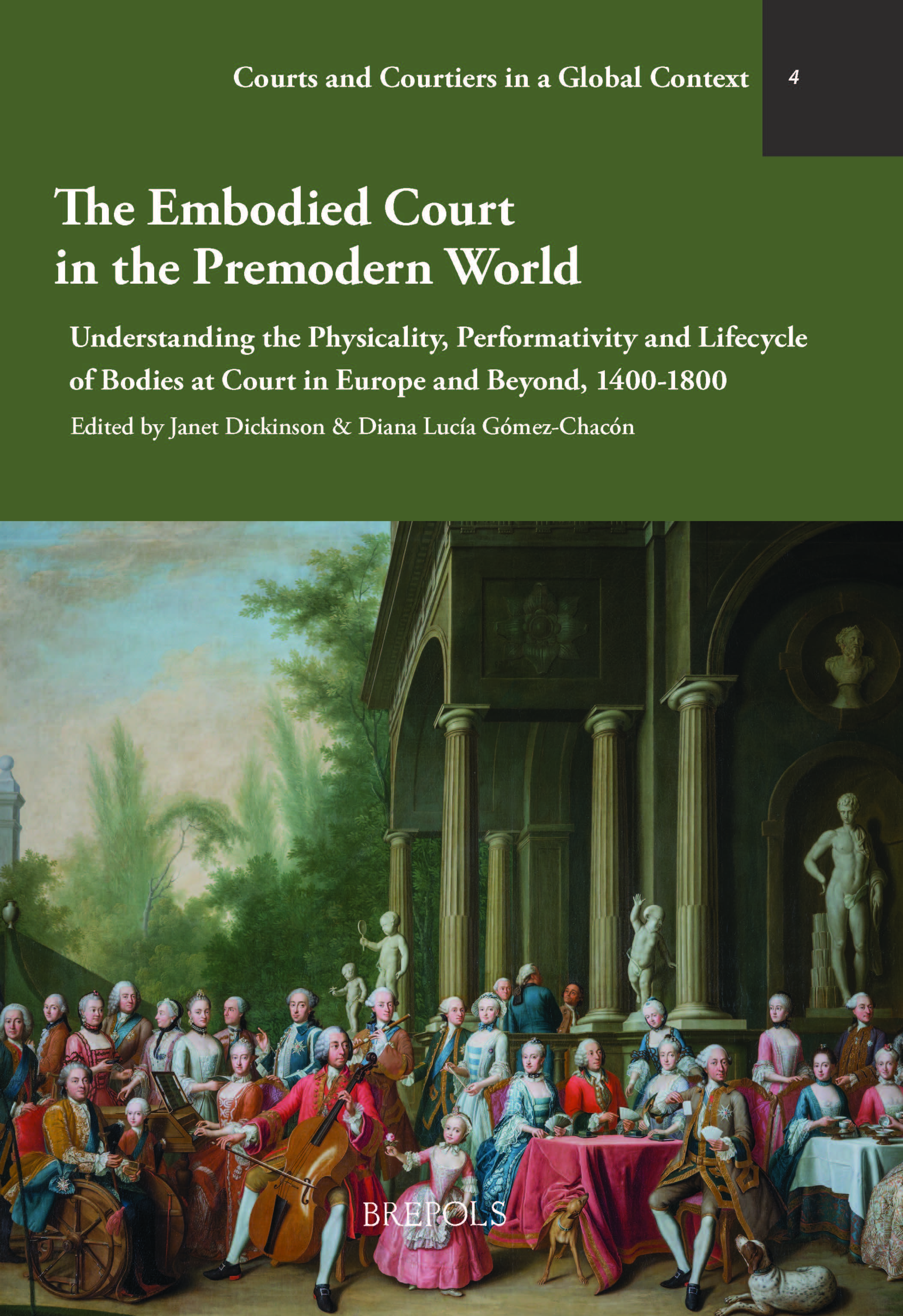 The Embodied Court in the Premodern World
Understanding the Physicality, Performativity and Lifecycle of Bodies at Court in Europe and Beyond, 1400-1800
Volume 4