
The Formation of Agricultural Governance
The Interplay between State and Civil Society in European Agriculture, 1870-1940
Edited by Jordi Planas Edited by Anton Schuurman Edited by Yves Segers

This book unravels how the agricultural sector and the rural world in Europe became more and more organised within capitalism in the years 1870-1940, and this with the aim of tackling the important challenges of the time. The focus is not so much on the myriad of individual farmers’ actions, but on the collective efforts undertaken through the interplay between the state and the agricultural civil society. A wide variety of actors, from landowners associations, farmers’ unions, cooperatives, scientific institutions and researchers to farmers themselves (or civil society) played a critical role in the process of drafting a policy agenda, developing agricultural policies and were instrumental in implementing them in close relationship with the state. The result was a metamorphosis from mobilisation and representation of agrarian interests to a form of self-government or co-government of the agricultural sector at the national level, which would only reach its highest point after the Second World War. These issues are explored by established rural historians, covering a period of seven decades (1870-1940). The papers provide a wide geographical perspective, from the north of Europe to the Mediterranean.
This book unravels how the agricultural sector and the rural world in Europe became more and more organised within capitalism in the years 1870-1940, and this with the aim of tackling the important challenges of the time. The focus is not so much on the myriad of individual farmers’ actions, but on the collective efforts undertaken through the interplay between the state and the agricultural civil society. A wide variety of actors, from landowners associations, farmers’ unions, cooperatives, scientific institutions and researchers to farmers themselves (or civil society) played a critical role in the process of drafting a policy agenda, developing agricultural policies and were instrumental in implementing them in close relationship with the state. The result was a metamorphosis from mobilisation and representation of agrarian interests to a form of self-government or co-government of the agricultural sector at the national level, which would only reach its highest point after the Second World War. These issues are explored by established rural historians, covering a period of seven decades (1870-1940). The papers provide a wide geographical perspective, from the north of Europe to the Mediterranean.
- Edited by Jordi Planas
- Edited by Anton Schuurman
- Edited by Yves Segers
Other Titles in this Series
 Inheritance Practices, Marriage Strategies and Household Formation in European Rural Societies
Volume 7

 The Golden Age of State Enquiries
Rural Enquiries in the Nineteenth Century. From Fact Gathering to Political Instrument
Volume 14


 Agrosystems and Labour Relations in European Rural Societies
(Middle Ages-Twentieth Century)
Volume 3
 Rural Societies and Environments at Risk
Ecology, Property Rights and Social Organisation in Fragile Areas (Middle Ages-Twentieth Century)
Volume 9

 Property Rights, Land Markets and Economic Growth in the European Countryside (13th-20th Centuries)
Volume 1
 From Breeding & Feeding to Medicalization
Animal farming, veterinarization and consumers in the 20th c. Western Europe
Volume 17
 Integration through Subordination
The politics of Agricultural Modernisation in Industrial Europe
Volume 8


 Agriculture in the Age of Fascism
Authoritarian Technocracy and rural modernization, 1922-1945
Volume 13

 Contexts of Property in Europe
The Social Embeddedness of Property Rights in Land in Historical Perspective
Volume 5

Similar Books


 As Messianism Turns to Heresy
The Regenstein Chair Lectures On Lurianic Kabbalah and Shabbatai Tzevi at Hebrew Union College - Cincinnati
 Beyond Sovereign Courts
Agents and Practices in Early Modern Spanish and Habsburg Diplomacy
Volume 3


 European Drama and Performance Studies
Dramatisations politiques. Théâtre, politique et idéologie au XIXe siècle (1806-1914)
Volume 27
 Food Security under Armed Conflict
Global Knowledge Landscape and Public Attention to Social, Economic, and Humanitarian Dimensions

 Innovationes Lovanienses: Arts, Law and Theology at the University of Louvain (1425–1797)
Studium Lovaniense: Learning across Borders, 2
Volume 18


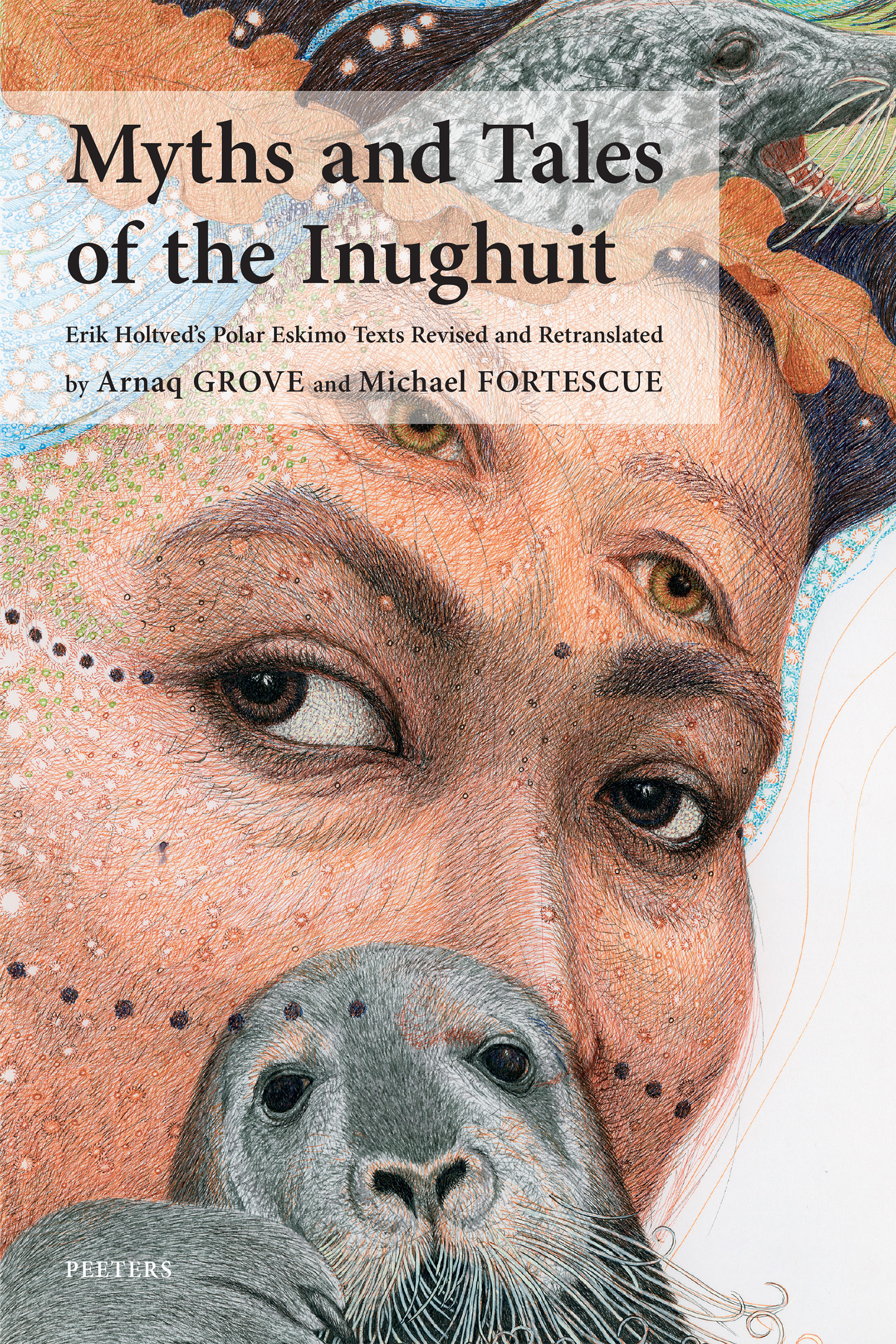 Myths and Tales of the Inughuit
Erik Holtved's Polar Eskimo Texts Revised and Re-translated into Danish and English
Volume 475, 12


 Performing Science, Mediating Knowledge
Science, Showmanship, and the Performance of Authority in the Long Nineteenth Century
Volume 21


 Students, Scholars and Their Books at the University of Louvain (1425-1797)
Studium Lovaniense: Learning across Borders, 1
Volume 17

 The Antiquarian Book-trade in Switzerland
Sir Thomas Phillipps's Acquisitions in the 1820s and their Later Dispersal
Volume 69





 Unsilencing the Archives
New Approaches to the History of Archaeological Labor in the Mandate Period Middle East
Volume 80
 “Zum Siege unserer menschenfreundlichen Prinzipien”
Ungarische Freimaurernetzwerke im „Orient“ 1886-1920
 Aporien des Geschichtsunterrichts?
Suchbewegungen im Spannungsfeld zwischen Geschichtsdidaktik und Sonderpädagogik
Volume 40