
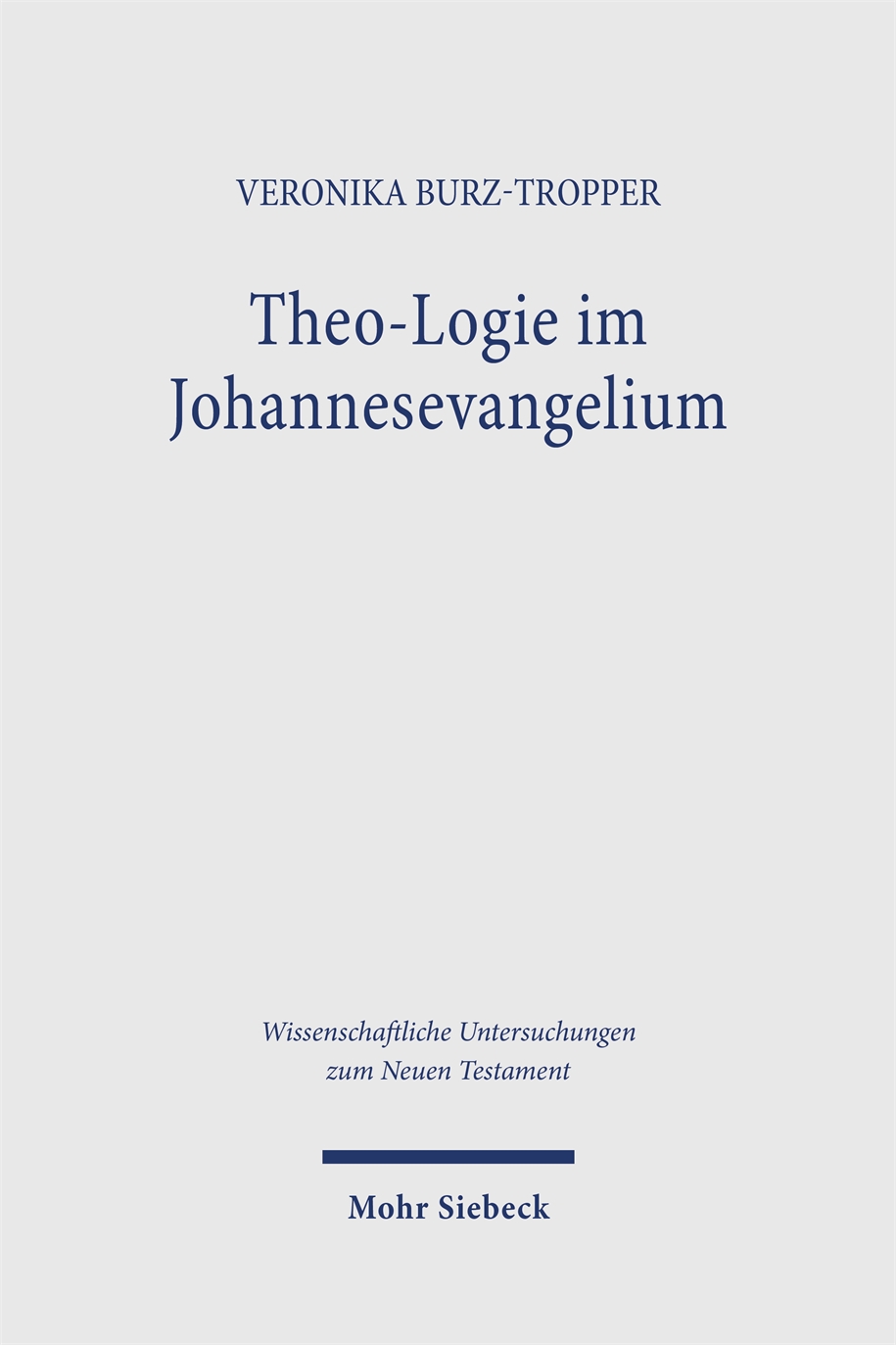
Theo-Logie im Johannesevangelium
Bausteine zu einem johanneischen Gottesbild
Hardback (Forthcoming)
(February 2027)
ISBN: 9783161705847
6.1 x 9.13 inches
Price: $210.00
The Gospel of John is usually read christologically; Veronika Burz-Tropper reads it as discourse about God. Through Jesus, the “exegete,” the God of Israel becomes tangible. This multifaceted image of God ultimately points to human life and to community in the “familia dei.”
“Theo-logy”- that is, the discourse about God in the literal sense of the word – has received relatively little attention in New Testament scholarship compared to Christology, Pneumatology, Ecclesiology, Soteriology, and Eschatology. Veronika Burz-Tropper fills this gap in the Gospel of John by developing a Johannine image of God. The starting point is John 1:18, which is understood as a programmatic reading guide: Jesus appears there as the “exegete” of the Father and thus as the authoritative source of revelation for statements about God.
On this basis, the author examines Jesus’ discourse on God in the Gospel of John. She proceeds from the thesis that the evangelist presents the God of the Old Testament as the God of Jesus and works intensively with Old Testament traditions. Central theological themes are thus identified from the perspective of the history of motifs and traditions.
The author focuses on the image of the Father, the most common image of God in the Gospel of John. Added to this are Jesus’ metaphorical “I am” statements (“Bread of Life,” “Light of the World,” “Door,” “Good Shepherd,” “Resurrection and Life,” “the Way, the Truth, and the Life”), which, in connection with statements such as “I and the Father are one” (John 10:30) and “whoever has seen me has seen the Father” (John 14:9), are interpreted as expressions of God’s revelation. These texts show that Jesus’ self-revelation ultimately points to the revelation of God.
In the Gospel of John, God’s revelation occurs exclusively in Jesus Christ as the Logos and interpreter of the Father. The goal of this revelation is human life: whoever accepts Jesus becomes part of the “familia dei” and shares in the divine love. This is reinforced by further elements of the image of God: “God is truth,” “God is Spirit,” and “God is love.”
Other Titles in this Series

 Das Menschenbild des Thomasevangeliums
Untersuchungen zu seiner religionsgeschichtlichen und chronologischen Einordnung
Volume 206
 Das Gebet im Neuen Testament
Vierte europaische orthodox-westliche Exegetenkonferenz in Sambata de Sus, 4.-8. August 2007
Volume 249


 A Narrative Theology of the New Testament
Exploring the Metanarrative of Exile and Restoration
Volume 350


 Lutherische und Neue Paulusperspektive
Beitrage zu einem Schlusselproblem der gegenwartigen exegetischen Diskussion
Volume 182
 Griechen – Byzantiner – Semiten – Muslime
Hellenistische Religionen und die west-ostliche Enthellenisierung Phanomenolgie und philologische Hauptkapitel
Volume 221

 Neues Testament und hellenistisch-jüdische Alltagskultur
Wechselseitige Wahrnehmungen. III. Internationales Symposium zum Corpus Judaeo-Hellenisticum Novi Testamenti 21.-24. Mai 2009, Leipzig
 Scripture, Interpretation, or Authority?
Motives and Arguments in Jesus' Halakic Conflicts
Volume 320


 Eine Jesus-Vita aus flavischer Zeit
Das Markusevangelium im narratologischen Vergleich mit den Biographien Plutarchs
Volume 480
 Ptolemaeus Gnosticus?
Untersuchungen zur Valentinianischen Gnosis II mit einem Kommentar zu dem Brief des Ptolemaeus an Flora und seiner Kommentierung bei Epiphanius von Salamis
Volume 512


 Christ-Believers in Ephesus
A Textual Analysis of Early Christian Identity Formation in a Local Perspective
Volume 242

 Gospel Images of Jesus Christ in Church Tradition and in Biblical Scholarship
Fifth International East-West Symposium of New Testament Scholars, Minsk, September 2 to 9, 2010
Similar Books


 Apocrypha, Magic, Liturgy
The Multiple Identities of Coptic Prayers in Late Antique and Early Islamic Egypt
 Athanasius of Alexandria, Epistula ad episcopos Aegypti et Libyae
Old Slavonic Version and English Translation
Volume 261



 Contesting Labeled Identities
The Sociology of Gentilics in Biblical and Northwest Semitic Literature

 Cyril of Alexandria’s Christological Exegesis
Explorations of Partitive Exegesis in the Dialogues on the Trinity
Volume 70


 Epiphanies of the Divine in the Septuagint and the New Testament
Fifth International Symposium of the Corpus Judaeo-Hellenisticum Novi Testamenti (CJHNT), 14-17 May 2015, Nottingham


 Extracanonical Traditions and the Holy Land
Texts, Rituals, and Material Culture in Late Antique Palestine
 From Joseph to Jesus
The Joseph Narrative as a Compositional Template from Old Greek Esther to the Gospel of Luke
Volume 125





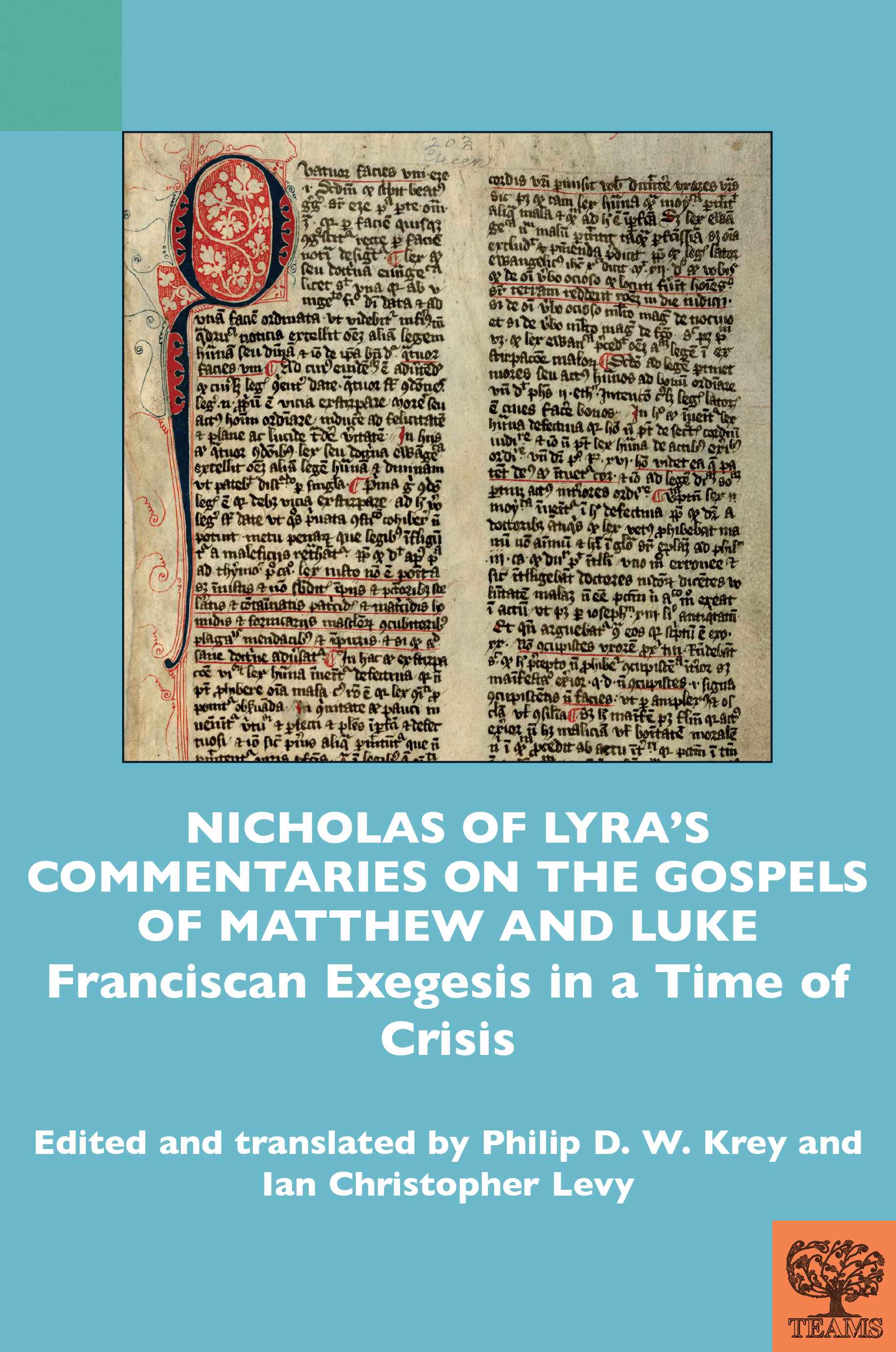 Nicholas of Lyra’s Commentaries on the Gospels of Matthew and Luke
Franciscan Exegesis in a Time of Crisis
 Paradise Lost in Transmission
The Return to Eden in the Apocalypse of Peter within Its Ethiopic and Early Christian Contexts




 Punning in Odd or Elegant Constructions in Jeremiah
The Convergence of Linguistics, Rhetoric, and Textuality in the Hebrew Text of Jeremiah
