Visualizing Emotions in the Ancient Near East
edited by Sara Kipfer

The history of emotion is an important interdisciplinary research field, not least because it touches fundamental questions about the distinction between psychobiology-based universals and socio-cultural, path-dependent and thus relative peculiarity. Conceptual incongruities between what is today understood as emotion and various views on emotions in antiquity should not distract from the fact that, while emotions do have a history, they substantially belong to all human experience as such. Visual media and images open perspectives for transcultural research that differ from the testimony of texts. Their study can thus make a major contribution to a better understanding of emotions in the Ancient Near East. How where gestures, body posture, facial expressions etc. visualized in images from Mesopotamia, the Levant and Egypt and what role does the visualization play in communicating emotions? The first part of the present volume takes concrete examples as a starting point and discusses the fundamental question whether or not emotions were represented and can thus be studied in Ancient Near Eastern art. Approaches and arguments are controversial: Some authors argue that there are no visualizations of emotions, but only cultural roles and ritual embodiments. Their view is contrasted by other contributors, who assume that one may detect non-verbal expressions hiding emotions in visual respresentations and that it is crucial to specify the appropriate tools and methodologies to interpret them in an adequate way. The second part offers five additional theoretical reflexions from comparative, linguistic and art-historical perspectives. With such a broad interdisciplinary approach including Assyriology, Egyptology, Near Eastern archaeology and Hebrew Bible/Old Testament studies, the volume offers a large panorama of the most important research positions on a fundamental topic.Contributors include John Baines, Dominik Bonatz, Izak Cornelius, Margaret Jaques, Othmar Keel, Sara Kipfer, Florian Lippke, Silvia Schroer, Andreas Wagner, Elisabeth Wagner-Durand, and Wolfgang Zwickel.
Dr. Sara Kipfer is an SNSF-funded fellow at the universities of Chicago and Heidelberg. Her research focuses on reception-historical exegesis, biblical anthropology and prophecy.
- Edited by Sara Kipfer
Other Titles in this Series

 Images of Anonymous Women
A Semiotic Approach to Image-Text Relations in Interpretation of Ancient Near Eastern Art and the Hebrew Bible
Volume 310
 Wortschöpfung
Die Memphitische Theologie und die Siegesstele des Pije – zwei Zeugen kultureller Repräsentation in der 25. Dynastie
 Tabou et transgressions
Actes du colloque organisé par le Collège de France, Paris, les 11-12 avril 2012
 La Septante en Allemagne et en France/Septuaginta Deutsch und Bible d’Alexandrie
Textes de la Septante à traduction double ou à traduction très littérale/Texte der Septuaginta in Doppelüberlieferung oder in wörtlicher Übersetzung
 ‘Trinkt von dem Wein, den ich mischte!’ ‘Drink of the Wine which I have Mingled!’
Festschrift für Silvia Schroer zum 65. Geburtstag
Volume 303


 La Samarie, la Diaspora et l’achèvement de la Torah
Territorialités et internationalités dans l’Hexateuque

 The Hebrew Bible/Old Testament and Scribal Scholarship in Antiquity
Studies in Honor of Arie van der Kooij on the Occasion of his Eightieth Birthday
Volume 306

 The Text of Leviticus
Proceedings of the Third International Colloquium of the Dominique Barthelemy Institute, held in Fribourg (October 2015)
Volume 292


 Entre dieux et hommes : anges, démons et autres figures intermédiaires
Actes du colloque organisé par le Collège de France, Paris, les 19 et 20 mai 2014
 Bilder als Quellen – Images as Sources
Studies on ancient Near Eastern artefacts and the Bible inspired by the work of Othmar Keel

 Le Décalogue et l’histoire du texte
Etudes des formes textuelles du Décalogue et leurs implications dans l’histoire du texte de l’Ancien Testament
 Divine Names on the Spot
Towards a Dynamic Approach of Divine Denominations in Greek andSemitic Contexts
Volume 293
 Le jeune héros
Recherches sur la formation et la diffusion d’un thème littéraire au Proche-Orient ancien
 »Kultprostitution« im Alten Testament?
Die Qedeschen der Hebräischen Bibel und das Motiv der Hurerei

 Die Selbstbehauptung Israels in der Welt des Alten Orients
Religionsgeschichtlicher Vergleich anhand von Gen 15/22/28, dem Aufenthalt Israels in Ägypten, 2. Sam 7, 1.Kön 19 und Psalm 104
Similar Books






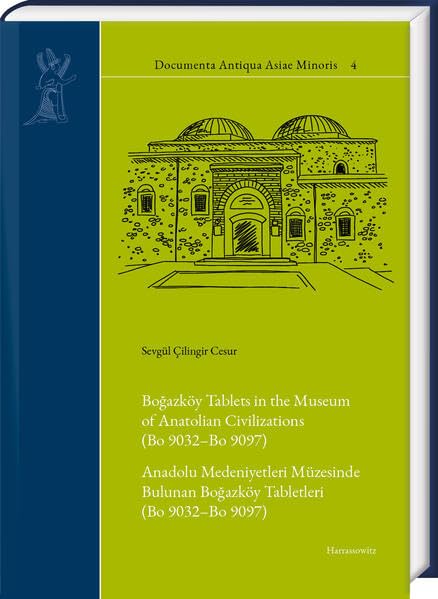 Boğazköy Tablets in the Museum of Anatolian Civilizations (Bo 9032–Bo 9097)
Anadolu Medeniyetleri Müzesinde Bulunan Boğazköy Tabletleri (Bo 9032–Bo 9097)
Volume 4
 Connecting the Dots: Counting, Writing, and the Beginnings of Civilization
The Secret Lives of Clay Tokens: A Memoir

 Curating the Prehistoric Past
Studies on West Asian Archaeology and Beyond in Honour of Yoshihiro Nishiaki


 Exploring Gender Dynamics across the Ancient Near East
Collected Essays of Gender and Methodology in the Ancient Near East (GeMANE) 4 and 5
Volume 7


 Ḫattušaš utnē išḫameški
Hittite and Other Ancient Near Eastern Studies Presented to Piotr Taracha on the Occasion of His 65th Birthday






 Kultur – Kontakt – Kultur
Beiträge anlässlich der 66. Rencontre Assyriologique Internationale in Frankfurt/Main und Mainz, 25.–29. Juli 2022
Volume 35

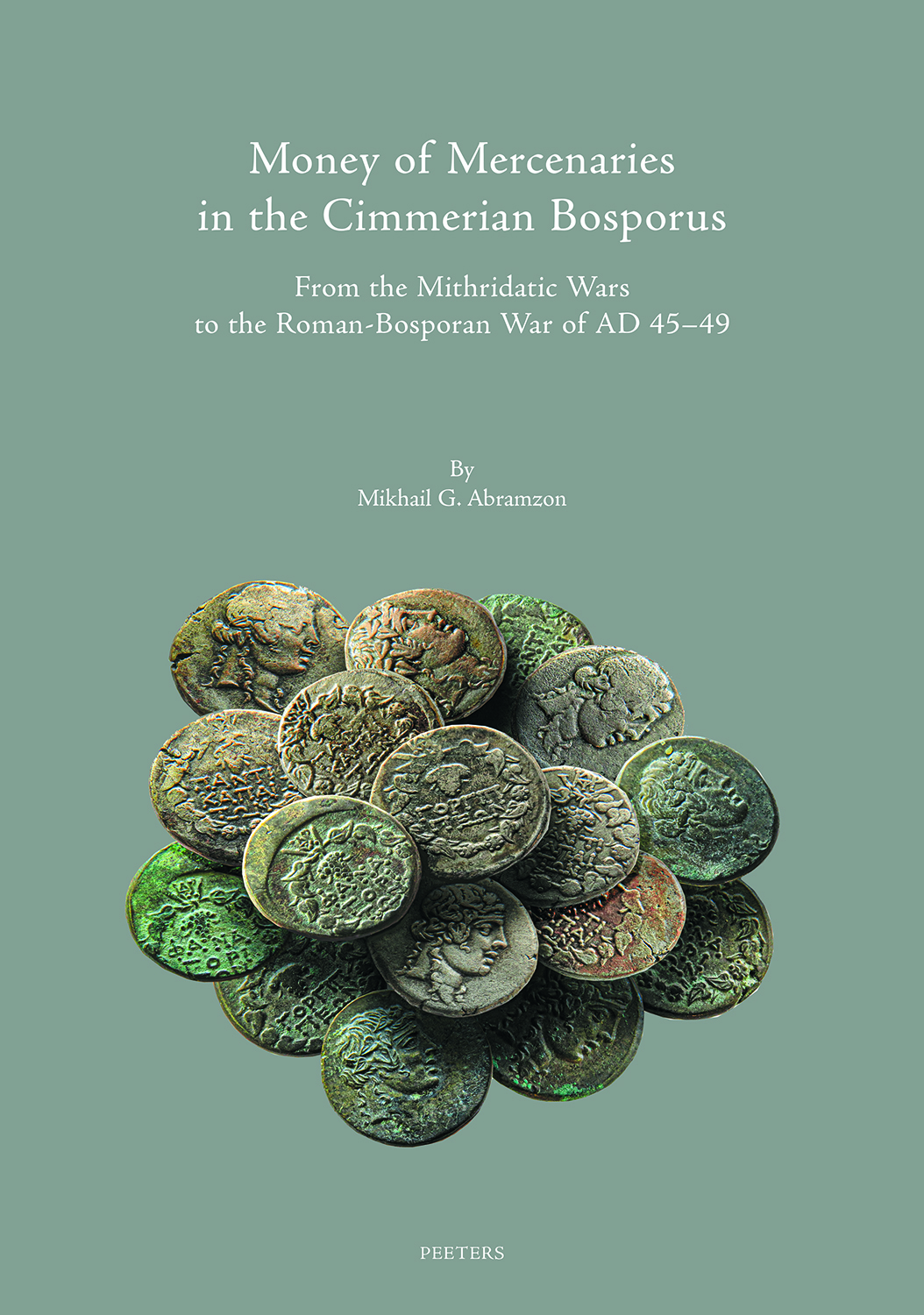 Money of Mercenaries in the Cimmerian Bosporus
From the Mithridatic Wars to the Roman-Bosporan War of AD 45-49
Volume 45


 New Research on Old Collections in Southwest Asian Archaeology
Proceedings of the Workshop Held at the British Museum, London, 31 July – 2 August, 2023
 Old Aramaic Inscriptions and their Contexts
An Epigraphic, Archaeological, and Historical Synthesis
Volume 63

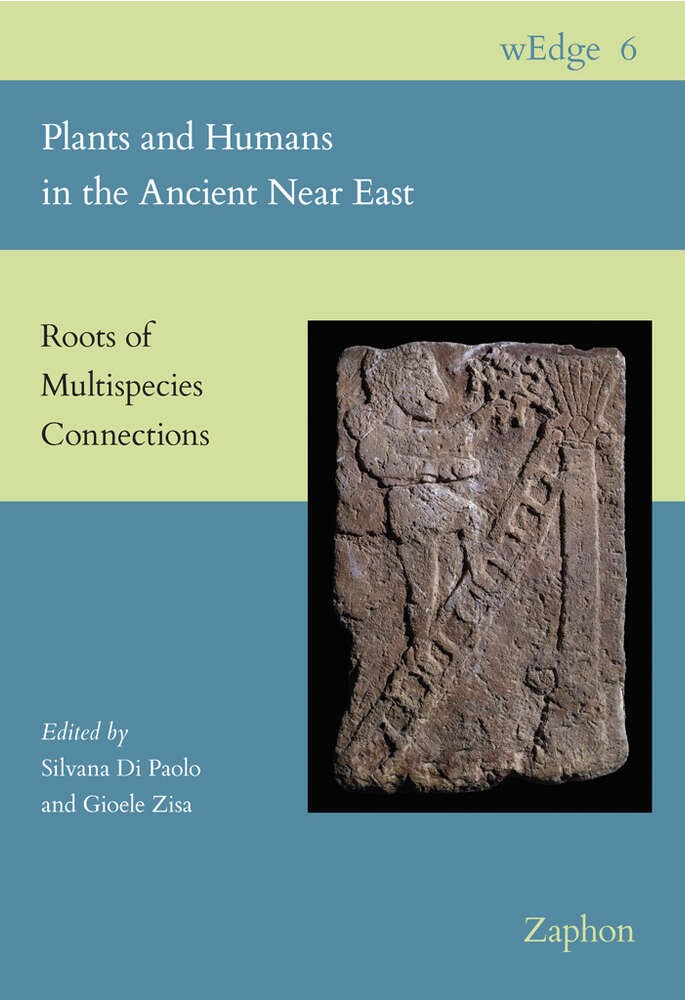
 Politics, Peoples, and Polities in the Ancient Near East
Proceedings of the 69th Rencontre Assyriologique Internationale, Helsinki
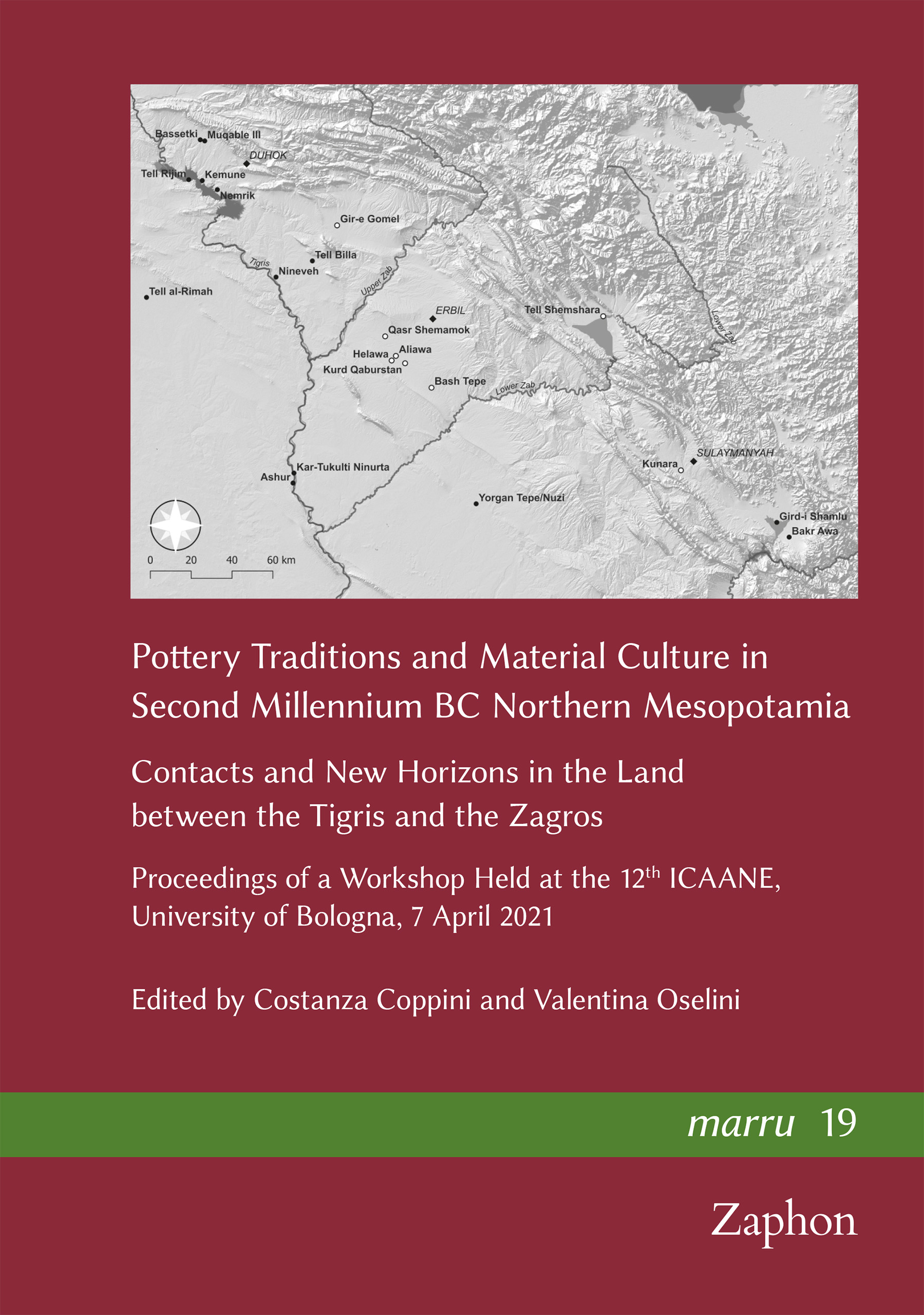 Pottery Traditions and Material Culture in Second Millennium BC Northern Mesopotamia
Contacts and New Horizons in the Land between the Tigris and the Zagros. Proceedings of a Workshop Held at the 12th ICAANE, University of Bologna, 7 April 2021
Volume 19