
Oedipe et le Chérubin
Les sphinx levantins, cypriotes et grecs comme gardiens d´Immortalité
By (author) Thierry Petit

Thierry Petit explores the iconographical and functional filiation between the Near-Eastern kerub and the Cypriot and Greek sphinxes.
This study explores the iconographical and functional filiation between the Near-Eastern kerub and the Cypriot and Greek sphinxes. In biblical texts as well as in Near Eastern iconography, the sphinx guarded the Tree of Life, a metaphor for the Afterlife. The tutelary deity – most often a goddess, except in the kingdom of Judah – guaranteed survival in the afterlife, especially to the (God-)King. This was also the case in Cyprus, where contextual analysis shows that the Great Goddess played a similar role with regards to local dynasties. In both cases, the sphinx assisted the deity, and ensured passage toward the Tree of Life – or, in certain cases, denied access to it. Beginning with the well-known scene on the Vatican cup, analysis of the different forms taken by the creature in Greece (where it acquired the name “sphinx”) shows that it had the same function. This was so both in vase painting, where it appeared most often in the “heraldic” position, and in statuary, as the upper part of funerary steles or seated on top of columns. In the latter cases, the volutes or palmettes placed immeditately below were a synecdoche (pars pro toto) for the Tree of Life. The same conclusion can be drawn from the “Oedipean” scenes (one or several men facing the sphinx). Often found in funerary contexts, these representations actually had an eschatological meaning. Evidence shows that these beliefs were transmitted from the Near East (including Egypt) to the Aegean, where they were particularly introduced in “Orphic” and Dionysian contexts.
- By (author) Thierry Petit
Other Titles in this Series


 Représenter dieux et hommes dans le Proche-Orient ancien et dans la Bible
Actes du colloque organisé par le Collège de France, Paris, les 5 et 6 mai 2015
Volume 287
 Formen für ägyptische Fayencen aus Qantir Band II
Katalog der Sammlung des Franciscan Biblical Museum, Jerusalem und zweier Privatsammlungen

 Anfänge der ägyptischen Kunst
Eine problemgeschichtliche Einführung in ägyptologische Bild-Anthropologie



 L’Ecrit et l’Esprit
Etudes d’Histoire du texte et de théologie biblique en hommage à Adrian Schenker
 Eine königliche Weisheitslehre?
Exegetische Analyse von Sprüche 28-29 und Vergleich mit den ägyptischen Lehren Merikaras und Amenemhats

 What Is Stronger than a Lion?
Leonine Image and Metaphor in the Hebrew Bible and the Ancient Near East

 Architecture, Iconography, and Text
New Studies on the Northwest Palace Reliefs of Ashurnasirpal II
Volume 301
 Goddesses in Context
On Divine Powers, Roles, Relationships and Gender in Mesopotamian Textual and Visual Sources
 The Awakening of Osiris and the Transit of the Solar Barques
Royal Apotheosis in a Most Concise Book of the Underworld and Sky
 From Most Ancient Sources
The Nature and Text-Critical Use of the Greek Old Testament Text of the Complutensian Polyglot Bible
 When Gods Speak to Men
Divine Speech according to Textual Sources in the Ancient Mediterranean Basin
Volume 289

 Les fluides corporels en Égypte et au Proche-Orient anciens
Actes du colloque organisé à l'Université Paul-Valéry, Montpellier, 5-7 septembre 2019
Volume 309
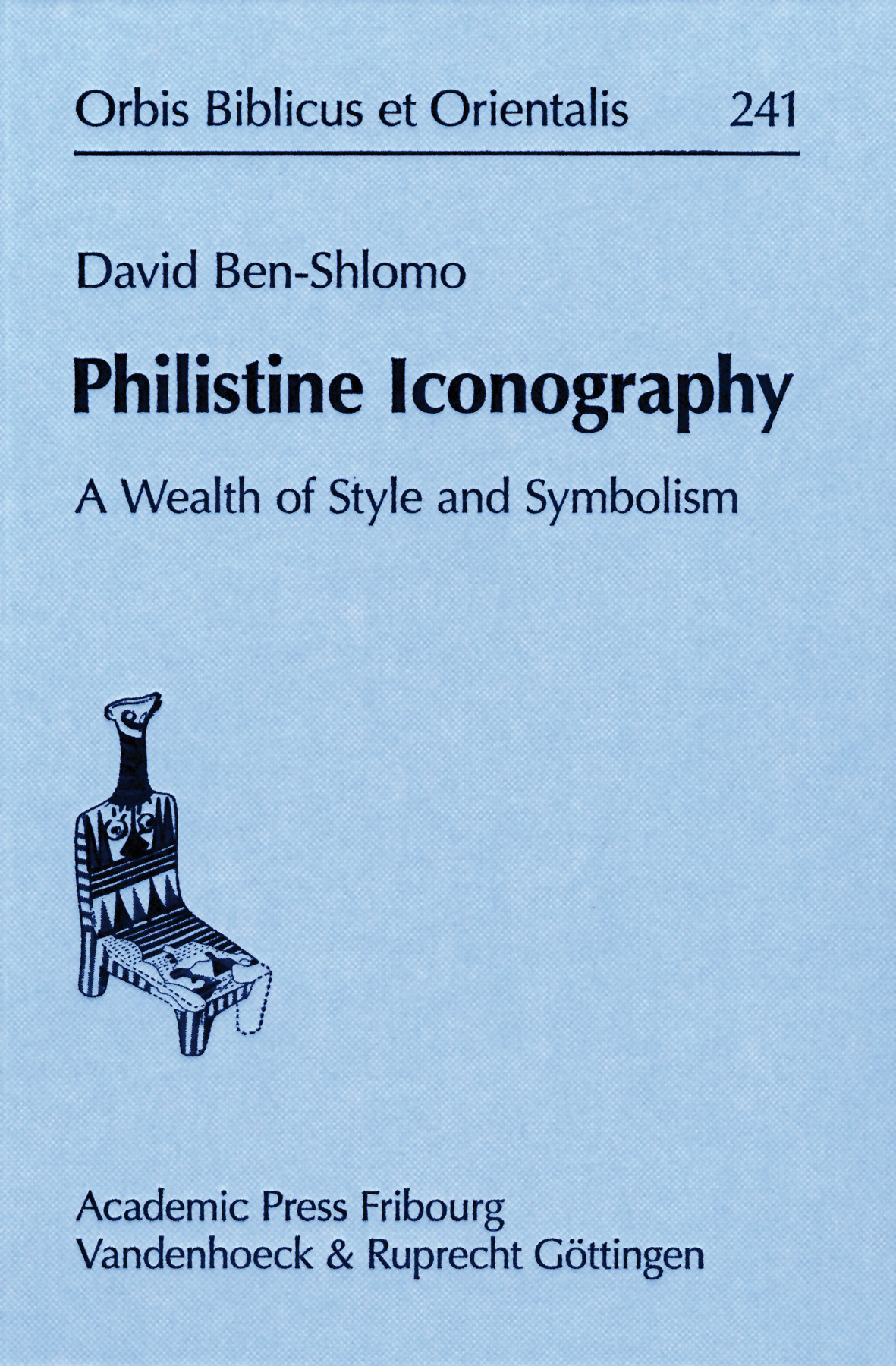
 Göttliche Körper – Göttliche Gefühle
Was leisten anthropomorphe und anthropopathische Götterkonzepte im Alten Orient und Alten Testament?

 Divine Names on the Spot II
Exploring the Potentials of Names through Images and Narratives
Volume 299
 Comment devient-on prophète?
Actes du colloque organisé par le Collège de France, Paris, les 4-5 avril 2011
Similar Books






 Boğazköy Tablets in the Museum of Anatolian Civilizations (Bo 9032–Bo 9097)
Anadolu Medeniyetleri Müzesinde Bulunan Boğazköy Tabletleri (Bo 9032–Bo 9097)
Volume 4
 Caesar’s Visions and Impact on the Roman Empire
Revisiting the Archaeological and Historical Record of the 40s BC
Volume 2

 Connecting the Dots: Counting, Writing, and the Beginnings of Civilization
The Secret Lives of Clay Tokens: A Memoir
 Construction Processes in Historical Western Societies (5th c. BC – 10th c. AD)
Case Studies on Techniques, Models, and Costs

 Curating the Prehistoric Past
Studies on West Asian Archaeology and Beyond in Honour of Yoshihiro Nishiaki


 Etruscan and Roman Hellenistic Anatomical ex votos
Reassessing Popular Religious Expressions in Central Italy
Volume 8

 Exploring Gender Dynamics across the Ancient Near East
Collected Essays of Gender and Methodology in the Ancient Near East (GeMANE) 4 and 5
Volume 7




 Ḫattušaš utnē išḫameški
Hittite and Other Ancient Near Eastern Studies Presented to Piotr Taracha on the Occasion of His 65th Birthday




 Invisible Labour in Antiquity
Visualizing Obscure Work in the Ancient Mediterannean and West Asia
Volume 1


 Kultur – Kontakt – Kultur
Beiträge anlässlich der 66. Rencontre Assyriologique Internationale in Frankfurt/Main und Mainz, 25.–29. Juli 2022
Volume 35
 Late Antique villae in the Balkans (3rd–7th c. AD): Current Research Questions and Perspectives
HAEMUS Companion to the Late Antique Balkans 1
Volume 4


 Money of Mercenaries in the Cimmerian Bosporus
From the Mithridatic Wars to the Roman-Bosporan War of AD 45-49
Volume 45