
The Politics of Memory and Identity in Carolingian Royal Diplomas
The West Frankish Kingdom (840-987)
By (author) Geoffrey Koziol

Based upon a ‘performative’ interpretation of royal charters, The Politics of Memory and Identity offers a new and surprising narrative of West Frankish history from the death of Louis the Pious in 840 to the demise of the Carolingian dynasty in 987. The key is a carefully contextualised analysis of the circumstances in which kings issued charters and an alert examination of the charters’ verbal and visual semiotics. For which monasteries and cathedrals did kings issue diplomas and under what conditions? Who were the patrons who interceded for the recipients of diplomas and what titles were they given? Which kings were named as predecessors and which were omitted? Such clues allow us to recover the meaning of events whose significance was concealed by chroniclers, and to find unsuspected continuities in 150 years of West Frankish politics. They allow us to see a ruthless exercise of power in the use of forgeries and a commitment to political reform in the reform of monasteries. They reveal the long shadow cast by the reign of Charles the Bald in West Frankish history and the importance of a handful of monasteries as ‘sites of memory’. Above all, an intertextual reading of diplomas shows that political leaders in the kingdom made decisions based on policy, where the policy was articulated in terms of lessons drawn from their understanding of the past, and diplomas were the records that conveyed the lessons.
Based upon a ‘performative’ interpretation of royal charters, The Politics of Memory and Identity offers a new and surprising narrative of West Frankish history from the death of Louis the Pious in 840 to the demise of the Carolingian dynasty in 987. The key is a carefully contextualised analysis of the circumstances in which kings issued charters and an alert examination of the charters’ verbal and visual semiotics. For which monasteries and cathedrals did kings issue diplomas and under what conditions? Who were the patrons who interceded for the recipients of diplomas and what titles were they given? Which kings were named as predecessors and which were omitted? Such clues allow us to recover the meaning of events whose significance was concealed by chroniclers, and to find unsuspected continuities in 150 years of West Frankish politics. They allow us to see a ruthless exercise of power in the use of forgeries and a commitment to political reform in the reform of monasteries. They reveal the long shadow cast by the reign of Charles the Bald in West Frankish history and the importance of a handful of monasteries as ‘sites of memory’. Above all, an intertextual reading of diplomas shows that political leaders in the kingdom made decisions based on policy, where the policy was articulated in terms of lessons drawn from their understanding of the past, and diplomas were the records that conveyed the lessons.
- By (author) Geoffrey Koziol
Other Titles in this Series


 Accounts and Accountability in Late Medieval Europe
Records, Procedures, and Socio-Political Impact
Volume 50
 Cultures of Religious Reading in the Late Middle Ages
Instructing the Soul, Feeding the Spirit, and Awakening the Passion
Volume 25


 Digital Philology and Quantitative Criticism of Medieval Literature
Unconventional Approaches to Medieval Latin Literature II
Volume 49
 Transforming the Medieval World
Uses of Pragmatic Literacy in the Middle Ages (A CD-ROM and Book)
Volume 6

 Spoken and Written Language
Relations between Latin and the Vernacular Languages in the Earlier Middle Ages
Volume 24

 Epigraphic Literacy and Christian Identity
Modes of Written Discourse in the Newly Christian European North
Volume 4


 Ruling the Script in the Middle Ages
Formal Aspects of Written Communication (Books, Charters, and Inscriptions)
Volume 35

 Diplomatics in the Netherlands
The Use, Editing, and Study of Charters by Dutch Historians from the Middle Ages to the Present
Volume 63


 Sins of the Tongue in the Medieval West
Sinful, Unethical, and Criminal Words in Middle Dutch (1300-1550)
Volume 36


 Strategies of Writing
Studies on Text and Trust in the Middle Ages: Papers from Trust in Writing in the Middle Ages (Utrecht, 28-29 November 2002)
Volume 13


Similar Books
 A Collaborative Tapestry in Honour of Shirley Ann Brown / Une fresque brodée en l’honneur de Shirley Ann Brown
The Bayeux Tapestry Seen by her Colleagues and Friends / La Tapisserie de Bayeux vue par ses collègues et amis
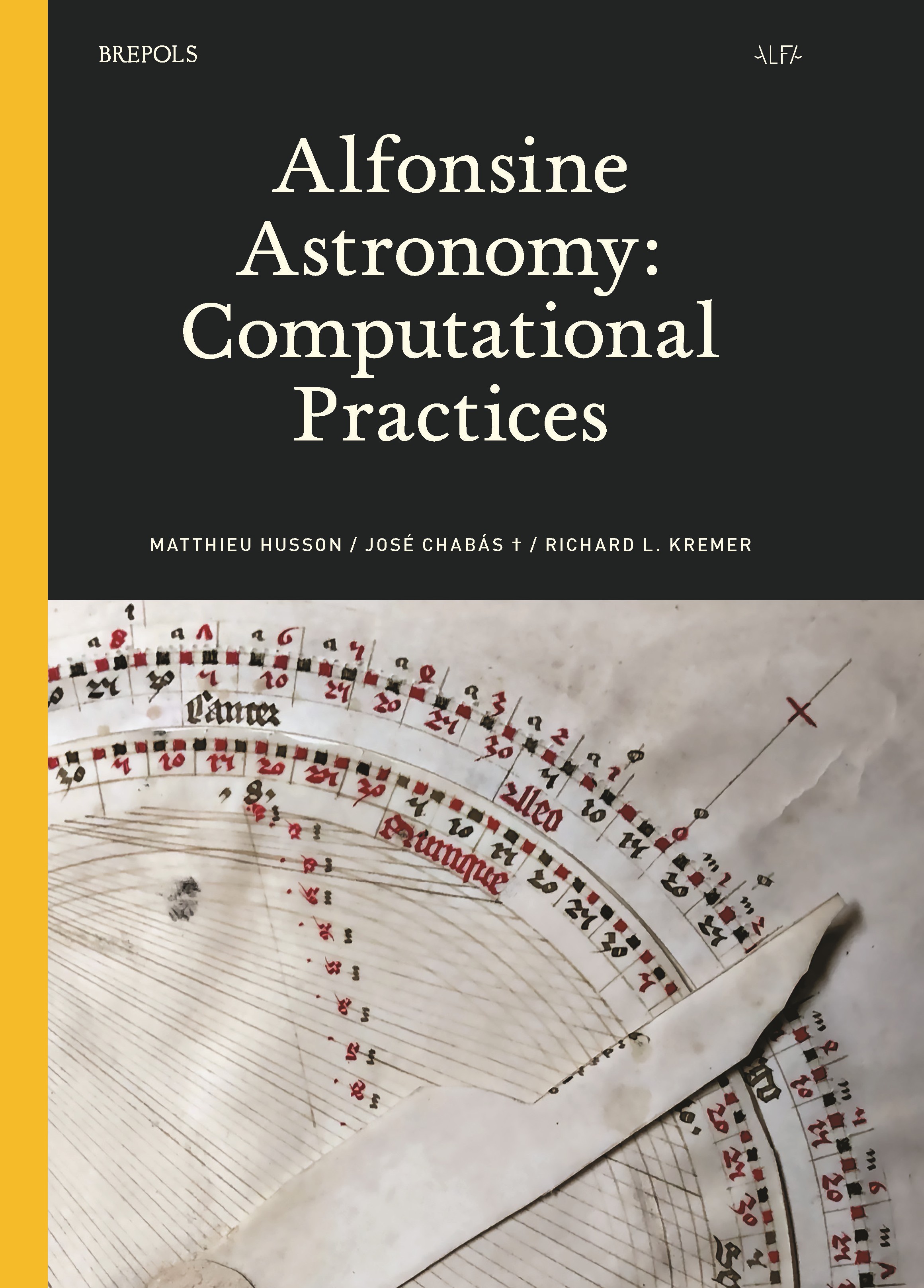
 Behind the Scenes of Medieval Roofs
An Overview of the Roofing Systems of Italian Churches
Volume 90


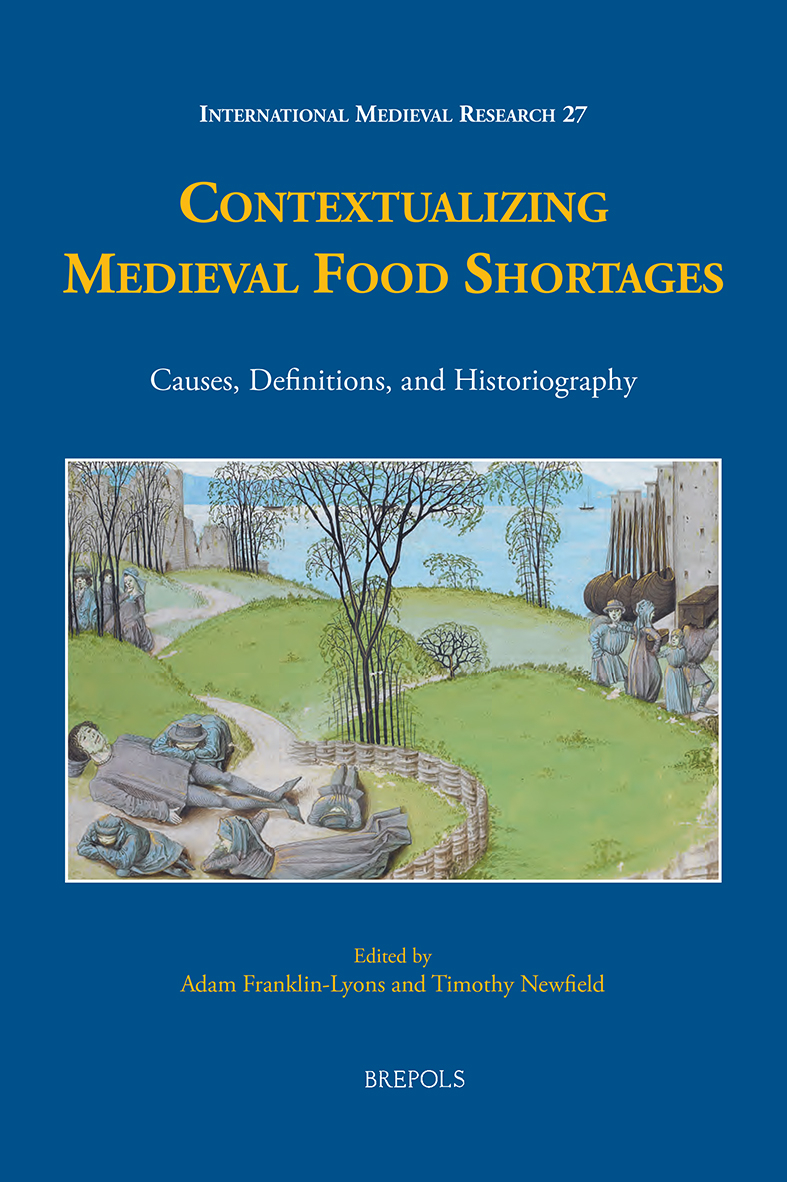


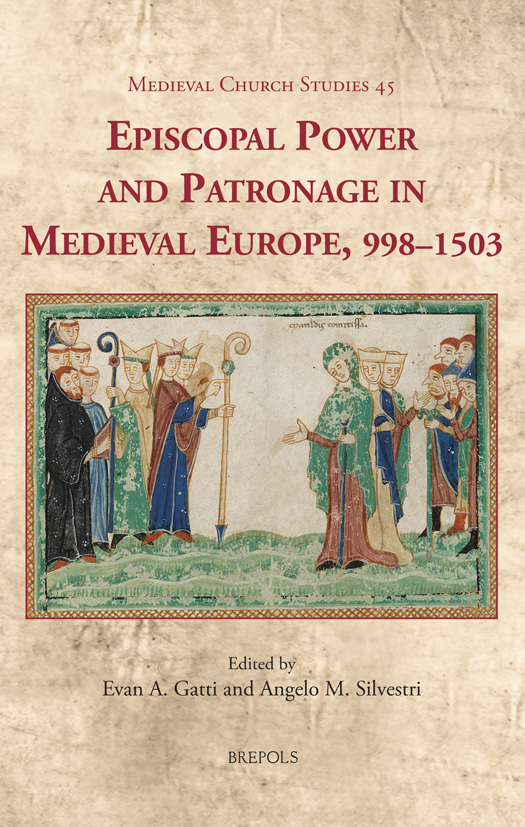


 Innovation and Medieval Communities
The Circulation of Ideas and Practices in and out of the Town (1200-1500)
Volume 63
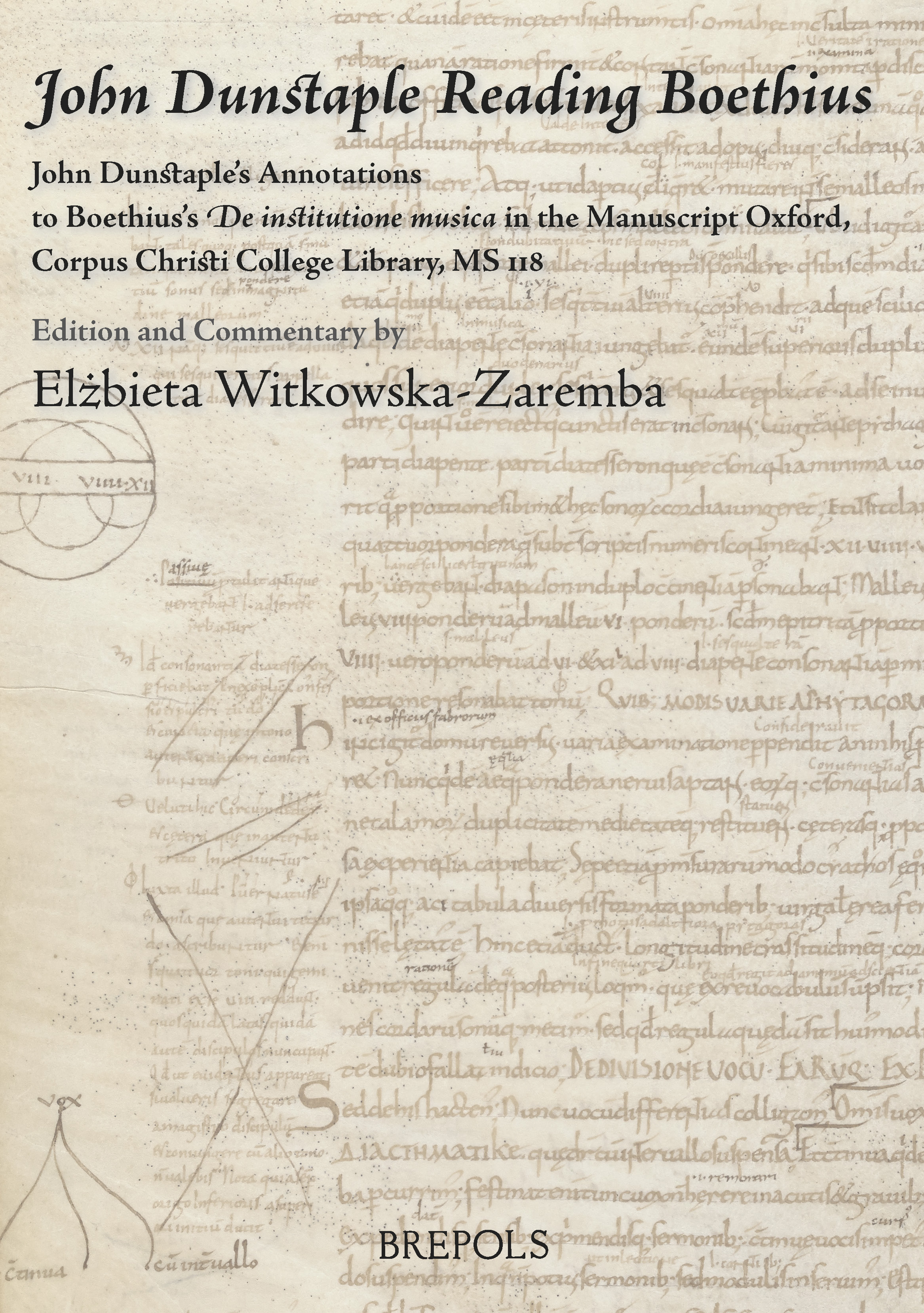 John Dunstaple Reading Boethius
John Dunstaple’s Annotations to Boethius’s “De institutione musica” in the Manuscript Oxford, Corpus Christi College Library, MS 118
 Linguistic and Cultural Dynamics in a Frontier Society
New Perspectives on Northeastern Bavaria and Western Bohemia in the Early Middle Ages
Volume 9
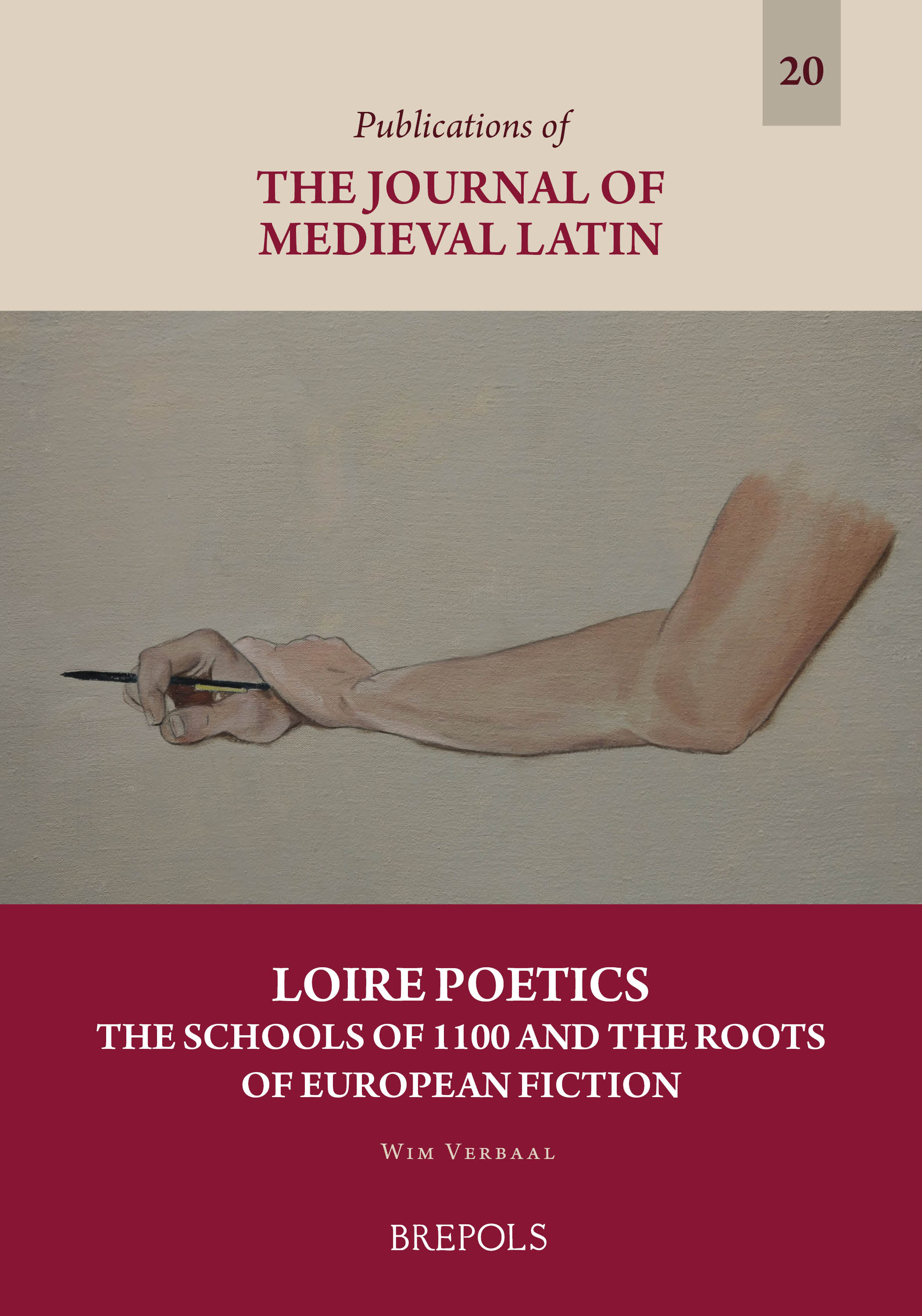
 Medieval Debates on Foreknowledge: Future Contingents, Prophecy, and Divination
Acts of the XXVII Annual Colloquium of the SIEPM, Trento 12-15 September 2023
Volume 31
 Medieval Yeghegis, Armenia
History, Archaeology, Society. Local Multiplicities and Global Connections of a Rural Centre on the Silk Road(s)
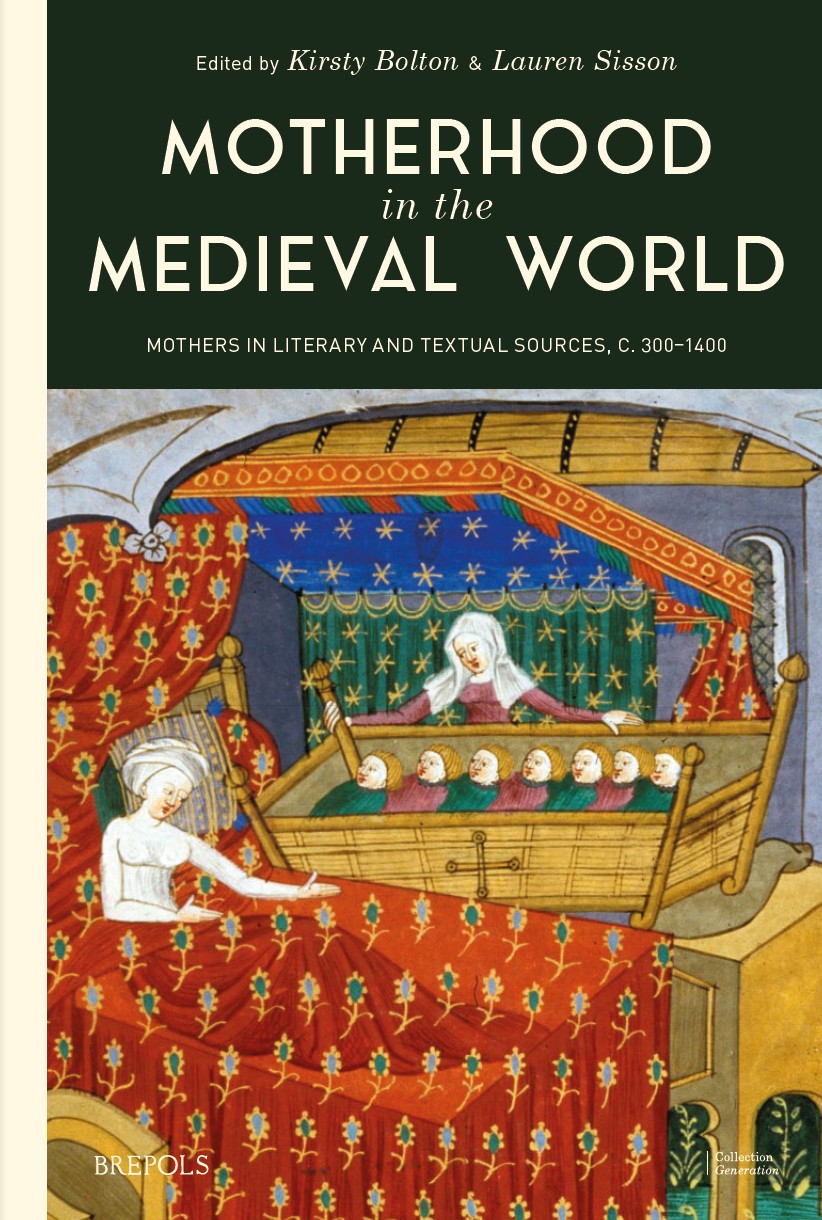
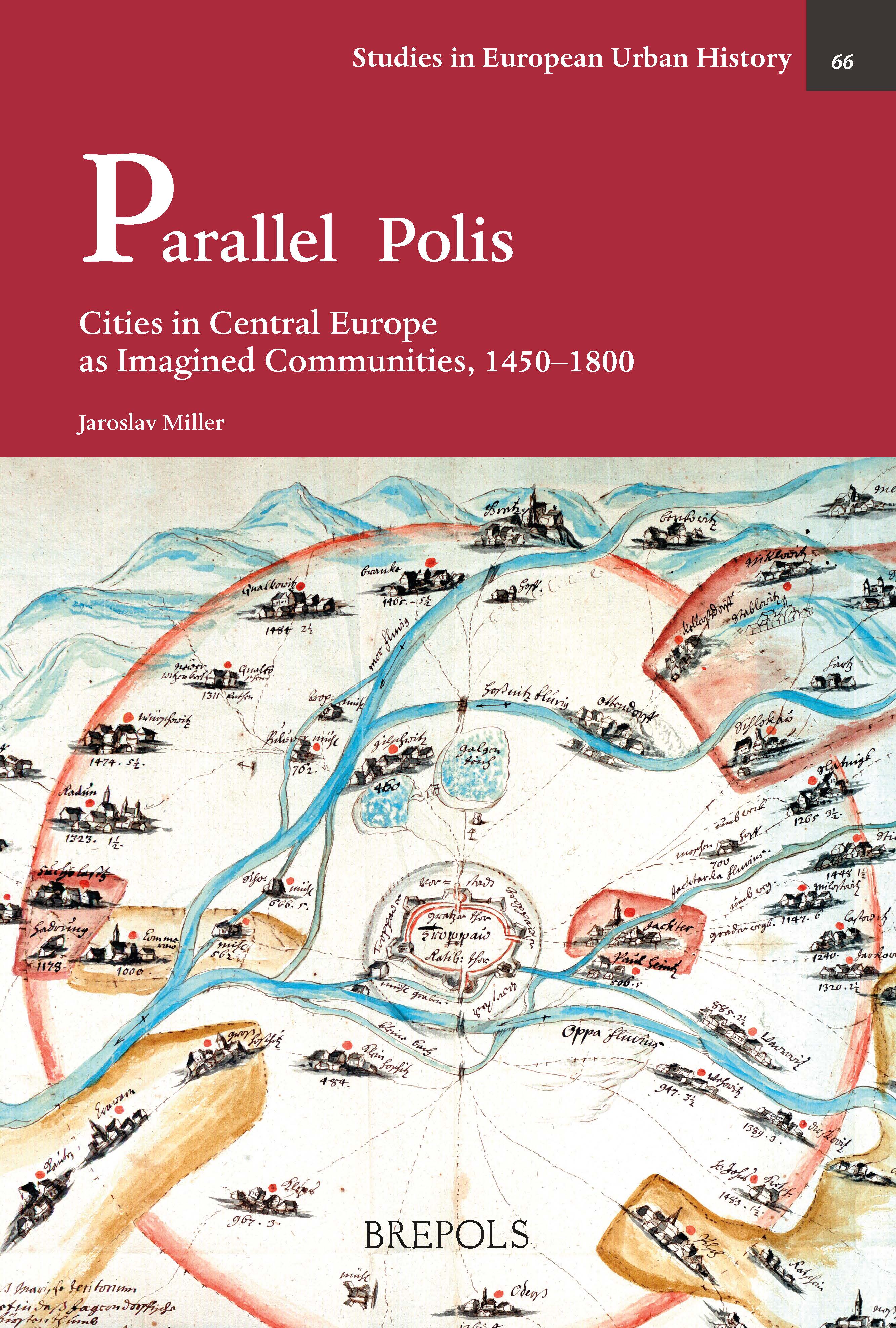


 Power and Women in Southeast and Central Europe in Late Medieval and Early Modern Period (1300-1600)
Volume 10

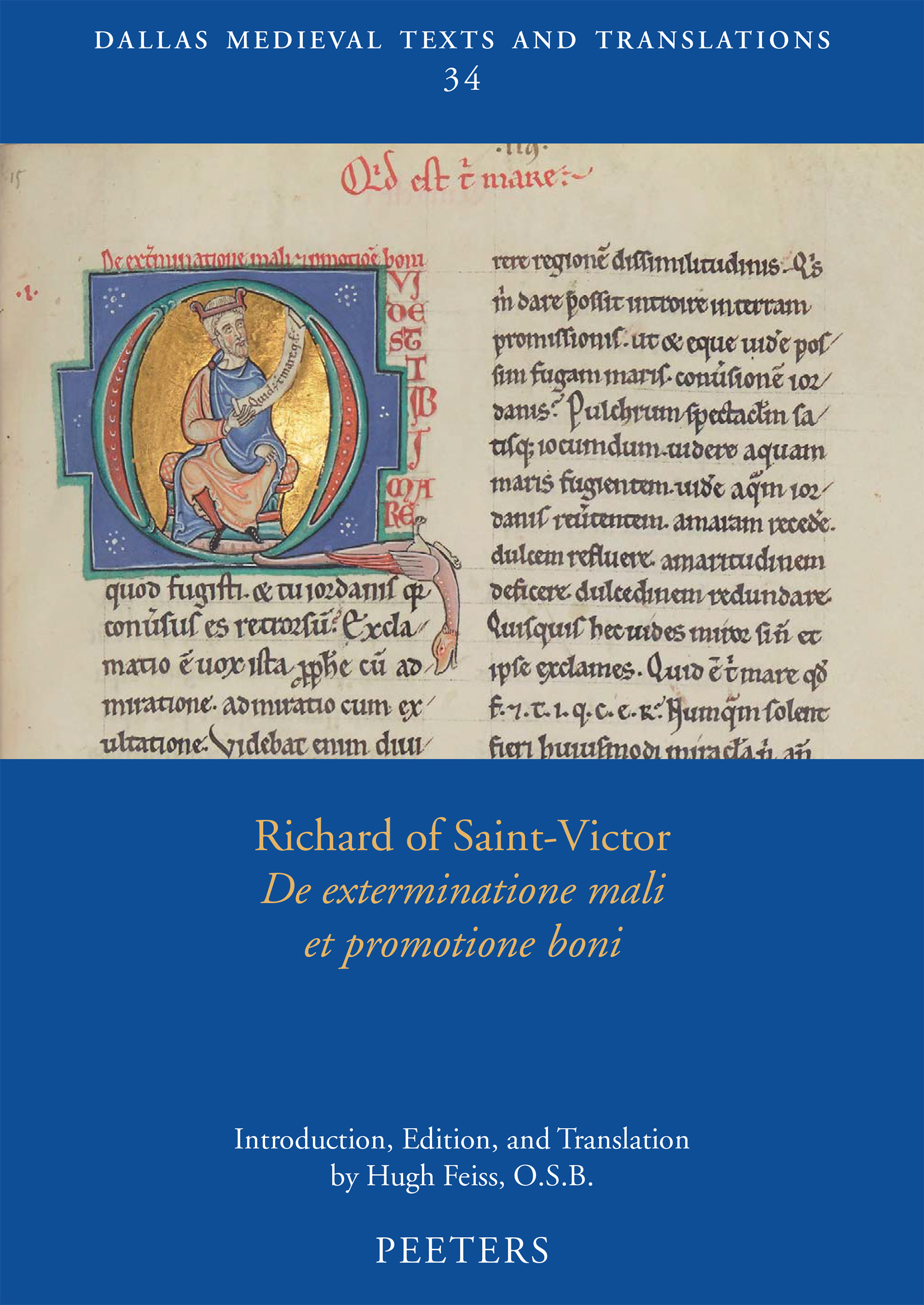

 The Anglo-Norman Bible’s Books of Kings, a Critical Edition
(BL Royal 1 C III, fols 234r-274v)
Volume 37


 The Embodied Court in the Premodern World
Understanding the Physicality, Performativity and Lifecycle of Bodies at Court in Europe and Beyond, 1400-1800
Volume 4


