
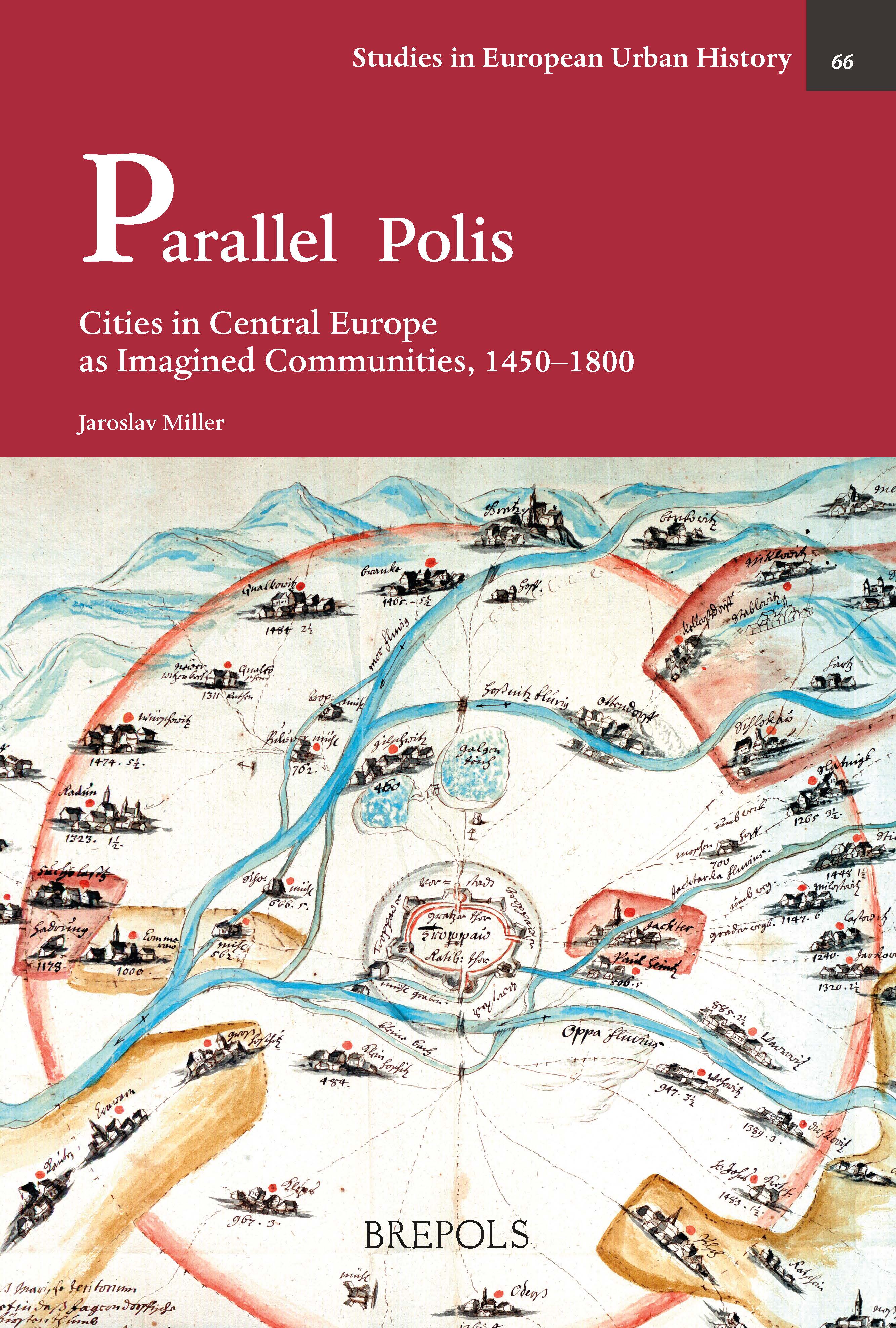
Parallel Polis
Cities in Central Europe as Imagined Communities, 1450–1800
By (author) Jaroslav Miller
Hardback (Published)
(May 2026)
ISBN: 9782503614397
7.01 x 10 inches
Price: $87.00
In stock
An interdisciplinary book uniquely combining methods and concepts of history, sociology and literary science. The monograph explores the normative idea of a premodern city as it should be, namely as the ideal(ized) community, politically autonomous entity based upon republican values with its own mythology and also as a strictly symmetrical place being the distinctive feature of the rational human civilisation. Though expressed in numerous urban rituals, symbolical acts, public festivities and urban architecture, the normative concept of the city was above all embedded in written and printed sources. The book‘s findings are based upon a spectrum of narrative sources involving urban chronicles, political treatises, panegyrics, family memoirs, descriptions of cities, instructions summarizing principles of good governance, and also the literary genre of utopia. All of them referred to the normative image of a premodern urban community by highlighting the idealized and therefore largely imagined principles of urban republicanism. By covering the period 1450–1800, the monograph explores also the gradual collapse of idealized premodern communities and the rise of modern urban societies. Geographically, research has focused upon cities and towns in peripheries that have been traditionally ignored by the mainstream urban history. The largely “unknown urban Europe“ comprises the Bohemian Lands, Polish-Lithuania and Hungary with significant overlaps to German Lands and Austria.
An interdisciplinary book uniquely combining methods and concepts of history, sociology and literary science. The monograph explores the normative idea of a premodern city as it should be, namely as the ideal(ized) community, politically autonomous entity based upon republican values with its own mythology and also as a strictly symmetrical place being the distinctive feature of the rational human civilisation. Though expressed in numerous urban rituals, symbolical acts, public festivities and urban architecture, the normative concept of the city was above all embedded in written and printed sources. The book‘s findings are based upon a spectrum of narrative sources involving urban chronicles, political treatises, panegyrics, family memoirs, descriptions of cities, instructions summarizing principles of good governance, and also the literary genre of utopia. All of them referred to the normative image of a premodern urban community by highlighting the idealized and therefore largely imagined principles of urban republicanism. By covering the period 1450–1800, the monograph explores also the gradual collapse of idealized premodern communities and the rise of modern urban societies. Geographically, research has focused upon cities and towns in peripheries that have been traditionally ignored by the mainstream urban history. The largely “unknown urban Europe“ comprises the Bohemian Lands, Polish-Lithuania and Hungary with significant overlaps to German Lands and Austria.
Acknowledgements
Gazetteer
Chapter One. Introduction. A Premodern City as Imagined Community
Chapter Two. Utopian Cities or Urban Utopias?
Chapter Three. Idealizing a City and the Language of Community I
Chapter Four. Idealizing a City and the Language of Community II
Chapter Five. A Sociological View. From Burgher Communities to Urban Societies?
Conclusion
Bibliography
Index
- By (author) Jaroslav Miller
Other Titles in this Series
 Earning Dignity
Labour Conditions and Relations during the Century of the Black Death in Marseille
Volume 38
 Councils, Conflicts, Correspondence
Urban Diplomacy in Reval (Tallinn) and Lübeck (c. 1470–1570)
Volume 67
 Des villes en revolte
Les republiques urbaines aux Pays-Bas et en France pendant la deuxieme moitie du XVIe siecle
Volume 23
 Urban Hierarchy
The Interaction between Towns and Cities in Europe in Late Medieval and Early Modern Times
Volume 53
 Gouverner la ville au bas Moyen Age
Les elites dirigeantes de la ville de Namur au XVe siecle
Volume 16

 La Justice dans une ville du Nord du Royaume de France au Moyen Age
Etude sur la pratique judiciaire a Saint-Quentin (fin XIe-debut XVe siecle)
Volume 24
 Civilites et incivilites urbaines
Urbanite, rituels et ceremonies dans la ville du XVIIe siecle
Volume 62
 Le chatiment des villes dans les espaces mediterraneens (Antiquite, Moyen Age, Epoque moderne)
Volume 26

 De Bono Communi
The Discourse and Practice of the Common Good in the European City (13th-16th c.) / Discours et pratique du Bien Commun dans les villes d'Europe (XIIIe au XVIe siecle)
Volume 22

 Le pouvoir en ville
Gestion urbaine et pratiques politiques a Geneve (fin XIIIe - debut XVIe siecles)
Volume 25
 The Rise of Cities Revisited
Reflections on Adriaan Verhulst's Vision of Urban Genesis and Developments in the Medieval Low Countries
Volume 61
 Technologies of Learning
Apprenticeship in Antwerp from the 15th Century to the End of the Ancien Regime
Volume 11
 Woven into the Urban Fabric
Cloth Manufacture and Economic Development in the Flemish West-Quarter (1300-1600)
Volume 54
 Emotions in the Heart of the City (14th-16th century) / Les emotions au coeur de la ville (XIVe-XVIe siecle)
Les emotions au coeur de la ville (XIVe-XVIe siecle)
Volume 5

 Urban Elites and Aristocratic Behaviour in the Spanish Kingdoms at the End of the Middle Ages
Volume 27


 Des amities ciblees
Concours de tir et diplomatie urbaine dans le Saint-Empire, XVe-XVIe siecle
Volume 51

 The Power of Space in Late Medieval and Early Modern Europe
The cities of Italy, Northern France and the Low Countries
Volume 30


 The city, the duke and their banker
The Rapondi family and the formation of the Burgundian state (1384-1430)
Volume 7
 Usuriers publics et banquiers du Prince
Le role economique des financiers piemontais dans les villes du duche de Brabant (XIIIe-XIVe siecle)
Volume 28

Similar Books
 A Collaborative Tapestry in Honour of Shirley Ann Brown / Une fresque brodée en l’honneur de Shirley Ann Brown
The Bayeux Tapestry Seen by her Colleagues and Friends / La Tapisserie de Bayeux vue par ses collègues et amis
 Behind the Scenes of Medieval Roofs
An Overview of the Roofing Systems of Italian Churches
Volume 90






 Innovation and Medieval Communities
The Circulation of Ideas and Practices in and out of the Town (1200-1500)
Volume 63
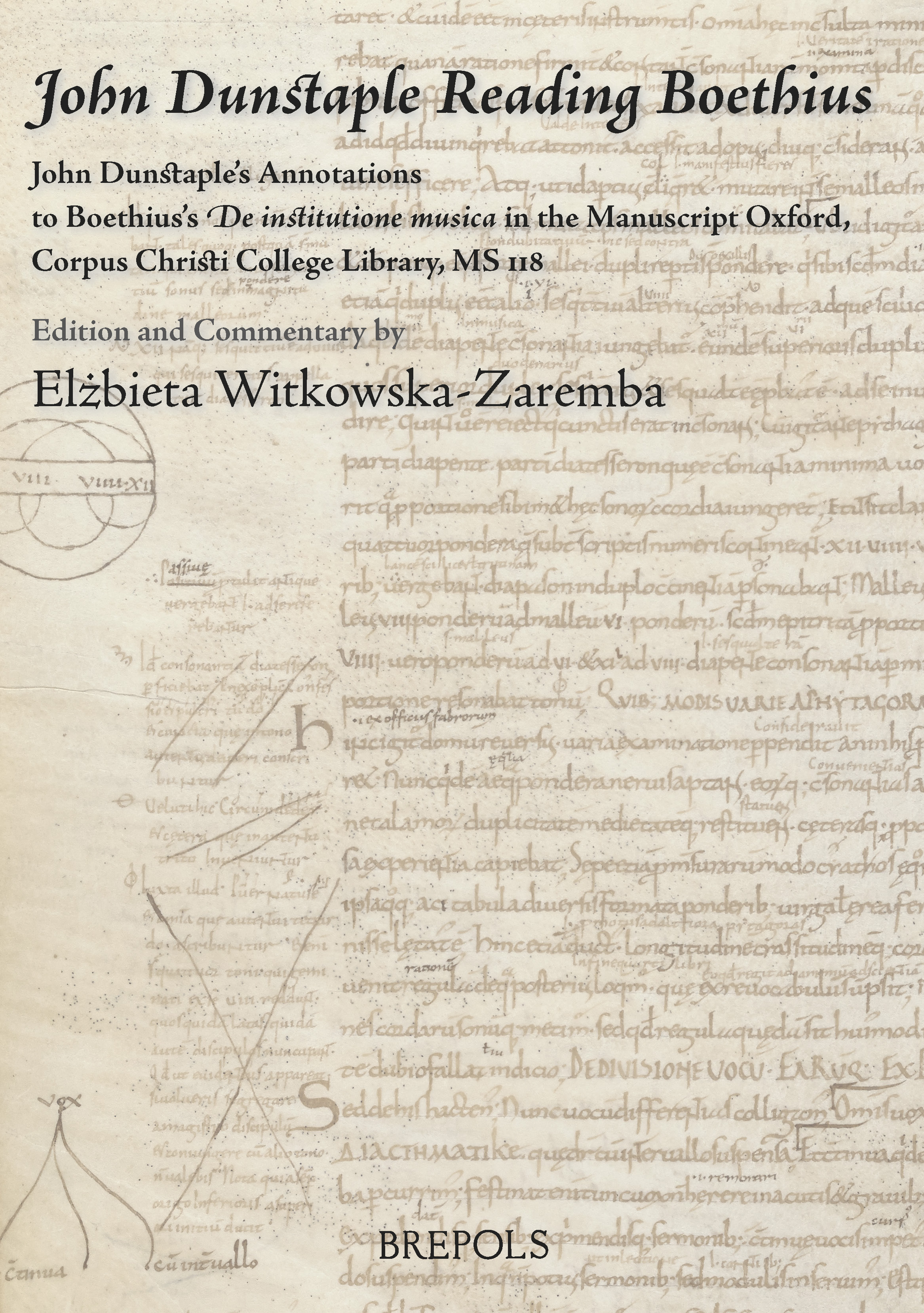 John Dunstaple Reading Boethius
John Dunstaple’s Annotations to Boethius’s “De institutione musica” in the Manuscript Oxford, Corpus Christi College Library, MS 118
 Linguistic and Cultural Dynamics in a Frontier Society
New Perspectives on Northeastern Bavaria and Western Bohemia in the Early Middle Ages
Volume 9
 Medieval Debates on Foreknowledge: Future Contingents, Prophecy, and Divination
Acts of the XXVII Annual Colloquium of the SIEPM, Trento 12-15 September 2023
Volume 31
 Medieval Yeghegis, Armenia
History, Archaeology, Society. Local Multiplicities and Global Connections of a Rural Centre on the Silk Road(s)
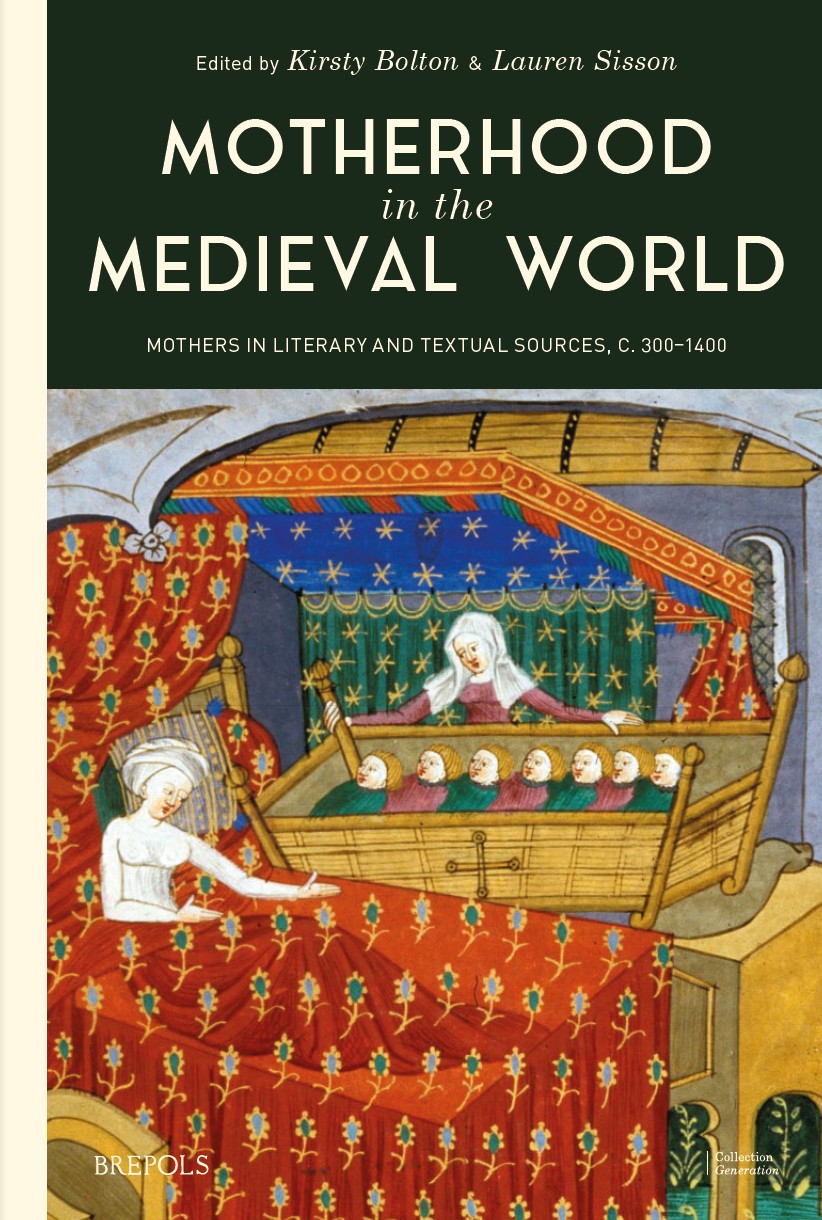


 Power and Women in Southeast and Central Europe in Late Medieval and Early Modern Period (1300-1600)
Volume 10

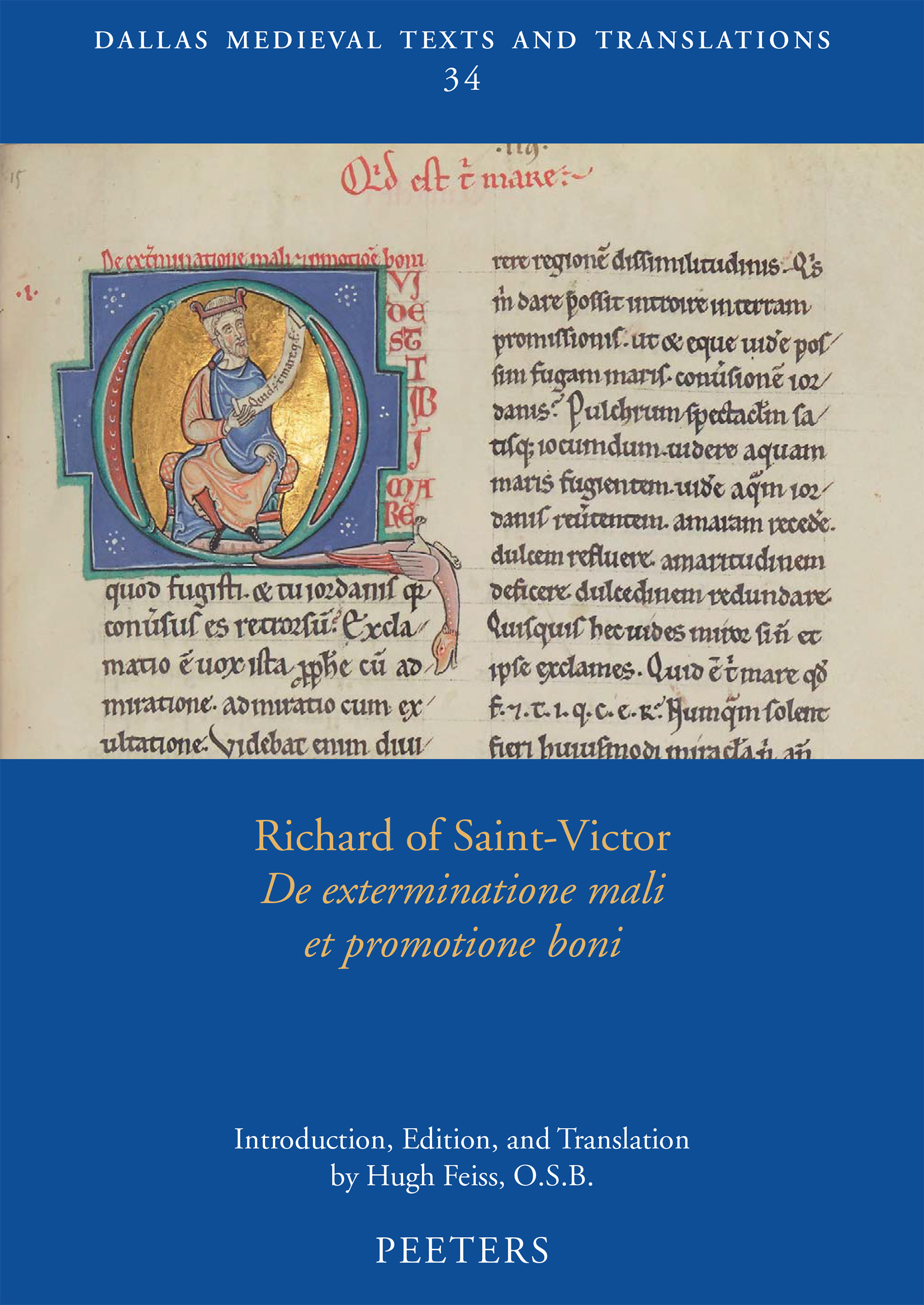

 The Anglo-Norman Bible’s Books of Kings, a Critical Edition
(BL Royal 1 C III, fols 234r-274v)
Volume 37


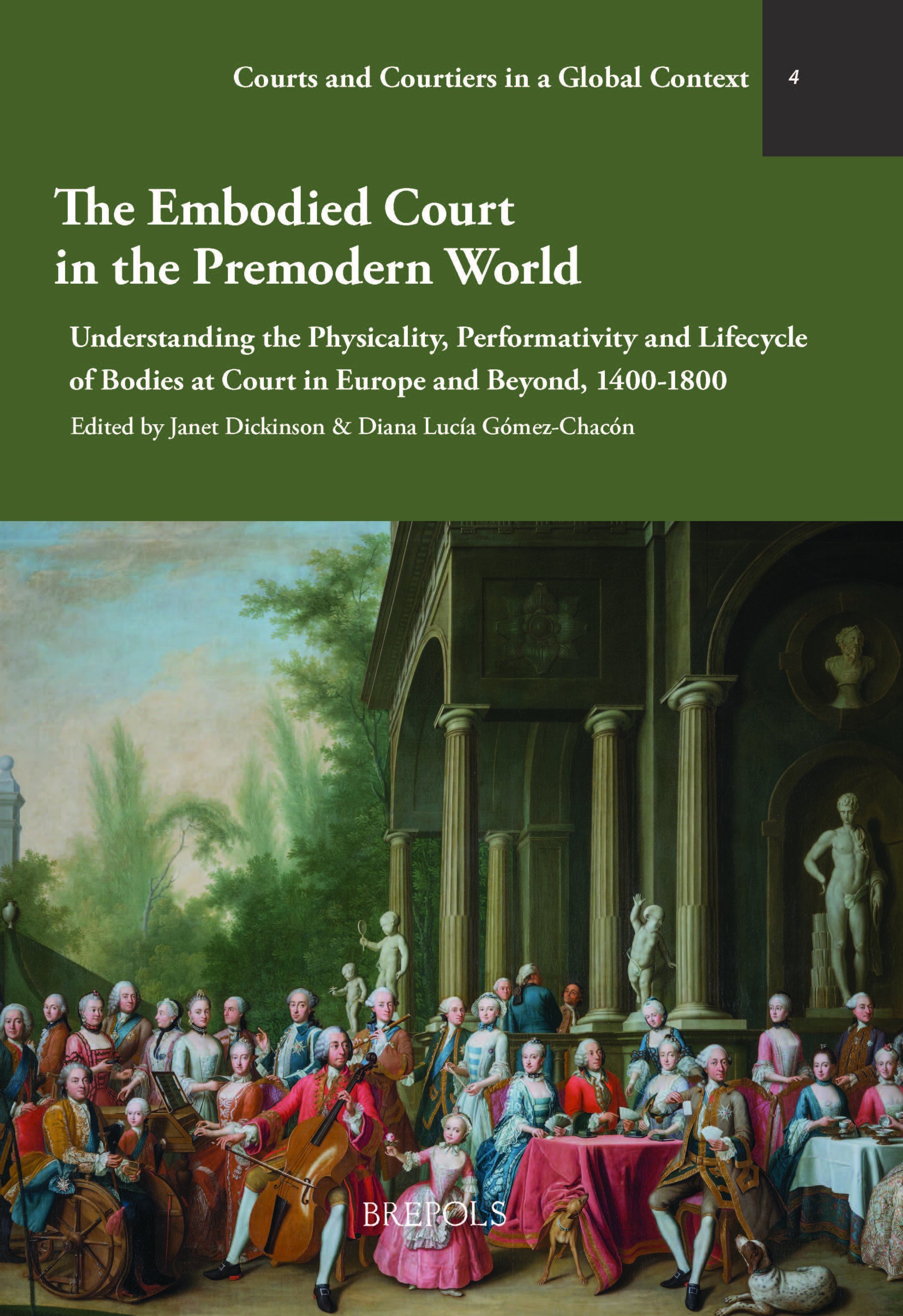 The Embodied Court in the Premodern World
Understanding the Physicality, Performativity and Lifecycle of Bodies at Court in Europe and Beyond, 1400-1800
Volume 4


 The Middle English ‘Medicines for Horses’
Edited from the Manuscript formerly at Kensington Palace, HRH Duke of Gloucester MS s.n. (olim York House MS 45)
Volume 69