Spoken and Written Language
Relations between Latin and the Vernacular Languages in the Earlier Middle Ages
Edited by Mary Garrison Edited by Arpad P Orban Edited by Marco Mostert With Wolfert S van Egmond

The linguistic situation of the Medieval West has sometimes been characterized as one of diglossia: one learned language was used for religion, law and documents – Latin, the father tongue – while the various vernaculars would have been the mother tongue.
The linguistic situation of medieval Europe has sometimes been characterized as one of diglossia: one learned language, Latin, was used for religion, law, and documents, while the various vernaculars were used in other linguistic registers. Informing the relationship between Latin and the vernaculars was the choice of Latin as the language of the Western Roman Empire and the Roman Church. This choice entailed the possibility of a shared literary culture and heritage across Europe, but also had consequences for access to that heritage. Scholarship on the Romance languages has contested the relevance of the term diglossia, and the divergence between written or spoken Latin and Romance is a subject of energetic debate. In other linguistic areas, too, questions have been voiced. How can one characterize the interaction between Latin and the various vernaculars, and between the various vernaculars themselves? To what extent could speakers from separate linguistic worlds communicate? These questions are fundamental for anyone concerned with communication, the transmission of learning, literary history, and cultural interaction in the Middle Ages. This volume contains contributions by historians, cultural historians, and students of texts, language, and linguistics, addressing the subject from their various perspectives but at the same time trying to overcome familiar disciplinary divisions.
- Edited by Mary Garrison
- Edited by Arpad P Orban
- Edited by Marco Mostert
- With Wolfert S van Egmond
Other Titles in this Series


 Homo Legens
Styles et pratiques de lecture: Analyses comparees des traditions orales et ecrites au Moyen Age / Styles and Practices of Reading: Comparative Analyses of Oral and Written Traditions in the Middle Ages
Volume 26


 Looking Back from the Invention of Printing
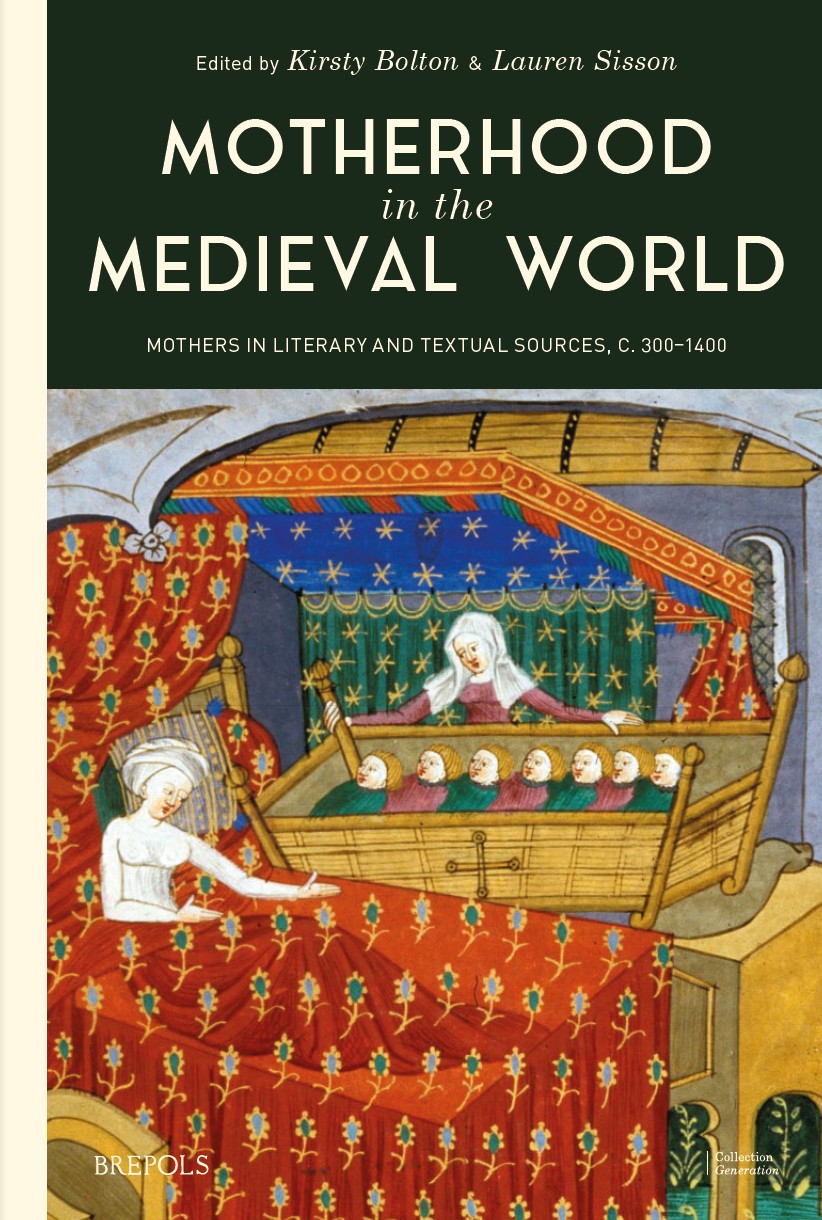
Mothers and the Teaching of Reading in the Middle Ages
Volume 40
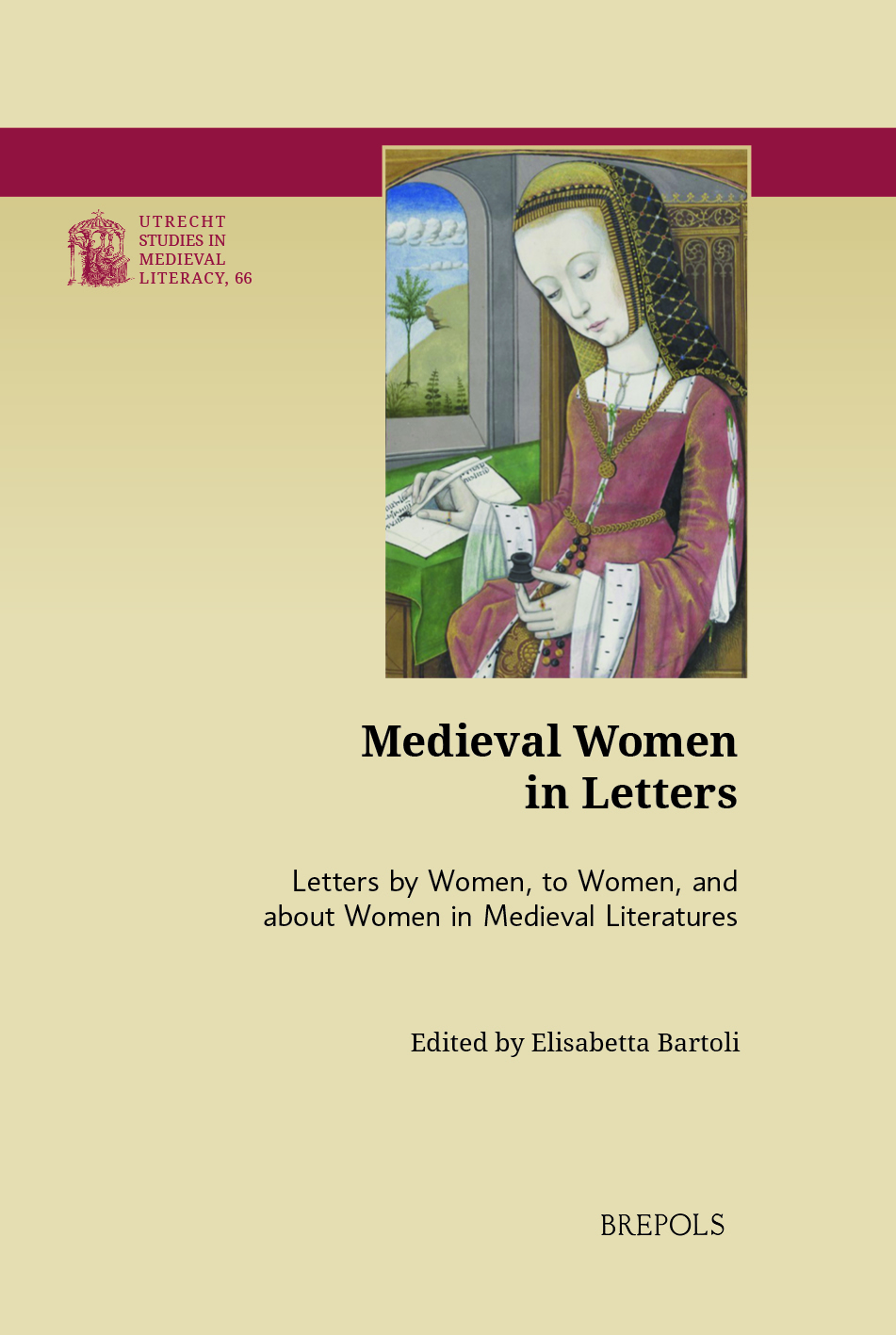 Medieval Women in Letters
Letters by Women, to Women, and about Women in Medieval Literatures
Volume 66


 Writing Names in Medieval Sacred Spaces
Inscriptions in the West, from Late Antiquity to the Early Middle Ages
Volume 56


 Manuscript Communication
Visual and Textual Mechanics of Communication in Hagiographical Texts from the Southern Low Countries, 900-1200
Volume 32


 Literacy in Medieval and Early Modern Vilnius
Forms of Writing and Rhetorical Spaces in the City
Volume 55
 Orality and Literacy in the Middle Ages
Essays on a Conjunction and its Consequences in Honour of D. H. Green
Volume 12
 Documenting the Everyday in Medieval Europe
The Social Dimensions of a Writing Revolution, 1250-1350
Volume 42


 Understanding Monastic Practices of Oral Communication (Western Europe, tenth-thirteenth centuries)
Volume 21

 Seeing the Invisible in Late Antiquity and the Early Middle Ages
Papers from Verbal and Pictorial Imaging: Representing and Accessing Experience of the Invisible, 400-1000 (Utrecht, 11-13 December 2003)
Volume 14
Similar Books

 A Collaborative Tapestry in Honour of Shirley Ann Brown / Une fresque brodée en l’honneur de Shirley Ann Brown
The Bayeux Tapestry Seen by her Colleagues and Friends / La Tapisserie de Bayeux vue par ses collègues et amis

 Behind the Scenes of Medieval Roofs
An Overview of the Roofing Systems of Italian Churches
Volume 90


 Des mots aux actes
Traduction épistémique et littéraire. Nouvelles tendances en histoire et didactique
Volume 15




 Innovation and Medieval Communities
The Circulation of Ideas and Practices in and out of the Town (1200-1500)
Volume 63

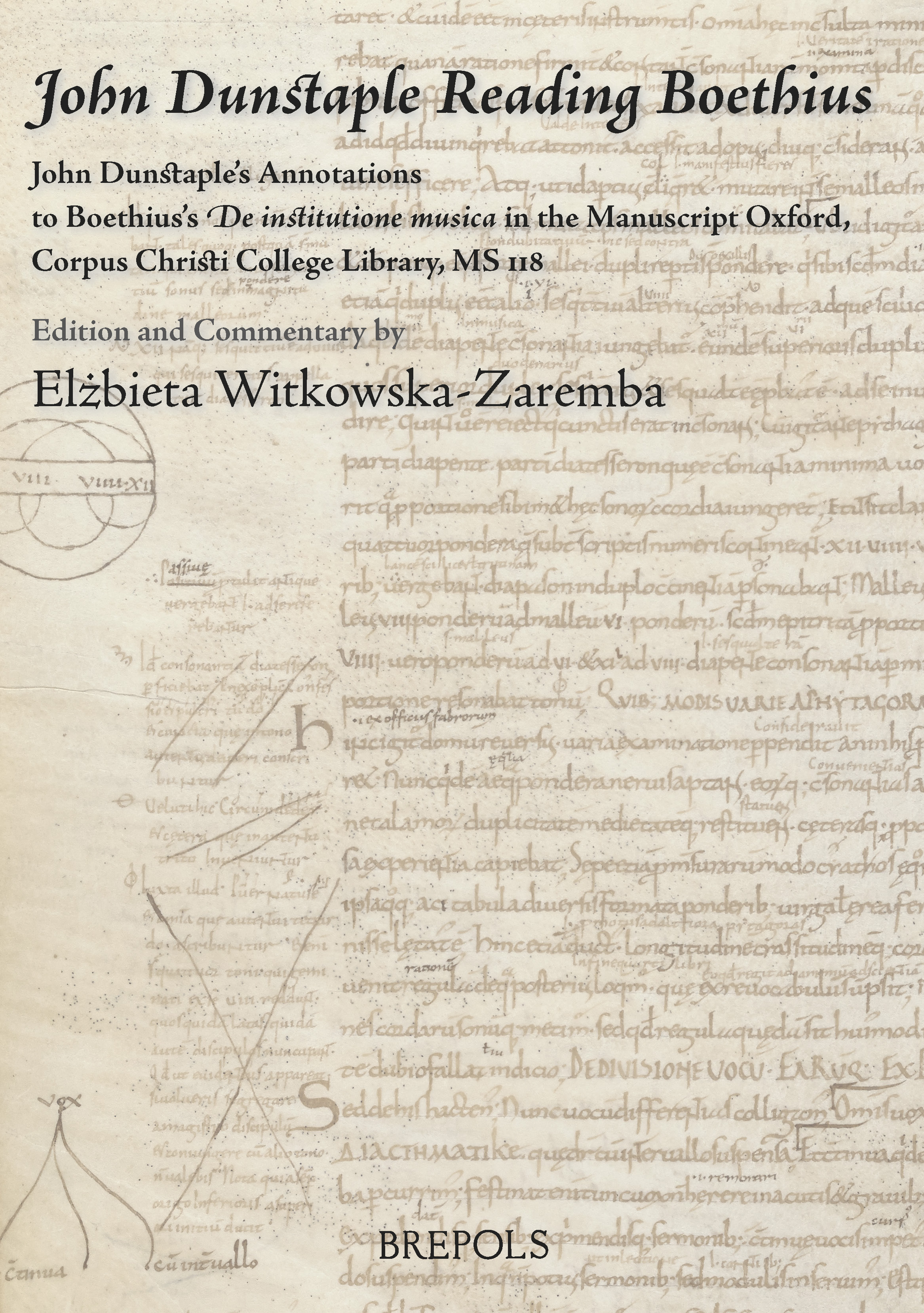 John Dunstaple Reading Boethius
John Dunstaple’s Annotations to Boethius’s “De institutione musica” in the Manuscript Oxford, Corpus Christi College Library, MS 118

 Linguistic and Cultural Dynamics in a Frontier Society
New Perspectives on Northeastern Bavaria and Western Bohemia in the Early Middle Ages
Volume 9


 Medieval Debates on Foreknowledge: Future Contingents, Prophecy, and Divination
Acts of the XXVII Annual Colloquium of the SIEPM, Trento 12-15 September 2023
Volume 31
 Medieval Yeghegis, Armenia
History, Archaeology, Society. Local Multiplicities and Global Connections of a Rural Centre on the Silk Road(s)