
The Anthropological Turn, Christian Humanism, and Vatican II
Louvain Theologians Preparing the Path for 'Gaudium et spes'(1942-1965)
By (author) D. Bosschaert

Quid est autem homo? What is the human person? This question, raised in paragraph twelve of Gaudium et spes, was addressed by both bishops and theologians throughout the redaction process of the Second Vatican Council’s Pastoral Constitution. This had been an open and contested question for many years before Vatican II was convened, and no definitive answer had been found by the time the council closed. This volume investigates how this question haunted theologians in the mid-twentieth century, and it focuses especially on Louvain theology. More particularly, its first chapter discusses the anthropological turn that occurred in twentieth-century theology and which was shaped by aspects of Christian humanism, the theology of history, theology of earthly realities, theology of society, and theology of the laity. The following four chapters sketch the intellectual itineraries of Albert Dondeyne, Gerard Philips, Gustave Thils, and Charles Moeller. These four Louvain theologians respectively developed a universal Christian humanism, an ecclesiology ad extra, an integrated Christian anthropology, and a humanism of the Beatitudes. The last three chapters analyze the reception of their thinking at the Second Vatican Council, focusing especially on the Pastoral Constitution Gaudium et spes. The text of Malines, a draft text written in 1963, is presented as a cornerstone of Louvain’s contribution to this anthropological turn.
- By (author) D. Bosschaert
Other Titles in this Series


 Ancient and Modern Scriptural Historiography – L’historiographiebiblique, ancienne et moderne
Volume 207
 Vatican II: concile de transition et de renouveau
La contribution des évêques et théologiens belges
Volume 323


 The Genesis of Concepts and the Confrontation of Rationalities
Theology, Philosophy, Science. Conference ProceedingsLouvain-la-Neuve, 7th-9th October 2015
Volume 292
 La théologie comme science herméneutique de la tradition de foi
Une lecture de «Dieu qui vient à l'homme» de Joseph Moingt
Volume 275


 Scrutinizing the Signs of the Times in the Light of the Gospel
Proceedings of the Expert Seminar Leuven-Louvain-la-Neuve, 9-11September 2004
Volume 208
 “Behold King Solomon on the Day of his Wedding”
A Symbolic-Diachronic Reading of Song 3,6-11 and 4,12-5,1
Volume 320


 Martyrdom and Persecution in Late Antique Christianity
Festschrift Boudewijn Dehandschutter
Volume 241
 Infant Milk or Hardy Nourishment?
The Bible for Lay People and Theologians in the Early Modern Period
Volume 221

 Le livre de Jérémie en perspective: Les deux rédactions conservées etl’addition du supplément sous le nom de Baruch
Recueil des travaux de Pierre-Maurice Bogaert réunis par J.-C.Haelewyck et B. Kindt
Volume 308

Similar Books
 ‘For You I Study, For You I Work, For You I Live, For You I Am Ready To Even Give My Life’
Essays in Honour of Francis (Frank) J Moloney, SDB




 Ars Prophetica
Theology in the Poetry of Twentieth-Century Hebrew Poets Avraham Halfi, Shin Shalom, Amir Gilboa, and T. Carmi
 As Messianism Turns to Heresy
The Regenstein Chair Lectures On Lurianic Kabbalah and Shabbatai Tzevi at Hebrew Union College - Cincinnati


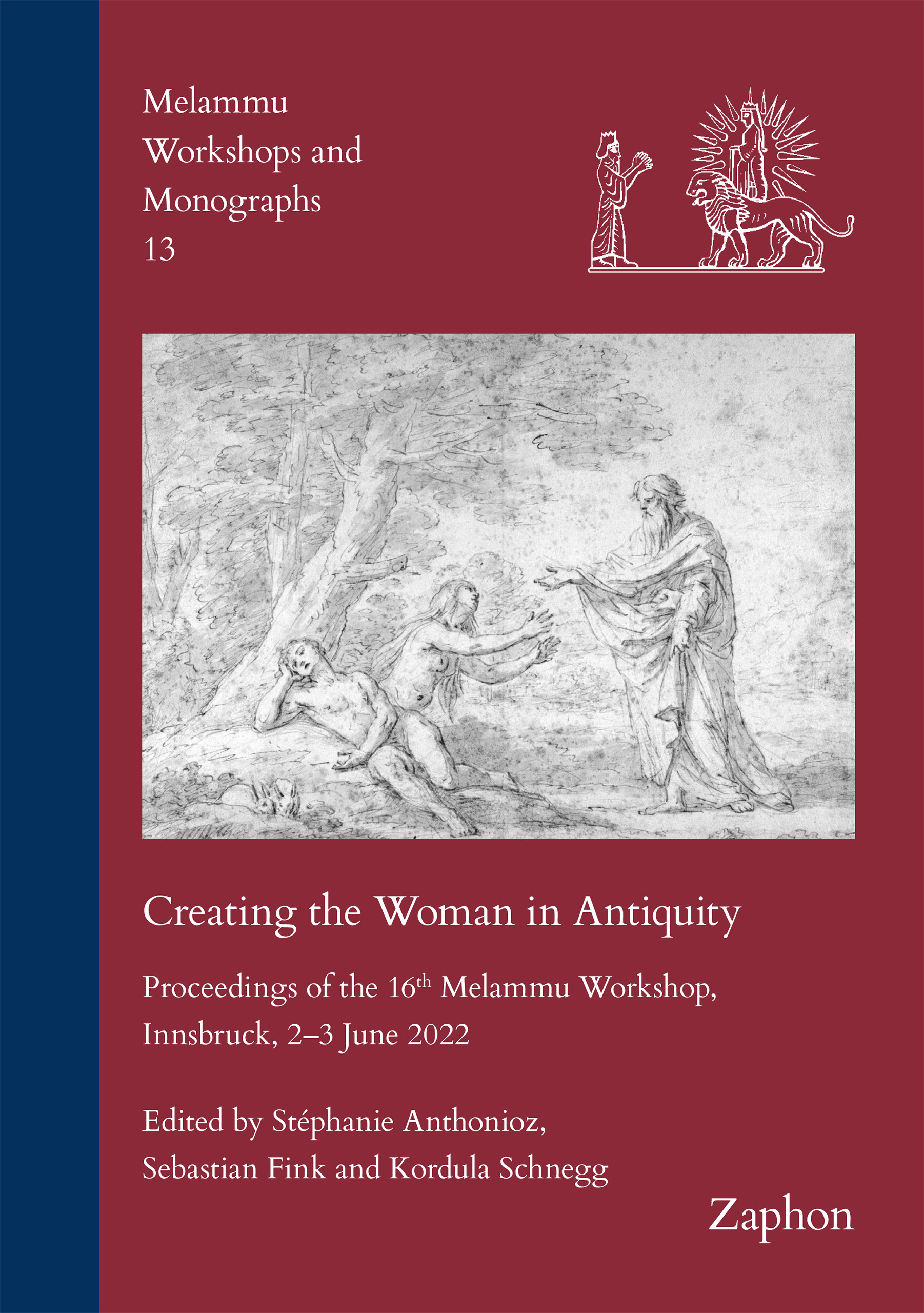 Creating the Woman in Antiquity
Proceedings of the 16th Melammu Workshop, Innsbruck, 2–3 June 2022
Volume 13

 Drunk the Potion, No Whit Charmed
The Doctrine of Pure and Perfect Souls from Iamblichus to Damascius



 Extracanonical Traditions and the Holy Land
Texts, Rituals, and Material Culture in Late Antique Palestine
 Fear, Fear of God, God-Fearers
Philological and Historical Perspectives on the World of Ancient Judaism and Christianity




 Legal Visuality
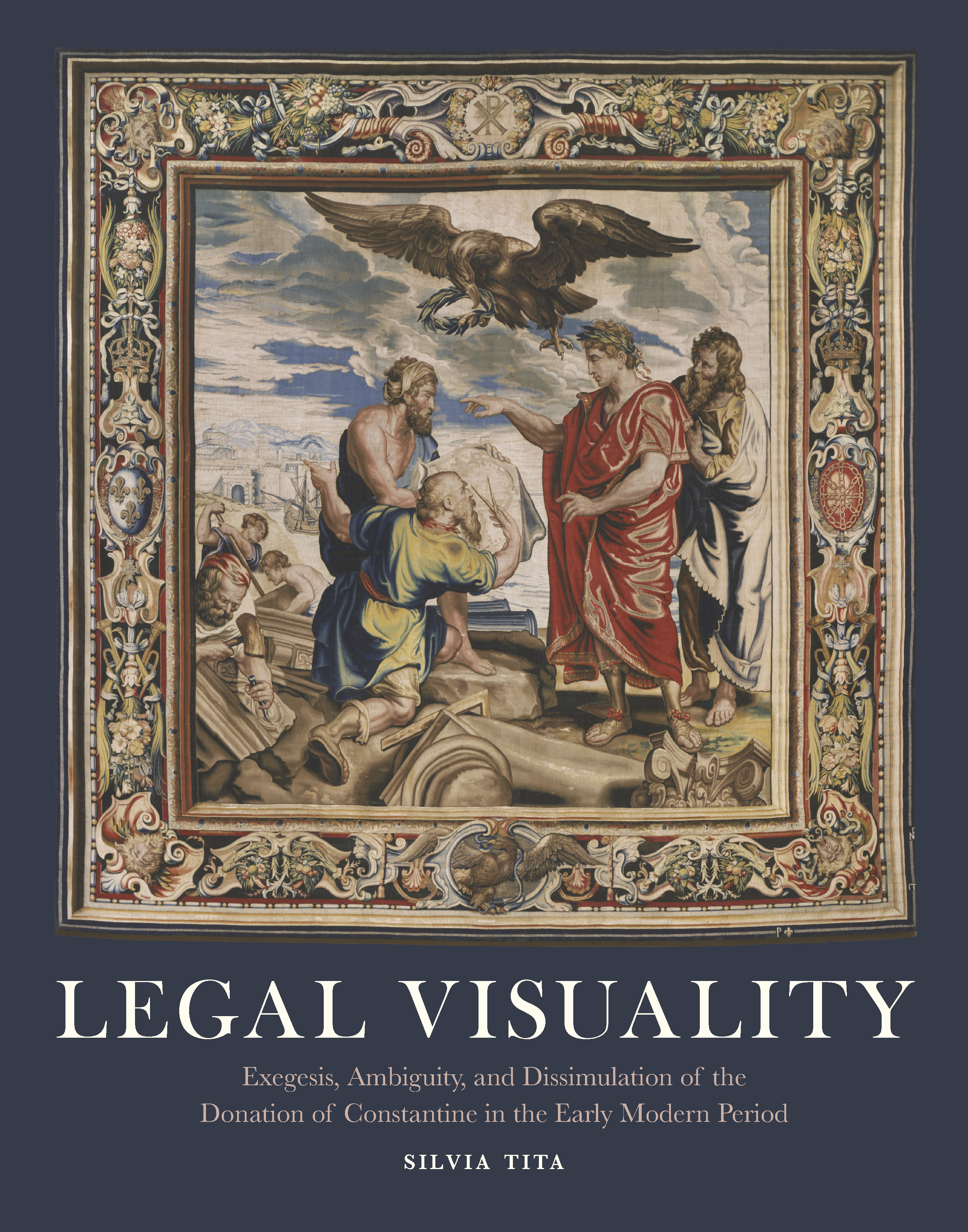
Exegesis, Ambiguity, and Dissimulation of the Donation of Constantine in the Early Modern Period
 Liturgia semper reformanda
Adaptations and accommodations in the liturgy in light of canon 838 of the Code of Canon Law
