
Paul’s Graeco-Roman Context
Edited by C. Breytenbach

These papers of the 62nd Colloquium Biblicum Lovaniense (July 16-18, 2013) illustrate that the Apostle Paul is an excellent example for the cultural exchange so typical of the eastern provinces of the Roman Empire during the early imperial age. He was a Jew from Tarsus and regarded himself, according to his own words, as Hebrew descended from Hebrews, and as Pharisee according to the way of interpreting the Law. However, he wrote his letters in Greek, showing acquaintance not only with the Greek translations of the Law and the Prophets, but also with contemporary Greek philosophical concepts, rhetorical style and e.g. the tradition of Euripides’ tragedies. He lived and worked in several Roman colonies and absorbed Romanized concepts, metaphors and a vision of reaching from the eastern frontier of the Empire to Spain in the West. Influenced by different intellectual worlds, Paul stood at the crossroads of cultural interaction.
These papers of the 62nd Colloquium Biblicum Lovaniense (July 16-18, 2013) illustrate that the Apostle Paul is an excellent example for the cultural exchange so typical of the eastern provinces of the Roman Empire during the early imperial age. He was a Jew from Tarsus and regarded himself, according to his own words, as Hebrew descended from Hebrews, and as Pharisee according to the way of interpreting the Law. However, he wrote his letters in Greek, showing acquaintance not only with the Greek translations of the Law and the Prophets, but also with contemporary Greek philosophical concepts, rhetorical style and e.g. the tradition of Euripides’ tragedies. He lived and worked in several Roman colonies and absorbed Romanized concepts, metaphors and a vision of reaching from the eastern frontier of the Empire to Spain in the West. Influenced by different intellectual worlds, Paul stood at the crossroads of cultural interaction.
- Edited by C. Breytenbach
Other Titles in this Series

 Virtuelle Vergangenheit
Die Textrekonstruktion einer verlorenen mittelniederländischenEvangelienharmonie. Die Handschrift Utrecht Universitätsbibliothek 1009
Volume 210
 The Holy Spirit, The Church, and Christian Unity
Proceedings of the Consultation Held at the Monastery of Bose, Italy(14-20 October 2002)
Volume 181
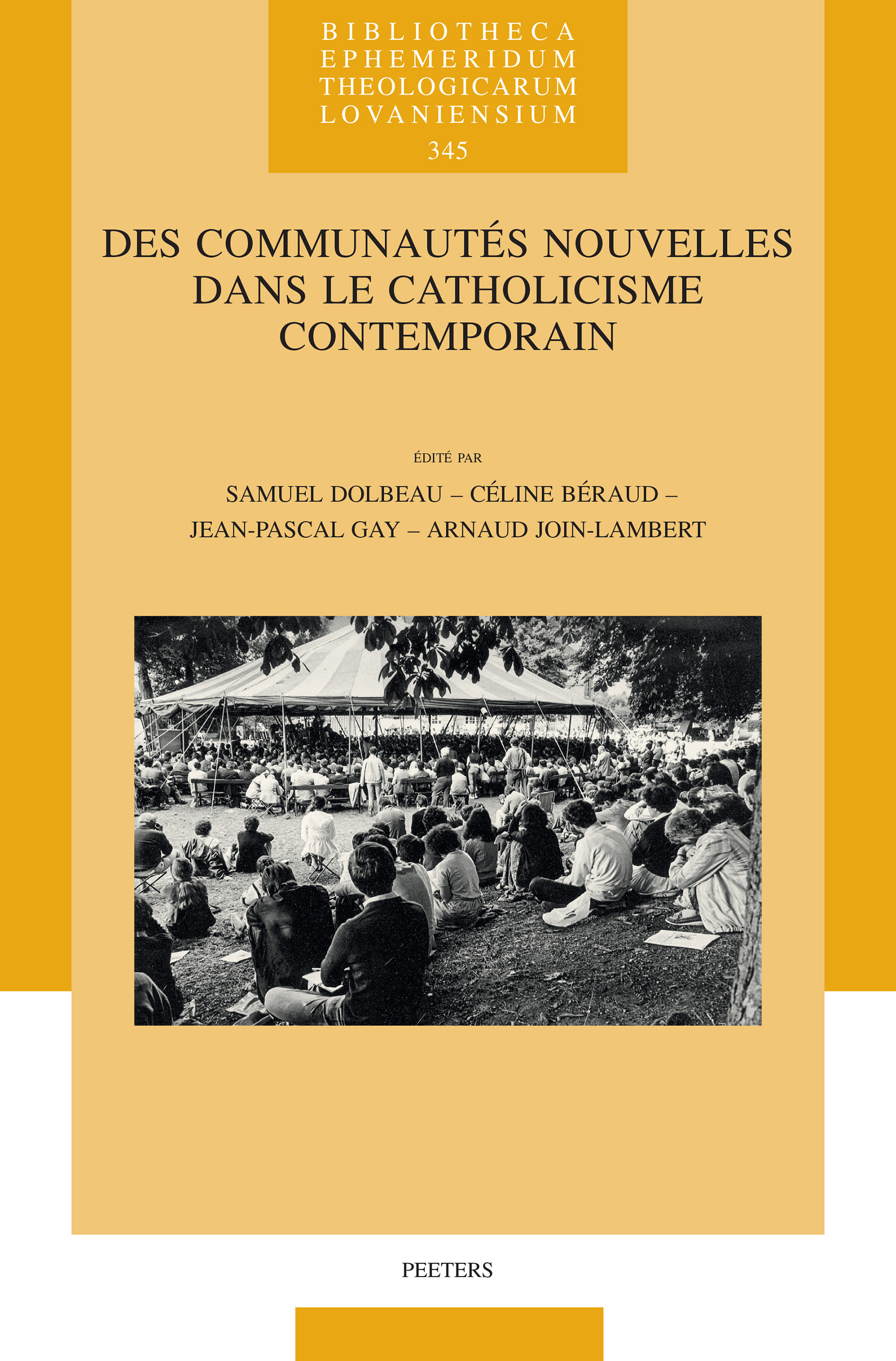 Des communautés nouvelles dans le catholicisme contemporain
Innovations, réinventions, ruptures et régulations
Volume 345
 Writing, Rewriting, and Overwriting in the Books of Deuteronomy and the Former Prophets
Essays in Honor of Cynthia Edenburg
Volume 304
 Hieronymus als Exeget und Theologe
Interdisziplinäre Zugänge zum Koheletkommentar des Hieronymus
Volume 268


 Éléments d’une théologie fondamentale de la création artistique
Les écrits théologiques sur l'art chez Karl Rahner (1954-1983)
Volume 307

 Mediating Mysteries, Understanding Liturgies
On Bridging the Gap between Liturgy and Systematic Theology
Volume 278
 Écritures et réécritures. La reprise interprétative des traditionsfondatrices par la littérature biblique et extra-biblique
Cinquième Colloque International du RRENAB, Universités de Genève etLausanne, 10-12 juin 2010
Volume 248
 Where is the Truth?
Narrative Exegesis and the Question of True and False Prophecy in Jer26-29 (MT)
Volume 214
 Polycarpiana
Studies on Martyrdom and Persecution in Early Christianity. Collected Essays
Volume 205
 Fading Frontiers?
A Historical-Theological Investigation into the Notion of the 'Elementa Ecclesiae'
Volume 321

 Translating a Translation
The LXX and its Modern Translations in the Context of Early Judaism
Volume 213
 Theology and Christology in the Fourth Gospel
Essays by the Members of the SNTS Johannine Writings Seminar
Volume 184

 The Anthropological Turn, Christian Humanism, and Vatican II
Louvain Theologians Preparing the Path for 'Gaudium et spes'(1942-1965)
Volume 303
 A Pillar of Cloud to Guide
Text-critical, Redactional, and Linguistic Perspectives on the OldTestament in Honour of Marc Vervenne
Volume 269


 Imagining Paganism through the Ages
Studies on the Use of the Labels "Pagan" and "Paganism" in Controversies
Volume 312


 Ancient and Modern Scriptural Historiography – L’historiographiebiblique, ancienne et moderne
Volume 207
 Vatican II: concile de transition et de renouveau
La contribution des évêques et théologiens belges
Volume 323
Similar Books


 Athanasius of Alexandria, Epistula ad episcopos Aegypti et Libyae
Old Slavonic Version and English Translation
Volume 261


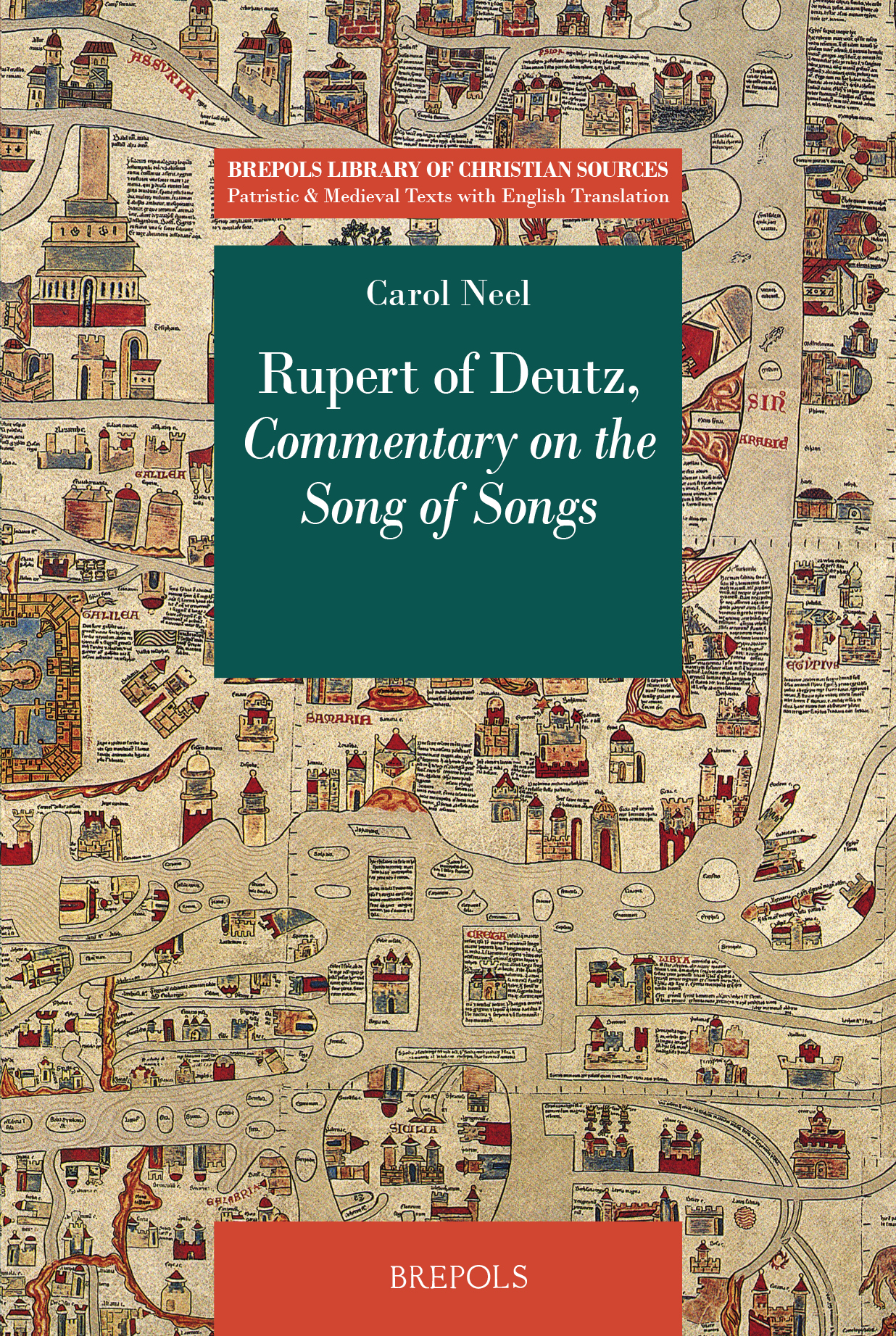
 Cyril of Alexandria’s Christological Exegesis
Explorations of Partitive Exegesis in the Dialogues on the Trinity
Volume 70

 Epiphanies of the Divine in the Septuagint and the New Testament
Fifth International Symposium of the Corpus Judaeo-Hellenisticum Novi Testamenti (CJHNT), 14-17 May 2015, Nottingham

 Extracanonical Traditions and the Holy Land
Texts, Rituals, and Material Culture in Late Antique Palestine
 From Joseph to Jesus
The Joseph Narrative as a Compositional Template from Old Greek Esther to the Gospel of Luke
Volume 125


 Paradise Lost in Transmission
The Return to Eden in the Apocalypse of Peter within Its Ethiopic and Early Christian Contexts



 Punning in Odd or Elegant Constructions in Jeremiah
The Convergence of Linguistics, Rhetoric, and Textuality in the Hebrew Text of Jeremiah

 Shame in the Worlds of the Hebrew Bible and Akkadian Texts
A Linguistic Study and Its Implications
Volume 33

 Tabernacle, Table, Ark, and Text
Richard of Saint Victor on the Interpretation of Scripture
Volume 67
 The Anglo-Norman Bible’s Books of Kings, a Critical Edition
(BL Royal 1 C III, fols 234r-274v)
Volume 37
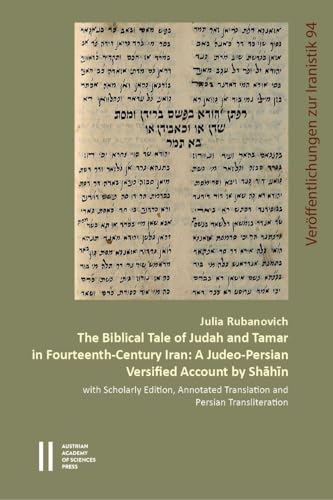 The Biblical Tale of Judah and Tamar in Fourteenth-Century Iran
A Judeo-Persian Versified Account by Shāhīn with Scholarly Edition, Annotated Translation and Persian Transliteration
Volume 94, 951
 The Body
Lived, Cultured, Adorned: Essays on Dress and the Body in the Bible and Ancient Near East in Honor of Nili S. Fox

 The Compositional History of the Book of Kings
An Analysis of the Evaluative Frameworks in 1 Kings 14–2 Kings 25
 The Discourse of Rites
Shaping and Reshaping the (Counter-)Priestly Rituals Conducted Outside the Tabernacle


