
Tell el-Fara’in-Buto VI
Recherches sur les ateliers romains de Bouto. Prospections et sondages (2001-2006)
by Pascale Ballet, Frederic Beguin, Guy Lecuyot and Anne Schmitt

Buto, in the western Egyptian Delta, is mainly known for its pre- and protohistoric occupations. In order to investigate the Graeco-Roman and Byzantine settlement, partly revealed by the Egypt Exploration Society (EES), a program was launched in 2001. In the north east of the site, the EES had excavated a pottery workshop yielding a black polished ware, influenced by Mediterranean black glazed wares. Using topographical and geophysical surveys, the excavations in the northern part of the city unearthed two main kinds of workshops and productions from the Early Roman period.
Buto, in the western Egyptian Delta, is mainly known for its pre- and protohistoric occupations, currently being explored by the Deutsches Archaologisches Institut (Cairo). In order to investigate the Graeco-Roman and Byzantine settlement, partly revealed by the Egypt Exploration Society (EES) in the 1960s, a program was launched in 2001, directed by Pascale Ballet. In the north east of the site, the EES had excavated a pottery workshop yielding a black polished ware, influenced by Mediterranean black glazed wares. Using topographical and geophysical surveys from 2001, the excavations in the northern part of the city, conducted from 2002 to 2004, unearthed two main kinds of workshops and productions from the Early Roman period. The first one, entirely new, produced imitations of “sigillata” using tubes, like in Italy and Gaul, to enable the hot gases to go through the stack of pots preventing any contact with them. It is a significant example of a transfer of technology from the Western Mediterranean area, without excluding an Eastern influence. The second type of workshop, also entirely new, was devoted to common wares, sometimes with painting, heralding the style of the Late Roman/Byzantine period. Buto was probably one of the most active centers for pottery production in the Delta during the Graeco-Roman period, and the discovery of technology previously unknown in Egypt is a new contribution to the history of pottery manufacture in the East Mediterranean area. The present study presents latest findings and samples.
- By (author) Pascale Ballet
- By (author) Frederic Beguin
- By (author) Guy Lecuyot
- By (author) Anne Schmitt
Other Titles in this Series

 Elephantine XXV
Der Widderfriedhof des Chnumtempels: Mit einem Beitrag von Francoise Dunand
Volume 105
 Die Graber des Amenemhab und des Pehsucher. Theben Nr. 85 und 88
Die Dekoration der Innenraume. Mit einem Beitrag von Eva Hofmann
Volume 138
 Elephantine XXIV
Funde und Befunde aus der Umgebung des Satettempels. Grabungen von 2006-2009
Volume 104
 Das Grab des Konigs Ninetjer in Saqqara
Architektonische Entwicklung fruhzeitlicher Grabanlagen in Agypten
Volume 125
 Das Grab des Ibi. Theben Nr. 36, Band II
Die beiden Sarkophage des Ibi und die Sargkammer des Psametik
Volume 131
 Elephantine XXXV
The Lithic Industries on Elephantine Island during the 3rd Millennium BC
Volume 121


 Ammoniaca I. ‘Kein Tempel der Pracht’
Architektur und Geschichte des Tempels aus der Zeit des Amasis auf Agurmi, Oase Siwa
Volume 114

 Umm el-Qaab VII
Private Stelae of the Early Dynastic Period from the Royal Cemetery at Abydos
Volume 123
 Der grosse Pylon des Horus-Tempels von Edfu
Architektur und Bautechnik eines monumentalen Torbaus der Ptolemaierzeit
Volume 122


 Umm el-Qaab III. Die Grubengraber des pradynastischen Friedhofs U in Abydos (Umm el-Qaab)
Teil 1: Text. Teil 2: Katalog
Volume 93

 Elephantine XXXI. Kisten und Schreine im Festzug
Hinweise auf postume Kulte fur hohe Beamte aus einem Depot von Kult- und anderen Gegenstanden des ausgehenden 3. Jahrtausends v. Chr.
Volume 117
 The Village Gymnasium at Philoteris/Watfa in the Fayum
In Collaboration with Rita Hartmann. With Contributions by Cäcilia Fluck, Mary F. Ownby and Daniela Rosenow
Volume 10


 Umm el-Qaab IV. Die Keramik der fruhen und mittleren Naqadakultur aus dem pradynastischen Friedhof U in Abydos (Umm el-Qaab)
IV.1 Textband/Auswertung. IV.2 Katalog
Volume 98
 Elephantine XXI. Ausgrabungen in der Weststadt 1987-1992
Bauten und Stadtstruktur vom spaten Neuen Reich bis in die Romerzeit
Volume 101
Similar Books

 Archaeological Discoveries at the Temple of Ramesses II in Abydos
Vol. 2: Old Kingdom Wall, Papyri, Ostraca, and Leather Remains
 Caesar’s Visions and Impact on the Roman Empire
Revisiting the Archaeological and Historical Record of the 40s BC
Volume 2



 Drunk the Potion, No Whit Charmed
The Doctrine of Pure and Perfect Souls from Iamblichus to Damascius

 Epiphanies of the Divine in the Septuagint and the New Testament
Fifth International Symposium of the Corpus Judaeo-Hellenisticum Novi Testamenti (CJHNT), 14-17 May 2015, Nottingham


 Etruscan and Roman Hellenistic Anatomical ex votos
Reassessing Popular Religious Expressions in Central Italy
Volume 8




 Invisible Labour in Antiquity
Visualizing Obscure Work in the Ancient Mediterannean and West Asia
Volume 1
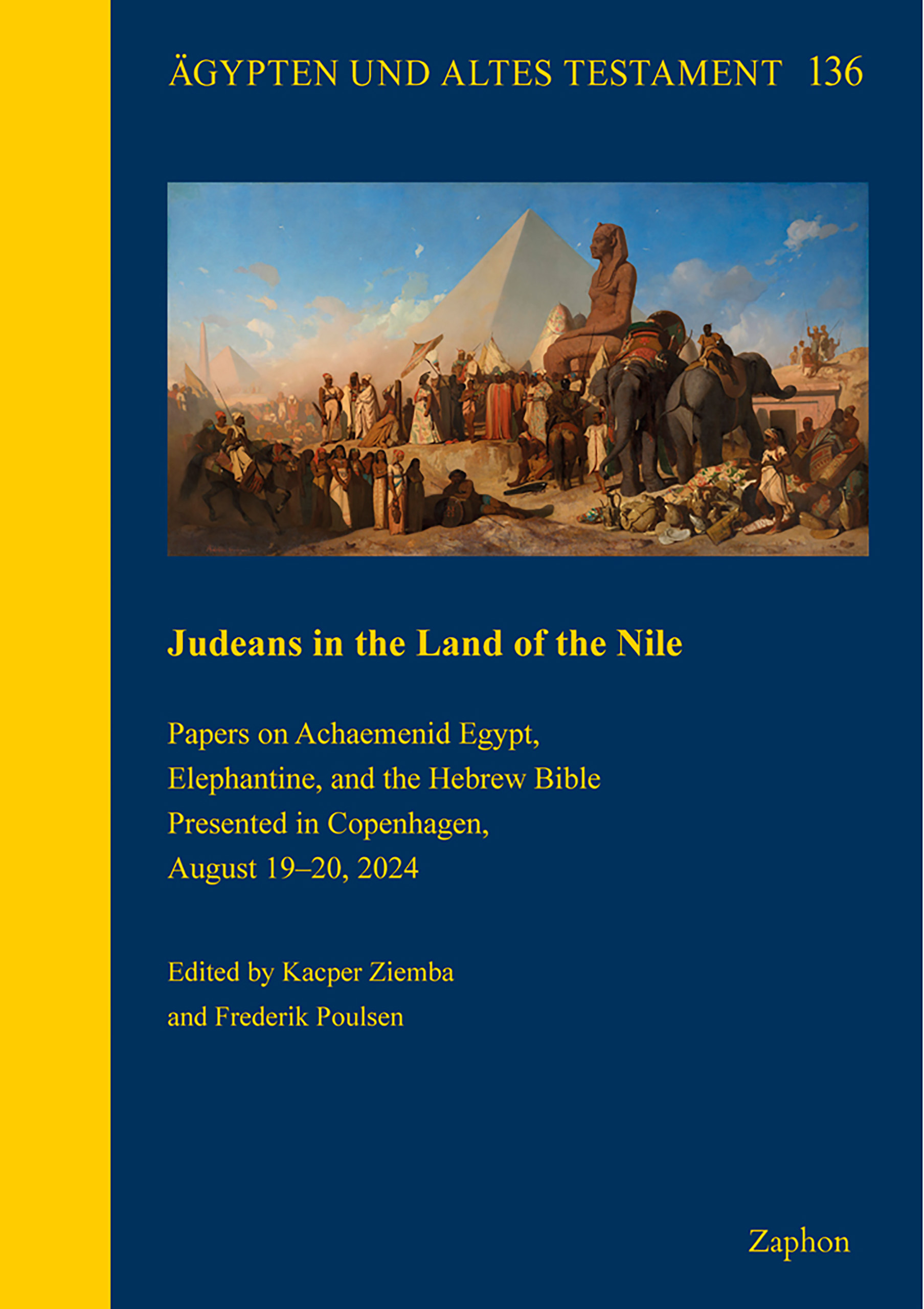
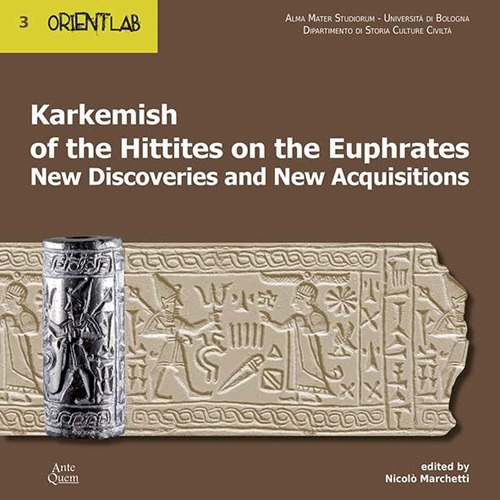
 Language and Power in the Roman Empire and Early India
Hierarchy, Ambiguity, and the Art of Reading the Signs in Cosmopolitan Cultures
 Late Antique villae in the Balkans (3rd–7th c. AD): Current Research Questions and Perspectives
HAEMUS Companion to the Late Antique Balkans 1
Volume 4


 Nurturing the Elite
Representations of Drinking, Eating, and Religious Vessels in Palmyrene Funerary Iconography
Volume 13


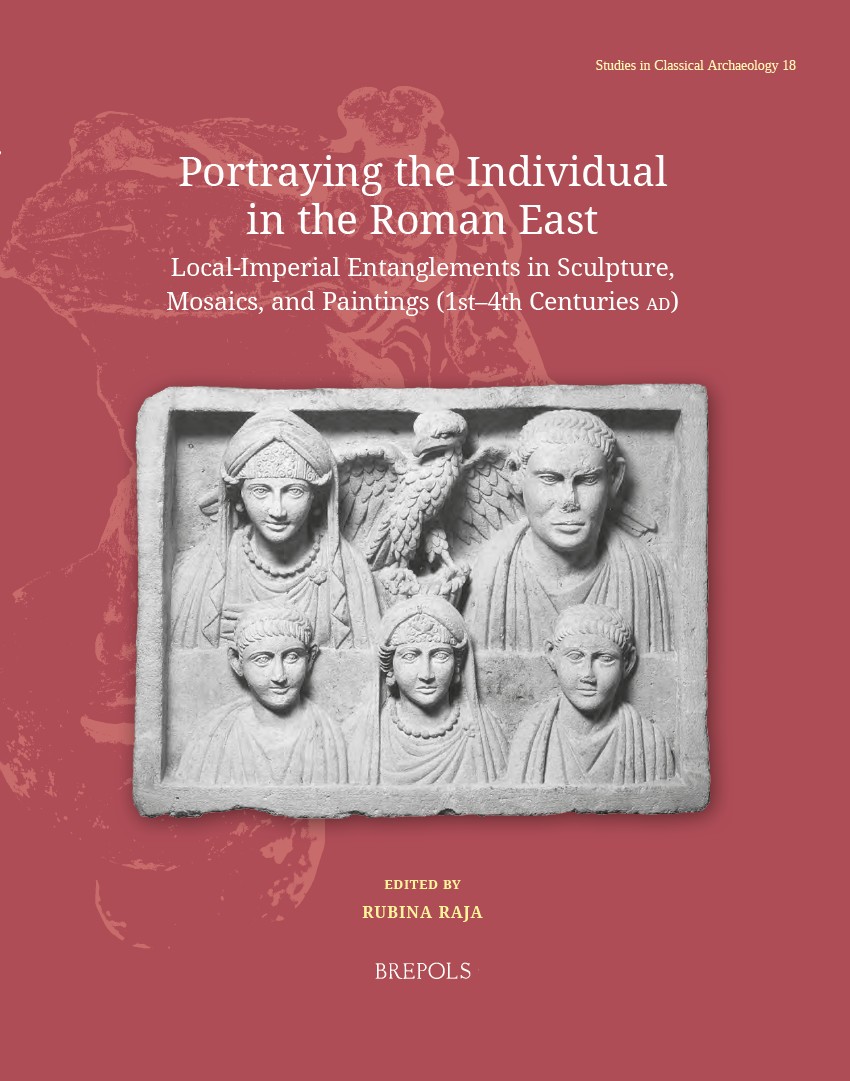 Portraying the Individual in the Roman East
Local–Imperial Entanglements in Sculpture, Mosaics, and Paintings (First–Fourth Centuries AD)
Volume 18


 Small Worlds and Relational Agencies: Local Societies in Early Medieval Iberia
Pequeños mundos y Agencias relacionales: Sociedades locales altomedievales en la Península Ibérica
 The Compositional History of the Book of Kings
An Analysis of the Evaluative Frameworks in 1 Kings 14–2 Kings 25

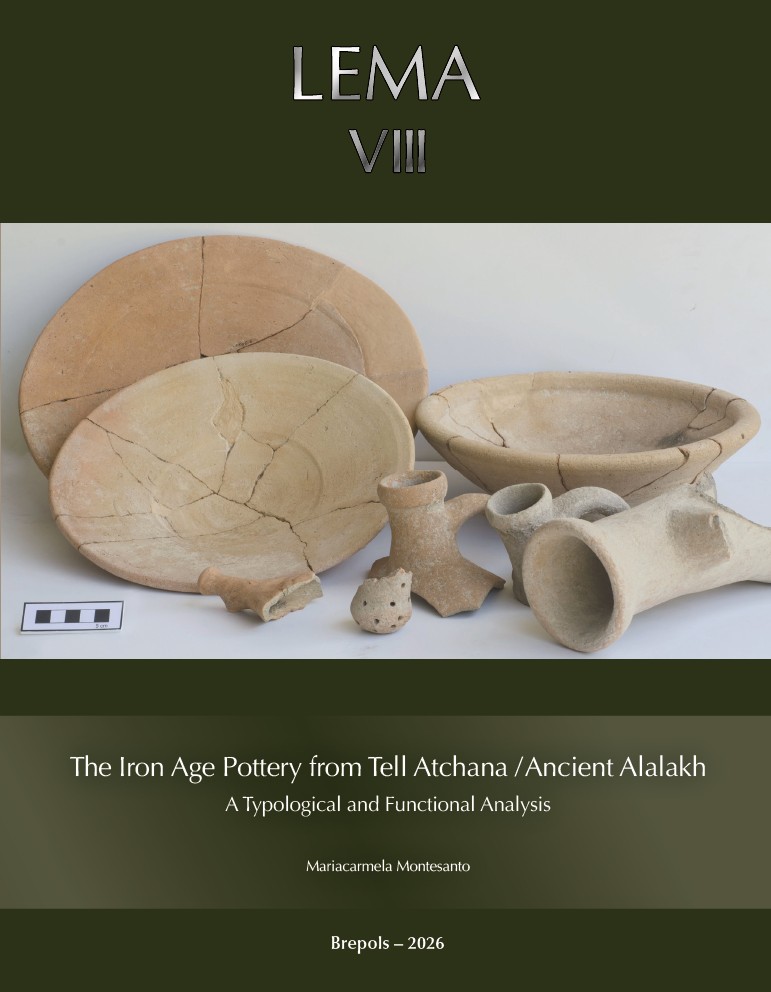 The Iron Age Pottery from Tell Atchana / Ancient Alalakh
A Typological and Functional Analysis
Volume 8