
Abu Mina IV
Das Ostraka-Haus und die Weinpresse
by Peter Grossmann

English summary: The Ostraca House in Abu Mena is a medium-sized multi-story building, which was badly destroyed by fire after the Arab conquest of Egypt (at around 639/42). Despite being used by neighboring inhabitants as landfill, it led archeologists to the discovery of nearly 2000 Greek ostraca. In this volume Peter Grossmann examines the origins of these ostraca. The house was an official building owned privately and not by the state, which had, among other things, something to do with the organization of the grape harvest and the payment of grape pickers in the surrounding vineyards. In addition, there was a larger abutting complex of buildings in the immediate vicinity of the building, with five closely-packed presses built at different times, which would suggest that it makes sense to link the excavated ostraca to the existence of these presses. These are the only presses that were allowed to remain under Roman control within the holy precinct (temenos), which suggests that they were, in part at least, private ecclesiastical possessions. This is also confirmed by the fact that the ostraca are written exclusively in Greek. German description: Das Ostraka-Haus von Abu Mina ist ein mehrgeschossiger Bau mittlerer Grosse, der nach der arabischen Eroberung Agyptens (um 639/42) durch Feuer stark zerstort und von den angrenzenden Bewohnern als Mulldeponie genutzt wurde, den Ausgrabern aber gleichzeitig die Entdeckung von nahezu 2000 griechischen Ostraka bescherte. Peter Grossmann untersucht in seinem Band die Herkunft der Ostraka. Bei dem Gebaude handelte es sich um ein privates, nicht in staatlichem Besitz befindliches Amtsgebaude, das u.a. mit der Organisation der Traubenernte (Weinlese) und der Entlohnung der Erntearbeiter in den Weinbergen zu tun hatte. Daruber hinaus fand sich in unmittelbarer Nachbarschaft dieses Gebaudes ein grosserer zusammenhangender Gebaudekomplex, der funf dicht aneinanderstossende und zu unterschiedlichen Zeiten erstellte Presseinrichtungen aufwies, so dass es nahelag, die ausgegrabenen Ostraka auf diese Pressen zu beziehen. Es sind die einzigen Pressen, die unter romischer Verwaltung innerhalb des kirchlichen Bezirks (temenos) verbleiben durften, was dafurspricht, dass diese Pressen gewissermassen zum privaten kirchlichen Besitz gehorten. Dies wird auch dadurch bestatigt, dass alle Ostraka ausschliesslich in griechischer Sprache verfasst sind.
- By (author) Peter Grossmann
Other Titles in this Series


 Umm el-Qaab IV. Die Keramik der fruhen und mittleren Naqadakultur aus dem pradynastischen Friedhof U in Abydos (Umm el-Qaab)
IV.1 Textband/Auswertung. IV.2 Katalog
Volume 98
 Elephantine XXI. Ausgrabungen in der Weststadt 1987-1992
Bauten und Stadtstruktur vom spaten Neuen Reich bis in die Romerzeit
Volume 101

 Elephantine XXV
Der Widderfriedhof des Chnumtempels: Mit einem Beitrag von Francoise Dunand
Volume 105
 Die Graber des Amenemhab und des Pehsucher. Theben Nr. 85 und 88
Die Dekoration der Innenraume. Mit einem Beitrag von Eva Hofmann
Volume 138
 Elephantine XXIV
Funde und Befunde aus der Umgebung des Satettempels. Grabungen von 2006-2009
Volume 104
 Das Grab des Konigs Ninetjer in Saqqara
Architektonische Entwicklung fruhzeitlicher Grabanlagen in Agypten
Volume 125
 Das Grab des Ibi. Theben Nr. 36, Band II
Die beiden Sarkophage des Ibi und die Sargkammer des Psametik
Volume 131
 Elephantine XXXV
The Lithic Industries on Elephantine Island during the 3rd Millennium BC
Volume 121


 Ammoniaca I. ‘Kein Tempel der Pracht’
Architektur und Geschichte des Tempels aus der Zeit des Amasis auf Agurmi, Oase Siwa
Volume 114

 Umm el-Qaab VII
Private Stelae of the Early Dynastic Period from the Royal Cemetery at Abydos
Volume 123
 Der grosse Pylon des Horus-Tempels von Edfu
Architektur und Bautechnik eines monumentalen Torbaus der Ptolemaierzeit
Volume 122

 Tell el-Fara’in-Buto VI
Recherches sur les ateliers romains de Bouto. Prospections et sondages (2001-2006)
Volume 110

 Umm el-Qaab III. Die Grubengraber des pradynastischen Friedhofs U in Abydos (Umm el-Qaab)
Teil 1: Text. Teil 2: Katalog
Volume 93

 Elephantine XXXI. Kisten und Schreine im Festzug
Hinweise auf postume Kulte fur hohe Beamte aus einem Depot von Kult- und anderen Gegenstanden des ausgehenden 3. Jahrtausends v. Chr.
Volume 117
 The Village Gymnasium at Philoteris/Watfa in the Fayum
In Collaboration with Rita Hartmann. With Contributions by Cäcilia Fluck, Mary F. Ownby and Daniela Rosenow
Volume 10
Similar Books

 Archaeological Discoveries at the Temple of Ramesses II in Abydos
Vol. 2: Old Kingdom Wall, Papyri, Ostraca, and Leather Remains
 Caesar’s Visions and Impact on the Roman Empire
Revisiting the Archaeological and Historical Record of the 40s BC
Volume 2




 Etruscan and Roman Hellenistic Anatomical ex votos
Reassessing Popular Religious Expressions in Central Italy
Volume 8



 Invisible Labour in Antiquity
Visualizing Obscure Work in the Ancient Mediterannean and West Asia
Volume 1
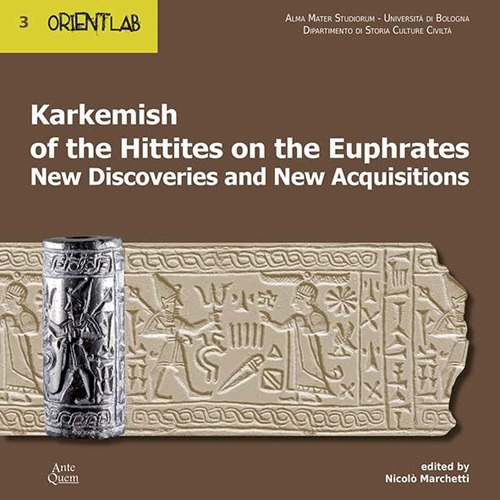
 Late Antique villae in the Balkans (3rd–7th c. AD): Current Research Questions and Perspectives
HAEMUS Companion to the Late Antique Balkans 1
Volume 4


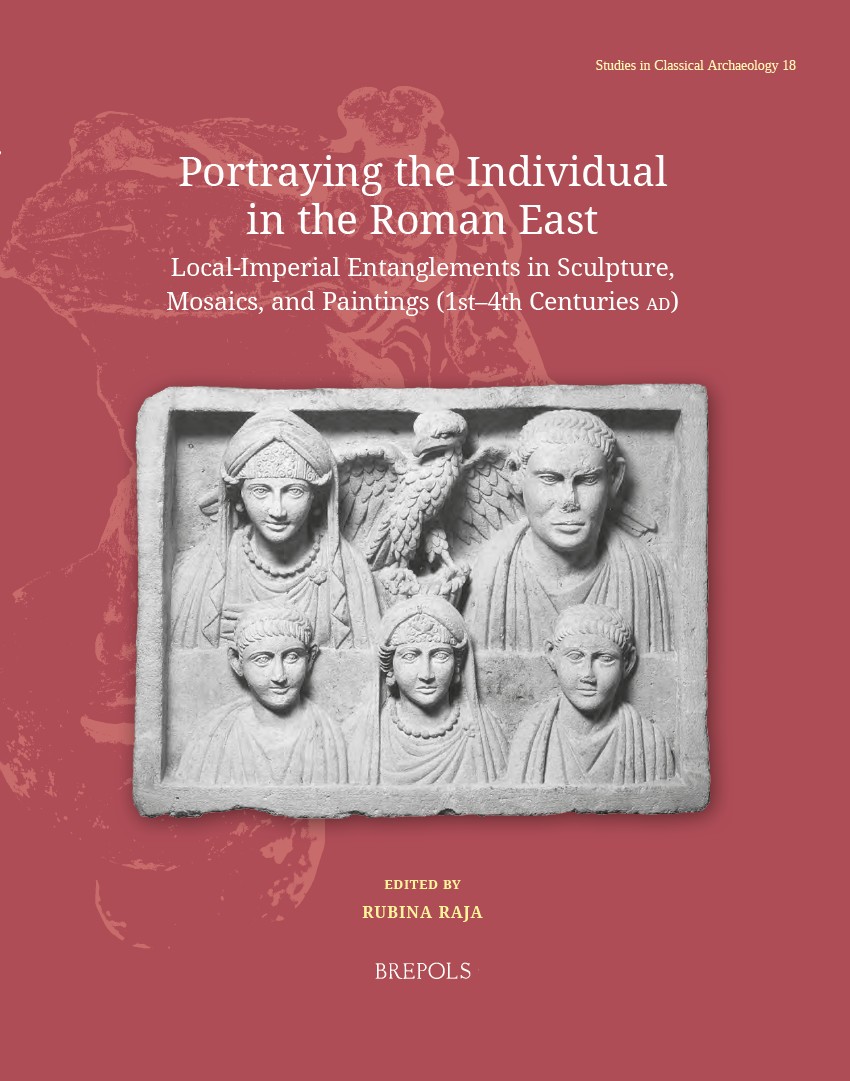 Portraying the Individual in the Roman East
Local–Imperial Entanglements in Sculpture, Mosaics, and Paintings (First–Fourth Centuries AD)
Volume 18


 Small Worlds and Relational Agencies: Local Societies in Early Medieval Iberia
Pequeños mundos y Agencias relacionales: Sociedades locales altomedievales en la Península Ibérica

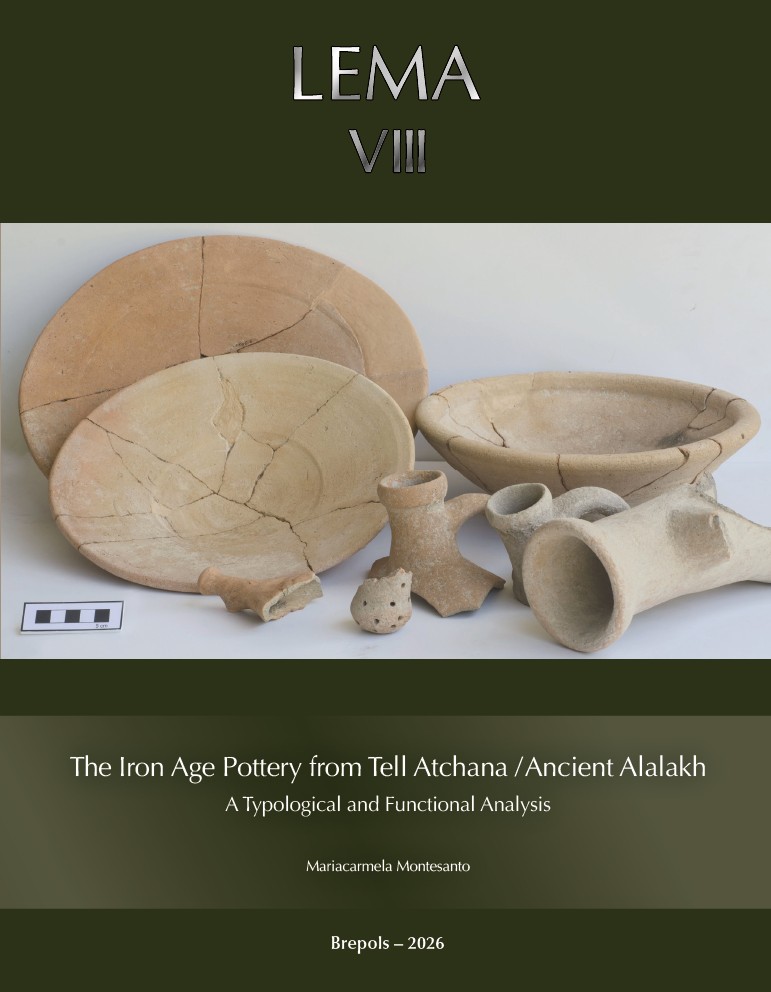 The Iron Age Pottery from Tell Atchana / Ancient Alalakh
A Typological and Functional Analysis
Volume 8
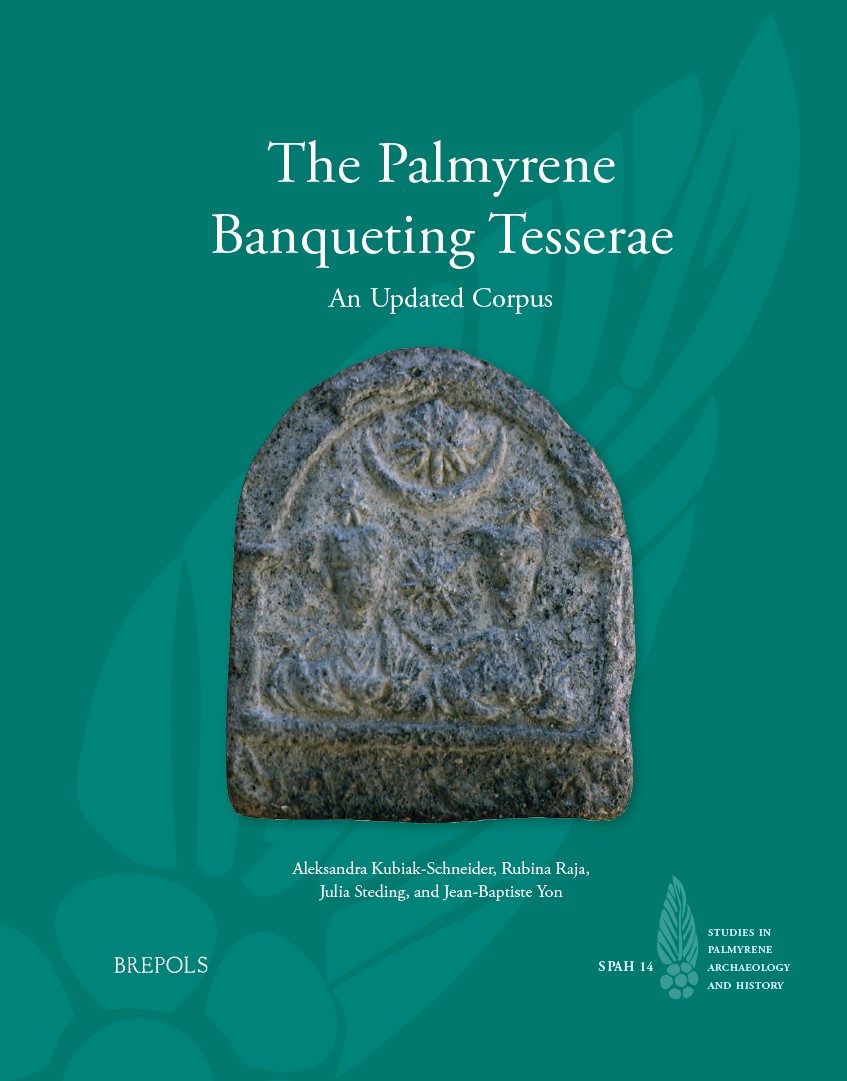

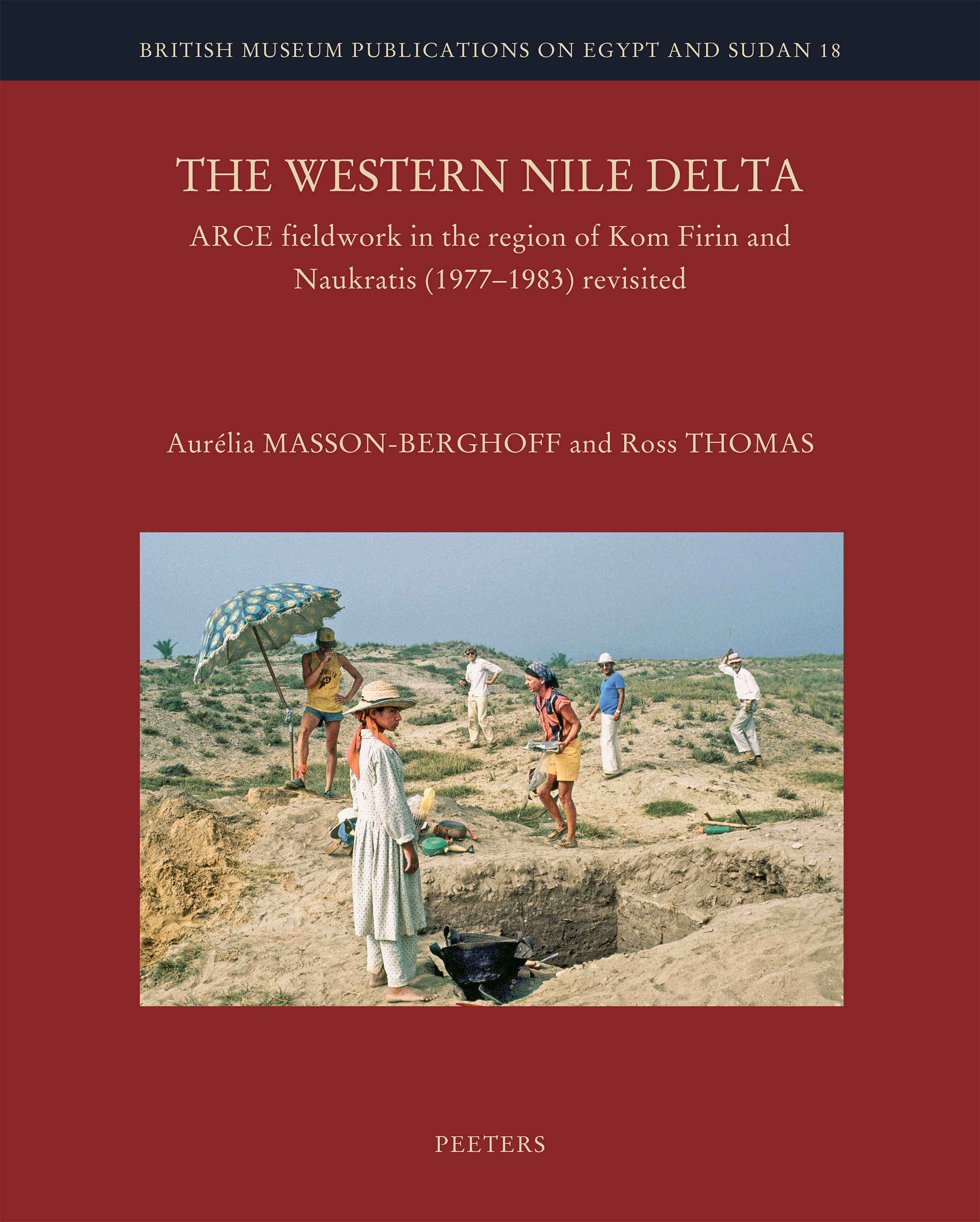 The Western Nile Delta
ARCE Fieldwork in the Region of Kom Firin and Naukratis (1977-1983) Revisited
 Writing in the Church of the Nativity in Bethlehem
Inscription and Graffiti in a Multilingual and Multigraphic Perspective
Volume 45



 Atlante tematico di topografia antica 36-2026
Urbanistica e monumenti, porti, Roma. Ricerche sui monti Aurunci
Volume 36
 Cerámica común romana y ciclo haliéutico
Análisis de los contextos de las cetariae de Iulia Traducta