
Technologies of Learning
Apprenticeship in Antwerp from the 15th Century to the End of the Ancien Regime
By (author) Bert De Munck

The importance of training and education is on the increase. While the production of ‘human capital’ is seen as a motor for a competitive economy, skills and expertise proof to be necessary for social mobility. Remarkably, in conceiving modern forms of ‘apprenticeship’, several mechanisms from the acien regime, seem to return. The difference between public and private initiative is disappearing, education and training is being confused, and in order to acquire generic skills as flexibility, communicability, self-rule, creativity and so on, youngsters have to learn ‘in context’. Even for maths, scholars now talk of ‘situated learning’.Before the advent of a formal schooling system, training took place on the shop floor, under the roof of a master. The apprentice not only worked but also lived in his master’s house and was thus trained and educated at the same time. In cities, this system was formally complemented by an official apprenticeship system, prescribing a minimum term to serve and an obligatory masterpiece for those who wanted to become masters themselves. Traditionally, historians see this as an archaic and backward way of training, yet this book’s aim is to show that is was instead a very flexible and dynamic system, perfectly in tune with the demands of an early modern economy.In order to understand it fully, however, we should differentiate the informal training system organised via a ‘free market’ of indentures on the one hand and the institutionalised system of craft guilds on the other. In Antwerp, early modern guilds had a project of ’emancipating’ their members. They didn’t simply produce certain skills, but through a system of quality marks defended the honour of craftsmen. This is the difference with current practices. By representing hands-on skills as superior, guilds supplied a sort of symbolic capital for workers.
The importance of training and education is on the increase. While the production of ‘human capital’ is seen as a motor for a competitive economy, skills and expertise proof to be necessary for social mobility. Remarkably, in conceiving modern forms of ‘apprenticeship’, several mechanisms from the acien regime, seem to return. The difference between public and private initiative is disappearing, education and training is being confused, and in order to acquire generic skills as flexibility, communicability, self-rule, creativity and so on, youngsters have to learn ‘in context’. Even for maths, scholars now talk of ‘situated learning’.Before the advent of a formal schooling system, training took place on the shop floor, under the roof of a master. The apprentice not only worked but also lived in his master’s house and was thus trained and educated at the same time. In cities, this system was formally complemented by an official apprenticeship system, prescribing a minimum term to serve and an obligatory masterpiece for those who wanted to become masters themselves. Traditionally, historians see this as an archaic and backward way of training, yet this book’s aim is to show that is was instead a very flexible and dynamic system, perfectly in tune with the demands of an early modern economy.In order to understand it fully, however, we should differentiate the informal training system organised via a ‘free market’ of indentures on the one hand and the institutionalised system of craft guilds on the other. In Antwerp, early modern guilds had a project of ’emancipating’ their members. They didn’t simply produce certain skills, but through a system of quality marks defended the honour of craftsmen. This is the difference with current practices. By representing hands-on skills as superior, guilds supplied a sort of symbolic capital for workers.
- By (author) Bert De Munck
Other Titles in this Series
 De Bono Communi
The Discourse and Practice of the Common Good in the European City (13th-16th c.) / Discours et pratique du Bien Commun dans les villes d'Europe (XIIIe au XVIe siecle)
Volume 22

 La Justice dans une ville du Nord du Royaume de France au Moyen Age
Etude sur la pratique judiciaire a Saint-Quentin (fin XIe-debut XVe siecle)
Volume 24
 Civilites et incivilites urbaines
Urbanite, rituels et ceremonies dans la ville du XVIIe siecle
Volume 62
 Le chatiment des villes dans les espaces mediterraneens (Antiquite, Moyen Age, Epoque moderne)
Volume 26

 Emotions in the Heart of the City (14th-16th century) / Les emotions au coeur de la ville (XIVe-XVIe siecle)
Les emotions au coeur de la ville (XIVe-XVIe siecle)
Volume 5

 Le pouvoir en ville
Gestion urbaine et pratiques politiques a Geneve (fin XIIIe - debut XVIe siecles)
Volume 25
 The Rise of Cities Revisited
Reflections on Adriaan Verhulst's Vision of Urban Genesis and Developments in the Medieval Low Countries
Volume 61

 Woven into the Urban Fabric
Cloth Manufacture and Economic Development in the Flemish West-Quarter (1300-1600)
Volume 54


 Urban Elites and Aristocratic Behaviour in the Spanish Kingdoms at the End of the Middle Ages
Volume 27


 Des amities ciblees
Concours de tir et diplomatie urbaine dans le Saint-Empire, XVe-XVIe siecle
Volume 51
 The city, the duke and their banker
The Rapondi family and the formation of the Burgundian state (1384-1430)
Volume 7
 The Power of Space in Late Medieval and Early Modern Europe
The cities of Italy, Northern France and the Low Countries
Volume 30

 Sixteenth-century Antwerp and its Rural Surroundings
Social and Economic Changes in the Hinterland of a Commercial Metropolis (ca. 1450 - ca. 1570)
Volume 14

 Epitomes of Evil
Representations of Executioners in Northern France and the Low Countries in the Late Middle Ages
Volume 8
 Usuriers publics et banquiers du Prince
Le role economique des financiers piemontais dans les villes du duche de Brabant (XIIIe-XIVe siecle)
Volume 28

 For the Common Good
State Power and Urban Revolts in the Reign of Mary of Burgundy, 1477-1482
Volume 17
 Subaltern City?
Alternative and Peripheral Urban Spaces in the Pre-modern Period (13th-18th Centuries)
Volume 46

 La police de Bruxelles entre reformes et revolutions (1748-1814)
Police urbaine et modernite
Volume 29
Similar Books


 Balthasar Caymox of Nuremberg
Early Modern German Print Publishers: Popular Prints of the Seventeenth Century
 Beyond Sovereign Courts
Agents and Practices in Early Modern Spanish and Habsburg Diplomacy
Volume 3


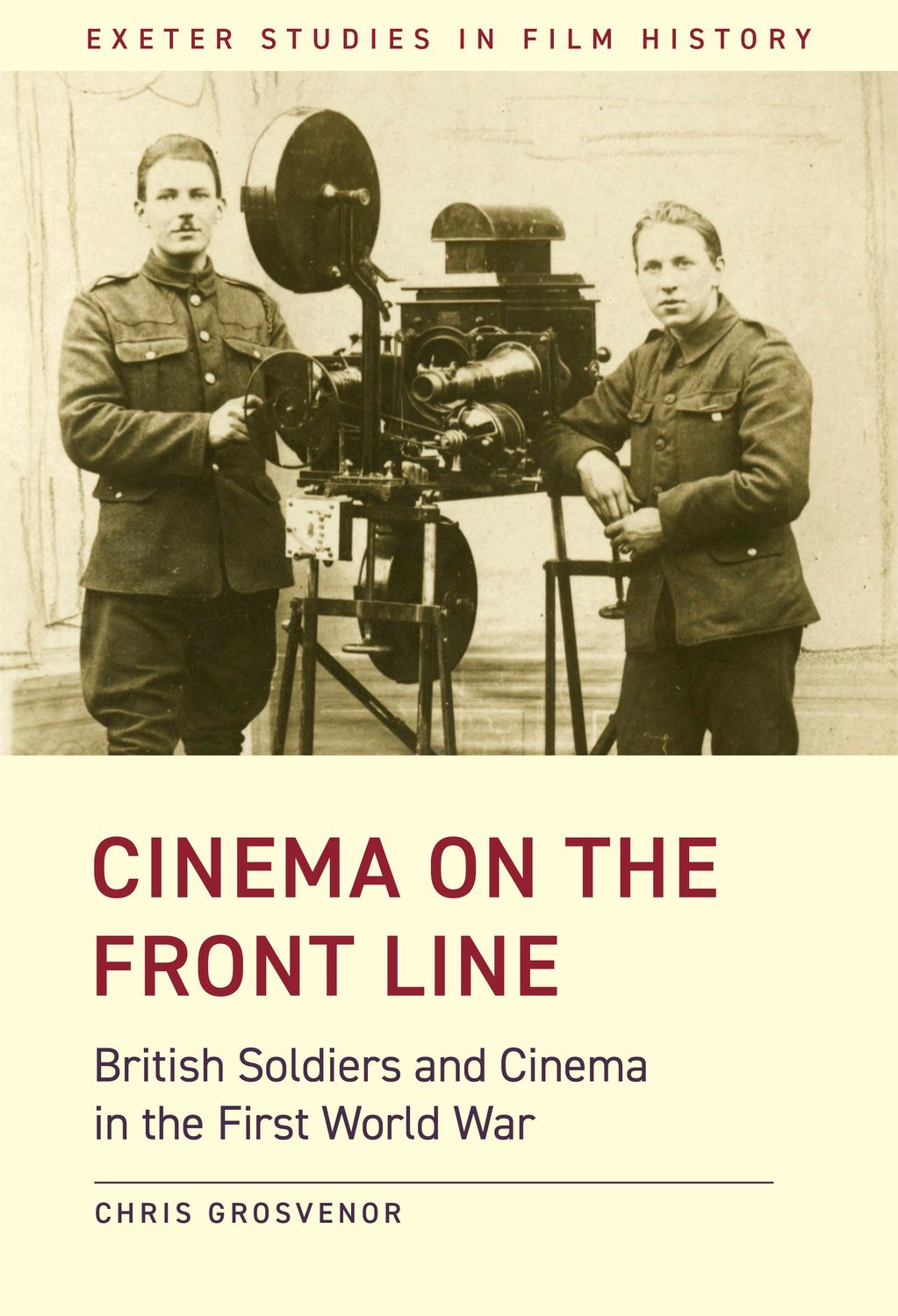
 Circulation, Use, Impact
The Consumption of Architectural Books in the Early Modern Eastern Adriatic
Volume 1

 Councils, Conflicts, Correspondence
Urban Diplomacy in Reval (Tallinn) and Lübeck (c. 1470–1570)
Volume 67


 European Drama and Performance Studies
Dramatisations politiques. Théâtre, politique et idéologie au XIXe siècle (1806-1914)
Volume 27


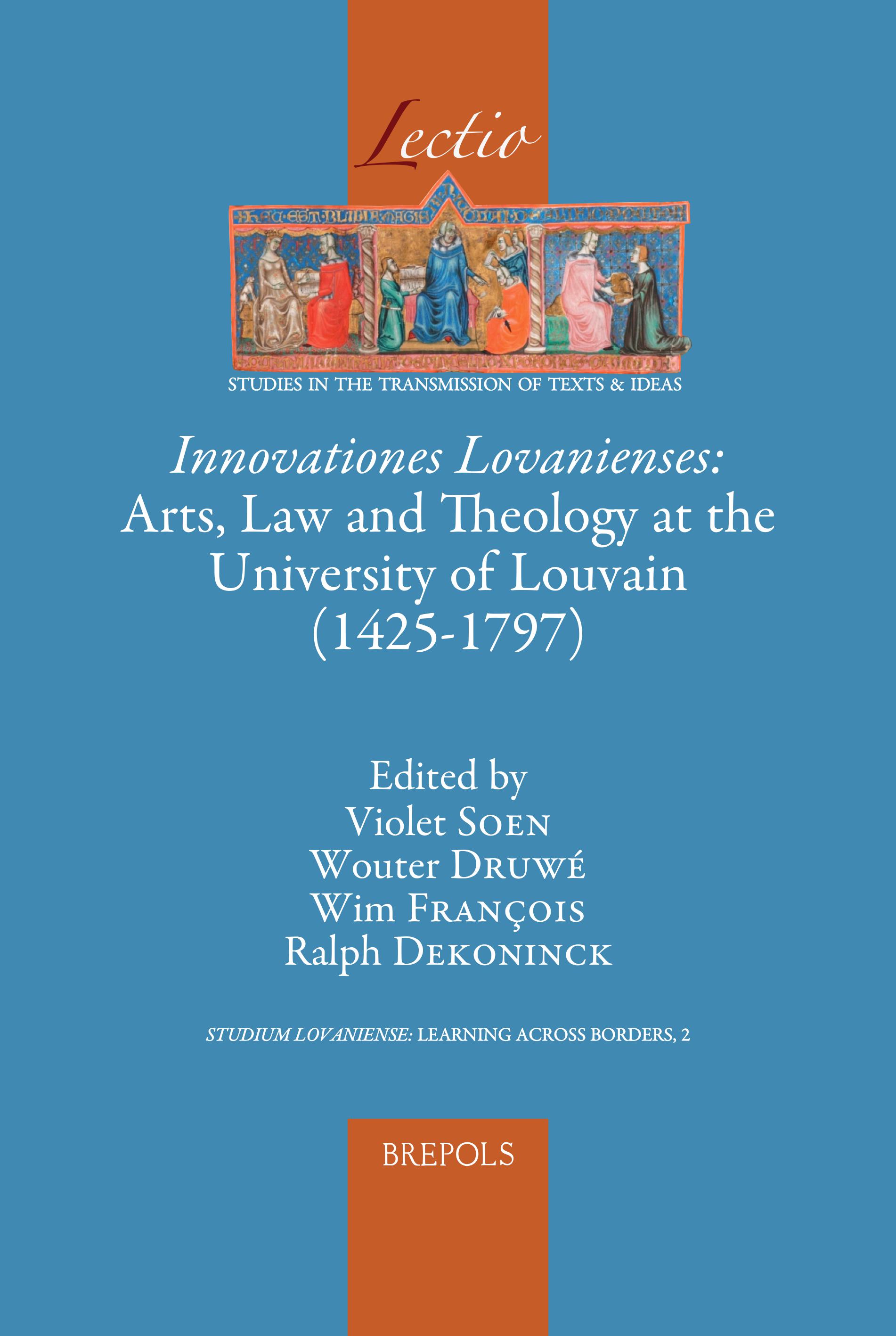 Innovationes Lovanienses: Arts, Law and Theology at the University of Louvain (1425–1797)
Studium Lovaniense: Learning across Borders, 2
Volume 18

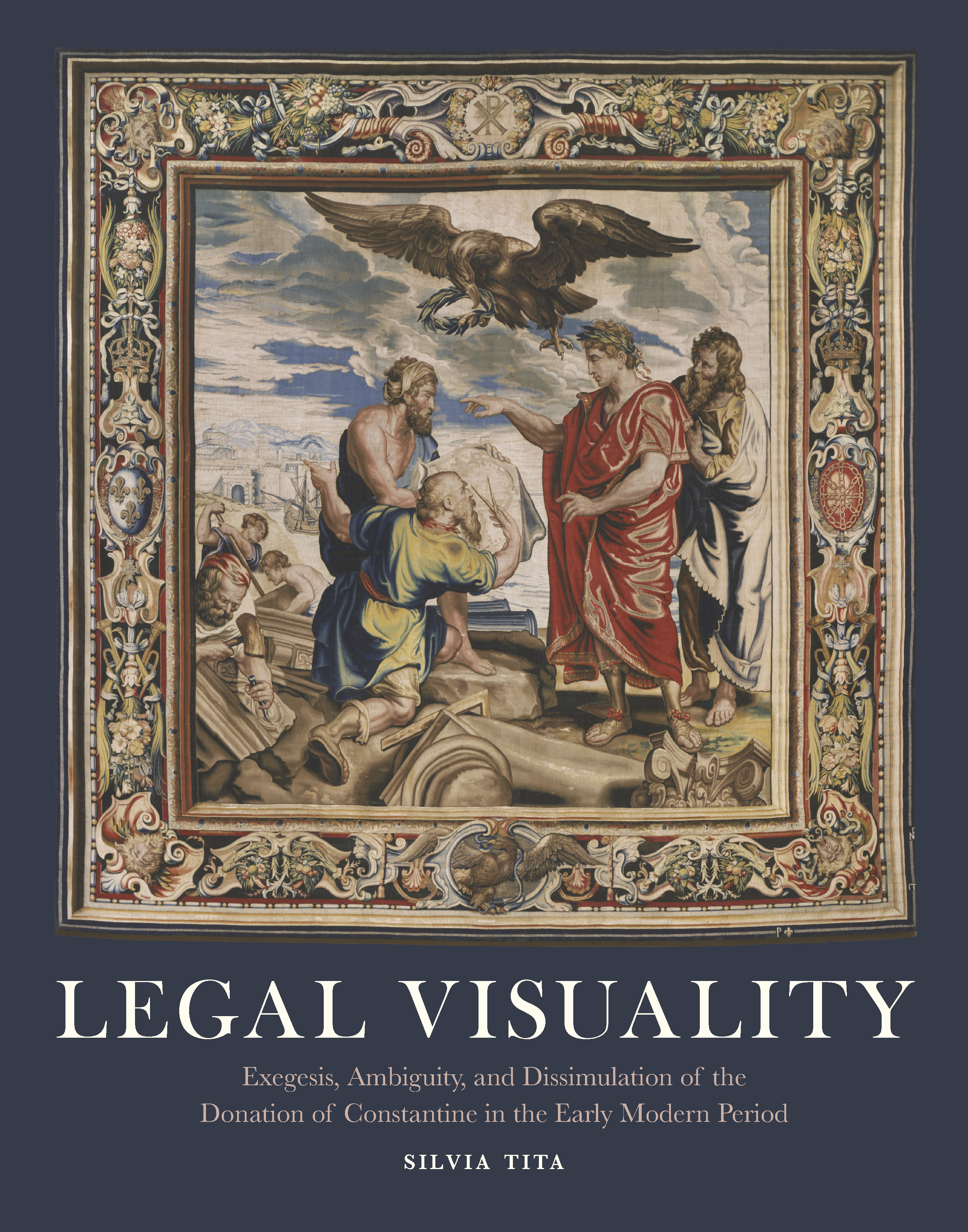 Legal Visuality
Exegesis, Ambiguity, and Dissimulation of the Donation of Constantine in the Early Modern Period

 Modernization, Crises, Cultural Revolutions
Yugoslavia’s 1960s and 1970s through the amateur film lens

 Naples as Laboratory / Laboratorium Neapel
Style Options, Artistic Rivalry and Self Fashioning in Neapolitan Baroque Painting / Plurale Stilbildung, Kunstlerkonkurrenz und Self Fashioning in der neapolitanischen Barockmalerei


 Power and Women in Southeast and Central Europe in Late Medieval and Early Modern Period (1300-1600)
Volume 10


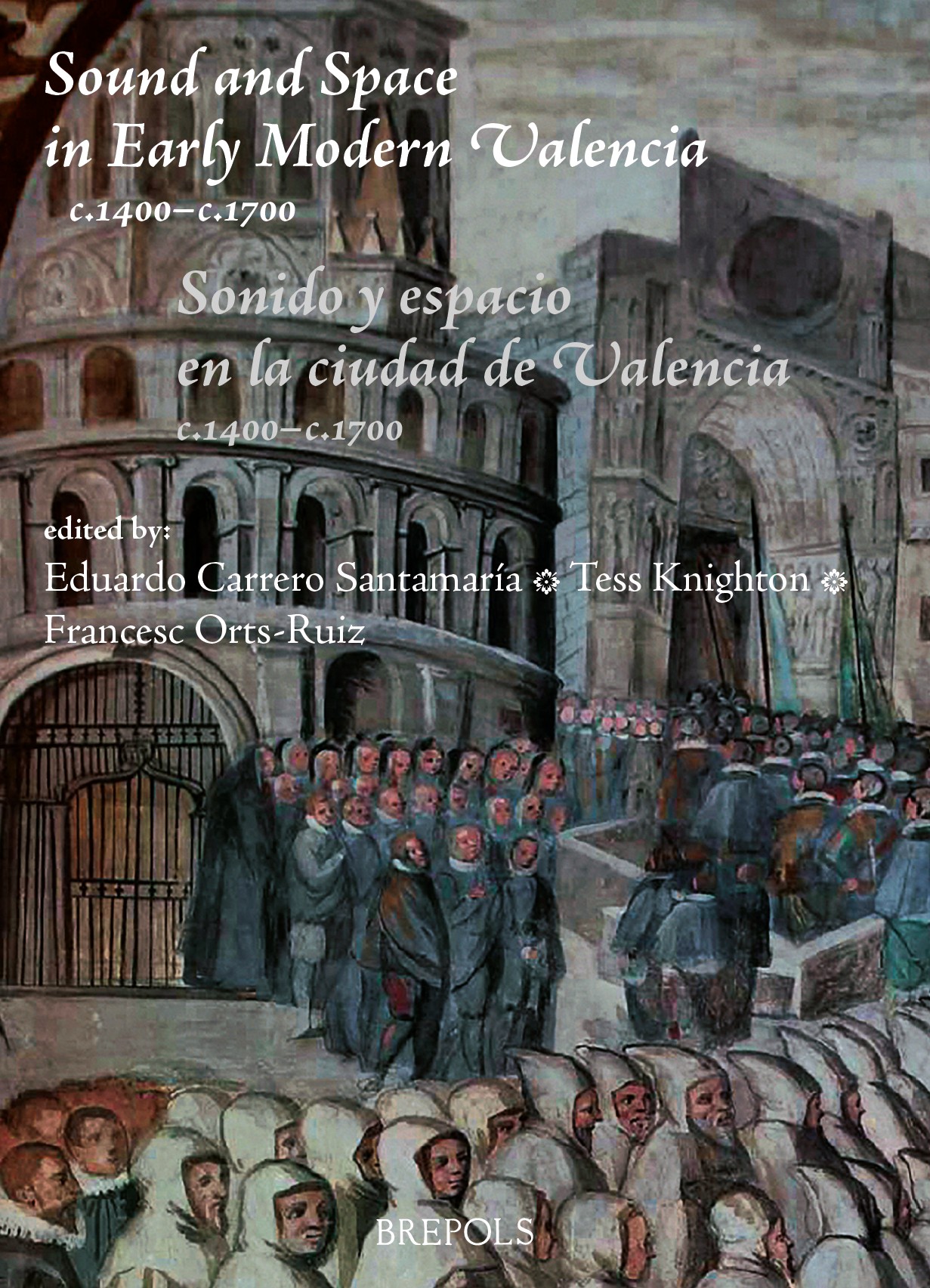
 Staging the Spectacle of Majesty
Ceremonial, Courtly Space, and Collecting under the Spanish Habsburgs
Volume 9
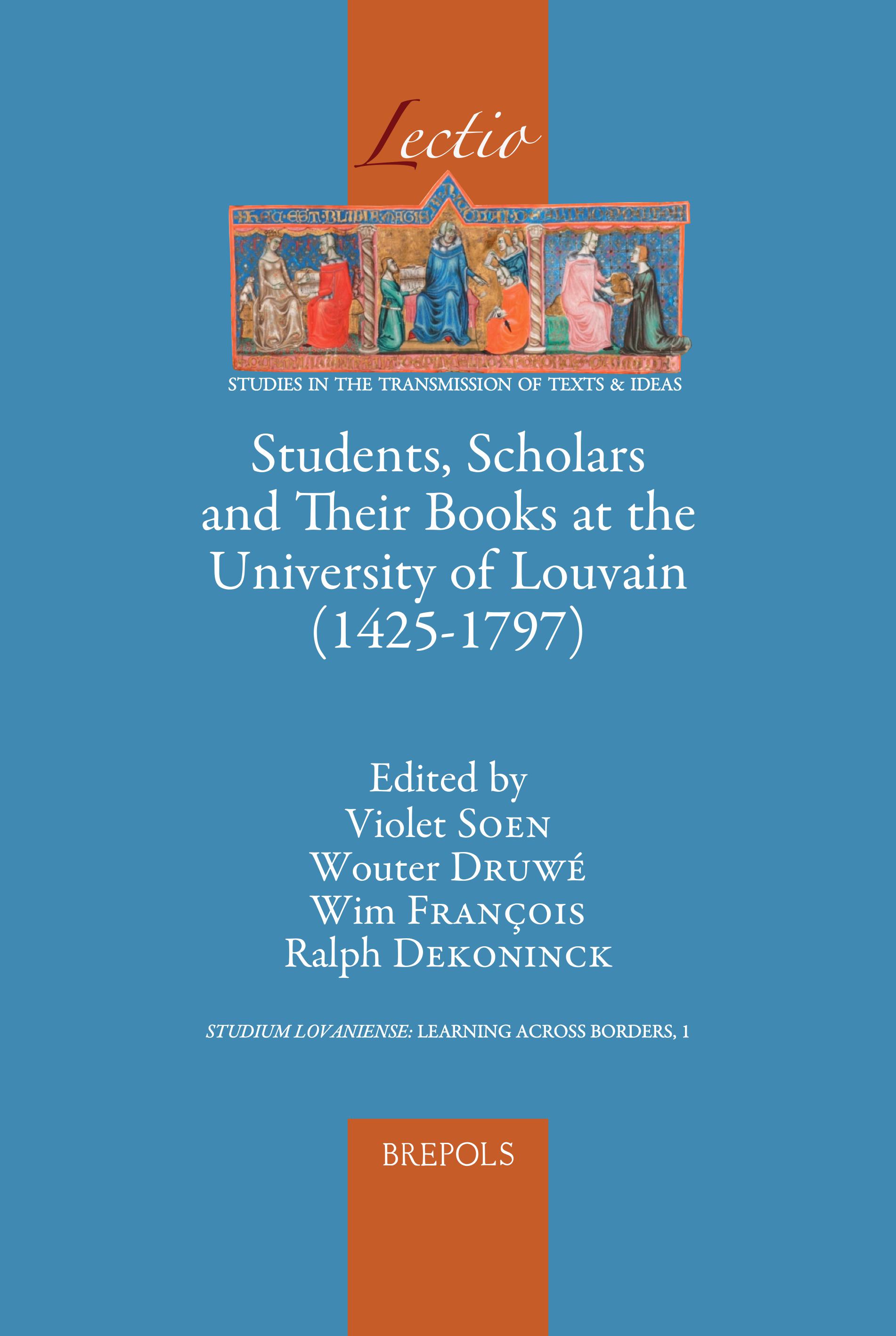 Students, Scholars and Their Books at the University of Louvain (1425-1797)
Studium Lovaniense: Learning across Borders, 1
Volume 17


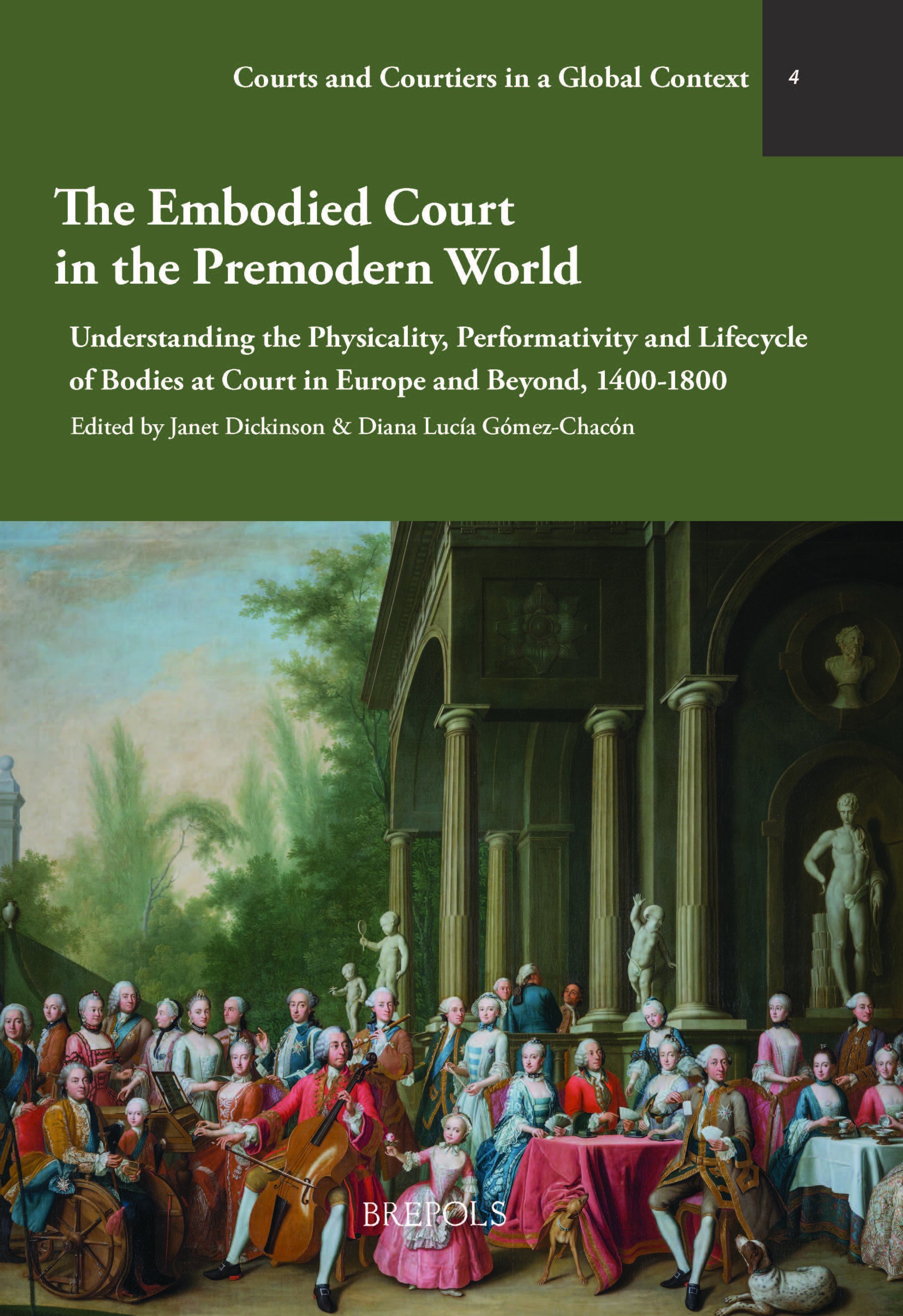 The Embodied Court in the Premodern World
Understanding the Physicality, Performativity and Lifecycle of Bodies at Court in Europe and Beyond, 1400-1800
Volume 4