
The city, the duke and their banker
The Rapondi family and the formation of the Burgundian state (1384-1430)
By (author) Bart Lambert

During the second half of the fourteenth and the first half of the fifteenth century, it was particularly hazardous for medieval merchants to invest in government finance. The ‘certainty of uncertainty’ involved in dealing with princes proved disastrous for innumerable businesses, whether they were modest one-man firms or colossal ‘super companies’. Yet, in this same period, the Rapondi, a family active in Bruges but originating from the Italian city of Lucca, achieved a career of more than thirty years in the money-lending business, ending with encomiums of princely praise instead of a bankruptcy. This book explains this remarkable achievement, not with a conventional focus on the individuals who agreed the loans and made up the bills, but by linking their work to the phenomenon that dominated the social and political scene of the Low Countries at the time: the formation of the Burgundian state. In the context of the politics of centralization conducted by the Burgundian dukes and the resistance of the Flemish cities the success story of the Rapondi can be understood. The Duke, the City and their Banker analyses how the firm first engaged in this interaction, how it was able to maintain its position while others failed and how these relations came to an end. While the emphasis of the book lies on the Rapondis’ activities in Bruges, the meeting-place of international trade and finance in the fourteenth and fifteenth century, it also offers new insights into other important episodes of this fascinating period, including the Great Western Schism that divided the papacy, the continuing hostilities between England and France and the internal French conflict between Bourguignons and Armagnacs. In doing so, The Duke, the City and their Banker shows how an Italian merchant family was able to shape late medieval economic and political history. The master’s thesis on which this book is based was awarded with the Dexia Prize for History 2005
During the second half of the fourteenth and the first half of the fifteenth century, it was particularly hazardous for medieval merchants to invest in government finance. The ‘certainty of uncertainty’ involved in dealing with princes proved disastrous for innumerable businesses, whether they were modest one-man firms or colossal ‘super companies’. Yet, in this same period, the Rapondi, a family active in Bruges but originating from the Italian city of Lucca, achieved a career of more than thirty years in the money-lending business, ending with encomiums of princely praise instead of a bankruptcy. This book explains this remarkable achievement, not with a conventional focus on the individuals who agreed the loans and made up the bills, but by linking their work to the phenomenon that dominated the social and political scene of the Low Countries at the time: the formation of the Burgundian state. In the context of the politics of centralization conducted by the Burgundian dukes and the resistance of the Flemish cities the success story of the Rapondi can be understood. The Duke, the City and their Banker analyses how the firm first engaged in this interaction, how it was able to maintain its position while others failed and how these relations came to an end. While the emphasis of the book lies on the Rapondis’ activities in Bruges, the meeting-place of international trade and finance in the fourteenth and fifteenth century, it also offers new insights into other important episodes of this fascinating period, including the Great Western Schism that divided the papacy, the continuing hostilities between England and France and the internal French conflict between Bourguignons and Armagnacs. In doing so, The Duke, the City and their Banker shows how an Italian merchant family was able to shape late medieval economic and political history. The master’s thesis on which this book is based was awarded with the Dexia Prize for History 2005
- By (author) Bart Lambert
Other Titles in this Series
 Epitomes of Evil
Representations of Executioners in Northern France and the Low Countries in the Late Middle Ages
Volume 8
 Usuriers publics et banquiers du Prince
Le role economique des financiers piemontais dans les villes du duche de Brabant (XIIIe-XIVe siecle)
Volume 28

 Sixteenth-century Antwerp and its Rural Surroundings
Social and Economic Changes in the Hinterland of a Commercial Metropolis (ca. 1450 - ca. 1570)
Volume 14
 Subaltern City?
Alternative and Peripheral Urban Spaces in the Pre-modern Period (13th-18th Centuries)
Volume 46

 La police de Bruxelles entre reformes et revolutions (1748-1814)
Police urbaine et modernite
Volume 29
 Message in a Bottle
Merchants' letters, merchants' marks and conflict management in 1533-34. A source edition
Volume 57
 For the Common Good
State Power and Urban Revolts in the Reign of Mary of Burgundy, 1477-1482
Volume 17


 Public Opinion and Political Contest in Late Medieval Paris
The Parisian Bourgeois and his Community, 1400-1450
Volume 60


 Innovation and Medieval Communities
The Circulation of Ideas and Practices in and out of the Town (1200-1500)
Volume 63


 Economies, Public Finances, and the Impact of Institutional Changes in Interregional Perspective
The Low Countries and Neighbouring German Territories (14th-17th centuries)
Volume 36
 Les identites urbaines au Moyen Age. Regards sur les villes du Midi francais
Actes du colloque de Montpellier 8-9 decembre 2011
Volume 32


 Sociabilite urbaine et criminalisation etatique
La justice namuroise face a la violence de 1360 a 1555
Volume 39

 The Seven Sorrows Confraternity of Brussels
Drama, Ceremony, and Art Patronage (16th-17th Centuries)
Volume 37
 Moving Pictures. Intra-European Trade in Images, 16th-18th Centuries
Intra-European Trade in Images, 16th-18th Centuries
Volume 34
Similar Books
 A Collaborative Tapestry in Honour of Shirley Ann Brown / Une fresque brodée en l’honneur de Shirley Ann Brown
The Bayeux Tapestry Seen by her Colleagues and Friends / La Tapisserie de Bayeux vue par ses collègues et amis
 Behind the Scenes of Medieval Roofs
An Overview of the Roofing Systems of Italian Churches
Volume 90






 Innovation and Medieval Communities
The Circulation of Ideas and Practices in and out of the Town (1200-1500)
Volume 63
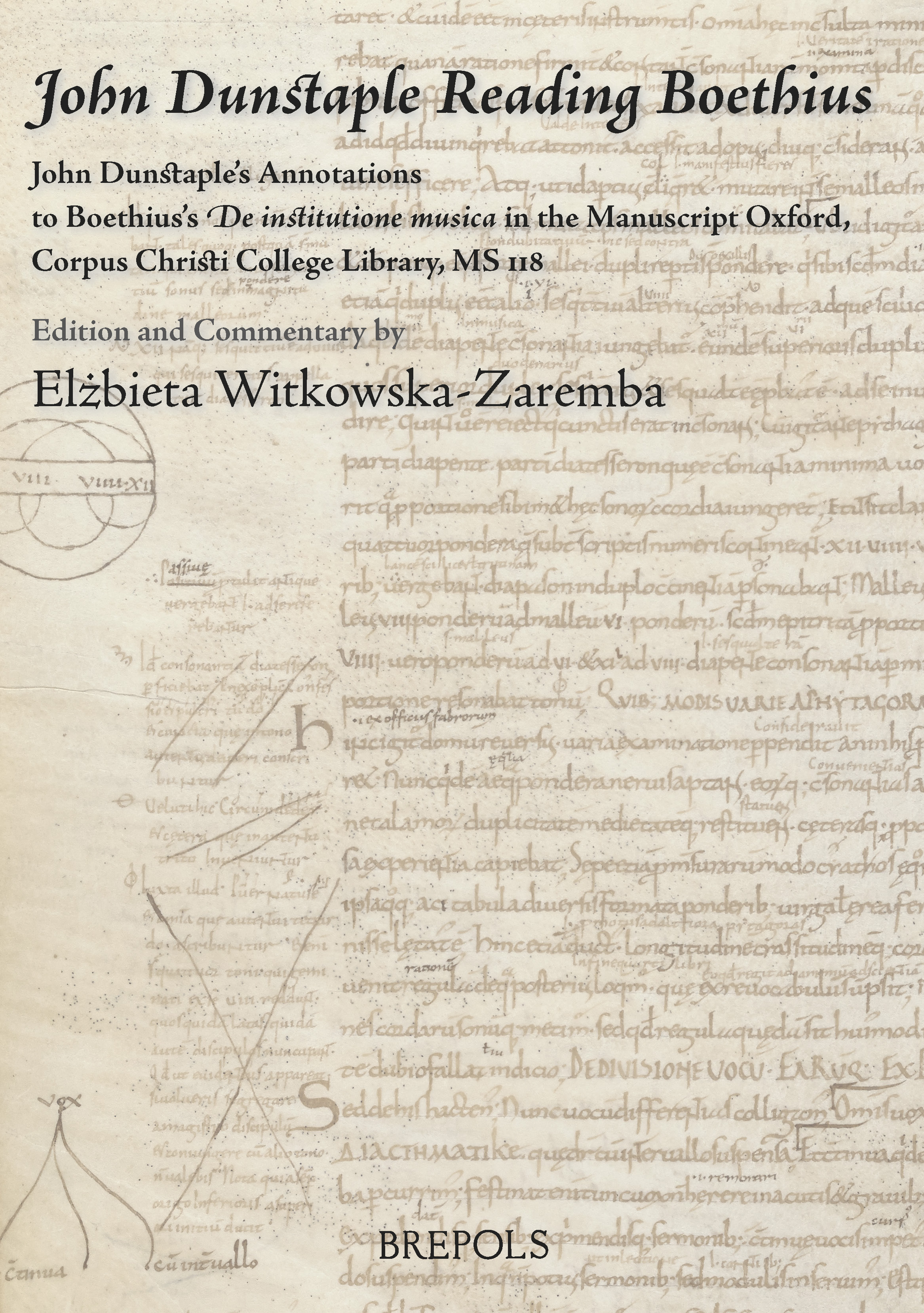 John Dunstaple Reading Boethius
John Dunstaple’s Annotations to Boethius’s “De institutione musica” in the Manuscript Oxford, Corpus Christi College Library, MS 118
 Linguistic and Cultural Dynamics in a Frontier Society
New Perspectives on Northeastern Bavaria and Western Bohemia in the Early Middle Ages
Volume 9
 Medieval Debates on Foreknowledge: Future Contingents, Prophecy, and Divination
Acts of the XXVII Annual Colloquium of the SIEPM, Trento 12-15 September 2023
Volume 31
 Medieval Yeghegis, Armenia
History, Archaeology, Society. Local Multiplicities and Global Connections of a Rural Centre on the Silk Road(s)


 Power and Women in Southeast and Central Europe in Late Medieval and Early Modern Period (1300-1600)
Volume 10


 The Anglo-Norman Bible’s Books of Kings, a Critical Edition
(BL Royal 1 C III, fols 234r-274v)
Volume 37


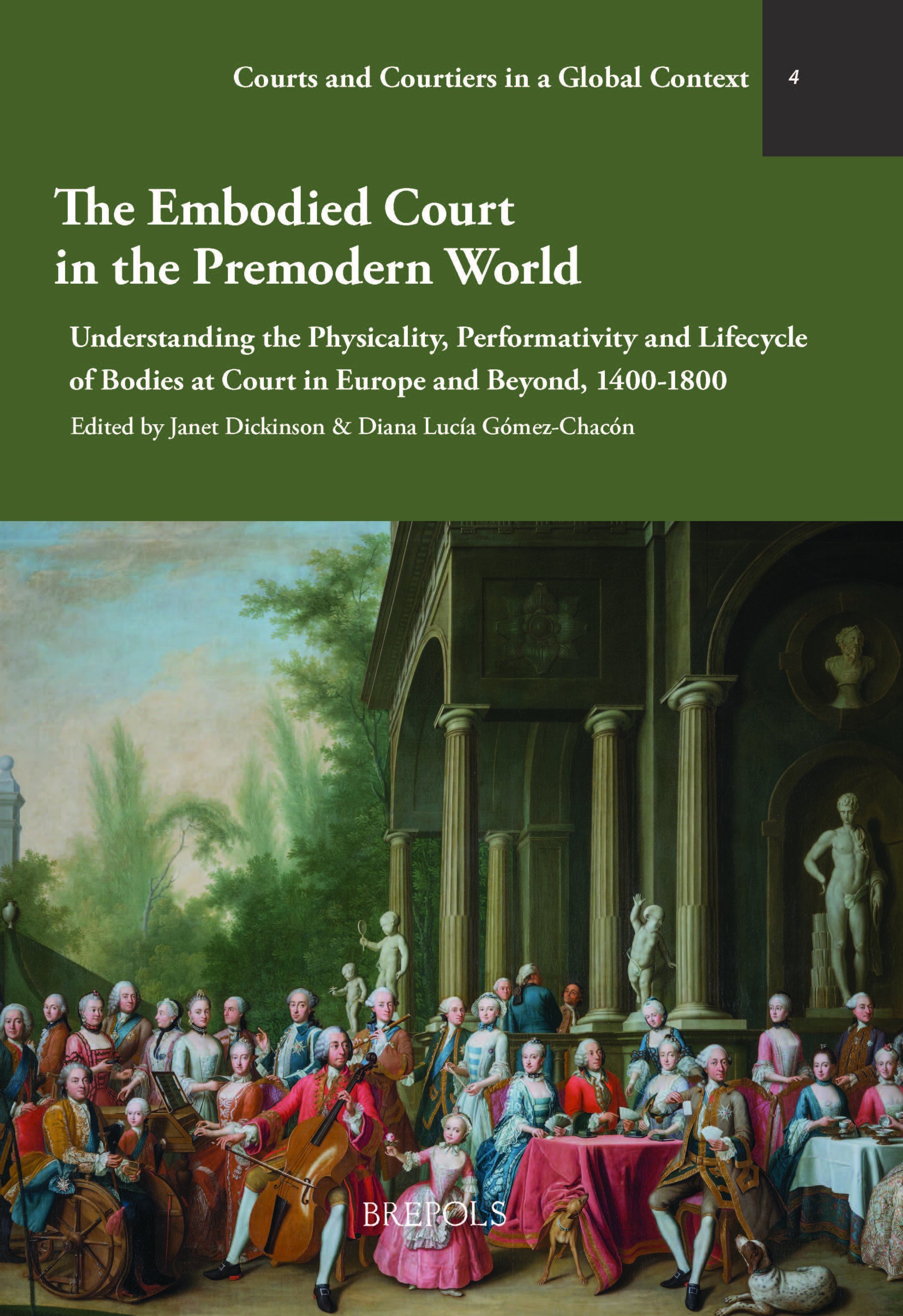 The Embodied Court in the Premodern World
Understanding the Physicality, Performativity and Lifecycle of Bodies at Court in Europe and Beyond, 1400-1800
Volume 4


