
Sixteenth-century Antwerp and its Rural Surroundings
Social and Economic Changes in the Hinterland of a Commercial Metropolis (ca. 1450 - ca. 1570)
By (author) Michael Limberger

This study of sixteenth-century Antwerp and its surroundings is an attempt to combine commercial explanation models concerning the impact of great towns on their surrounding countryside with an approach in which institutional factors, and especially property relations, play the major role. It focuses on four types of influence of Antwerp on its surroundings: – the demographic impact – the increasing urban demand for agrarian products -the impact of the urban economy on non-agrarian types of labour in the countryside and – the purchases of land and other investments made by Antwerp citizens and their impact on the property relations in the surrounding countryside Within the framework of these four fields of interaction between town and countryside, three essential questions have to be answered: First, how can we characterize the urban influence in each of these fields? Can it be considered a stimulus for the rural economy or rather an obstacle? Second, what was the economic response of the rural economy to the urban impact? Did it respond by specializing, according to the model presented by J. de Vries, and others, or were there obstacles that obstructed specialization? Third, what role did the medieval legacies play in the interaction between the ‘capitalist’ metropolis and the ‘feudal’ countryside? Michael Limberger teaches at the Catholic University Brussels (KUB) and at Ghent University. His research covers late medieval and early modern economic and social history, especially of the Low Countries.
This study of sixteenth-century Antwerp and its surroundings is an attempt to combine commercial explanation models concerning the impact of great towns on their surrounding countryside with an approach in which institutional factors, and especially property relations, play the major role. It focuses on four types of influence of Antwerp on its surroundings: – the demographic impact – the increasing urban demand for agrarian products -the impact of the urban economy on non-agrarian types of labour in the countryside and – the purchases of land and other investments made by Antwerp citizens and their impact on the property relations in the surrounding countryside Within the framework of these four fields of interaction between town and countryside, three essential questions have to be answered: First, how can we characterize the urban influence in each of these fields? Can it be considered a stimulus for the rural economy or rather an obstacle? Second, what was the economic response of the rural economy to the urban impact? Did it respond by specializing, according to the model presented by J. de Vries, and others, or were there obstacles that obstructed specialization? Third, what role did the medieval legacies play in the interaction between the ‘capitalist’ metropolis and the ‘feudal’ countryside? Michael Limberger teaches at the Catholic University Brussels (KUB) and at Ghent University. His research covers late medieval and early modern economic and social history, especially of the Low Countries.
- By (author) Michael Limberger
Other Titles in this Series


 Public Opinion and Political Contest in Late Medieval Paris
The Parisian Bourgeois and his Community, 1400-1450
Volume 60


 Innovation and Medieval Communities
The Circulation of Ideas and Practices in and out of the Town (1200-1500)
Volume 63


 Economies, Public Finances, and the Impact of Institutional Changes in Interregional Perspective
The Low Countries and Neighbouring German Territories (14th-17th centuries)
Volume 36

 Les identites urbaines au Moyen Age. Regards sur les villes du Midi francais
Actes du colloque de Montpellier 8-9 decembre 2011
Volume 32

 Governments of the Universitates
Urban Communities of Sicily in the Fourteenth and Fifteenth Centuries
Volume 21
 Sociabilite urbaine et criminalisation etatique
La justice namuroise face a la violence de 1360 a 1555
Volume 39
 The Seven Sorrows Confraternity of Brussels
Drama, Ceremony, and Art Patronage (16th-17th Centuries)
Volume 37

 Moving Pictures. Intra-European Trade in Images, 16th-18th Centuries
Intra-European Trade in Images, 16th-18th Centuries
Volume 34

 Gouverner la ville au bas Moyen Age
Les elites dirigeantes de la ville de Namur au XVe siecle
Volume 16

 Earning Dignity
Labour Conditions and Relations during the Century of the Black Death in Marseille
Volume 38
 Councils, Conflicts, Correspondence
Urban Diplomacy in Reval (Tallinn) and Lübeck (c. 1470–1570)
Volume 67
 Des villes en revolte
Les republiques urbaines aux Pays-Bas et en France pendant la deuxieme moitie du XVIe siecle
Volume 23
 Urban Hierarchy
The Interaction between Towns and Cities in Europe in Late Medieval and Early Modern Times
Volume 53
 De Bono Communi
The Discourse and Practice of the Common Good in the European City (13th-16th c.) / Discours et pratique du Bien Commun dans les villes d'Europe (XIIIe au XVIe siecle)
Volume 22

 La Justice dans une ville du Nord du Royaume de France au Moyen Age
Etude sur la pratique judiciaire a Saint-Quentin (fin XIe-debut XVe siecle)
Volume 24
Similar Books


 Balthasar Caymox of Nuremberg
Early Modern German Print Publishers: Popular Prints of the Seventeenth Century
 Beyond Sovereign Courts
Agents and Practices in Early Modern Spanish and Habsburg Diplomacy
Volume 3

 Circulation, Use, Impact
The Consumption of Architectural Books in the Early Modern Eastern Adriatic
Volume 1
 Councils, Conflicts, Correspondence
Urban Diplomacy in Reval (Tallinn) and Lübeck (c. 1470–1570)
Volume 67


 Innovationes Lovanienses: Arts, Law and Theology at the University of Louvain (1425–1797)
Studium Lovaniense: Learning across Borders, 2
Volume 18
 Legal Visuality
Exegesis, Ambiguity, and Dissimulation of the Donation of Constantine in the Early Modern Period

 Naples as Laboratory / Laboratorium Neapel
Style Options, Artistic Rivalry and Self Fashioning in Neapolitan Baroque Painting / Plurale Stilbildung, Kunstlerkonkurrenz und Self Fashioning in der neapolitanischen Barockmalerei
 Power and Women in Southeast and Central Europe in Late Medieval and Early Modern Period (1300-1600)
Volume 10



 Staging the Spectacle of Majesty
Ceremonial, Courtly Space, and Collecting under the Spanish Habsburgs
Volume 9
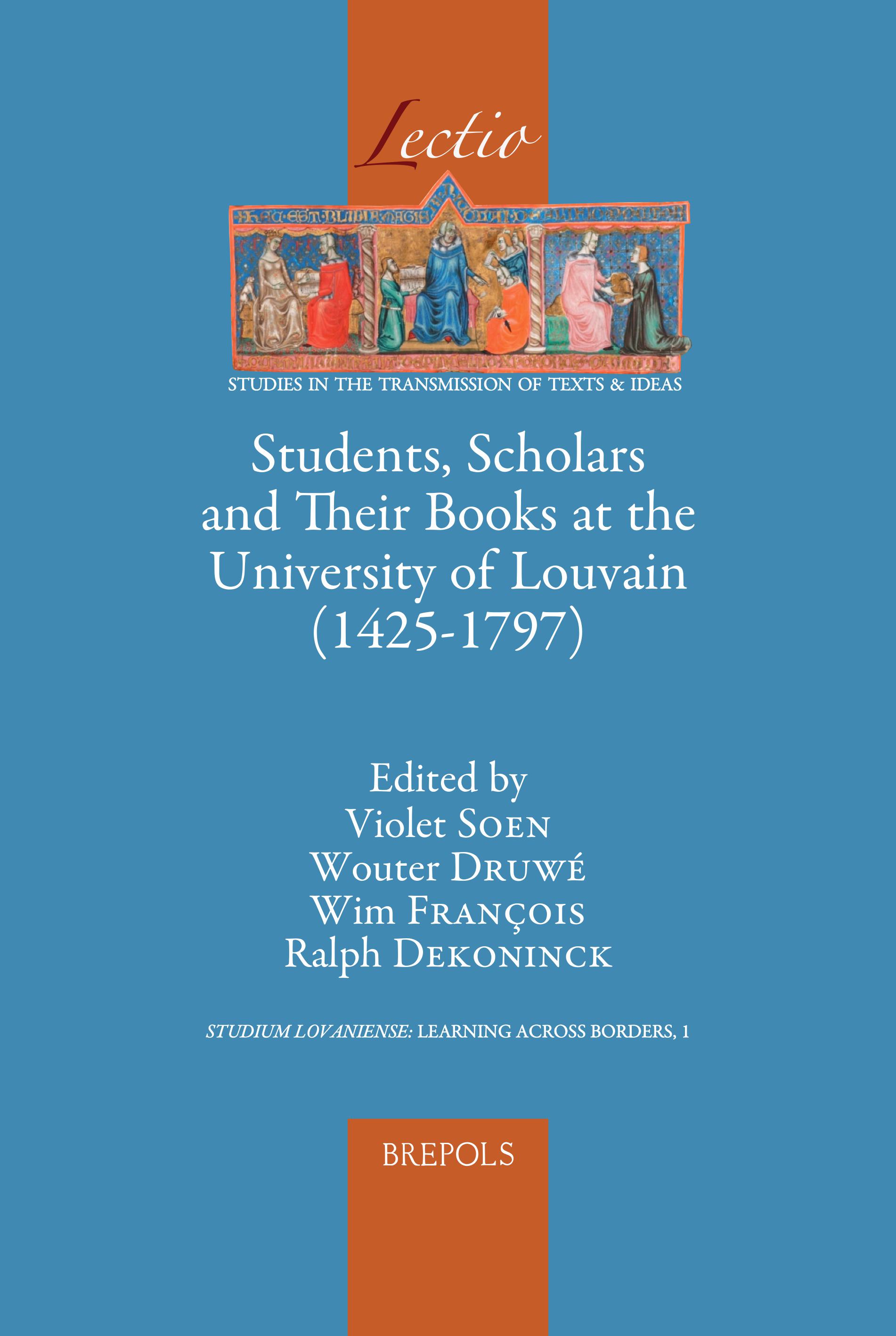 Students, Scholars and Their Books at the University of Louvain (1425-1797)
Studium Lovaniense: Learning across Borders, 1
Volume 17


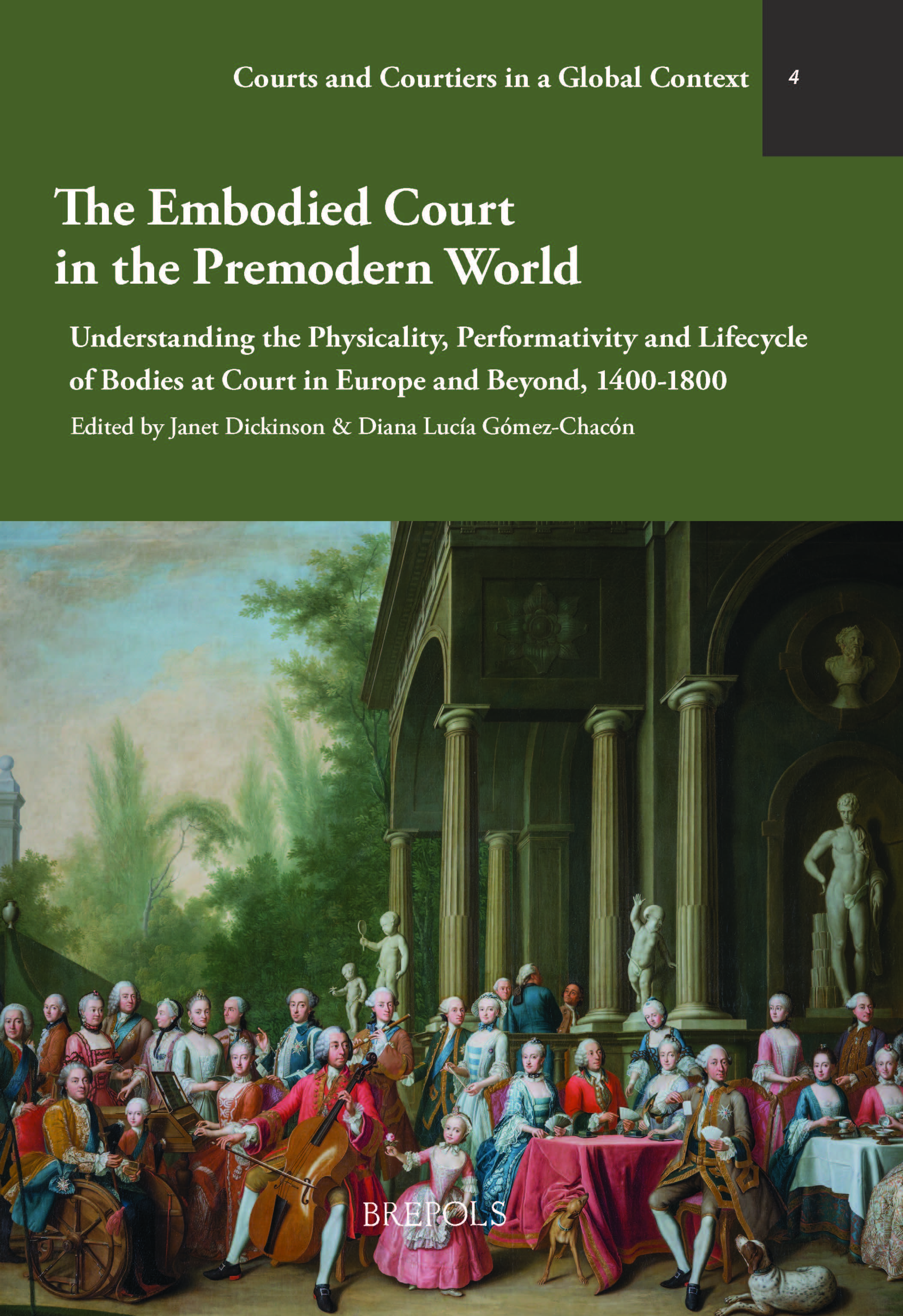 The Embodied Court in the Premodern World
Understanding the Physicality, Performativity and Lifecycle of Bodies at Court in Europe and Beyond, 1400-1800
Volume 4

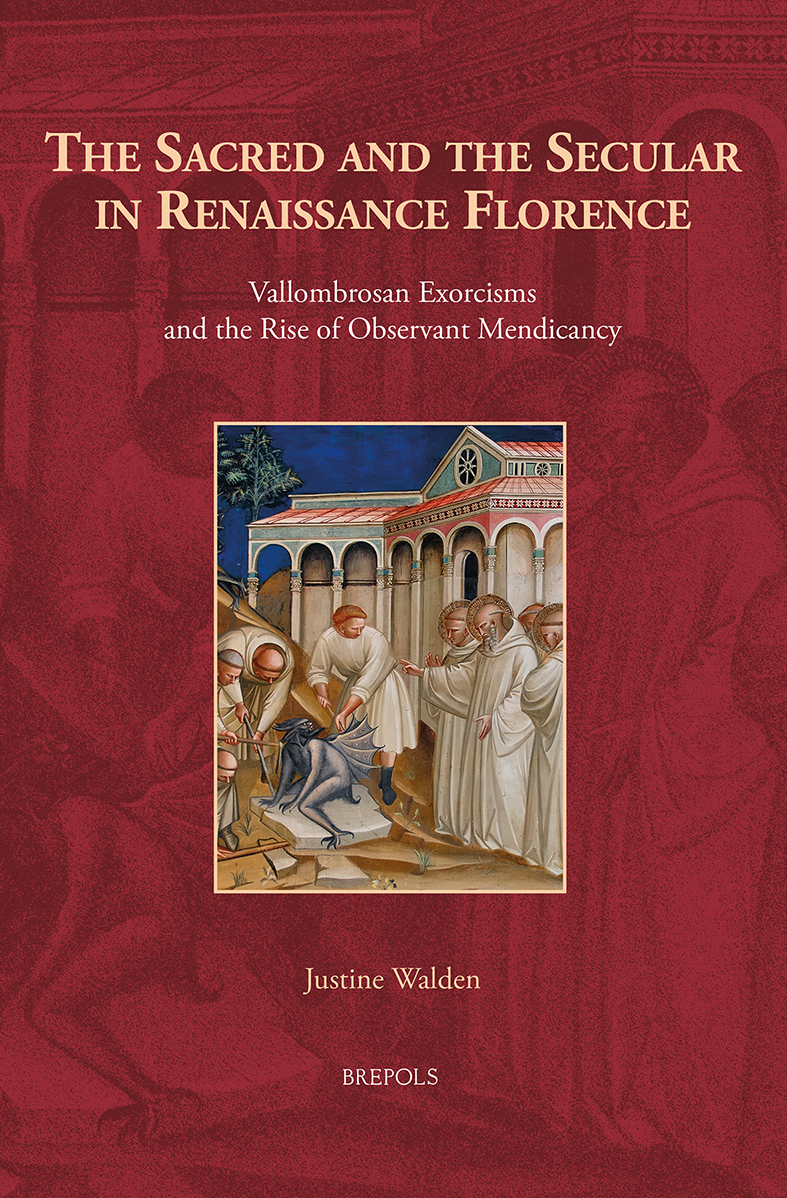 The Sacred and the Secular in Renaissance Florence
Vallombrosan Exorcisms and the Rise of Observant Mendicancy
Volume 31
 Tradition, Interpretation, and Change
Developments in the Liturgy of Medieval and Early Modern Ashkenaz


 À la recherche des normes de traduction
Textes spécialisés dans le monde hispanophone et francophone (1450–1850)

 Briefe einer Fürstin aus dem Dreißigjährigen Krieg
Die Korrespondenz der Kaiserin Maria aus den Jahren 1629 bis 1645
 Die Lutherbibel (1541) des Seidenstickers Hans Plock
Eine buchbiographische und kulturhistorische Untersuchung
Volume 89


