
Stilus – modus – usus
Regeln der Konflikt- und Verhandlungsfuhrung am Papsthof des Mittelalters / Rules of Negotiation and Conflict Resolution at the Papal Court in the Middle Ages
Edited by Jessika Nowak Edited by Georg Strack

By exploring communication and social practices employed during negotiations at the papal court, this volume sheds light on a wide range of sources for studying the high and late medieval papacy. Analyzing the terminology and practice of the ‘stilus curiae’ in documents from all parts of Europe, this volume puts forward a new understanding of negotiation and conflict resolution at the papal court in the Middle Ages. ‘Stilus curiae’ usually refers to the language and style of curial documents, and it is often used to describe the customary application of legal procedure in court practice. The authors of this volume, however, argue for a broader understanding of ‘stilus curiae’ as an umbrella term that encompasses all forms of communication and social practices used during negotiations at the papal court. This volume (the first of two) publishes the results of a research network funded by the German Research Foundation (DFG). Through analysis of the concept(s) of the ‘stilus curiae’, the chapters throw new light on a wide range of sources from the High and Late Middle Ages, including chronicles, biographic and polemic texts, as well as administrative sources, such as letters of petitioners and proctors, speeches, and financial records of ambassadors. Thus, the volume offers a new approach towards the papacy between 1100 and 1500.
By exploring communication and social practices employed during negotiations at the papal court, this volume sheds light on a wide range of sources for studying the high and late medieval papacy. Analyzing the terminology and practice of the ‘stilus curiae’ in documents from all parts of Europe, this volume puts forward a new understanding of negotiation and conflict resolution at the papal court in the Middle Ages. ‘Stilus curiae’ usually refers to the language and style of curial documents, and it is often used to describe the customary application of legal procedure in court practice. The authors of this volume, however, argue for a broader understanding of ‘stilus curiae’ as an umbrella term that encompasses all forms of communication and social practices used during negotiations at the papal court. This volume (the first of two) publishes the results of a research network funded by the German Research Foundation (DFG). Through analysis of the concept(s) of the ‘stilus curiae’, the chapters throw new light on a wide range of sources from the High and Late Middle Ages, including chronicles, biographic and polemic texts, as well as administrative sources, such as letters of petitioners and proctors, speeches, and financial records of ambassadors. Thus, the volume offers a new approach towards the papacy between 1100 and 1500.
- Edited by Jessika Nowak
- Edited by Georg Strack
Other Titles in this Series


 Homo Legens
Styles et pratiques de lecture: Analyses comparees des traditions orales et ecrites au Moyen Age / Styles and Practices of Reading: Comparative Analyses of Oral and Written Traditions in the Middle Ages
Volume 26


 Looking Back from the Invention of Printing
Mothers and the Teaching of Reading in the Middle Ages
Volume 40
 Manuscript Communication
Visual and Textual Mechanics of Communication in Hagiographical Texts from the Southern Low Countries, 900-1200
Volume 32
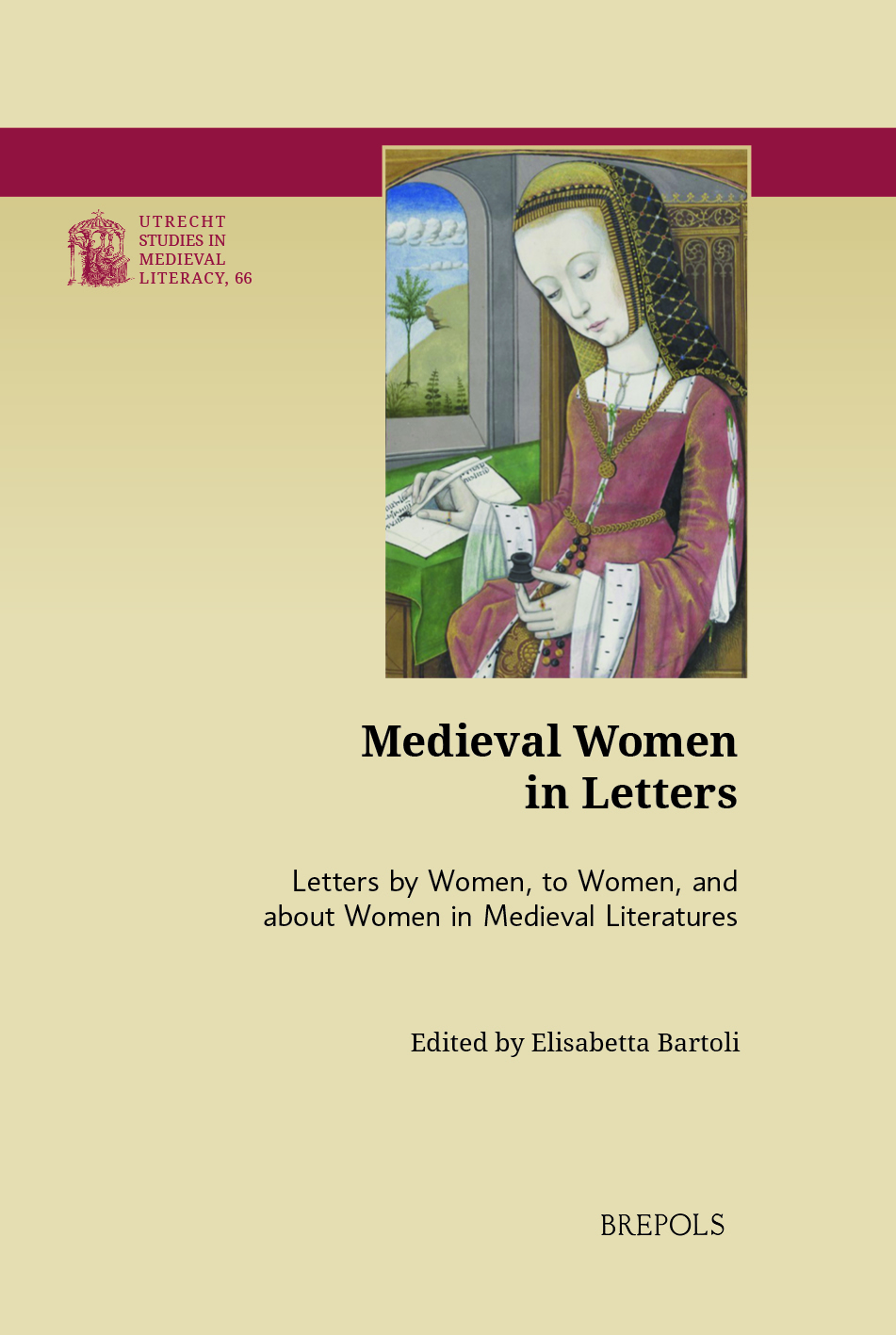 Medieval Women in Letters
Letters by Women, to Women, and about Women in Medieval Literatures
Volume 66


 Writing Names in Medieval Sacred Spaces
Inscriptions in the West, from Late Antiquity to the Early Middle Ages
Volume 56


 Literacy in Medieval and Early Modern Vilnius
Forms of Writing and Rhetorical Spaces in the City
Volume 55
 Orality and Literacy in the Middle Ages
Essays on a Conjunction and its Consequences in Honour of D. H. Green
Volume 12
 Documenting the Everyday in Medieval Europe
The Social Dimensions of a Writing Revolution, 1250-1350
Volume 42


 Understanding Monastic Practices of Oral Communication (Western Europe, tenth-thirteenth centuries)
Volume 21

 Seeing the Invisible in Late Antiquity and the Early Middle Ages
Papers from Verbal and Pictorial Imaging: Representing and Accessing Experience of the Invisible, 400-1000 (Utrecht, 11-13 December 2003)
Volume 14


 Reading Images and Texts
Medieval Images and Texts as Forms of Communication. Papers from the Third Utrecht Symposium on Medieval Literacy, Utrecht, 7-9 December 2000
Volume 8
Similar Books
 ‘For You I Study, For You I Work, For You I Live, For You I Am Ready To Even Give My Life’
Essays in Honour of Francis (Frank) J Moloney, SDB
 A Collaborative Tapestry in Honour of Shirley Ann Brown / Une fresque brodée en l’honneur de Shirley Ann Brown
The Bayeux Tapestry Seen by her Colleagues and Friends / La Tapisserie de Bayeux vue par ses collègues et amis


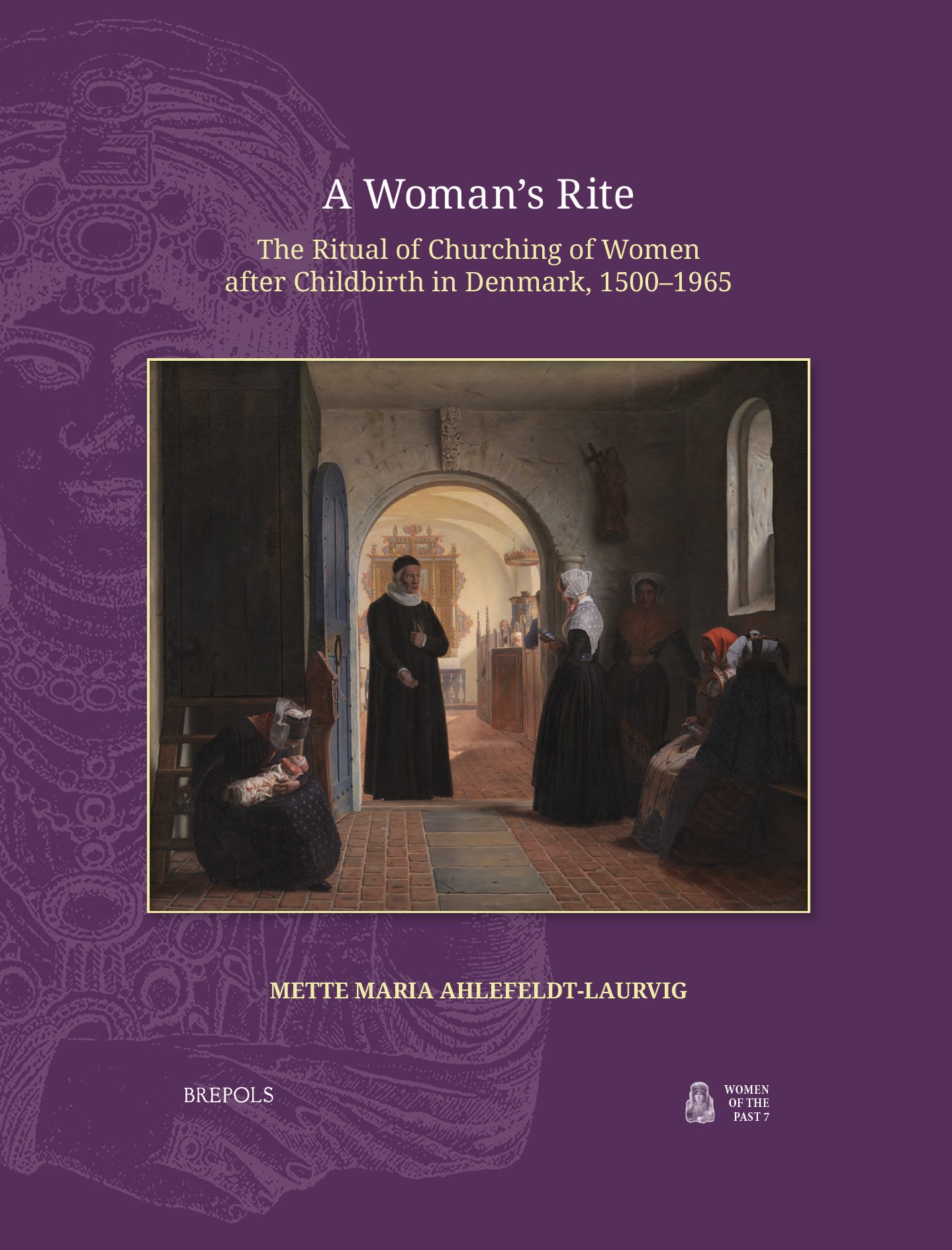


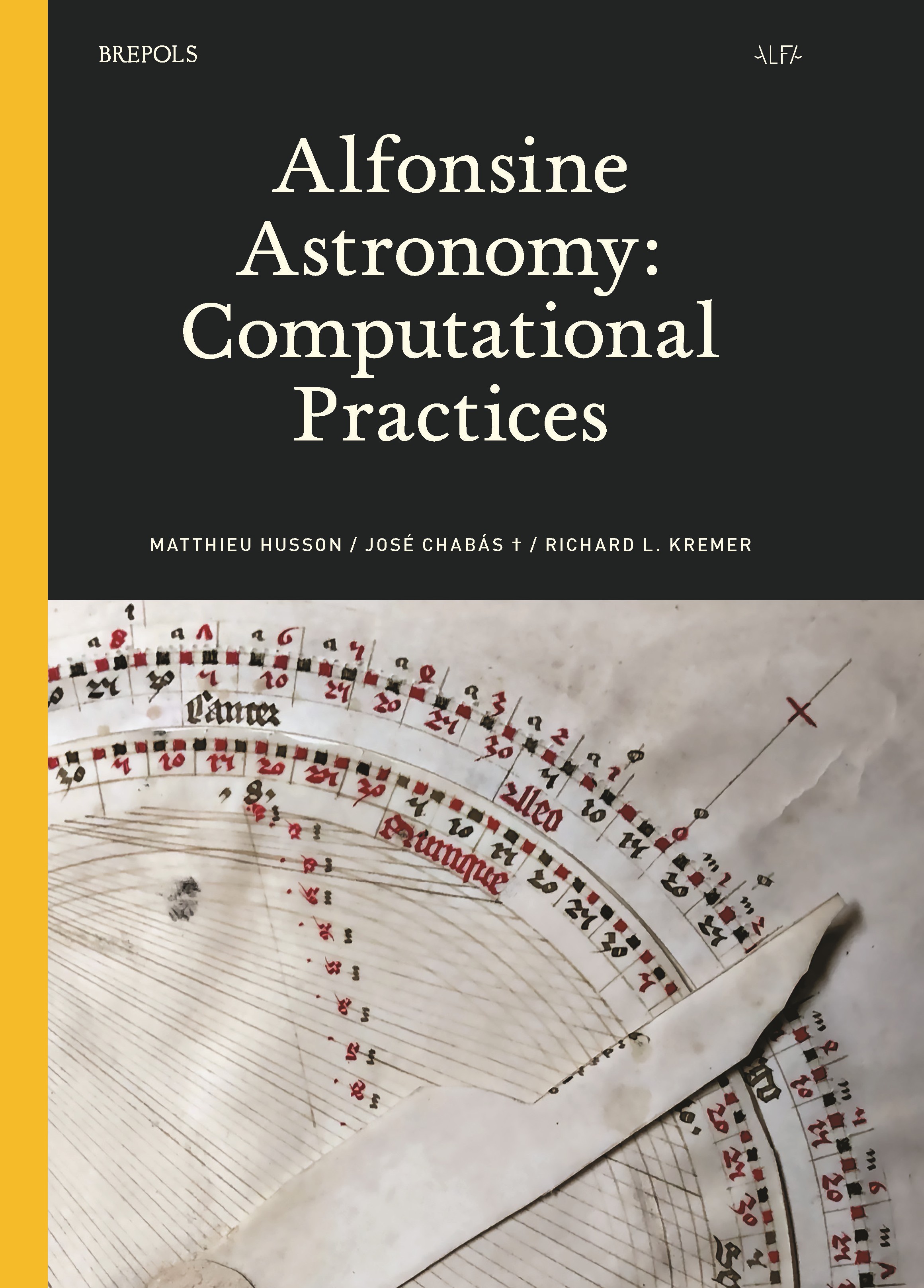


 Ars Prophetica
Theology in the Poetry of Twentieth-Century Hebrew Poets Avraham Halfi, Shin Shalom, Amir Gilboa, and T. Carmi
 As Messianism Turns to Heresy
The Regenstein Chair Lectures On Lurianic Kabbalah and Shabbatai Tzevi at Hebrew Union College - Cincinnati

 Behind the Scenes of Medieval Roofs
An Overview of the Roofing Systems of Italian Churches
Volume 90


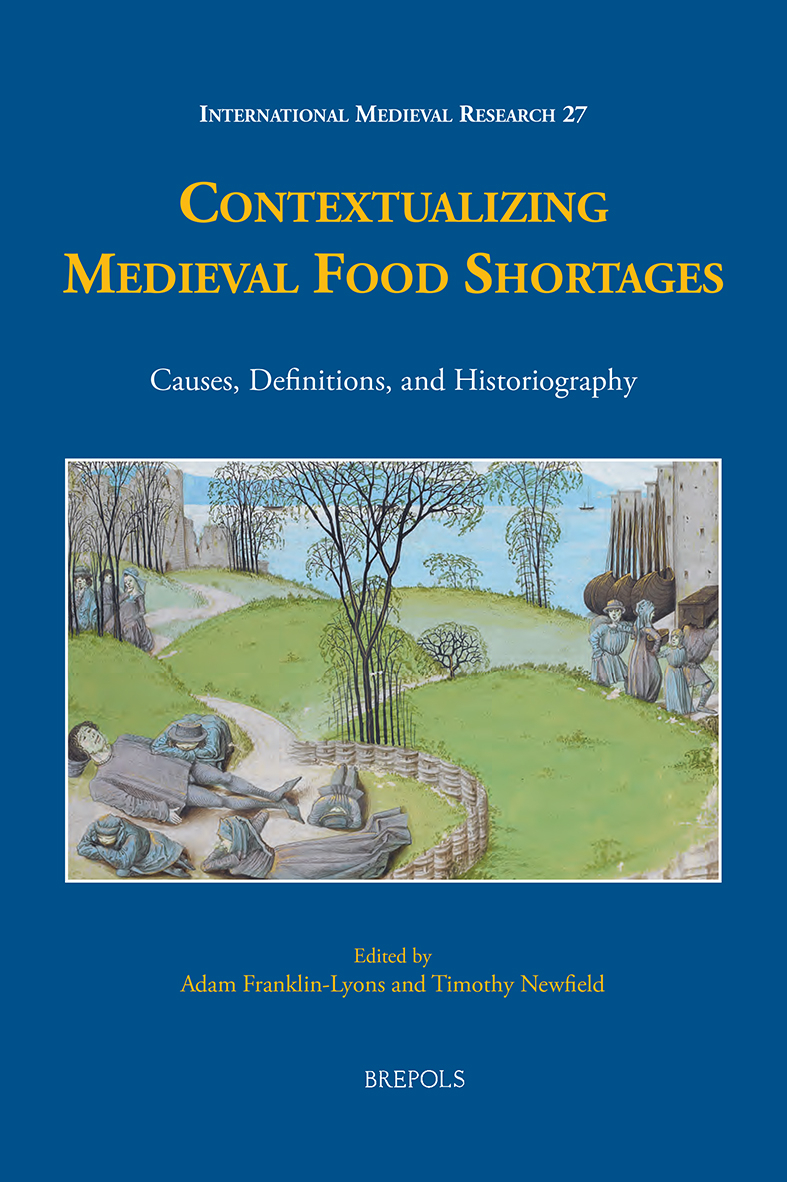


 Drunk the Potion, No Whit Charmed
The Doctrine of Pure and Perfect Souls from Iamblichus to Damascius




 Extracanonical Traditions and the Holy Land
Texts, Rituals, and Material Culture in Late Antique Palestine
 Fear, Fear of God, God-Fearers
Philological and Historical Perspectives on the World of Ancient Judaism and Christianity


