
Spirit-Writing Cults in the Chaozhou Region between 1860 and 1949
Local Religion and Translocal Religious Movements
by Li Guoping

This study explores the rise of the spirit-writing movement in modern China and focuses on the Chaozhou region of Guangdong province (South China). Spirit-writing was a popular technique to connect the human and the spirit world, not unlike the use of the “planchette” in European spiritualism. In spirit-writing seances, two spirit-writers held a stylus to write messages from the gods in a sand tray. From the nineteenth century, spirit-writing cults sprang up throughout China and became a national religious trend in response to the forces of modernity. These cults were centered around a call for moral reform, promoted through spirit-writing, and aimed to reorient traditional values. They developed in the context of disasters, political chaos, and nativist movements. Through the distribution of morality books and the expansion of sectarian groups, spirit-writing cults in different regions shared similarities in their revelations and several core religious themes. The spirit-writing movement was a both local and nationwide phenomenon. Spirit-writing cults developed in the local context and integrated with local society and culture. Therefore, this study considers the Chaozhou spirit-writing movement both as a local phenomenon and as part of a nationwide trend. In addition, this study sheds some light on other specific aspects of Chinese religions. First, it uses many previously unstudied texts to discuss the history of religions in Chaozhou. Second, the spirit-writing movement is critical to our understanding of local religions that we can observe today. Third, the important religious movement Dejiao originated from the Chaozhou spirit-writing movement and was closely related to other spirit-writing cults. Fourth, the Chaozhou case differs distinctly from the spirit-writing movement in Taiwan, which has dominated the research literature so far.
- By (author) Guoping Li
Other Titles in this Series
 Die Traume der Schulweisheit
Leben und Werk des 'Ali b. Muhammad al-Gurgani (gest. 816/1413)
Volume 86
 Poetae docti. Grammatische Verse in der arabischen Poesie des 9.-14. Jahrhunderts
Eine poetische Grammatik
Volume 135


 Erzahlen im alten Japan
Geschichtsschreibung, Mythen und narrative Dichtung in den ersten beiden Man'yoshu-Banden
Volume 132

 Wolfram Eberhard (1909-1989). Sinologe, Ethnologe, Soziologe und Folklorist
Schriftenverzeichnis zusammengestellt mit einer biografischen Einleitung von Hartmut Walravens
Volume 65
 Language and Textuality in Byzantine Karaism
Grammatical Concepts, Biblical Text Traditions, and Hermeneutic Aspects in the Constantinople Center (Late 11th-First Half of 14th Centuries)
Volume 116

 Joseph Francis Rock (1884-1962). Travel diaries of a botanist and ethnographer from Lanzhou to Koko Nor (Qinghai) 1925 and from Chone to Songpan 1927 (Eastern Tibet / West China)
Edited from Rock's revised manuscripts by Hartmut Walravens
Volume 136


 Perfekt, Pseudopartizip, Stativ
Die afroasiatische Suffixkonjugation in sprachvergleichender Perspektive
Volume 117


 Die ‘Risala fi l-Hawass’ des Ibn al-Gazzar
Die arabische Vorlage des Albertus Magnus zugeschriebenen Traktats 'De mirabilibus mundi'
Volume 79

 Ernst Boerschmann
Pagoden in China: Das unveroffentlichte Werk 'Pagoden II'. Aus dem Nachlass herausgegeben und mit historischen Fotos illustriert und bearbeitet von Hartmut Walravens
Volume 102


 The Way and Its Powers
An Ethnographic Account of Taoist Practice and Religious Authority in Northern Taiwan
Volume 119
 The Morpho-Syntactic and Lexical Encoding of Tense and Aspect in Semitic
Proceedings of the Erlangen Workshop on April 26, 2014
Volume 104


 Kaiserliches Theater – Theater ohne Kaiser?
Die Grundung der Han-Dynastie in zaju-Stucken der Ming-Dynastie
Volume 89
Similar Books
 ‘For You I Study, For You I Work, For You I Live, For You I Am Ready To Even Give My Life’
Essays in Honour of Francis (Frank) J Moloney, SDB
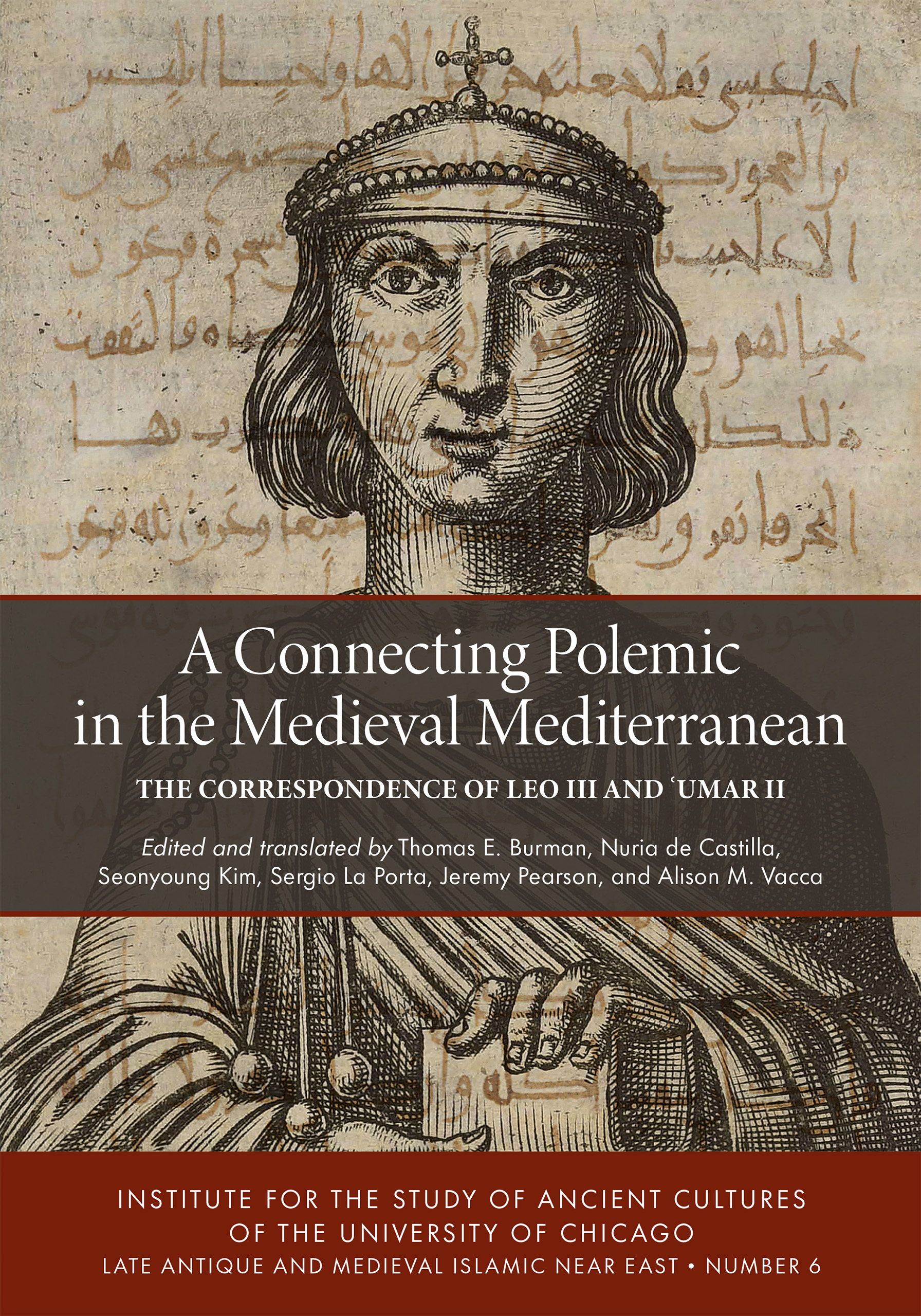 A Connecting Polemic in the Medieval Mediterranean
The Correspondence of Leo III and ʿUmar II
Volume 6




 Ars Prophetica
Theology in the Poetry of Twentieth-Century Hebrew Poets Avraham Halfi, Shin Shalom, Amir Gilboa, and T. Carmi
 As Messianism Turns to Heresy
The Regenstein Chair Lectures On Lurianic Kabbalah and Shabbatai Tzevi at Hebrew Union College - Cincinnati


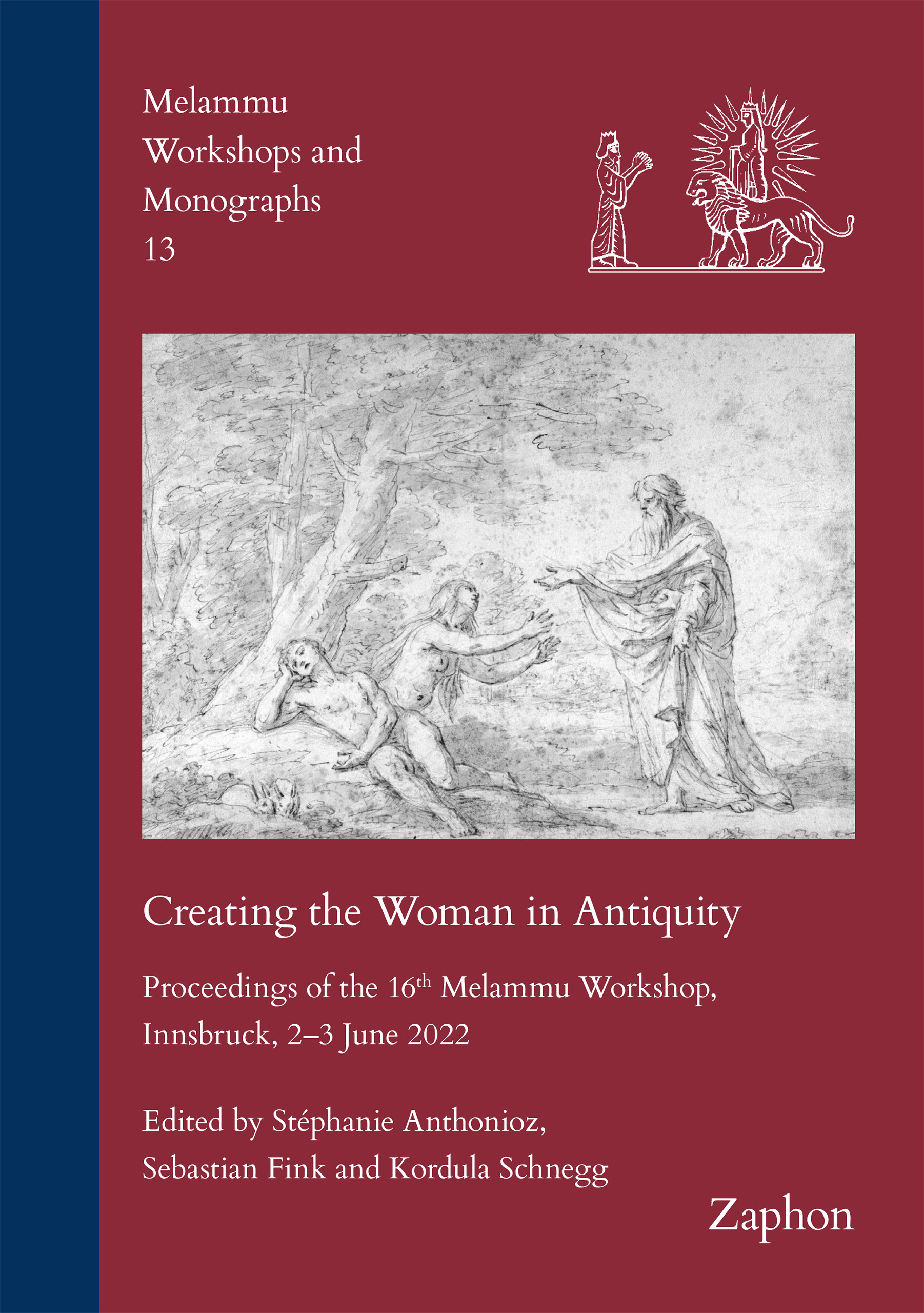 Creating the Woman in Antiquity
Proceedings of the 16th Melammu Workshop, Innsbruck, 2–3 June 2022
Volume 13

 Drunk the Potion, No Whit Charmed
The Doctrine of Pure and Perfect Souls from Iamblichus to Damascius



 Extracanonical Traditions and the Holy Land
Texts, Rituals, and Material Culture in Late Antique Palestine
 Fear, Fear of God, God-Fearers
Philological and Historical Perspectives on the World of Ancient Judaism and Christianity




 Legal Visuality
Exegesis, Ambiguity, and Dissimulation of the Donation of Constantine in the Early Modern Period