
Parabole Du Serviteur Impitoyable En Son Contexte (Mt18,21-35)
by L. Larroque

Paperback (Published)
(October 2010)
ISBN: 9788876531873
Price: $43.00
On back order
Libro di Laurent Larroque. Un’attento commento esegetico della parabola del debitore spietato (Mt 18, 23-34). L’autore mostra in maniera efficace il rapporto tra la parabola e la persona di Pietro, presentato come un ministro reale. Ce livre est un commentaire exegetique minutieux de la parabole du debiteur impitoyable (Mt 18, 23-34), a l’interieur de son contexte immediat (Mt 18, 21-22.35). Pour rendre compte de la coherence interne de la parabole, il fallait davantage tenir compte de la singularite de l’image prise par Jesus. C’est une representation realiste d’une cour royale hellenistique. La, l’image d’un ministre endette de 10 000 talents est proportionnee. Ensuite, l’attention au contexte immediat permet un rapport tres fructueux avec la personne de Pierre, qui, semblable a un ministre royal, est appele a administrer pour les sujets du Royaume des Cieux la misericorde recue – si dumoins elle est vraiment recue, c’est la le point focal et theologal de la lecon de la parabole. Comme la parabole de la brebis perdue (Mt 18, 11-14), adressee aux pasteurs, conclut la premiere partie de Mt 18, de meme la parabole du debiteur impitoyable, adressee aux intendants du Royaume des Cieux, en conclut la deuxieme partie. C’est, a notre connaissance, la premiere monographie sur cette pericope (Mt 18,21-35), qui recoit, semble-t-il, un eclairage nouveau et vraiment satisfaisant.
- By (author) L Larroque
Other Titles in this Series

 La testimonianza necessaria
Paolo, testimone della salvezza universale a Roma in At 28,16-31
Volume 210


 “Si compia la Scrittura”
I rimandi al compimento della Scrittura pronunciati da Gesù in Gv 13-17
Volume 232

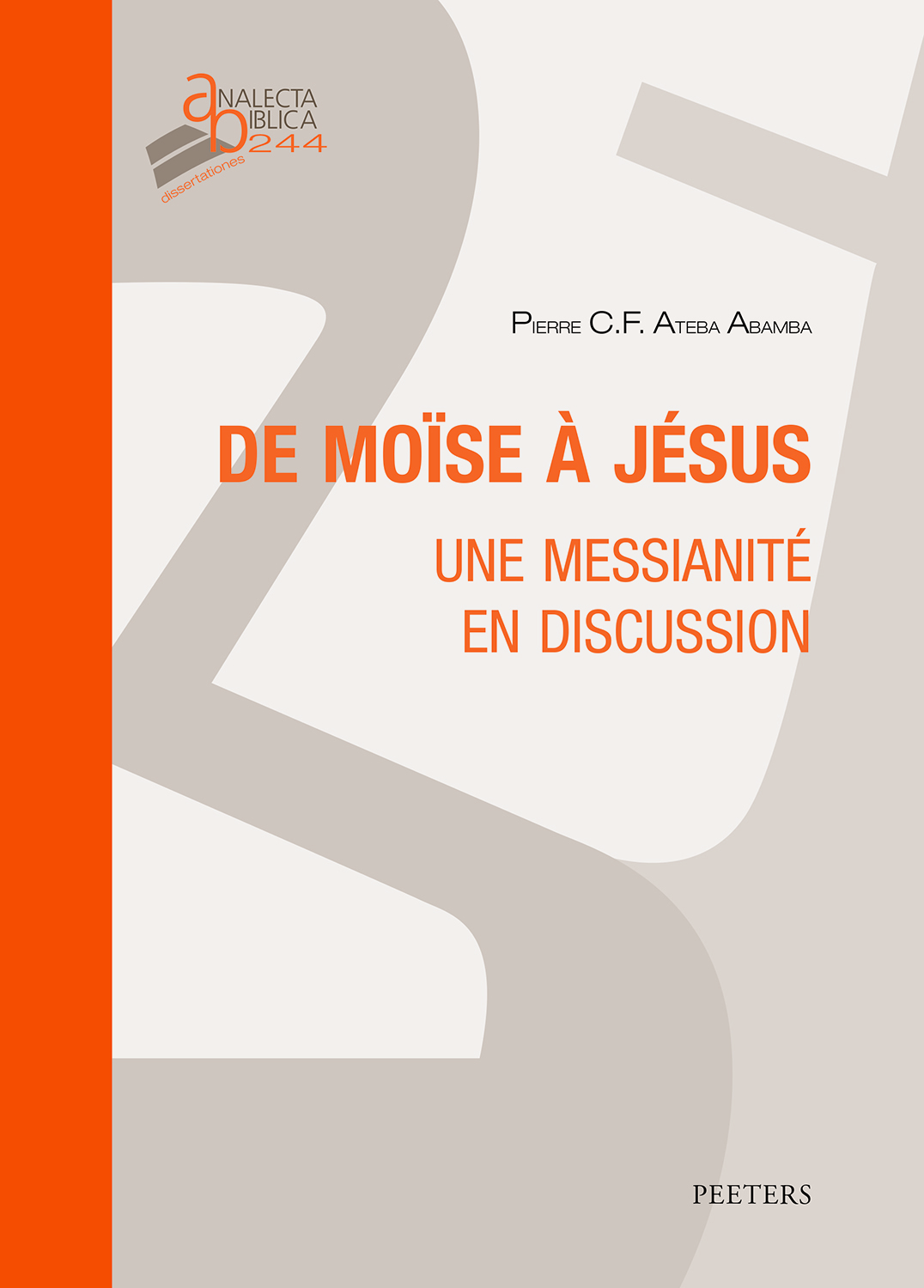 De Moïse à Jésus: une messianité en discussion
Une interprétation de Jean 6 à partir de la section narrative (vv. 1-25a)
Volume 244


 Implications of Davidic Repentance
A Synchronic Analysis of Book 2 of the Psalter (Psalms 42-72)
Volume 212
 Philip, a Collaborative Forerunner of Peter and Paul
A Study of Philip's Characterization in Acts
Volume 234


 Other Gods Versus the God of Israel
Pragma-Rhetoric and the Dynamics of Persuasion in 1 Kings 11:26-14:20
Volume 238


 Verborum Ordo
A Typological Approach to Word-Order Literalism as an Indication ofSaint Jerome’s Translation Technique in the Vulgate
Volume 240


 Il Paradosso Messianico Secondo Marco
Rilevanza di Mc 8,31-9,29 per la Caratterizzazione della Figura di Gesu e dei Discepoli
Volume 225


 ‘No Habeis Leido esta Escritura?’ (Mc 12,10)
El Trasfondo Veterotestamentario Como Clave Hermeneutica de Mc 12,1-12
Volume 226

 Connaitre le Mystere Connaitre la Sagesse
La Yvwok et l'Unite Ecclesiale et Cosimique en Ephesiens 3,1-13
Volume 229


 Quale pace tra il ricco e il povero? (Sir 13,18b)
Il binomio poverta-ricchezza nel libro di Ben Sira
Volume 230

Similar Books


 Apocrypha, Magic, Liturgy
The Multiple Identities of Coptic Prayers in Late Antique and Early Islamic Egypt
 Athanasius of Alexandria, Epistula ad episcopos Aegypti et Libyae
Old Slavonic Version and English Translation
Volume 261



 Contesting Labeled Identities
The Sociology of Gentilics in Biblical and Northwest Semitic Literature

 Cyril of Alexandria’s Christological Exegesis
Explorations of Partitive Exegesis in the Dialogues on the Trinity
Volume 70


 Epiphanies of the Divine in the Septuagint and the New Testament
Fifth International Symposium of the Corpus Judaeo-Hellenisticum Novi Testamenti (CJHNT), 14-17 May 2015, Nottingham


 Extracanonical Traditions and the Holy Land
Texts, Rituals, and Material Culture in Late Antique Palestine
 From Joseph to Jesus
The Joseph Narrative as a Compositional Template from Old Greek Esther to the Gospel of Luke
Volume 125





 Nicholas of Lyra’s Commentaries on the Gospels of Matthew and Luke
Franciscan Exegesis in a Time of Crisis
 Paradise Lost in Transmission
The Return to Eden in the Apocalypse of Peter within Its Ethiopic and Early Christian Contexts




 Punning in Odd or Elegant Constructions in Jeremiah
The Convergence of Linguistics, Rhetoric, and Textuality in the Hebrew Text of Jeremiah
