
Funktion und Nutzung der Krypta im Mittelalter
Heiligsprechung und Heiligenverehrung am Beispiel Italien
By (author) Almuth Klein

Hardback (Published)
(April 2011)
ISBN: 9783895007859
6.69 x 9.49 inches
Price: $105.00
On back order
Under the lasting influence of romantic-mystic views of the 19th and 20th century the function of a crypt within the structure of a church is still a matter of false interpretation. This book discusses on basis of a broad range of examples which were erected during the 11th and 12th century in Italy the possibile use of this building type. The crypt is embedded within a clear structural system and hierarchy of the whole church structure even though its functions are different.
English description: Under the lasting influence of romantic-mystic views of the 19th and 20th century the function of a crypt within the structure of a church is still a matter of false interpretation. This book discusses on basis of a broad range of examples which were erected during the 11th and 12th century in Italy the possibile use of this building type. The crypt is embedded within a clear structural system and hierarchy of the whole church structure even though its functions are different. German description: Unter dem erstaunlich lang anhaltenden Einfluss romantisch-mystifizierender Sichtweisen des 19. und fruhen 20. Jahrhunderts wird die Aufgabe der Krypta innerhalb eines Kirchenraums bis heute meist falsch gedeutet. In diesem Buch werden anhand einer breiten Auswahl der zahlreichen im 11. und 12. Jahrhundert in Italien entstandenen Anlagen die tatsachlichen Nutzungsmoglichkeiten dieses Raumtyps beleuchtet. Dabei zeigt sich vor allem, dass die Krypta trotz unterschiedlicher Funktion stets in ein klar strukturiertes System der dem Gesamtbau innewohnenden Raumhierarchie eingebettet ist.
- By (author) Almuth Klein
„(D)ie Studie (stellt) einen wichtigen Beitrag zu den in den letzten Jahrzehnten verstärkten Bemühungen um eine funktionsgeschichtliche Betrachtung von Sakralräumen dar. Sie bietet erstmals eine systematische Zusammenstellung und vergleichende Analyse verschiedener Quellen und Indizien für eine Nutzung der italienischen Krypten des I 1. und 12. Jabrhunderts. Im Ergebnis wird der Blick nicht nur auf Krypten als Teil eines mehrräumigen Sanktuariums und prädestinierter Ort für Heiligengräber gelenkt, sondern auch auf einen Wandel der Nutzungskonzepte und Bedeutungsebenen.“<br/><br/>Von Markus Thome<br/><br/>In: Rottenburger Jahrbuch für Kirchengeschichte, 32/2013, S. 425-426.
—
Other Titles in this Series

 Staatliche Museen zu Berlin – Preußischer Kulturbesitz. Skulpturensammlung und Museum für Byzantinische Kunst. Bestandskataloge
Band 3: Spätantike, byzantinische und postbyzantinische Keramik

 Das Tafelbild aus der Kathedrale von Trogir
Kunsttechnologische Studien zur Tafelmalerei Dalmatiens des 13. Jahrhunderts

 Staatliche Museen zu Berlin – Preußischer Kulturbesitz. Skulpturensammlung und Museum für Byzantinische Kunst. Bestandskataloge. Band 1: Textilien aus Ägypten
Teil 1: Textilien aus dem Vorbesitz Theodor Graf, Carl Schmidt und dem Ägyptischen Museum Berlin


 Byzantinische Malerei. Bildprogramme – Ikonographie – Stil
Symposion in Marburg vom 25. bis 29. Juli 1997
 Staatliche Museen zu Berlin – Preußischer Kulturbesitz. Skulpturensammlung und Museum für Byzantinische Kunst. Bestandskataloge
Band 2: Werke der Alltagskultur. Teil 1: Menasampullen


 Byzanz, der Westen und das »wahre« Kreuz
Die Geschichte einer Reliquie und ihrer künstlerischen Fassung in Byzanz und im Abendland


 Cilicia as Sacred Landscape in Late Antiquity
A Journey on the Trail of Apostles, Martyrs and Local Saints
 Flankenräume im mittelbyzantinischen Kirchenbau
Zur Befundsicherung, Rekonstruktion und Bedeutung einer verschwundenen architektonischen Form in Konstantinopel

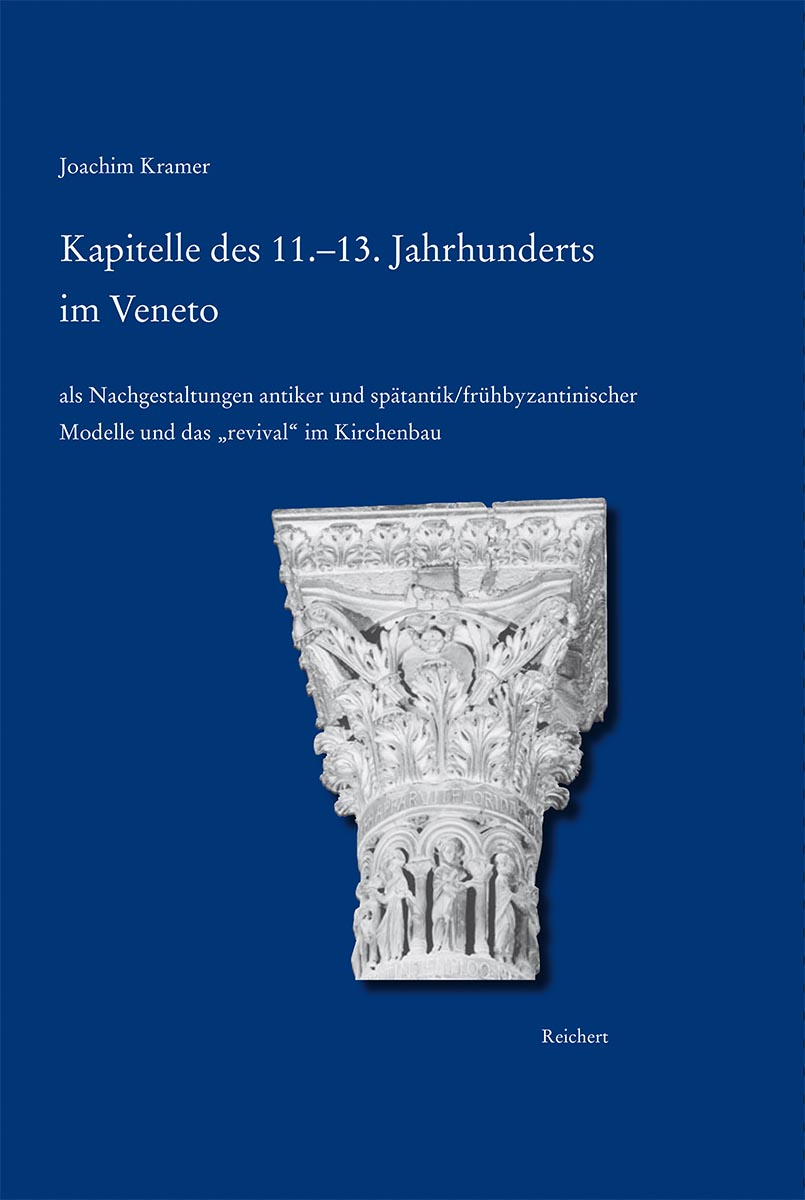 Kapitelle des 11.-13. Jahrhunderts im Veneto
als Nachgestaltungen antiker und spätantik/frühbyzantinischer Modelle und das „revival“ im Kirchenbau
 Die Christianisierung der spätrömischen Welt
Stadt, Land, Haus, Kirche und Kloster in frühchristlicher Zeit
 Byzantinischer Schmuck des 9. bis frühen 13. Jahrhunderts
Untersuchungen zum metallenen dekorativen Körperschmuck der mittelbyzantinischen Zeit anhand datierter Funde

 Paulinus Nolanus und die Basilica Nova in Cimitile / Nola
Studien zu einem zentralen Denkmal der spätantik-frühchristlichen Architektur
Similar Books


 Contesting Labeled Identities
The Sociology of Gentilics in Biblical and Northwest Semitic Literature

 Drunk the Potion, No Whit Charmed
The Doctrine of Pure and Perfect Souls from Iamblichus to Damascius

 Epigraphic “Shades” from Hellenistic Thrace
Contextualizing Inscriptions in Greek from Thracian Tombs

 Epiphanies of the Divine in the Septuagint and the New Testament
Fifth International Symposium of the Corpus Judaeo-Hellenisticum Novi Testamenti (CJHNT), 14-17 May 2015, Nottingham


 Gold, Silver and Glass: Power Networks, Cultural Identities, Technology Transfers and Agency across the Old World (7th Century BC – 1st Century AD)
Proceedings of a Conference Held at the British Museum, 16–18 June 2023
 Language and Power in the Roman Empire and Early India
Hierarchy, Ambiguity, and the Art of Reading the Signs in Cosmopolitan Cultures
 Late Antique villae in the Balkans (3rd–7th c. AD): Current Research Questions and Perspectives
HAEMUS Companion to the Late Antique Balkans 1
Volume 4


 Nurturing the Elite
Representations of Drinking, Eating, and Religious Vessels in Palmyrene Funerary Iconography
Volume 13





 Roman Copies, Collecting, and Culture in the Bay of Naples and Beyond
Papers in Honor of Eugene J. Dwyer



 The Compositional History of the Book of Kings
An Analysis of the Evaluative Frameworks in 1 Kings 14–2 Kings 25




 Zooarchaeology of Ancient Greek Sanctuaries in Southwestern Sicily
Faunal Analysis from Selinus and Akragas as Evidence of Differences in the Treatment of Animals for Ritual Purposes


