
The Apse, the Image and the Icon
An Historical Perspective of the Apse as a Space for Images
By (author) Beat Brenk

Hardback (Published)
(April 2010)
ISBN: 9783895007033
6.69 x 9.49 inches
Price: $45.00
In stock
This book explores the interactions between the various image-media during the early Christian and early Byzantine periods; it particularly investigates the participation of the viewer and of the patron.
This book deals with the apse as a showcase for images in the early Christian and early Byzantine periods. Two opposed traditions, harking back to early imperial times, nourished the invention of the Christian apse image: on the one hand there were statues in apses of pagan temples and imperial cult rooms which were venerated during cult ceremonies, on the other hand, there were apse mosaics in nymphaea where aquatic myths and figures celebrated the amenities of water. Christian apse mosaics originated within this context and in spite of the Old Testament prohibition of the image. The functions and effects of apse mosaics in Christian cult rooms were explored step by step and invented afresh. The participants of this delicate process of Christian image inventions were not only ecclesiastical but also private patrons. Without any qualm, emperors and representatives of the ruling class decorated their mausolea (S. Costanza in Rome, S. Aquilino in Milan) and representational rooms in villas (Centcelles) with Christian images. Because of the Mosaic prohibition of images, the Church could not attribute to the image a biblically grounded role, it behaved cautiously towards the decoration of churches with images during the fourth century. Only during the fifth century did it relax, and start to invent high brow theological programs (S. Maria Maggiore in Rome), understandable only to few believers. Some bishops gave special treatment to the promotion of aniconic programs (Paulinus of Nola, baptistery of the Lateran in Rome, Casaranello, church of Paraskevi in Salonica). Others rejected images in churches categorically (Epiphanius of Salamis). The Church admitted images and programs representing and portrayed Jesus Christ as God and as a human being that private patrons and artists had invented together with theologians; it provoked thereby a conflict (never really argued out) between the pagan representation of gods and emperors and the representation of Christ whose image should never recall images of gods nor of emperors, though points of contact were unavoidable. Highly original creations of apse mosaics resulted from this fertile conflict that were never repeated. All early Christian apse mosaics are unprecedented, one of creations without any succession. Their treatment as iconographic types is a blind ally. The Church sat back and watched how mosaics and frescoes in apses of cult rooms generated very particular effects, evoking in the viewer respect, admiration, awe and maybe even veneration. The representation of the Virgin with the child in a large apse evoked something like visual worship. The capacity of the image to have an impact on the viewer could not be decreed by the Church, but this was an affair manifested more or less casually according to the inventive power of the artist. For several centuries, the Church was not in a situation to create an official image of Christ. It cared for having apse mosaics not being adored. But the Church could not prevent images from being adored by private persons and/or control private concerns, such as setting-up of ex votos, in official church apses (S. Venanzio in Rome). Private persons first launched the cult of the Virgin (sarcophagus of Adelphia, gold glass). From the sixth century on, images – apse-mosaics, frescoes and panel paintings – were installed for ‘cult-propaganda’ (SS. Cosma e Damiano, Hag. Demetrius in Salonica). In some cases, perhaps, images promoted a devotion on the part of the private believers. This process was a novelty for the sixth century. But a real cult around an apse mosaic was never instituted, even though the altar for the celebration of the Mass was installed in the apse. The early Christian period had no interest in representing the sacrifice of the Mass in an apse mosaic. Official ecclesiastical prayers were not addressed to divine figures and saints represented in apse mosaics. Apse mosaics are never mentioned in liturgies. Apse mosaics are, therefore, a very specific species which developed in constant dialogue with other categories of images (icons, ex votos, memorial images), representing contemporaneously specific theological issues.
- By (author) Beat Brenk
„Benk’s short study is not entirely satisfying. In the repititions from chapter to chapter, and in the numerous asides and observations, one may still hear the presentations of lectures that do not translate well or immediately to thr published page. More vigorous editing might be also have helped clean up some problematic aspects of the text (32,72,91n334), as well as numerous mystifying passages in this volume; (...) Yet the grounds for the correlation of the deictic and of visual worship, as well as the precise understanding and historical force of these terms, remain elusive. While provocative, this remains an unfinished project.“<br/><br/>Charles Barber<br/><br/>In: .Studies in Inconography 34 (2013) S.252-254.<br/>--------------------------------------<br/>„Trotz seines anspruchsvollen und detailreichen Inhalts ist der Text gut zu lesen, da für die behandelten Bildwerke in der Regel eine farbige oder schwarz-weiße Abbildung vorliegt. Eine Zusammenfassung, ein Literaturverzeichnis und ein kurzer Index sind beigegeben. Dem Buch ist eine weite Verbreitung zu wünschen, da es nicht nur Kenntnisse vermittelt, sondern durch offenbleibende Fragen auch die Forschung anregen kann.“<br/><br/>Josef Engemann<br/><br/>In: Jahrbuch für Antike und Christentum. 53 (2010). S. 216-220.<br/><br/>------------------------------------<br/><br/>“In ancient architecture, the apse was a privileged place for setting up statues of emperors or deities. In the case of public wells (nymphaea), the apse was frequently decorated with mythological scenes relating to water. Against this backgraound Brenk develops his historical account of how the apse became a place for Christian mosaics, especially for the Vrigin Mary. Brenk also explains that in early-Christian worship, images did not play any role at all, while in private, some Christians did use Christian images. Among the churches discussed, S. Maria Maggiore in Rome and S. Apollinare Nuovo in Ravenna figure prominently, though the author also looks at churches in Egypt and Coptic art. - An important contribution to the study of early-Christian art.”<br/><br/>In: International Review of Biblical Studies. 56 (2009) 10. No 2057.<br/><br/>------------------------------------<br/><br/>„Kniha je užitečným vstupem do problematiky raně křesťanské ikonografie (...).“<br/>[Das Buch ist ein nützlicher Beitrag in die Probleme der frühchristlichen Ikonographie (...).]<br/><br/>PhDr. Peter Kovác<br/><br/>In: Stavitelé Katedrál<br/><a target="_blank" href="http://www.stavitele-katedral.cz/wiesbaden-beat-brenk-the-apse-the-image-and-the-icon-an-historical-perspective-of-the-apse-as-a-space-for-images/">http://www.stavitele-katedral.cz/wiesbaden-beat-brenk-the-apse-the-image-and-the-icon-an-historical-perspective-of-the-apse-as-a-space-for-images/</a><br/>(11. April 2011)
—
Other Titles in this Series

 Sukzession und Gegenwart
Zu theoretischen Äußerungen über bildende Künste und Musik von Basileios bis Hrabanus Maurus


 Die Porphyrsarkophage der oströmischen Kaiser
Versuch einer Bestandserfassung, Zeitbestimmung und Zuordnung
 Staatliche Museen zu Berlin – Preußischer Kulturbesitz. Skulpturensammlung und Museum für Byzantinische Kunst. Bestandskataloge
Band 3: Spätantike, byzantinische und postbyzantinische Keramik
 Spätantike korinthische Säulenkapitelle in Rom
Bei S. Paolo fuori le mura, in S. Maria in Domnica und andere


 Das Tafelbild aus der Kathedrale von Trogir
Kunsttechnologische Studien zur Tafelmalerei Dalmatiens des 13. Jahrhunderts

 Staatliche Museen zu Berlin – Preußischer Kulturbesitz. Skulpturensammlung und Museum für Byzantinische Kunst. Bestandskataloge. Band 1: Textilien aus Ägypten
Teil 1: Textilien aus dem Vorbesitz Theodor Graf, Carl Schmidt und dem Ägyptischen Museum Berlin


 Byzantinische Malerei. Bildprogramme – Ikonographie – Stil
Symposion in Marburg vom 25. bis 29. Juli 1997
 Staatliche Museen zu Berlin – Preußischer Kulturbesitz. Skulpturensammlung und Museum für Byzantinische Kunst. Bestandskataloge
Band 2: Werke der Alltagskultur. Teil 1: Menasampullen
 Funktion und Nutzung der Krypta im Mittelalter
Heiligsprechung und Heiligenverehrung am Beispiel Italien


 Byzanz, der Westen und das »wahre« Kreuz
Die Geschichte einer Reliquie und ihrer künstlerischen Fassung in Byzanz und im Abendland


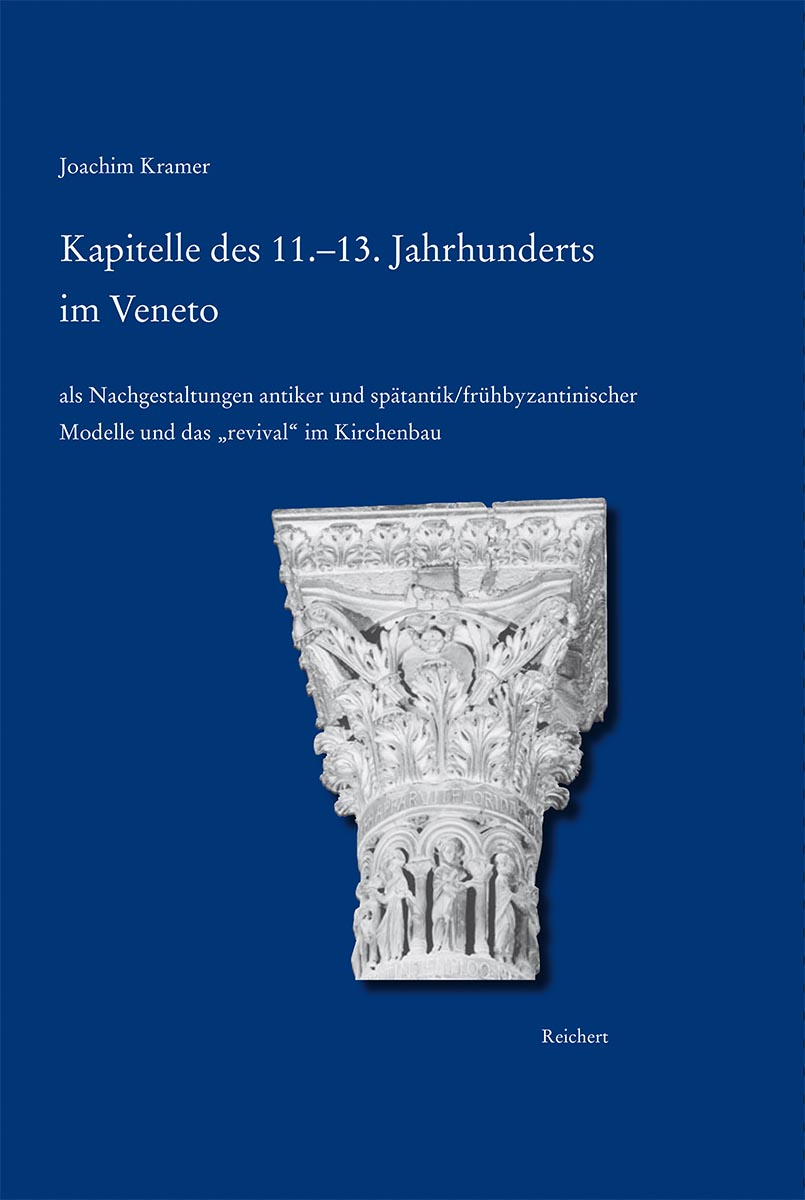 Kapitelle des 11.-13. Jahrhunderts im Veneto
als Nachgestaltungen antiker und spätantik/frühbyzantinischer Modelle und das „revival“ im Kirchenbau
Similar Books





 Connecting the Dots: Counting, Writing, and the Beginnings of Civilization
The Secret Lives of Clay Tokens: A Memoir

 Curating the Prehistoric Past
Studies on West Asian Archaeology and Beyond in Honour of Yoshihiro Nishiaki

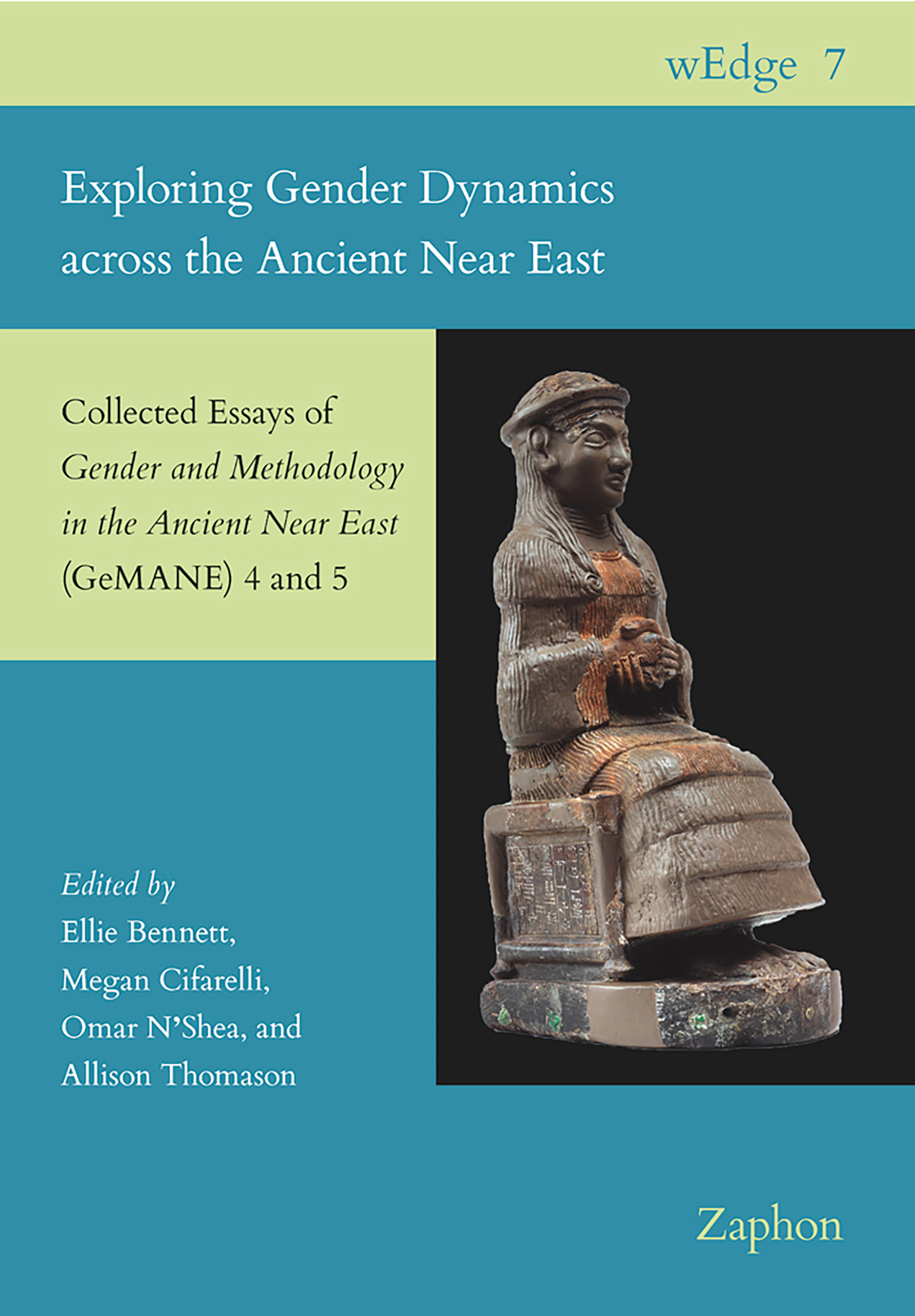 Exploring Gender Dynamics across the Ancient Near East
Collected Essays of Gender and Methodology in the Ancient Near East (GeMANE) 4 and 5
Volume 7


 Ḫattušaš utnē išḫameški
Hittite and Other Ancient Near Eastern Studies Presented to Piotr Taracha on the Occasion of His 65th Birthday




 Kultur – Kontakt – Kultur
Beiträge anlässlich der 66. Rencontre Assyriologique Internationale in Frankfurt/Main und Mainz, 25.–29. Juli 2022
Volume 35
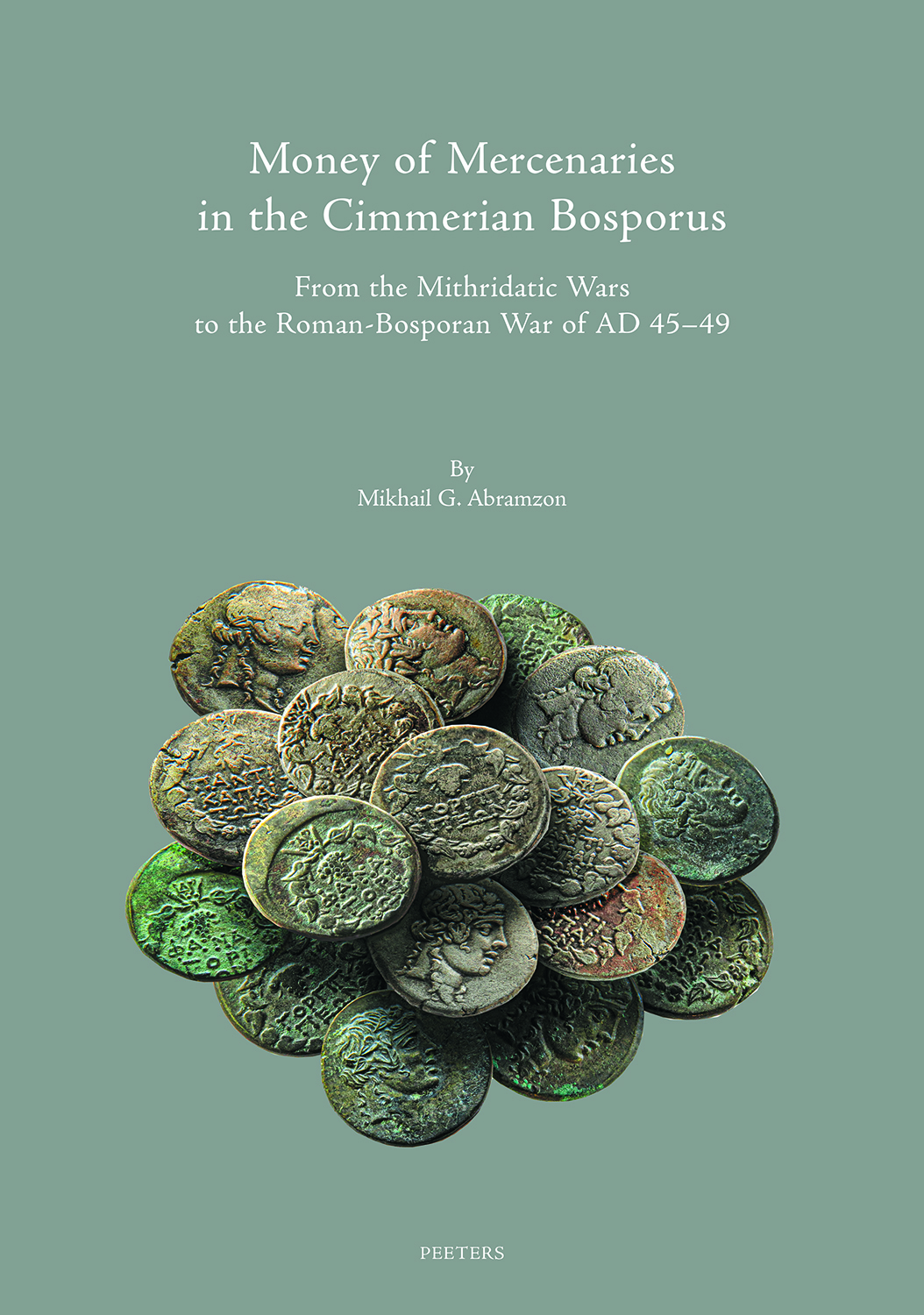 Money of Mercenaries in the Cimmerian Bosporus
From the Mithridatic Wars to the Roman-Bosporan War of AD 45-49
Volume 45

 New Research on Old Collections in Southwest Asian Archaeology
Proceedings of the Workshop Held at the British Museum, London, 31 July – 2 August, 2023
 Old Aramaic Inscriptions and their Contexts
An Epigraphic, Archaeological, and Historical Synthesis
Volume 63

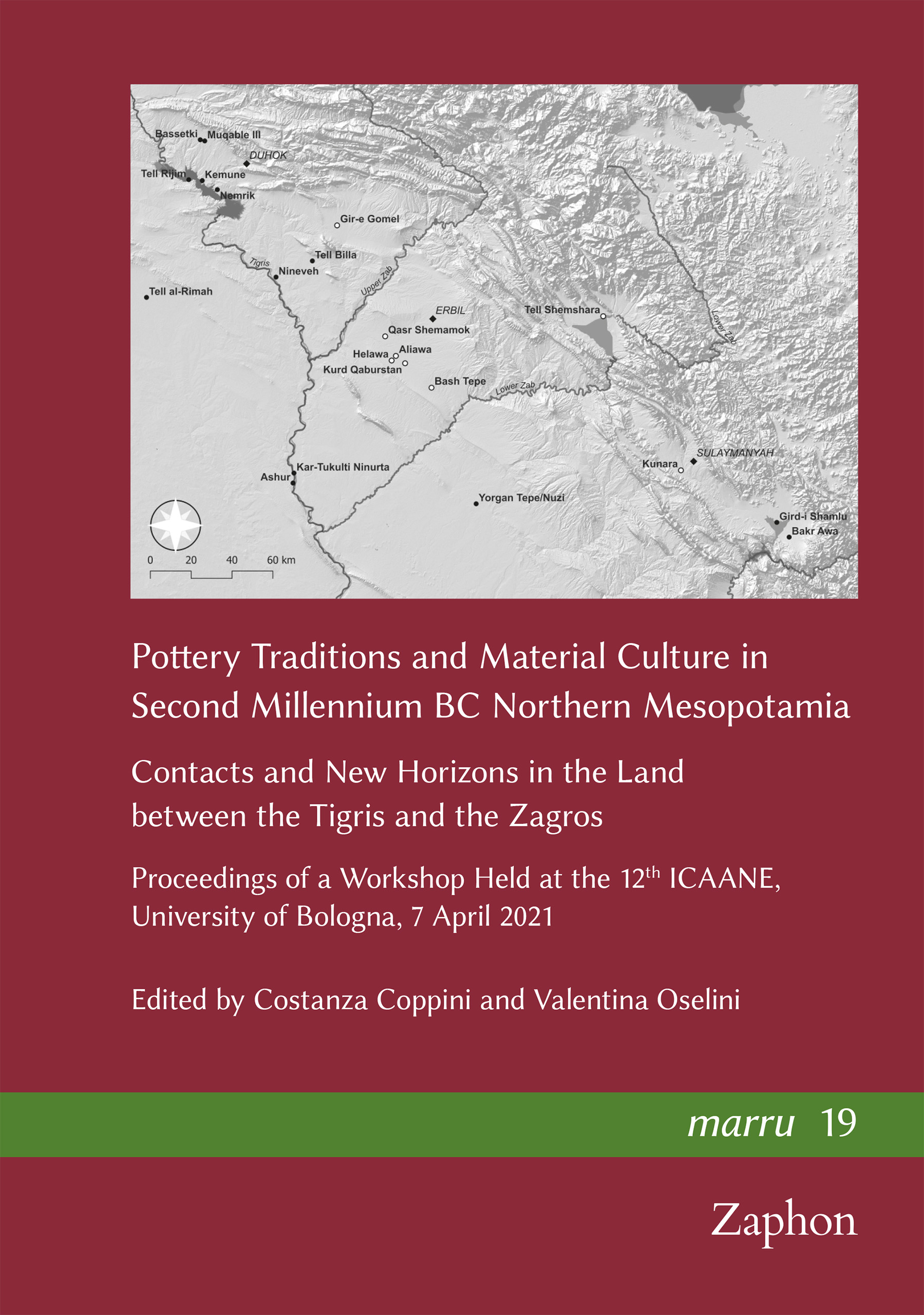 Pottery Traditions and Material Culture in Second Millennium BC Northern Mesopotamia
Contacts and New Horizons in the Land between the Tigris and the Zagros. Proceedings of a Workshop Held at the 12th ICAANE, University of Bologna, 7 April 2021
Volume 19
 Punning in Odd or Elegant Constructions in Jeremiah
The Convergence of Linguistics, Rhetoric, and Textuality in the Hebrew Text of Jeremiah

 Sertorius, the Exiles of the Sullan Regime and the Provinces of the Empire
Legitimacy, Morality and Imperial Discourse in the 70s BCE
 Shame in the Worlds of the Hebrew Bible and Akkadian Texts
A Linguistic Study and Its Implications
Volume 33

 Telling Contexts
Archaeological and Textual Studies in Honor of Elizabeth Bloch-Smith and Mark S. Smith
 The Body
Lived, Cultured, Adorned: Essays on Dress and the Body in the Bible and Ancient Near East in Honor of Nili S. Fox
 The Discourse of Rites
Shaping and Reshaping the (Counter-)Priestly Rituals Conducted Outside the Tabernacle
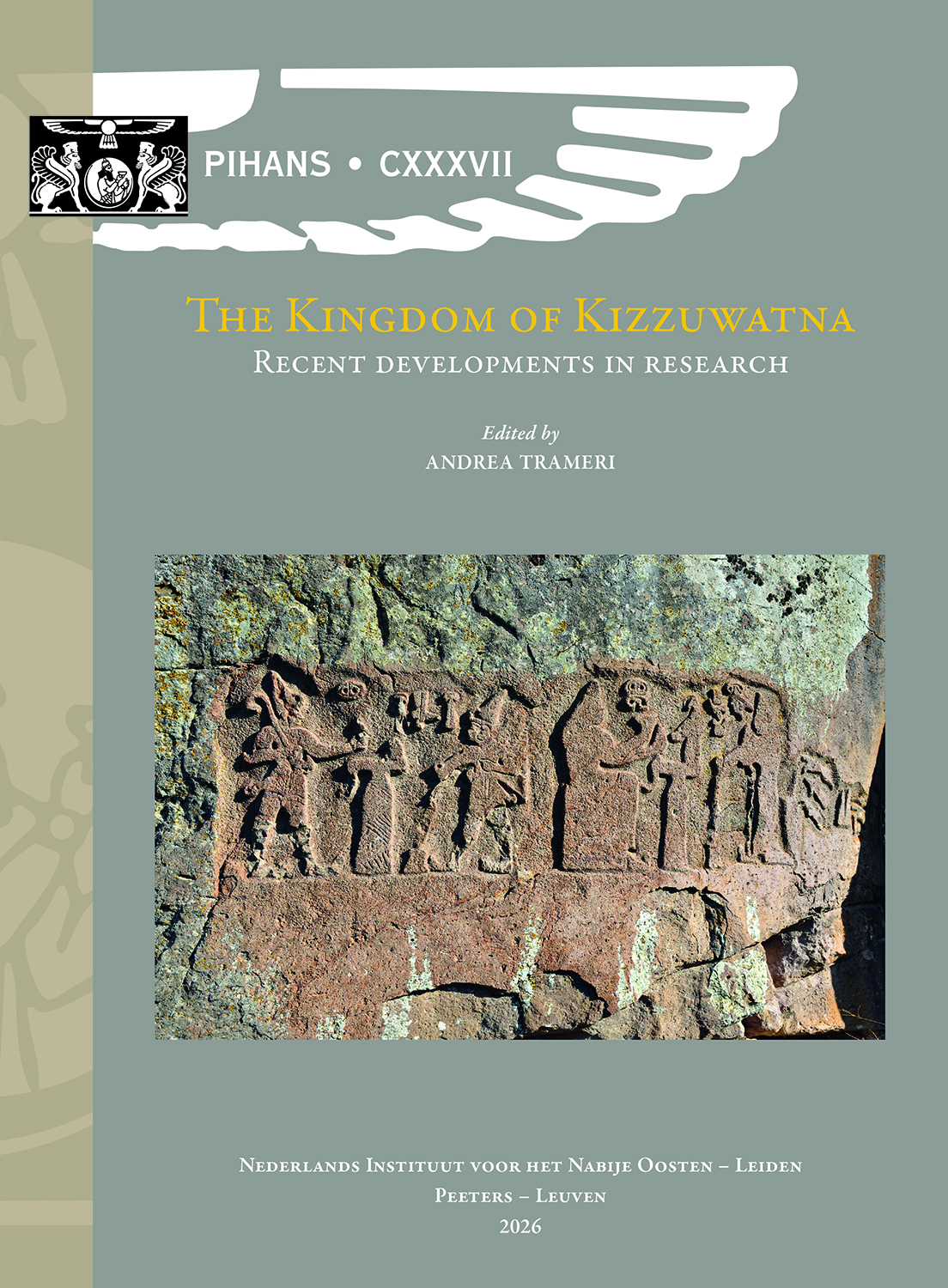 The Kingdom of Kizzuwatna: Recent Developments in Research
Proceedings of the Third NINO Postdoctoral Research Fellow Annual Conference, Leiden, 23rd-25th March 2023
Volume 137


 The Vandals and the Mediterranean / I Vandali e il Mediterraneo
Politics, Economy and Culture of a Barbarian Kingdom / Politica, economia e cultura di un regno barbarico