
Esau in Jerusalem
The Rise of a Seirite Religious Elite in Zion at the Persian Period
By (author) N. Amzallag

Paperback (Published)
(September 2015)
ISBN: 9782850212420
Price: $78.00
On back order
The post-exilic biblical writings speak in two contrasting voices. The first focuses on the Babylonian repatriates and ignores the Israelite population that remained in the land during the exile. It upholds an exclusive relationship between YHWH and the community organized around Jerusalem and its temple. The second voice takes a contrasting and much more universalistic approach to the relationship with YHWH and even promotes its expansion among foreign nations through the diffusion of musical worship. The first voice clearly echoes the theology evoked in Jeremiah (especially in the metaphor of the good and bad figs in Jeremiah 24) and extensively developed in Ezekiel. The second voice, however, appears to be distant from the classical Israelite theology. It is shown in this study that this second voice echoes a pre-Israelite cult of YHWH that originated in the land of Seir and denotes the existence of a Seirite religious elite in post-exilic Zion. Part 1 of the study investigates the reason for the presence of a small group of Edomite/Seirite musicians and poets, self-defined as “sons of Zerah” or “Ezrahites,” in early post-exilic Jerusalem, and clarifies the nature of their yahwistic religious background. With the help of the books of Nehemiah, Chronicles, and Psalms, Part 2 analyzes the Levitization of these foreign singers and the opposition this process stimulated among the community of the Sons of Exile. Part 3 examines the transformation of these Ezrahite singers into a new religious elite, a process promoted mainly by Nehemiah and his followers, and explores the theological changes this new situation stimulated. This study uncovers an overlooked reality that had a profound influence on the evolution of post-Exilic yawhism and on the composition and content of many biblical writings. The post-exilic biblical writings speak in two contrasting voices. The first focuses on the Babylonian repatriates and ignores the Israelite population that remained in the land during the exile. It upholds an exclusive relationship between YHWH and the community organized around Jerusalem and its temple. The second voice takes a contrasting and much more universalistic approach to the relationship with YHWH and even promotes its expansion among foreign nations through the diffusion of musical worship. The first voice clearly echoes the theology evoked in Jeremiah (especially in the metaphor of the good and bad figs in Jeremiah 24) and extensively developed in Ezekiel. The second voice, however, appears to be distant from the classical Israelite theology. It is shown in this study that this second voice echoes a pre-Israelite cult of YHWH that originated in the land of Seir and denotes the existence of a Seirite religious elite in post-exilic Zion. Part 1 of the study investigates the reason for the presence of a small group of Edomite/Seirite musicians and poets, self-defined as “sons of Zerah” or “Ezrahites,” in early post-exilic Jerusalem, and clarifies the nature of their yahwistic religious background. With the help of the books of Nehemiah, Chronicles, and Psalms, Part 2 analyzes the Levitization of these foreign singers and the opposition this process stimulated among the community of the Sons of Exile. Part 3 examines the transformation of these Ezrahite singers into a new religious elite, a process promoted mainly by Nehemiah and his followers, and explores the theological changes this new situation stimulated. This study uncovers an overlooked reality that had a profound influence on the evolution of post-Exilic yawhism and on the composition and content of many biblical writings.
- By (author) N. Amzallag
Other Titles in this Series
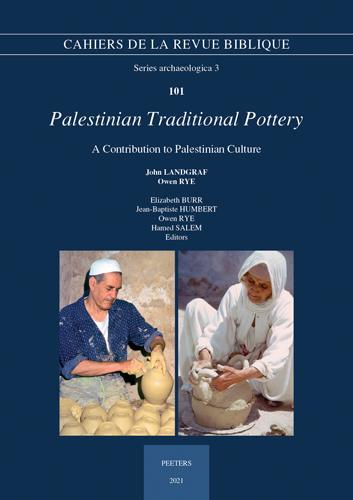 Palestinian Traditional Pottery
A Contribution to Palestinian Culture. A Fieldwork Study, 1972-1980
Volume 101, 3
 Le dossier Jézabel
L'imaginaire de la « femme royale » entre Bible hébraïque, cultures hellénisées et monde romain
Volume 90
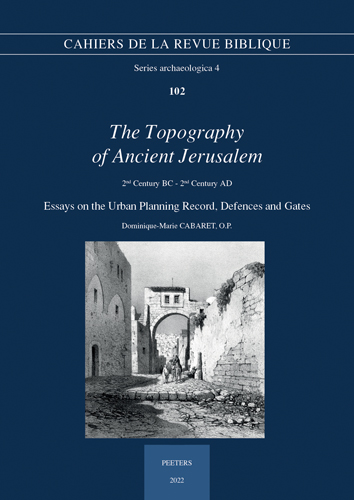 The Topography of Ancient Jerusalem, 2nd Century BC – 2nd Century AD
Essays on the Urban Planning Record, Defences and Gates
Volume 102, 4
 Un maître de la critique textuelle: Dominique Barthélemy
L'édition de la 'Critique textuelle de l'Ancien Testament' (1982-2015)
Volume 91
 L’Ecclésiaste à la confluence du judaïsme et de l’hellénisme
Deux siècles d'histoire des études comparées du Qohélet et des vestiges littérares et philosophiques grecs
Volume 93
 La Bible en face
Études textuelles et littéraires offertes en hommage à Adrian Schenker, à l'occasion de ses quatre-vingts ans
Volume 95
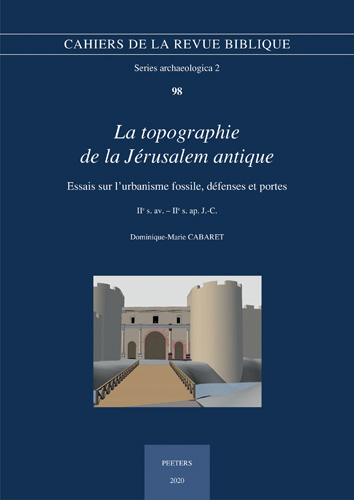 La topographie de la Jérusalem antique
Essais sur l'urbanisme fossile, défenses et portes. IIe s. av. - IIe s. ap. J.-C.
Volume 98, 2


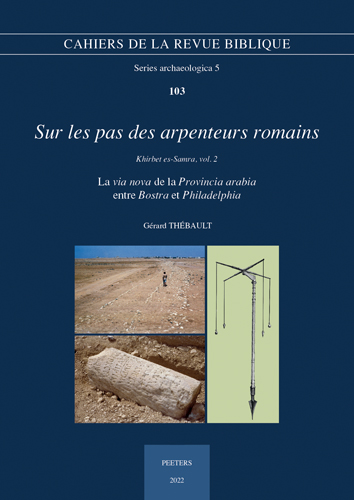 Sur les pas des arpenteurs romains
La via nova dans la Provincia arabia entre Bostra et Philadelphia. Khirbet es-Samra, vol. 2
Volume 103, 5



Similar Books


 Apocrypha, Magic, Liturgy
The Multiple Identities of Coptic Prayers in Late Antique and Early Islamic Egypt
 Athanasius of Alexandria, Epistula ad episcopos Aegypti et Libyae
Old Slavonic Version and English Translation
Volume 261



 Contesting Labeled Identities
The Sociology of Gentilics in Biblical and Northwest Semitic Literature

 Cyril of Alexandria’s Christological Exegesis
Explorations of Partitive Exegesis in the Dialogues on the Trinity
Volume 70


 Epiphanies of the Divine in the Septuagint and the New Testament
Fifth International Symposium of the Corpus Judaeo-Hellenisticum Novi Testamenti (CJHNT), 14-17 May 2015, Nottingham


 Extracanonical Traditions and the Holy Land
Texts, Rituals, and Material Culture in Late Antique Palestine
 From Joseph to Jesus
The Joseph Narrative as a Compositional Template from Old Greek Esther to the Gospel of Luke
Volume 125





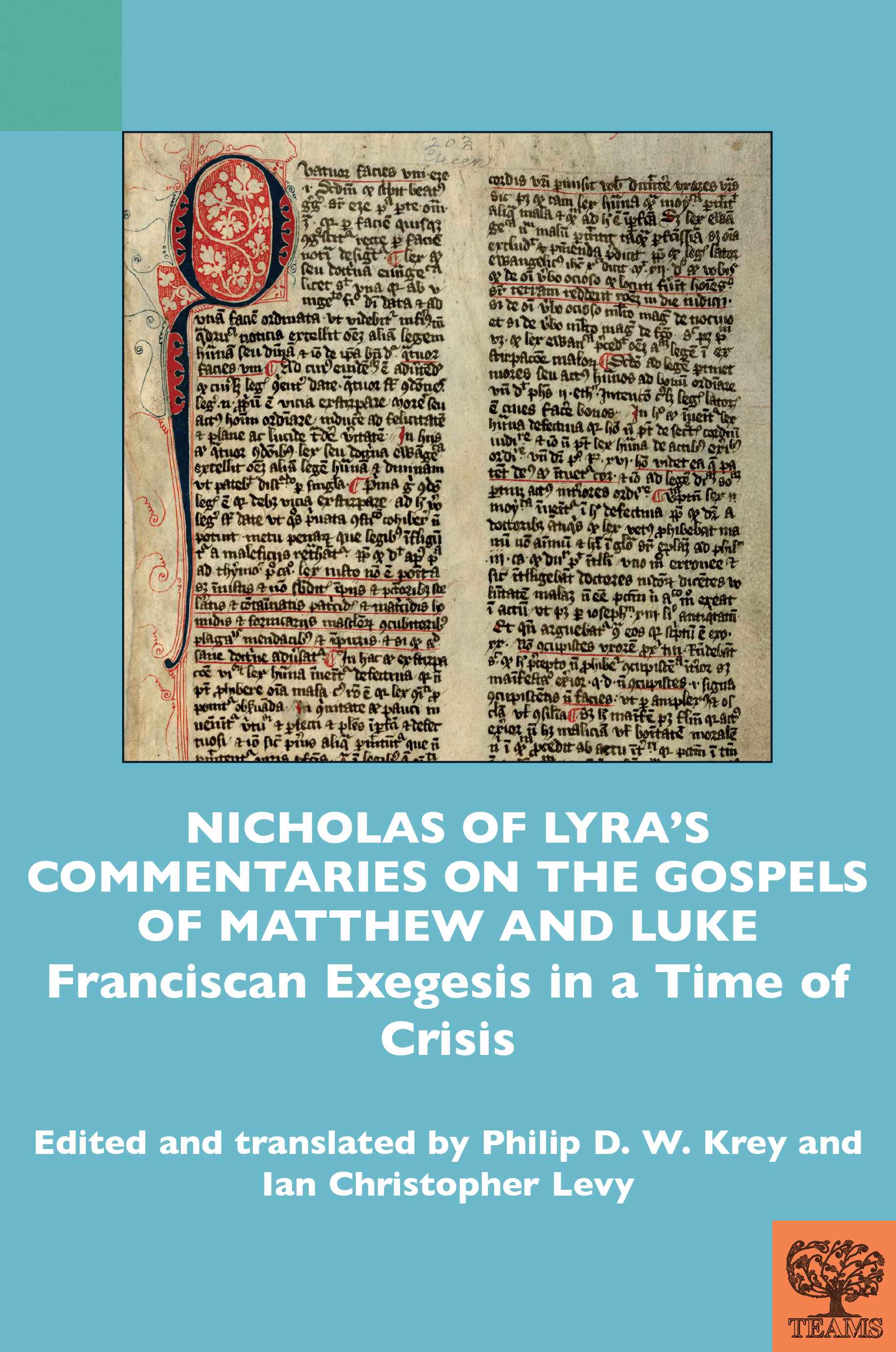 Nicholas of Lyra’s Commentaries on the Gospels of Matthew and Luke
Franciscan Exegesis in a Time of Crisis
 Paradise Lost in Transmission
The Return to Eden in the Apocalypse of Peter within Its Ethiopic and Early Christian Contexts




 Punning in Odd or Elegant Constructions in Jeremiah
The Convergence of Linguistics, Rhetoric, and Textuality in the Hebrew Text of Jeremiah
