
The Topography of Ancient Jerusalem, 2nd Century BC – 2nd Century AD
Essays on the Urban Planning Record, Defences and Gates
By (author) D.-M. Cabaret

Jerusalem has become a subject that arouses curiosity around the world. The ever-increasing quantity of interdisciplinary research is bringing new documents to light every day. Old maps, the potential of pre-1914 photographs found tucked away in drawers, and the availability of new technologies like satellite photography and computer data-processing are radically changing the methods of investigation. Dominique-Marie Cabaret tackles the whole complexity of the city head-on.
Jerusalem had a turbulent history and an urban evolution, which we find described by the historians of Antiquity. For 130 years attempts have been made to trace the lines of the ramparts, understand the sieges, reconstruct the great buildings and reveal the underlying planning. Crusader eyes first discerned the great monuments, long since vanished: Herod’s Temple, Hadrian’s Capitoline temple and Justinian’s long Christian basilica. All they had in front of them was the wall of the Temple, Constantine’s Holy Sepulchre and the Dome of the Rock. They scrutinized Jerusalem tirelessly, with a skill and a passion that still demand respect, and they felt they knew the city. Jerusalem has become a subject that arouses curiosity around the world. The ever-increasing quantity of interdisciplinary research is bringing new documents to light every day. Old maps, the potential of pre-1914 photographs found tucked away in drawers, and the availability of new technologies like satellite photography and computer data-processing are radically changing the methods of investigation. Dominique-Marie Cabaret tackles the whole complexity of the city head-on. Respectfully taking the current state of knowledge on board he conducts his investigation with the analytical skill of an engineer. His alternative approach has opened up new insights for him. Living on the spot, and familiar with the city from years of walking the streets and alleys, secret places, squares and courtyards, he has sought to test his intuitions armed with a pencil, a ten-metre tape-measure and a calculator. He found himself able to discern the geometry of the great works in the districts of the Hasmonean princes, then those of Herod and the whole area of Hadrian’s Aelia Capitolina, transformed by the ravages of time but with their organisational principles still intact. The intersections of the city’s main thoroughfares bear the marks of their ideologies. The sites of the great buildings have left the imprint of their policies or their competing propaganda. Cabaret radically changes our view of ancient Jerusalem. His watchmaker skills are put to excellent use as he describes the city planning grids and places them in relation to each other. Our curiosity builds as we follow along in his text. The city’s quarters were founded by the Hasmonean kings in thesecond century BC and the Damascus Gate square opens into an agora. To the north of the Temple, Herod prepared a quarter for a theatre and its quadriporticus. The Ecce Homo Arch comes back to life as a Herodian gate set in the city’s Second Wall. His ambitious grandson Herod Agrippa extended the city to the north, and this is where the Tomb of the Kings has its place. Everything changed following the destruction of the Temple to accommodate the Tenth Legio Fretensis inside the city walls. Jerusalem was embellished by Hadrian, who made it a Roman colony where he himself and Jupiter were to be worshipped, on the site of the Holy Sepulchre, and the equestrian statue of Hadrian was given pride of place on a sacred platform of the former Jewish Temple. The bold thesis of this work will breathe new life into what promises to become a fruitful debate.
- By (author) D.-M. Cabaret
Other Titles in this Series
 L’Ecclésiaste à la confluence du judaïsme et de l’hellénisme
Deux siècles d'histoire des études comparées du Qohélet et des vestiges littérares et philosophiques grecs
Volume 93


 La Bible en face
Études textuelles et littéraires offertes en hommage à Adrian Schenker, à l'occasion de ses quatre-vingts ans
Volume 95
 La topographie de la Jérusalem antique
Essais sur l'urbanisme fossile, défenses et portes. IIe s. av. - IIe s. ap. J.-C.
Volume 98, 2


 Sur les pas des arpenteurs romains
La via nova dans la Provincia arabia entre Bostra et Philadelphia. Khirbet es-Samra, vol. 2
Volume 103, 5


 Le dossier Jézabel
L'imaginaire de la « femme royale » entre Bible hébraïque, cultures hellénisées et monde romain
Volume 90
 Palestinian Traditional Pottery
A Contribution to Palestinian Culture. A Fieldwork Study, 1972-1980
Volume 101, 3
 Un maître de la critique textuelle: Dominique Barthélemy
L'édition de la 'Critique textuelle de l'Ancien Testament' (1982-2015)
Volume 91
Similar Books


 Caesar’s Visions and Impact on the Roman Empire
Revisiting the Archaeological and Historical Record of the 40s BC
Volume 2

 Connecting the Dots: Counting, Writing, and the Beginnings of Civilization
The Secret Lives of Clay Tokens: A Memoir


 Etruscan and Roman Hellenistic Anatomical ex votos
Reassessing Popular Religious Expressions in Central Italy
Volume 8


 Ḫattušaš utnē išḫameški
Hittite and Other Ancient Near Eastern Studies Presented to Piotr Taracha on the Occasion of His 65th Birthday


 Invisible Labour in Antiquity
Visualizing Obscure Work in the Ancient Mediterannean and West Asia
Volume 1
 Late Antique villae in the Balkans (3rd–7th c. AD): Current Research Questions and Perspectives
HAEMUS Companion to the Late Antique Balkans 1
Volume 4

 New Research on Old Collections in Southwest Asian Archaeology
Proceedings of the Workshop Held at the British Museum, London, 31 July – 2 August, 2023
 Old Aramaic Inscriptions and their Contexts
An Epigraphic, Archaeological, and Historical Synthesis
Volume 63


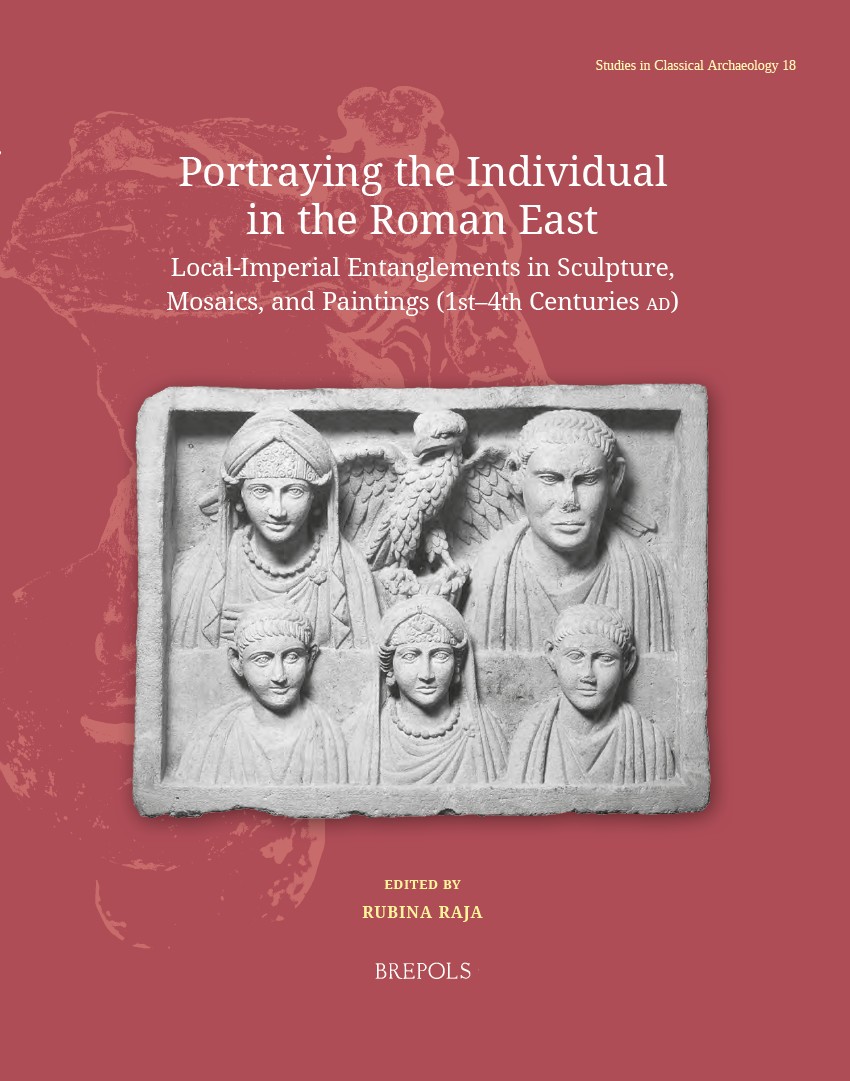 Portraying the Individual in the Roman East
Local–Imperial Entanglements in Sculpture, Mosaics, and Paintings (First–Fourth Centuries AD)
Volume 18
 Punning in Odd or Elegant Constructions in Jeremiah
The Convergence of Linguistics, Rhetoric, and Textuality in the Hebrew Text of Jeremiah

 Shame in the Worlds of the Hebrew Bible and Akkadian Texts
A Linguistic Study and Its Implications
Volume 33
 Small Worlds and Relational Agencies: Local Societies in Early Medieval Iberia
Pequeños mundos y Agencias relacionales: Sociedades locales altomedievales en la Península Ibérica
 Telling Contexts
Archaeological and Textual Studies in Honor of Elizabeth Bloch-Smith and Mark S. Smith
 The Body
Lived, Cultured, Adorned: Essays on Dress and the Body in the Bible and Ancient Near East in Honor of Nili S. Fox
 The Discourse of Rites
Shaping and Reshaping the (Counter-)Priestly Rituals Conducted Outside the Tabernacle

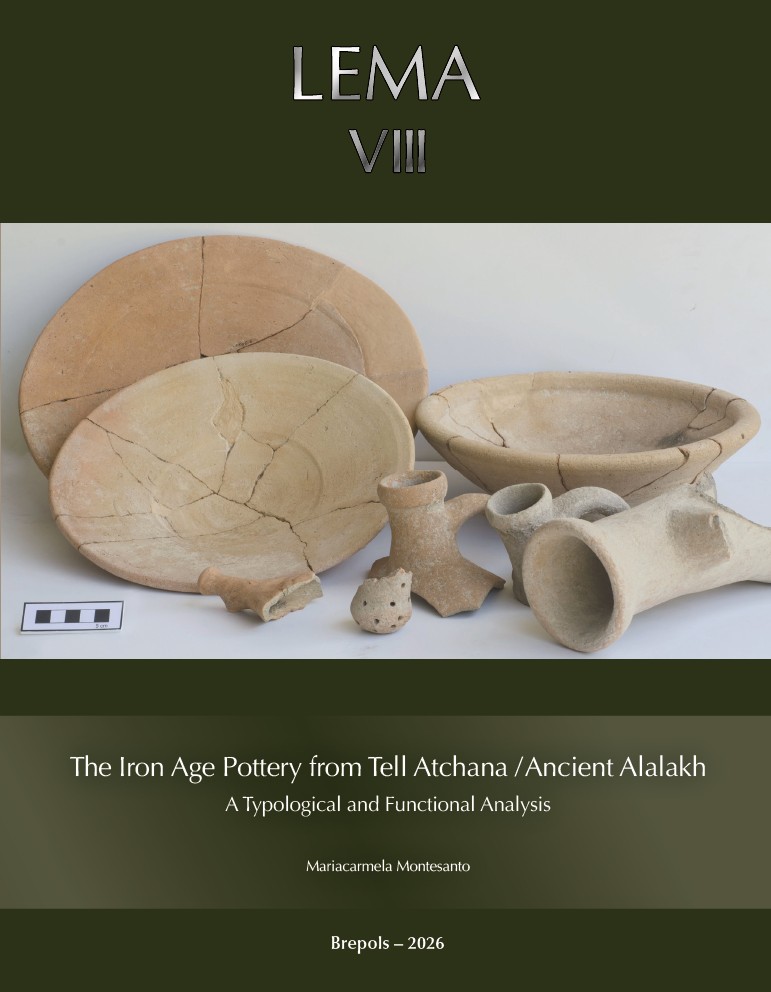 The Iron Age Pottery from Tell Atchana / Ancient Alalakh
A Typological and Functional Analysis
Volume 8

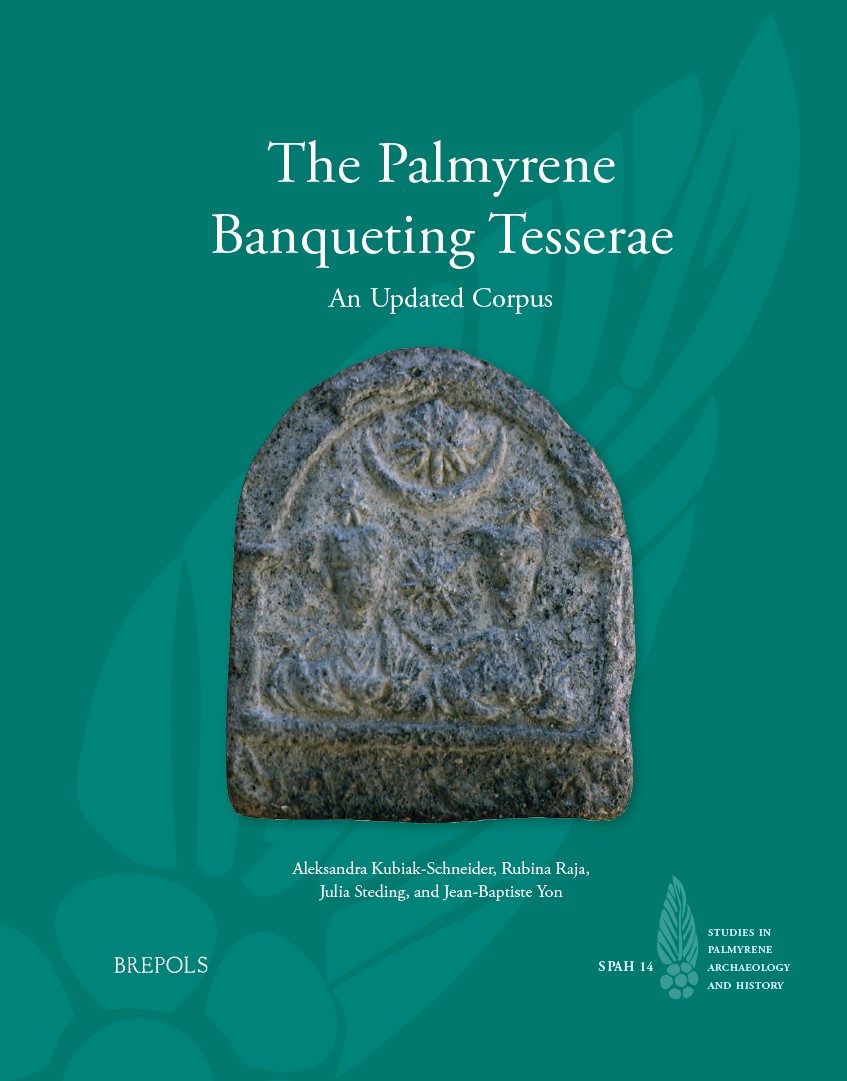


 Writing in the Church of the Nativity in Bethlehem
Inscription and Graffiti in a Multilingual and Multigraphic Perspective
Volume 45