The Pottery of the Governor’s Palace at Seleucid Jebel Khalid-on-the-Euphrates
By (author) H. Jackson
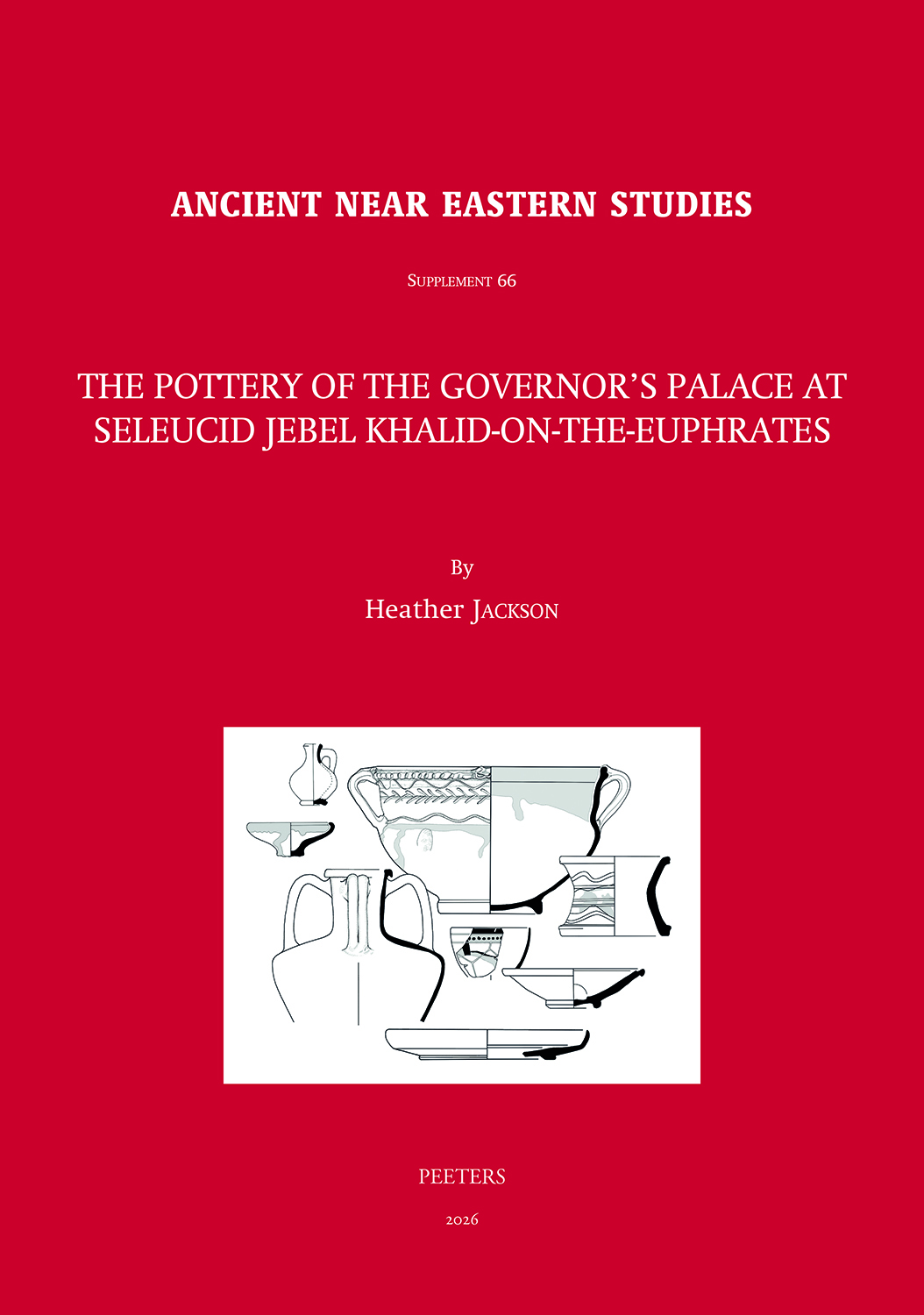
Jebel Khalid is the site of a Seleucid settlement on the river Euphrates in North Syria, excavated by an Australian team between 1986 and 2010. This limestone plateau, situated near a crossing place, offered an ideal strategic position for monitoring both river and land traffic and trade. The settlement was established, on bedrock foundations in the reign of Seleucus I Nicator c. 300 BC but was abandoned by the middle of the first century BC. The largest building, set high on the Acropolis and separately walled, was the Governor’s Palace, which would have dominated the view for a long distance down- and up-river. Graeme Clarke directed its excavation from 1989 to 1996. <br />This volume publishes the pottery from that excavation. Previously published has been the domestic corpus of pottery from the excavated Housing Insula, affording a basis for comparison between palatial and domestic contexts. A pottery assemblage can tell us much about the life of the inhabitants: activities, preferences, customs and diet. Not surprisingly, the Palace assemblage contains considerable evidence of feasting. This evidence is particularly valuable today, when, as result of the Syrian civil war, the remains of the Palace have been bulldozed and the pottery itself lost. <br />The importance of the Palace assemblage is that it represents usage within a Seleucid administrative centre in the Late Hellenistic period. It is likely to be the only comprehensive survey of pottery so far published from a full-scale Seleucid Governor’s Palace.
Jebel Khalid is the site of a Seleucid settlement on the river Euphrates in North Syria, excavated by an Australian team between 1986 and 2010. This limestone plateau, situated near a crossing place, offered an ideal strategic position for monitoring both river and land traffic and trade. The settlement was established, on bedrock foundations in the reign of Seleucus I Nicator c. 300 BC but was abandoned by the middle of the first century BC. The largest building, set high on the Acropolis and separately walled, was the Governor’s Palace, which would have dominated the view for a long distance down- and up-river. Graeme Clarke directed its excavation from 1989 to 1996. <br />This volume publishes the pottery from that excavation. Previously published has been the domestic corpus of pottery from the excavated Housing Insula, affording a basis for comparison between palatial and domestic contexts. A pottery assemblage can tell us much about the life of the inhabitants: activities, preferences, customs and diet. Not surprisingly, the Palace assemblage contains considerable evidence of feasting. This evidence is particularly valuable today, when, as result of the Syrian civil war, the remains of the Palace have been bulldozed and the pottery itself lost. <br />The importance of the Palace assemblage is that it represents usage within a Seleucid administrative centre in the Late Hellenistic period. It is likely to be the only comprehensive survey of pottery so far published from a full-scale Seleucid Governor’s Palace.
- By (author) H. Jackson
Other Titles in this Series


 Heritage in Conflict
Proceedings of Two Meetings: 'Heritage in Conflict: A Review of the Situation in Syria and Iraq', Workshop held at the 63rd Rencontre Assyriologique Internationale, Marburg, Germany, 24-25 July 2017, and 'Syria: Ancient History - Modern Conflict', Sy
Volume 57
 Ceramics in Transitions
Chalcolithic Through Iron Age in the Highlands of the Southern Caucasus and Anatolia
Volume 27

 Gilgamesh and the World of Assyria
Proceedings of the Conference Held at the Mandelbaum House, The University of Sydney, 21-23 July 2004
Volume 21


 Across the Border: Late Bronze-Iron Age Relations between Syria and Anatolia
Proceedings of a Symposium held at the Research Center of Anatolian Studies, Koc University, Istanbul, May 31 - June 1, 2010
Volume 42
 Archaeology at the North-East Anatolian Frontier, VI
An Ethnoarchaeological Study of Sos Hoyuk and Yigittasi Village
Volume 11
 Anatolian Iron Ages 7
The Proceedings of the Seventh Anatolian Iron Ages Colloquium Held at Edirne, 19-24 April 2010
Volume 39
 The Lure of the Antique
Essays on Malta and Mediterranean Archaeology in Honour of Anthony Bonanno
Volume 54

 Yanik Tepe, Northwestern Iran
The Early Trans-Caucasian Period. Stratigraphy and Architecture
Volume 41
 Punic Antiquities of Malta and Other Ancient Artefacts Held in Ecclesiastic and Private Collections
Volume 10

 Alalakh and its Neighbours
Proceedings of the 15th Anniversary Symposium at the New HatayArchaeology Museum, 10-12 June 2015
Volume 55


 ‘What Mean these Stones?’ (Joshua 4
6, 21): Essays on Texts, Philology, and Archaeology in Honour of Anthony J. Frendo
Volume 50

 Archaeozoology of the Near East X
Proceedings of the Tenth International Symposium on the Archaeozoology of South-Western Asia and Adjacent Areas
Volume 44
 Old Aramaic Inscriptions and their Contexts
An Epigraphic, Archaeological, and Historical Synthesis
Volume 63
Similar Books


 Colour Concept “Secoli bui” a colori
Codici cromatici e architetture dipinte nell’età tardoantica e medievale
 Crossing Disciplines in the Study of Archaeology and Prehistoric Art: Insights from the Sahara and Mediterranean Africa
Proceedings of the XX UISPP World Congress (5–9 September 2023, Timișoara, Romania) Volume / Session 18
 Crossing Sacred Landscapes
Contacts and Continuities in the Desert Cults and Beliefs of Ancient Northern Arabia and the Arid Southern Levant
 Cuneiform Artefacts from Archaeological Contexts: New Research on Ancient Iraq
Proceedings of a Conference Held at the Bavarian Academy of Sciences and Humanities, July 4–5, 2024
Volume 2




 Exploring Prehistoric Pottery in Japan
A Study of Organic Inclusions, Adhering Materials, and Impressions of Woven Items
 From Coast to Coast
Current Archaeological Research on Cultural Exchange along and across the Baltic Sea
Volume 19
 Harvesting the Margins of the Viking World
Decentralizing Economies in Late Iron Age Fennoscandia
Volume 6

 Images of Anonymous Women
A Semiotic Approach to Image-Text Relations in Interpretation of Ancient Near Eastern Art and the Hebrew Bible
Volume 310

 Linguistic and Cultural Dynamics in a Frontier Society
New Perspectives on Northeastern Bavaria and Western Bohemia in the Early Middle Ages
Volume 9

 Making and Meaning in the Bronze and Iron Ages
Chronology, Landscapes and Societies across Europe. Proceedings from the METALAGES2024 Colloquium (Florence, 23 October 2024)
 Medieval Yeghegis, Armenia
History, Archaeology, Society. Local Multiplicities and Global Connections of a Rural Centre on the Silk Road(s)


 Promoting the Profession
Papers in Honour of Peter Hinton Director of the Chartered Institute for Archaeologists 1997-2025

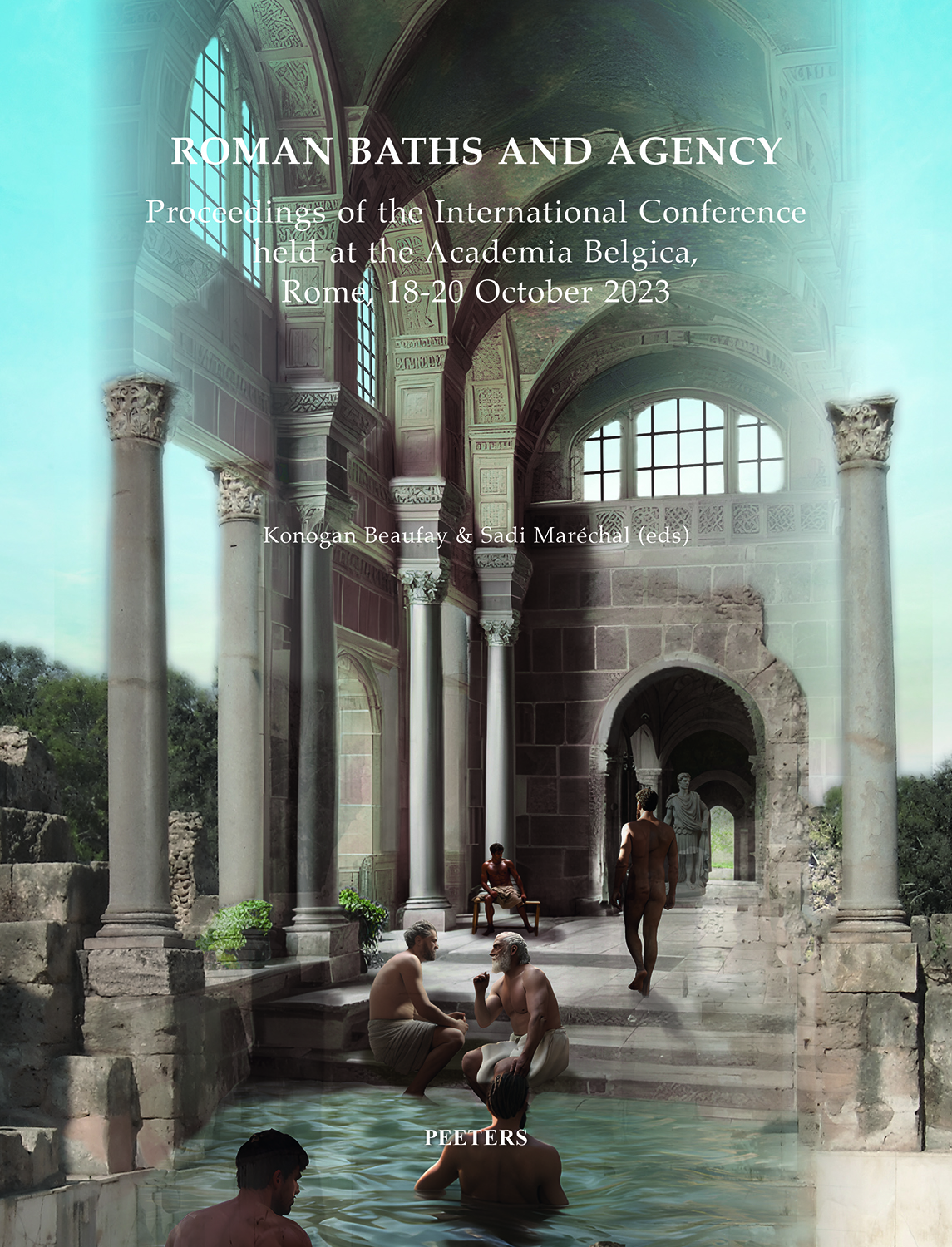 Roman Baths and Agency
Proceedings of the International Conference held at the Academia Belgica, Rome, 18-20 October 2023
Volume 51


 The Early Iron Age Necropoleis at Marathon (Attica)
Burial Sites, Funerary Practices, Pottery Production and Uses
Volume 26

 The Kingdom of Makuria and its Civilization
A Renewed Insight through New Archaeological Discoveries


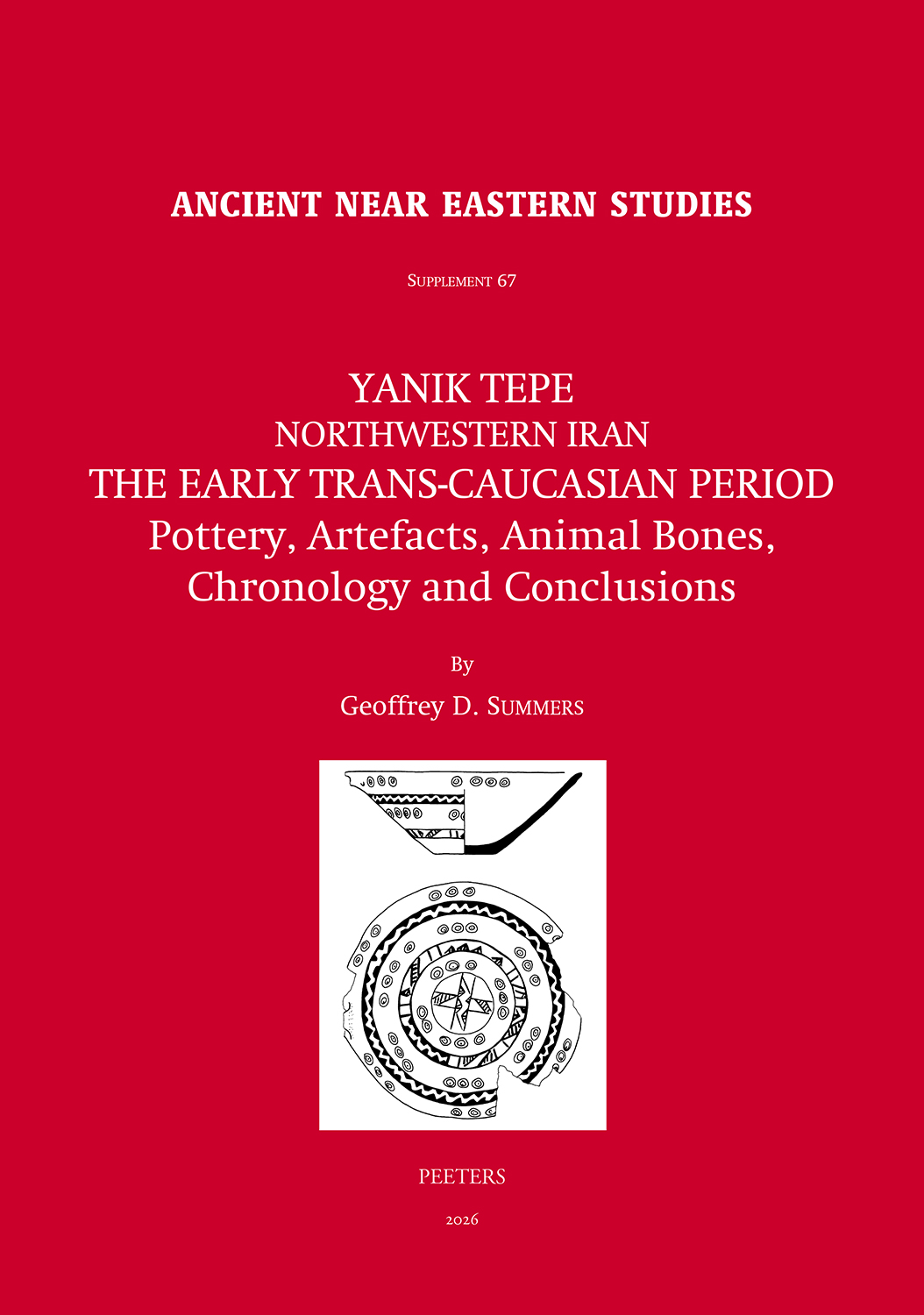 Yanik Tepe, Northwestern Iran: The Early Trans-Caucasian Period
Pottery, Artefacts, Animal Bones, Chronology and Conclusions
Volume 67