
In the Crosswinds of History
The Archive of Bēl-ušallim, Descendant of Ingalēa
By (author) Kristin Kleber

Hardback (Published)
(August 2026)
ISBN: 9783447125895
8.31 x 11.69 inches
Price: $98.00
In stock
Volume 4 of the Babil-series contains the complete edition of the archive of Bēl-ušallim, descendant of Ingalēa, also known as N11 or the “Barber’s Archive”. The Koldewey expedition in Babylon discovered these 49 texts in January 1909. The tablets had been carefully packed in chaff, and placed in two clay jars, which had apparently been buried intentionally in order to recover them later. It is an exceptional collection of texts, as it represents a complete, intentionally created deposit.
The approximately 140 years covered by this family and business archive coincide with one of the most turbulent phases of Babylonian history during the first millennium. The earliest text from the reign of Erība-Marduk originates from the first half of the 8th century. The following generations of the family lived through the dynastic transitions from Chaldean to Neo-Assyrian rule and witnessed the violent military conquest of the city under the reign of Sennacherib. Bēl-ušallim himself grew up during the most difficult years following the destruction of Babylon, and toward the end of his life, he buried the tablets sometime after Nisān in the 20th year of Kandalānu (March/April 628 BC), when violence again engulfed the city at the dawn of Nabopolassar’s rise to power. The family’s history is closely intertwined with political history, and – given the timing of their fall from power – is itself witness to a turning of the political tide.
Volume 4 of the Babil-series contains the complete edition of the archive of Bēl-ušallim, descendant of Ingalēa, also known as N11 or the “Barber’s Archive”. The Koldewey expedition in Babylon discovered these 49 texts in January 1909. The tablets had been carefully packed in chaff, and placed in two clay jars, which had apparently been buried intentionally in order to recover them later. It is an exceptional collection of texts, as it represents a complete, intentionally created deposit.
The approximately 140 years covered by this family and business archive coincide with one of the most turbulent phases of Babylonian history during the first millennium. The earliest text from the reign of Erība-Marduk originates from the first half of the 8th century. The following generations of the family lived through the dynastic transitions from Chaldean to Neo-Assyrian rule and witnessed the violent military conquest of the city under the reign of Sennacherib. Bēl-ušallim himself grew up during the most difficult years following the destruction of Babylon, and toward the end of his life, he buried the tablets sometime after Nisān in the 20th year of Kandalānu (March/April 628 BC), when violence again engulfed the city at the dawn of Nabopolassar’s rise to power. The family’s history is closely intertwined with political history, and – given the timing of their fall from power – is itself witness to a turning of the political tide.
- By (author) Kristin Kleber
Other Titles in this Series
 The Temple of Ištar-of-Akkad in Babylon from the Neo-Assyrian until the Persian Period
The Archival Texts
Volume 33
 Siedlungsgeschichte im mittleren Osttigrisgebiet
Vom Neolithikum bis in die neuassyrische Zeit
Volume 28
 Late Antique Arabia – Zafar, Capital of Himyar
Rehabilitation of a 'Decadent' Society: Excavations of the Ruprecht-Karls-Universitat Heidelberg 1998-2010 in the Highlands of Yemen
Volume 29


Similar Books


 Colour Concept “Secoli bui” a colori
Codici cromatici e architetture dipinte nell’età tardoantica e medievale
 Crossing Disciplines in the Study of Archaeology and Prehistoric Art: Insights from the Sahara and Mediterranean Africa
Proceedings of the XX UISPP World Congress (5–9 September 2023, Timișoara, Romania) Volume / Session 18
 Crossing Sacred Landscapes
Contacts and Continuities in the Desert Cults and Beliefs of Ancient Northern Arabia and the Arid Southern Levant
 Cuneiform Artefacts from Archaeological Contexts: New Research on Ancient Iraq
Proceedings of a Conference Held at the Bavarian Academy of Sciences and Humanities, July 4–5, 2024
Volume 2


 Exploring Prehistoric Pottery in Japan
A Study of Organic Inclusions, Adhering Materials, and Impressions of Woven Items
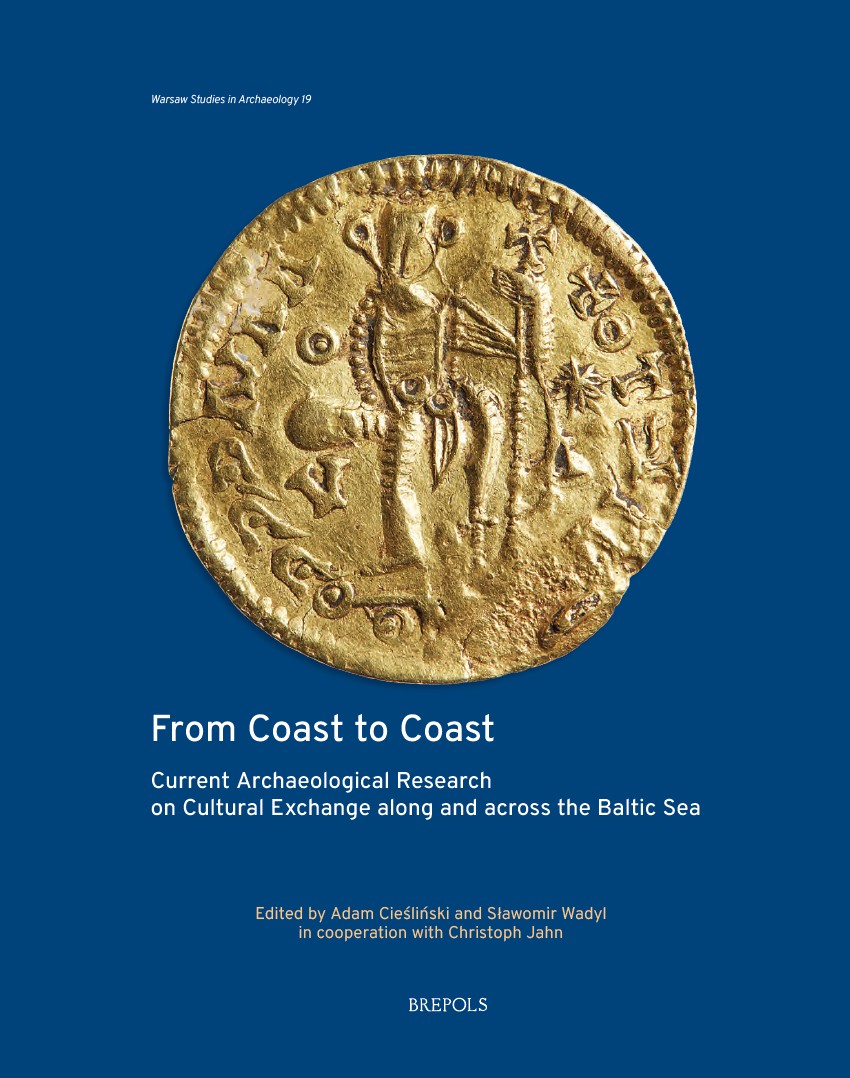 From Coast to Coast
Current Archaeological Research on Cultural Exchange along and across the Baltic Sea
Volume 19
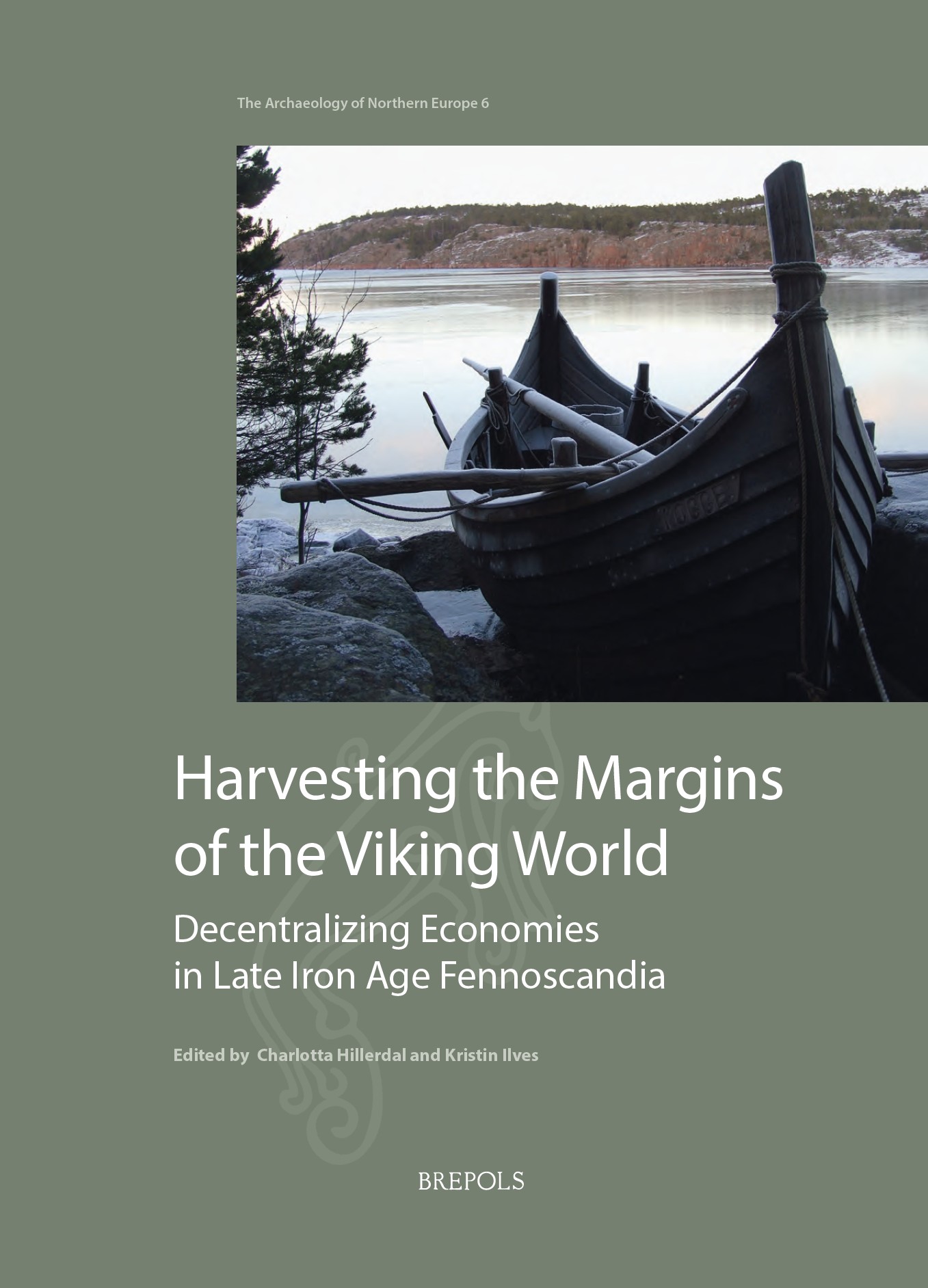 Harvesting the Margins of the Viking World
Decentralizing Economies in Late Iron Age Fennoscandia
Volume 6

 Linguistic and Cultural Dynamics in a Frontier Society
New Perspectives on Northeastern Bavaria and Western Bohemia in the Early Middle Ages
Volume 9

 Making and Meaning in the Bronze and Iron Ages
Chronology, Landscapes and Societies across Europe. Proceedings from the METALAGES2024 Colloquium (Florence, 23 October 2024)
 Medieval Yeghegis, Armenia
History, Archaeology, Society. Local Multiplicities and Global Connections of a Rural Centre on the Silk Road(s)


 Promoting the Profession
Papers in Honour of Peter Hinton Director of the Chartered Institute for Archaeologists 1997-2025


 The Kingdom of Makuria and its Civilization
A Renewed Insight through New Archaeological Discoveries


 Economic Trends in China During the Age of Confucius (1000–250 BC)
The Archaeological Evidence
Volume 10
 The Temple of Ištar-of-Akkad in Babylon from the Neo-Assyrian until the Persian Period
The Archival Texts
Volume 33
 Unsilencing the Archives
New Approaches to the History of Archaeological Labor in the Mandate Period Middle East
Volume 80
 Ägäische Wandmalereien aus dem Tuthmosidenpalast von Tell el-Dab’a II
Architektursimulationen aus Palast G und ihre Wahrnehmung im ägyptischen Kontext

