
Nunamiut Ethnoarchaeology
by Lewis R. Binford
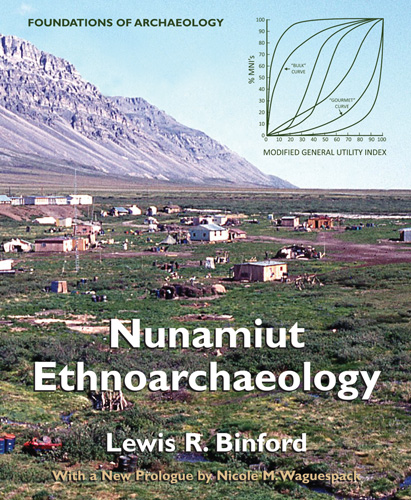
In Nunamiut Ethnoarchaeology, the late Lewis Binford documents the hunting and butchering strategies of modern Arctic big game hunters and the archaeological remains generated during the course of their yearly round of activities-producing a unique description of a complete annual cycle of subsistence activities, viewed simultaneously from both a behavioral and archaeological perspective. The volume is now regarded as a classic of archaeological theory building. As Nicole Waguespack writes in her new prologue, “Binford documents Nunamiut hunting and butchering strategies and their impact on faunal assemblage variation. In classic Binfordian fashion, however, the book is also about much more and can serve as an essential sourcebook on both ethnoarchaeology and zooarchaeology.” Originally published by Academic Press in 1978. Praise from readers “Binford’s classic work is archaeology’s Moby Dick-raw in the ethnographic details of butchering nature for human purposes and rich in the knowledge so gained for the study of the human past. Nunamiut Ethnoarchaeology put complexity back into hunting and archaeologists have been feasting off the fat ever since.” Clive Gamble, University of Southampton “Decades after its initial publication, Nunamuit Ethnoarchaeology remains a defining moment in archaeological method and theory. Binford’s pioneering tour de force continues to inspire archaeologists and stands as a basic sourcebook for anyone interested in hunter-gatherer studies. This book is one of the reasons why I do what I do.” Karen Lupo, Washington State University “Nunamiut Ethnoarchaeology will always stand as one of the most important and innovative books in taphonomy, ethnoarchaeology, and hunter-gatherer ethnography. A brilliant treatise on hunter-gatherer foraging and a model for the rest of the field to follow on how to use the present to learn about the past.” Curtis W. Marean, Arizona State University
In Nunamiut Ethnoarchaeology, the late Lewis Binford documents the hunting and butchering strategies of modern Arctic big game hunters and the archaeological remains generated during the course of their yearly round of activities-producing a unique description of a complete annual cycle of subsistence activities, viewed simultaneously from both a behavioral and archaeological perspective. The volume is now regarded as a classic of archaeological theory building. As Nicole Waguespack writes in her new prologue, “Binford documents Nunamiut hunting and butchering strategies and their impact on faunal assemblage variation. In classic Binfordian fashion, however, the book is also about much more and can serve as an essential sourcebook on both ethnoarchaeology and zooarchaeology.” Originally published by Academic Press in 1978. Praise from readers “Binford’s classic work is archaeology’s Moby Dick-raw in the ethnographic details of butchering nature for human purposes and rich in the knowledge so gained for the study of the human past. Nunamiut Ethnoarchaeology put complexity back into hunting and archaeologists have been feasting off the fat ever since.” Clive Gamble, University of Southampton “Decades after its initial publication, Nunamuit Ethnoarchaeology remains a defining moment in archaeological method and theory. Binford’s pioneering tour de force continues to inspire archaeologists and stands as a basic sourcebook for anyone interested in hunter-gatherer studies. This book is one of the reasons why I do what I do.” Karen Lupo, Washington State University “Nunamiut Ethnoarchaeology will always stand as one of the most important and innovative books in taphonomy, ethnoarchaeology, and hunter-gatherer ethnography. A brilliant treatise on hunter-gatherer foraging and a model for the rest of the field to follow on how to use the present to learn about the past.” Curtis W. Marean, Arizona State University
Prologue to the Percheron Press Edition Nicole M. Waguespack Introduction Chapter 1. The Economic Anatomy of Sheep and Caribou Chapter 2. Some General Considerations: Butchering, Kill Sites, and Recording Procedures Chapter 3. Meat Storage Chapter 4. Food Processing and Consumption Chapter 5. Spring Chapter 6. Summer Chapter 7. Fall Chapter 8. Winter Chapter 9. Conclusions References Index
- By (author) Lewis R. Binford
Other Titles in this Series



Similar Books


 Archaeological Excavations at Irmis Rka: An Investigation of a Multi-Layered Settlement in Southwest Georgia
Results from the 2020 Season: Early Bronze Age to Medieval Occupations
 As Messianism Turns to Heresy
The Regenstein Chair Lectures On Lurianic Kabbalah and Shabbatai Tzevi at Hebrew Union College - Cincinnati


 Beyond Sovereign Courts
Agents and Practices in Early Modern Spanish and Habsburg Diplomacy
Volume 3


 Catuvellaunia and Rome: Economic and Political Relations during the Final Decades Pre-conquest
The Role of Grain from Southeastern Britain and Its Potential for Maintenance of the Roman Military along the Frontier on the Rhine


 Colour Concept “Secoli bui” a colori
Codici cromatici e architetture dipinte nell’età tardoantica e medievale


 Crossing Disciplines in the Study of Archaeology and Prehistoric Art: Insights from the Sahara and Mediterranean Africa
Proceedings of the XX UISPP World Congress (5–9 September 2023, Timișoara, Romania) Volume / Session 18
 Crossing Sacred Landscapes
Contacts and Continuities in the Desert Cults and Beliefs of Ancient Northern Arabia and the Arid Southern Levant
 Cuneiform Artefacts from Archaeological Contexts: New Research on Ancient Iraq
Proceedings of a Conference Held at the Bavarian Academy of Sciences and Humanities, July 4–5, 2024
Volume 2



 ENTANGLED AFRICA
Intra-African Relations Between Rain Forest and Mediterranean from Around 4,000 BCE to 1,500 CE


 Exploring Prehistoric Pottery in Japan
A Study of Organic Inclusions, Adhering Materials, and Impressions of Woven Items

 Food Security under Armed Conflict
Global Knowledge Landscape and Public Attention to Social, Economic, and Humanitarian Dimensions


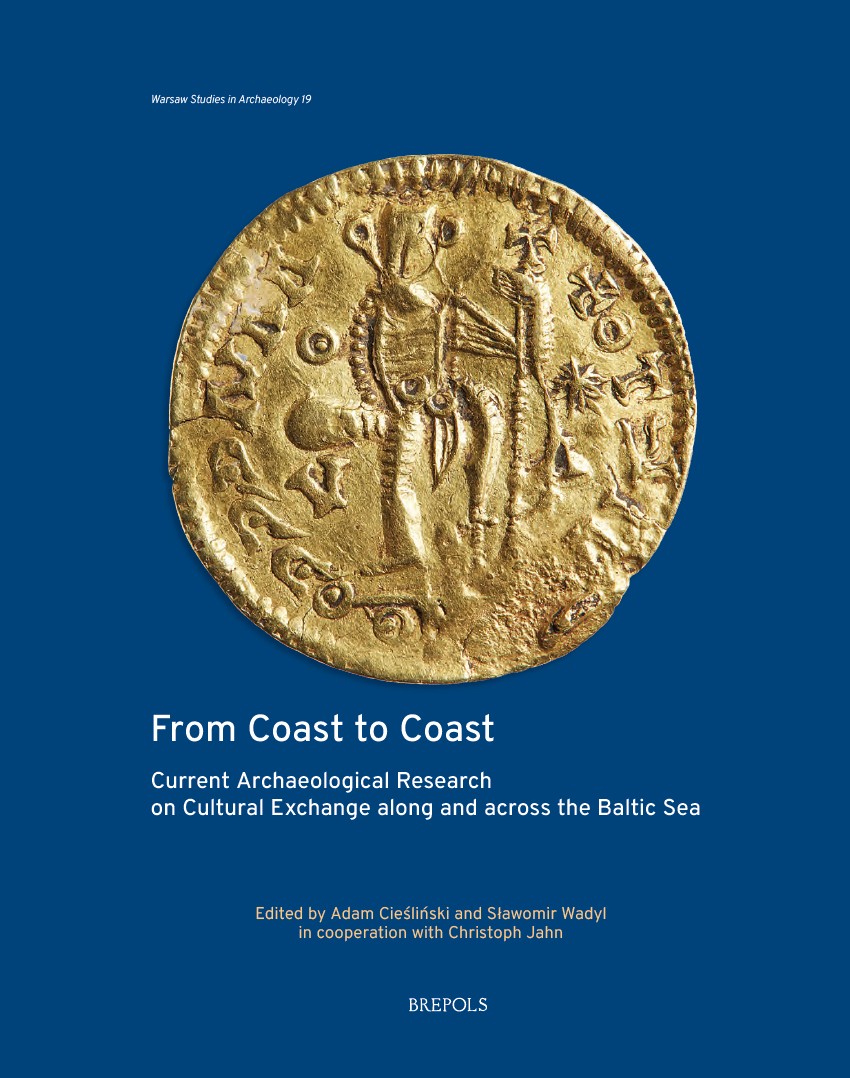 From Coast to Coast
Current Archaeological Research on Cultural Exchange along and across the Baltic Sea
Volume 19
 Frontiers of the Roman Empire: The Frontier of the Roman Province of Raetia
Grenzen des Römischen Reiches: Die Grenze der Römischen Provinz Raetien
 Gold, Silver and Glass: Power Networks, Cultural Identities, Technology Transfers and Agency across the Old World (7th Century BC – 1st Century AD)
Proceedings of a Conference Held at the British Museum, 16–18 June 2023
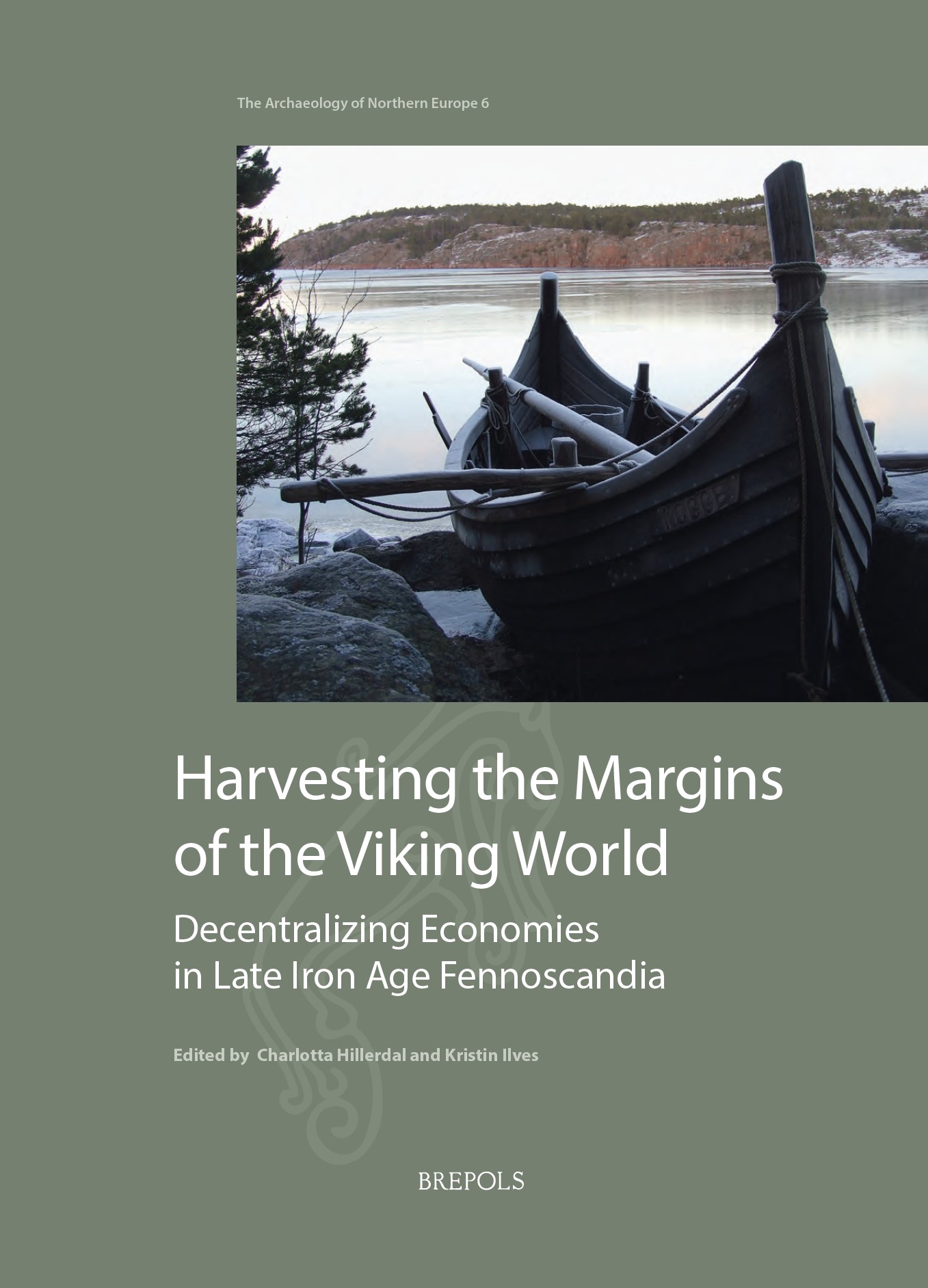 Harvesting the Margins of the Viking World
Decentralizing Economies in Late Iron Age Fennoscandia
Volume 6
 Images of Anonymous Women
A Semiotic Approach to Image-Text Relations in Interpretation of Ancient Near Eastern Art and the Hebrew Bible
Volume 310