
The Chanka
Archaeological Research in Andahuaylas (Apurimac), Peru
by Brian S. Bauer and Lucas C. Kellett

Paperback (Published)
(June 2010)
ISBN: 9781931745604
8.46 x 10.94 inches
Price: $30.00
In stock
Hardback (Published)
(June 2010)
ISBN: 9781931745598
8.46 x 10.94 inches
Price: $45.00
In stock
In AD 1438 a battle took place outside the city of Cuzco that changed the course of South American history. The Chanka, a powerful ethnic group from the Andahuaylas region, had begun an aggressive program of expansion. Conquering a host of smaller polities, their army had advanced well inside the territory of their traditional rival, the Inca. In a series of unusual maneuvers, the Inca defeated the invading Chanka forces and became the most powerful people in the Andes. Many scholars believe that the defeat of the Chanka represents a defining moment in the history of South America as the Inca then continued to expand and establish the largest empire of the Americas. Despite its critical position in South American history, until recently the Chanka heartland remained unexplored and the cultural processes that led to their rapid development and subsequent defeat by the Inca had not been investigated. From 2001 to 2004, Brian Bauer conducted an archaeological survey of the Andahuaylas region. This project represents an unparalleled opportunity to examine theoretical issues concerning the history and cultural development of late-prehistoric societies in this area of the Andes. The resulting book includes an archaeological analysis on the development of the Chanka and examines their ultimate defeat by the Inca.
- By (author) Brian S. Bauer
- By (author) Lucas C. Kellett
- By (author) Miriam Araoz Silva
Other Titles in this Series


 Archaeological Research on the Islands of the Sun and Moon, Lake Titicaca, Bolivia
Final Results from the Proyecto Tiksi Kjarka
Volume 52


Similar Books


 Colour Concept “Secoli bui” a colori
Codici cromatici e architetture dipinte nell’età tardoantica e medievale
 Crossing Disciplines in the Study of Archaeology and Prehistoric Art: Insights from the Sahara and Mediterranean Africa
Proceedings of the XX UISPP World Congress (5–9 September 2023, Timișoara, Romania) Volume / Session 18
 Crossing Sacred Landscapes
Contacts and Continuities in the Desert Cults and Beliefs of Ancient Northern Arabia and the Arid Southern Levant
 Cuneiform Artefacts from Archaeological Contexts: New Research on Ancient Iraq
Proceedings of a Conference Held at the Bavarian Academy of Sciences and Humanities, July 4–5, 2024
Volume 2


 Exploring Prehistoric Pottery in Japan
A Study of Organic Inclusions, Adhering Materials, and Impressions of Woven Items
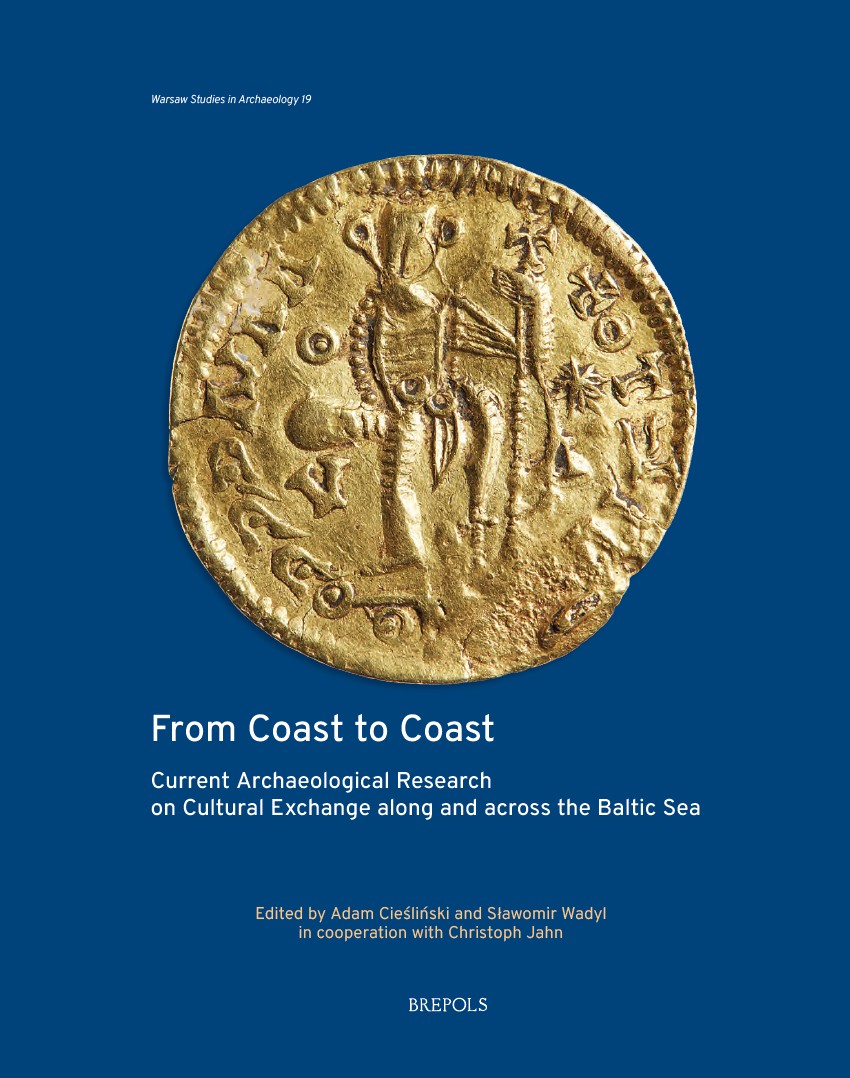 From Coast to Coast
Current Archaeological Research on Cultural Exchange along and across the Baltic Sea
Volume 19
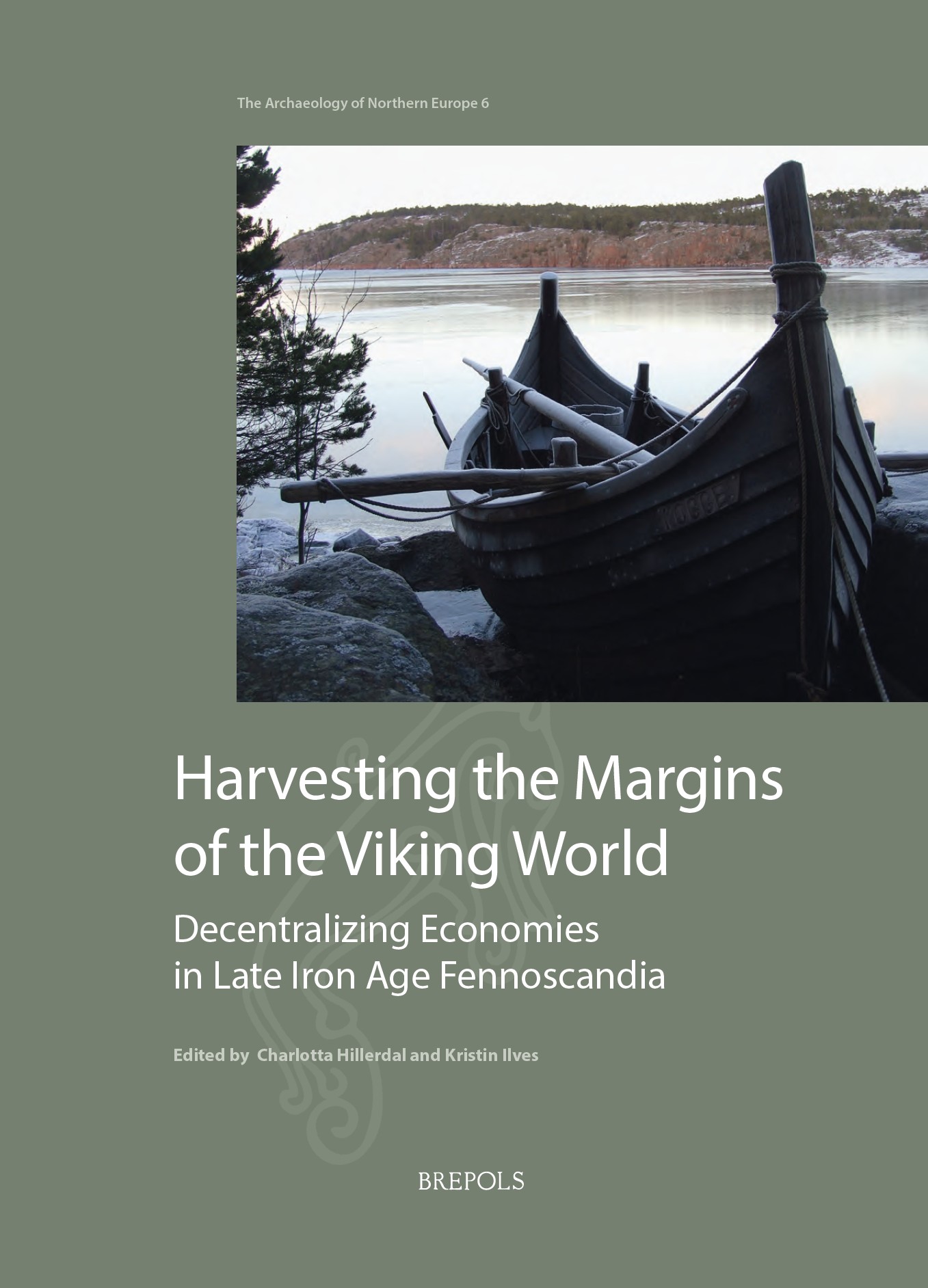 Harvesting the Margins of the Viking World
Decentralizing Economies in Late Iron Age Fennoscandia
Volume 6


 Linguistic and Cultural Dynamics in a Frontier Society
New Perspectives on Northeastern Bavaria and Western Bohemia in the Early Middle Ages
Volume 9

 Making and Meaning in the Bronze and Iron Ages
Chronology, Landscapes and Societies across Europe. Proceedings from the METALAGES2024 Colloquium (Florence, 23 October 2024)
 Medieval Yeghegis, Armenia
History, Archaeology, Society. Local Multiplicities and Global Connections of a Rural Centre on the Silk Road(s)


 Promoting the Profession
Papers in Honour of Peter Hinton Director of the Chartered Institute for Archaeologists 1997-2025


 The Kingdom of Makuria and its Civilization
A Renewed Insight through New Archaeological Discoveries


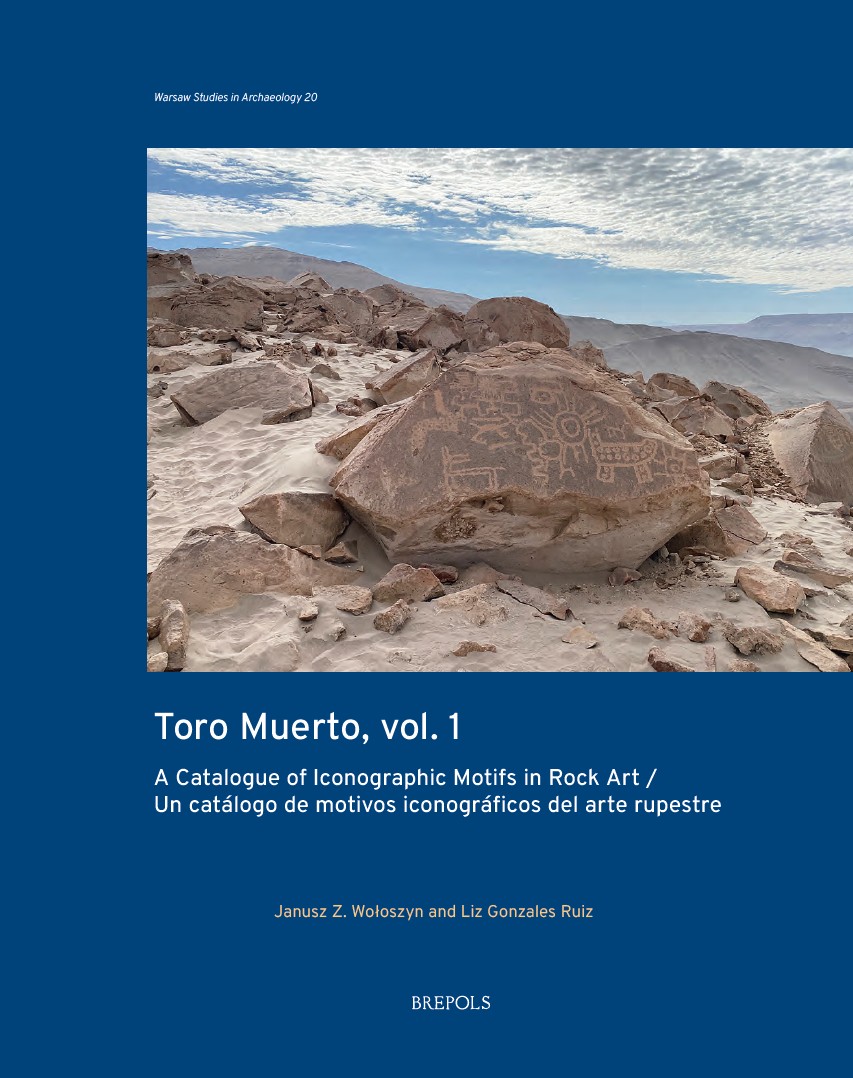 Toro Muerto, vol. I
A Catalogue of Iconographic Motifs in Rock Art / Un catálogo de motivos iconográficos del arte rupestre
Volume 20

 Economic Trends in China During the Age of Confucius (1000–250 BC)
The Archaeological Evidence
Volume 10

 The Temple of Ištar-of-Akkad in Babylon from the Neo-Assyrian until the Persian Period
The Archival Texts
Volume 33