Inca Rituals and Sacred Mountains
A Study of the World's Highest Archaeological Sites
by Johan Reinhard and Maria Constanza Ceruti

Paperback (Published)
(December 2010)
ISBN: 9781931745772
8.46 x 10.94 inches
Price: $39.50
On back order
Hardback (Published)
(December 2010)
ISBN: 9781931745765
8.46 x 10.94 inches
Price: $50.00
On back order
The Incas carried out some of the most dramatic ceremonies known to us from ancient times. Groups of people walked hundreds of miles across arid and mountainous terrain to perform them on mountains over 6,096 m (20,000 feet) high. The most important offerings made during these pilgrimages involved human sacrifices (capacochas). Although Spanish chroniclers wrote about these offerings and the state sponsored processions of which they were a part, their accounts were based on second-hand sources, and the only direct evidence we have of the capacocha sacrifices comes to us from archaeological excavations. Some of the most thoroughly documented of these were undertaken on high mountain summits, where the material evidence has been exceptionally well preserved. In this study we describe the results of research undertaken on Mount Llullaillaco (6,739 m/22,109 feet), which has the world’s highest archaeological site. The types of ruins and artifact assemblages recovered are described and analyzed. By comparing the archaeological evidence with the chroniclers’ accounts and with findings from other mountaintop sites, common patterns are demonstrated; while at the same time previously little known elements contribute to our understanding of key aspects of Inca religion. This study illustrates the importance of archaeological sites being placed within the broader context of physical and sacred features of the natural landscape.
- By (author) Maria Constanza Ceruti
- By (author) Johan Reinhard
Other Titles in this Series


 Berenike 1999/2000
Report on the Excavations at Berenike, Including Excavations in Wadi Kalalat and Siket, and the Survey of the Mons Smaragdus Region
Volume 56


 Recent advances in the Archaeology of the Northern Andes
In memory of Gerardo Reichel-Dolmatoff
Volume 39


 Roman Foodprints at Berenike
Archaeobotanical Evidence of Subsistence and Trade in the Eastern Desert of Egypt
Volume 55


 Ceramics of Postclassic Cholula, Mexico
Typology and Seriation of Pottery from the UA-1 Domestic Compound
Volume 43
 Settlement and Subsistence in Early Formative Soconusco
El Varal and the Problem of Inter-Site Assemblage Variation
Volume 65


 Ceramic Production and Circulation in the Greater Southwest
Source Determination by INAA and Complementary Mineralogical Investigations
Volume 44

Similar Books


 Colour Concept “Secoli bui” a colori
Codici cromatici e architetture dipinte nell’età tardoantica e medievale
 Crossing Disciplines in the Study of Archaeology and Prehistoric Art: Insights from the Sahara and Mediterranean Africa
Proceedings of the XX UISPP World Congress (5–9 September 2023, Timișoara, Romania) Volume / Session 18
 Crossing Sacred Landscapes
Contacts and Continuities in the Desert Cults and Beliefs of Ancient Northern Arabia and the Arid Southern Levant
 Cuneiform Artefacts from Archaeological Contexts: New Research on Ancient Iraq
Proceedings of a Conference Held at the Bavarian Academy of Sciences and Humanities, July 4–5, 2024
Volume 2



 Exploring Prehistoric Pottery in Japan
A Study of Organic Inclusions, Adhering Materials, and Impressions of Woven Items
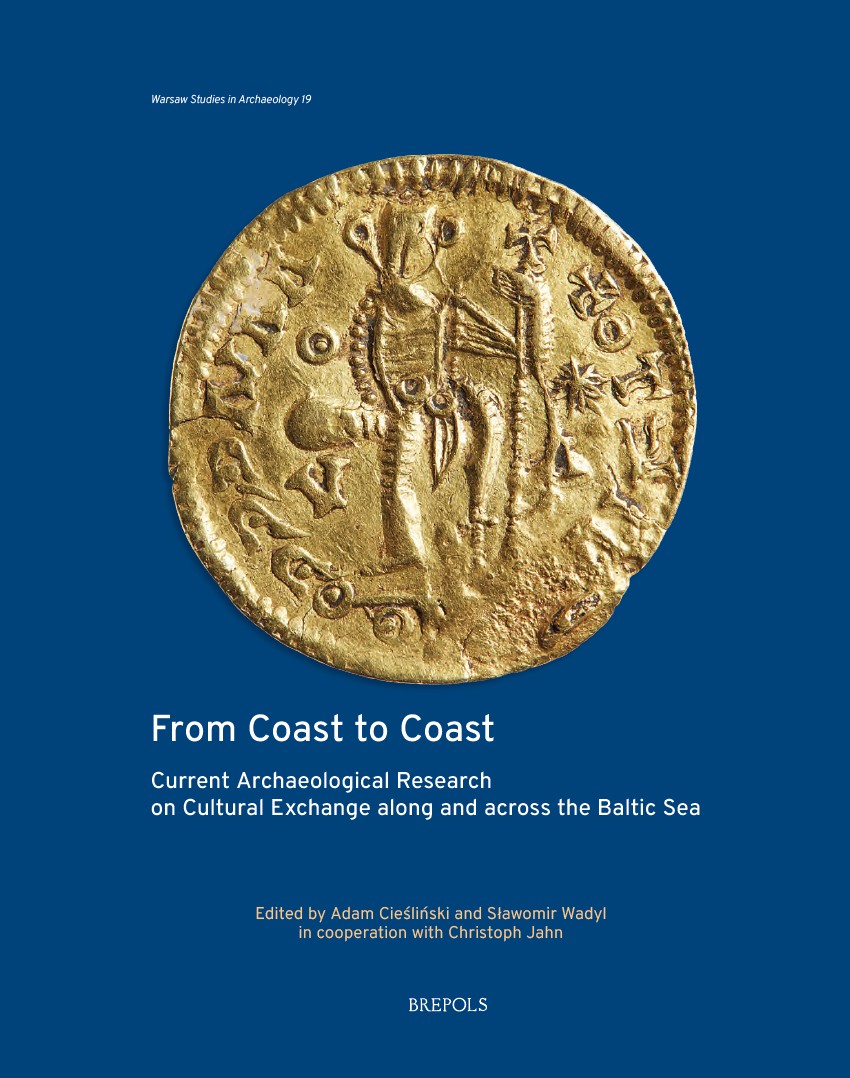 From Coast to Coast
Current Archaeological Research on Cultural Exchange along and across the Baltic Sea
Volume 19
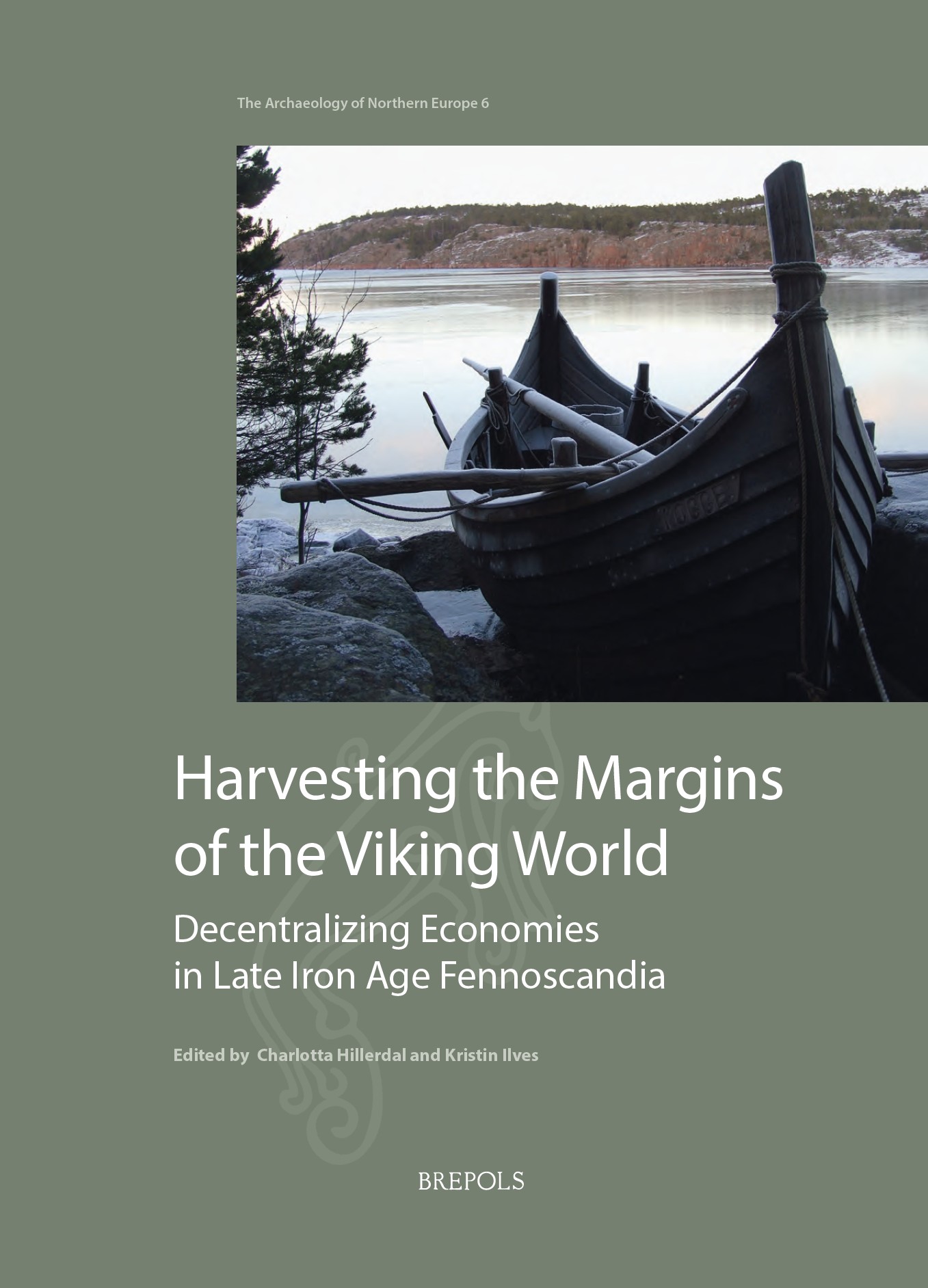 Harvesting the Margins of the Viking World
Decentralizing Economies in Late Iron Age Fennoscandia
Volume 6


 Linguistic and Cultural Dynamics in a Frontier Society
New Perspectives on Northeastern Bavaria and Western Bohemia in the Early Middle Ages
Volume 9

 Making and Meaning in the Bronze and Iron Ages
Chronology, Landscapes and Societies across Europe. Proceedings from the METALAGES2024 Colloquium (Florence, 23 October 2024)
 Medieval Yeghegis, Armenia
History, Archaeology, Society. Local Multiplicities and Global Connections of a Rural Centre on the Silk Road(s)


 Promoting the Profession
Papers in Honour of Peter Hinton Director of the Chartered Institute for Archaeologists 1997-2025

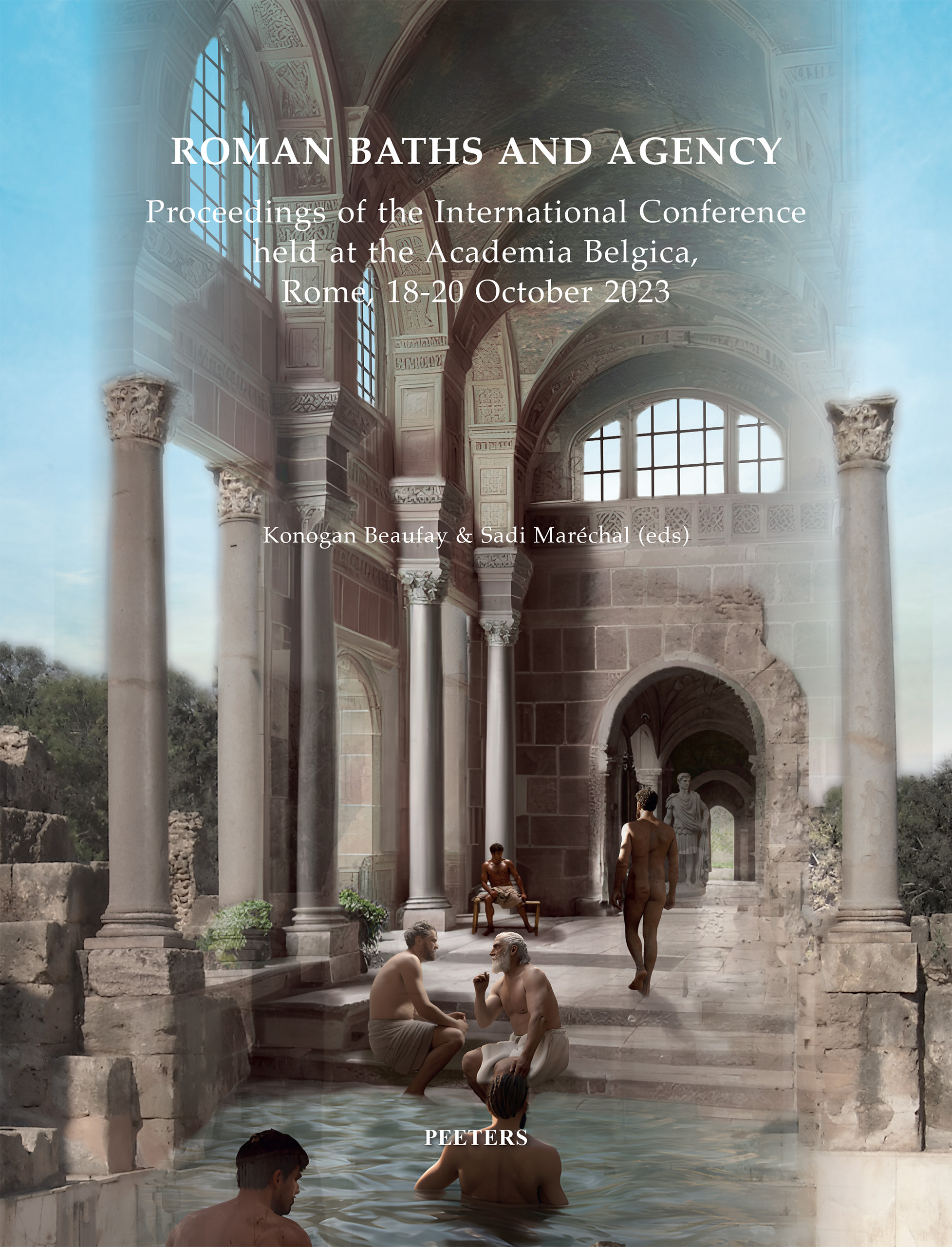 Roman Baths and Agency
Proceedings of the International Conference held at the Academia Belgica, Rome, 18-20 October 2023
Volume 51


 The Kingdom of Makuria and its Civilization
A Renewed Insight through New Archaeological Discoveries


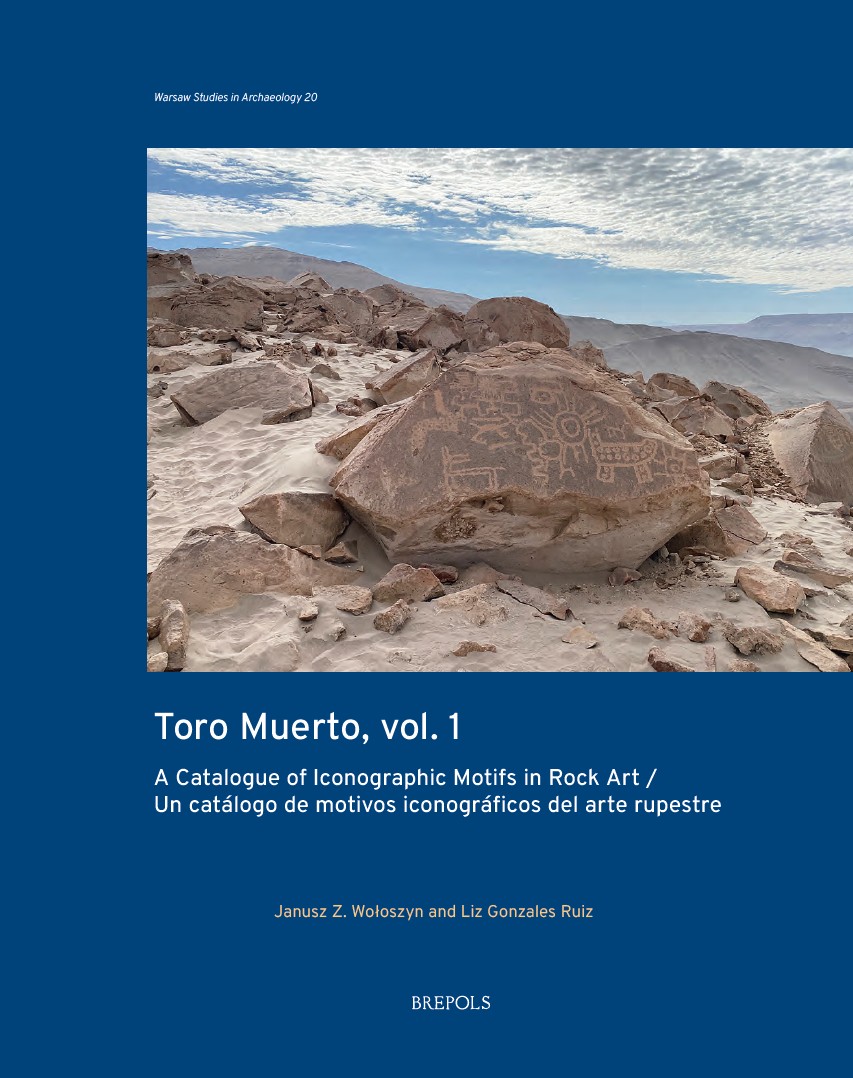 Toro Muerto, vol. I
A Catalogue of Iconographic Motifs in Rock Art / Un catálogo de motivos iconográficos del arte rupestre
Volume 20