
The Apocalypse of Isaiah Metaphorically Speaking
A Study of the Use, Function and Significance of Metaphors in Isaiah24-27
By (author) B. Doyle

The analysis of metaphors constitutes an ideal point of entry into the exegesis of Biblical Hebrew poetic texts because it forces the exegete to examine the said text from a variety of perspectives. How can one discern the presence of metaphorical speech? What are the various types of metaphorical speech available to and employed by the biblical poet? How does the structure of a piece of Hebrew poetry carry its metaphorical dimensions? How did the biblical poet make use of the various types of metaphor and to what end? Can we ultimately gain access to the poet’s meaning? The present study endeavours to provide at least a partial answer to these questions. In maintaining focus on the biblical text, moreover, the author hopes to anchor some of the abstractions of metaphorical theory with chosen examples taken from the so-called ‘Apocalypse of Isaiah’. The Hebrew prophets constitute fertile ground in their use of metaphorical language for speaking the unspeakable, especially concerning the relationship between the people and God.
- By (author) B. Doyle
Other Titles in this Series
 «Noli me tangere» in Interdisciplinary Perspective
Textual, Iconographic and Contemporary Interpretations
Volume 283
 “Wading Lambs and Swimming Elephants”
The Bible for the Laity and Theologians in Late Medieval and EarlyModern Era
Volume 257


 Paul Ricoeur. Bibliographie primaire et secondaire. Primary andSecondary Bibliography 1935-2008
Volume 222
 Paulus und die Gesinnung Christi
Identität und Entscheidungsfindung aus der Mitte von 1Kor 1-4
Volume 190
 Sancti viri, ut audio
Theologies, Rhetorics, and Receptions of the Pelagian Controversy Reappraised
Volume 336
 Scribal Practices and Social Structures among Jesus Adherents
Essays in Honour of John S. Kloppenborg
Volume 285


 ‘Res opportunae nostrae aetatis’
Studies on the Second Vatican Council Offered to Mathijs Lamberigts
Volume 317


 Florilegium Lovaniense
Studies in Septuagint and Textual Criticism in Honour of FlorentinoGarcía Martínez
Volume 224
 Analyse narrative et Bible
Deuxième colloque international du RRENAB, Louvain-la-Neuve, avril2004
Volume 191


Similar Books
 ‘For You I Study, For You I Work, For You I Live, For You I Am Ready To Even Give My Life’
Essays in Honour of Francis (Frank) J Moloney, SDB


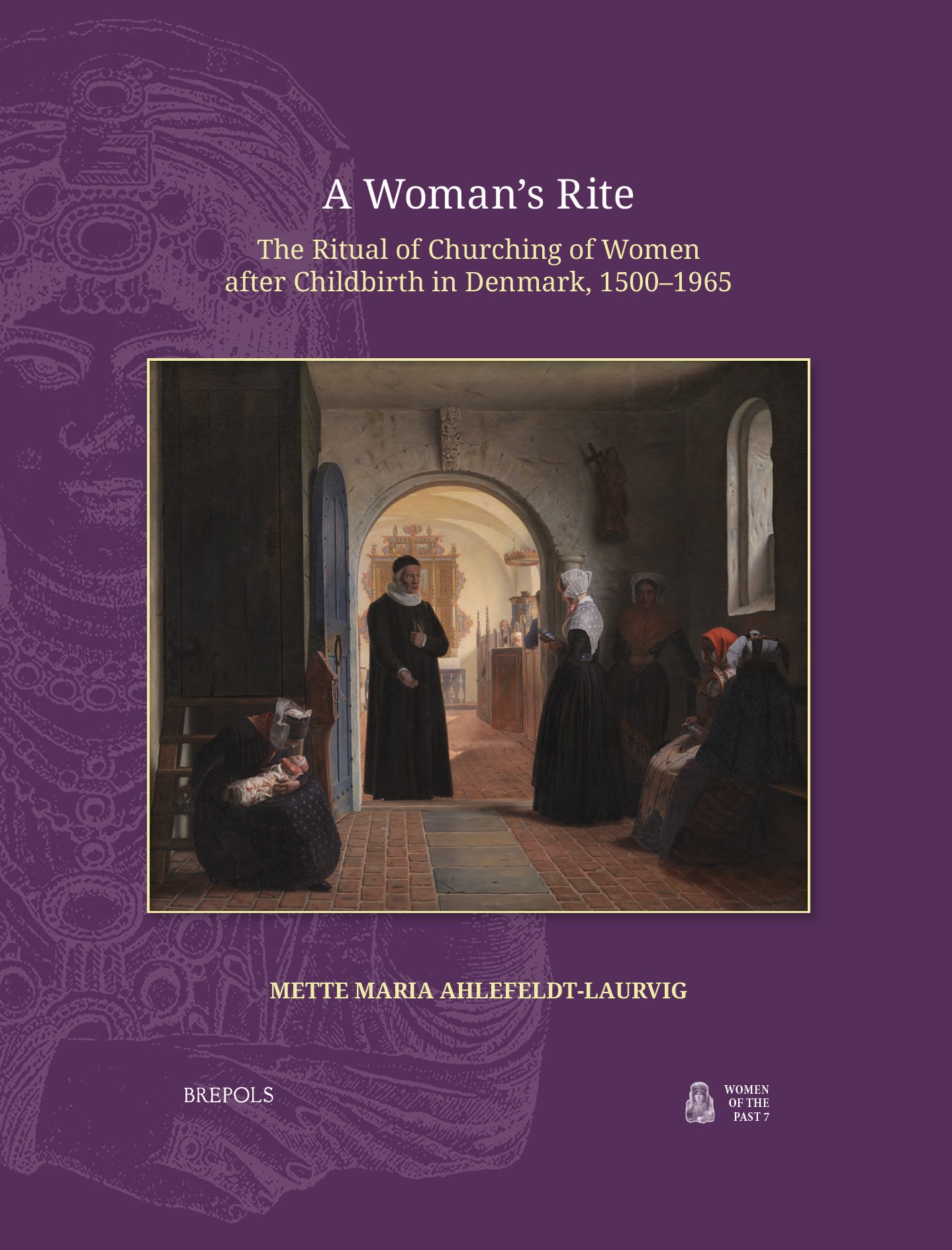


 Ars Prophetica
Theology in the Poetry of Twentieth-Century Hebrew Poets Avraham Halfi, Shin Shalom, Amir Gilboa, and T. Carmi
 As Messianism Turns to Heresy
The Regenstein Chair Lectures On Lurianic Kabbalah and Shabbatai Tzevi at Hebrew Union College - Cincinnati
 Athanasius of Alexandria, Epistula ad episcopos Aegypti et Libyae
Old Slavonic Version and English Translation
Volume 261


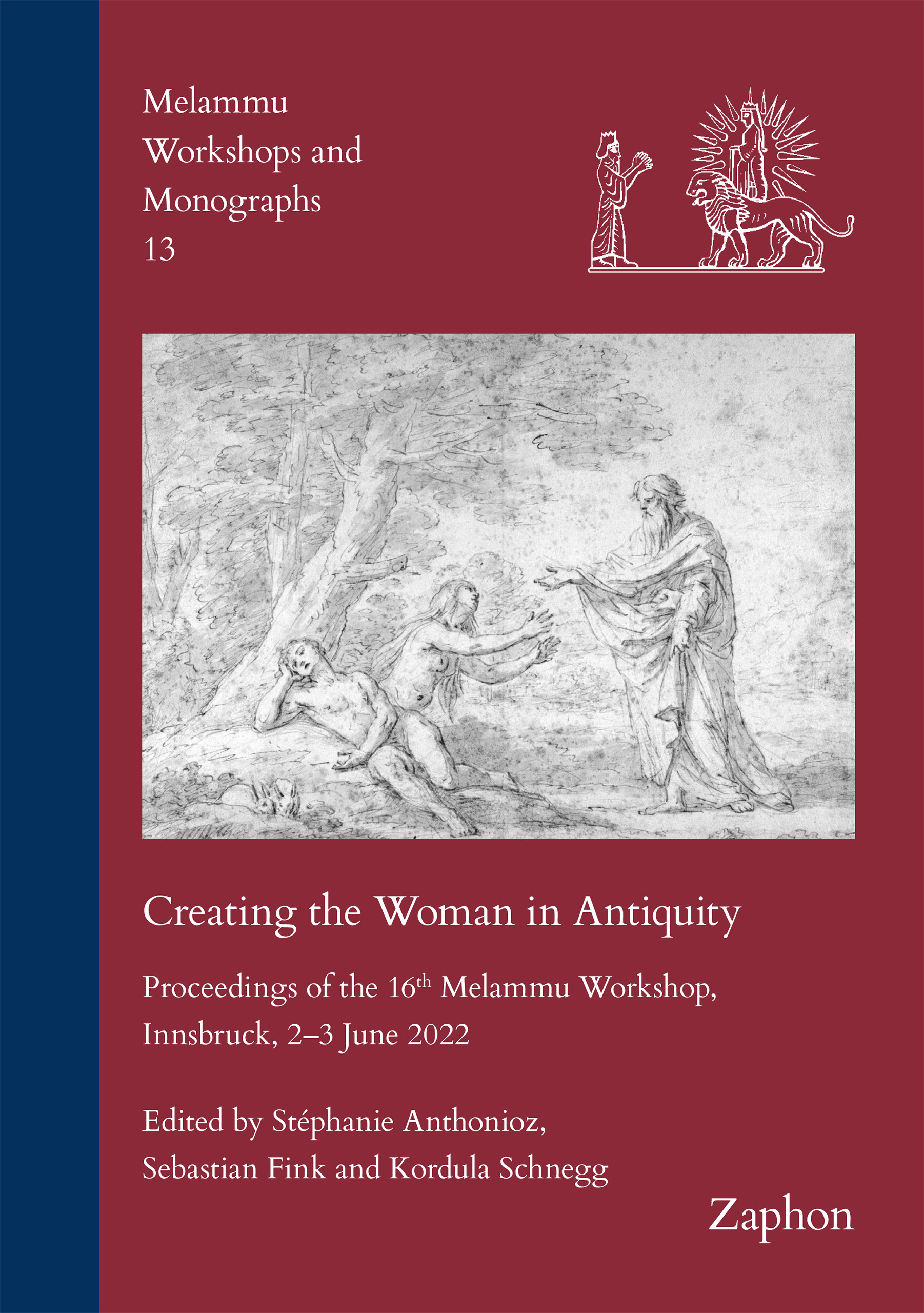 Creating the Woman in Antiquity
Proceedings of the 16th Melammu Workshop, Innsbruck, 2–3 June 2022
Volume 13
 Cyril of Alexandria’s Christological Exegesis
Explorations of Partitive Exegesis in the Dialogues on the Trinity
Volume 70

 Drunk the Potion, No Whit Charmed
The Doctrine of Pure and Perfect Souls from Iamblichus to Damascius


 Epiphanies of the Divine in the Septuagint and the New Testament
Fifth International Symposium of the Corpus Judaeo-Hellenisticum Novi Testamenti (CJHNT), 14-17 May 2015, Nottingham
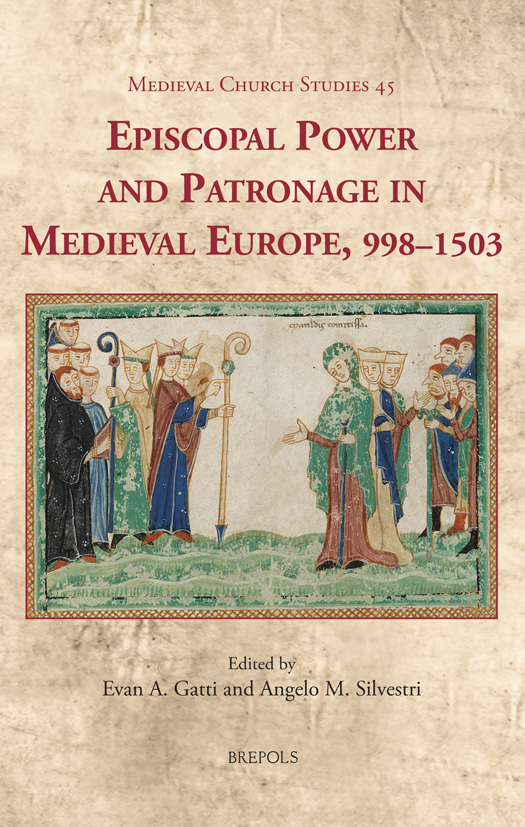


 Extracanonical Traditions and the Holy Land
Texts, Rituals, and Material Culture in Late Antique Palestine
 Fear, Fear of God, God-Fearers
Philological and Historical Perspectives on the World of Ancient Judaism and Christianity

