
Paulus und die Gesinnung Christi
Identität und Entscheidungsfindung aus der Mitte von 1Kor 1-4
By (author) C. Strüder

Wir haben die Gesinnung Christi”, mit diesem Resumee beschliesst Paulus in 1Kor 2,16 einen Gedankengang, der beim “Wort vom Kreuz” beginnt, die Tiefen der Weisheit Gottes erschliesst und schliesslich jene innere Grundhaltung thematisiert, die zum Garant der Einheit der Gemeinde und als Gestaltungsprinzip ihres Zusammenlebens geeignet ist. Der Apostel vermittelt diese “Gesinnung Christi” nicht bloss argumentativ. Sie wird auch an den Verkundigern und insbesondere an Paulus selbst erfahrbar, damit die Korinther ihre eigene Identitat an der Gesinnung Christi schulen. Der Ansatz bei der Mitte von 1Kor 1-4 erlaubt es, den Zusammenhang der Themen in den ersten vier Kapiteln des 1Kor zu erfassen. Von hier aus ist es ausserdem moglich, die folgenden Kapitel 5-14 im Licht der Eingangssektion zu lesen und als “Testfalle” einer Lebensgestaltung aus jener Gesinnung zu begreifen, die Paulus auf den gekreuzigten Christus zuruckfuhrt. Identitat und Entscheidungsfindung orientieren sich im ersten Korintherbrief an der Mitte von 1Kor 1-4.
- By (author) C. Strüder
Other Titles in this Series


 Le livre de Jérémie en perspective: Les deux rédactions conservées etl’addition du supplément sous le nom de Baruch
Recueil des travaux de Pierre-Maurice Bogaert réunis par J.-C.Haelewyck et B. Kindt
Volume 308
 The Genesis of Concepts and the Confrontation of Rationalities
Theology, Philosophy, Science. Conference ProceedingsLouvain-la-Neuve, 7th-9th October 2015
Volume 292
 La théologie comme science herméneutique de la tradition de foi
Une lecture de «Dieu qui vient à l'homme» de Joseph Moingt
Volume 275


 Le temps qui compte
Construction et qualification du temps de l'histoire dans lerécit des livres de Samuel (1 S 1 - 1 R 2)
Volume 318


 Martyrdom and Persecution in Late Antique Christianity
Festschrift Boudewijn Dehandschutter
Volume 241
 Infant Milk or Hardy Nourishment?
The Bible for Lay People and Theologians in the Early Modern Period
Volume 221


 The Jesuits of the Low Countries: Identity and Impact (1540-1773)
Proceedings of the International Congress at the Faculty of Theology,KU Leuven (3-5 December 2009)
Volume 251

 Gratia et certamen
The Relationship between Grace and Free Will in the Discussion ofAugustine with the So-called Semipelagians
Volume 169


 Responsibility, God and Society. Theological Ethics in Dialogue
Festschrift Roger Burggraeve
Volume 217


 La contribution du discours à la caractérisation des personnagesbibliques
Neuvième colloque international du RRENAB, Louvain-la-Neuve, 31 mai -2 juin 2018
Volume 311
Similar Books
 ‘For You I Study, For You I Work, For You I Live, For You I Am Ready To Even Give My Life’
Essays in Honour of Francis (Frank) J Moloney, SDB


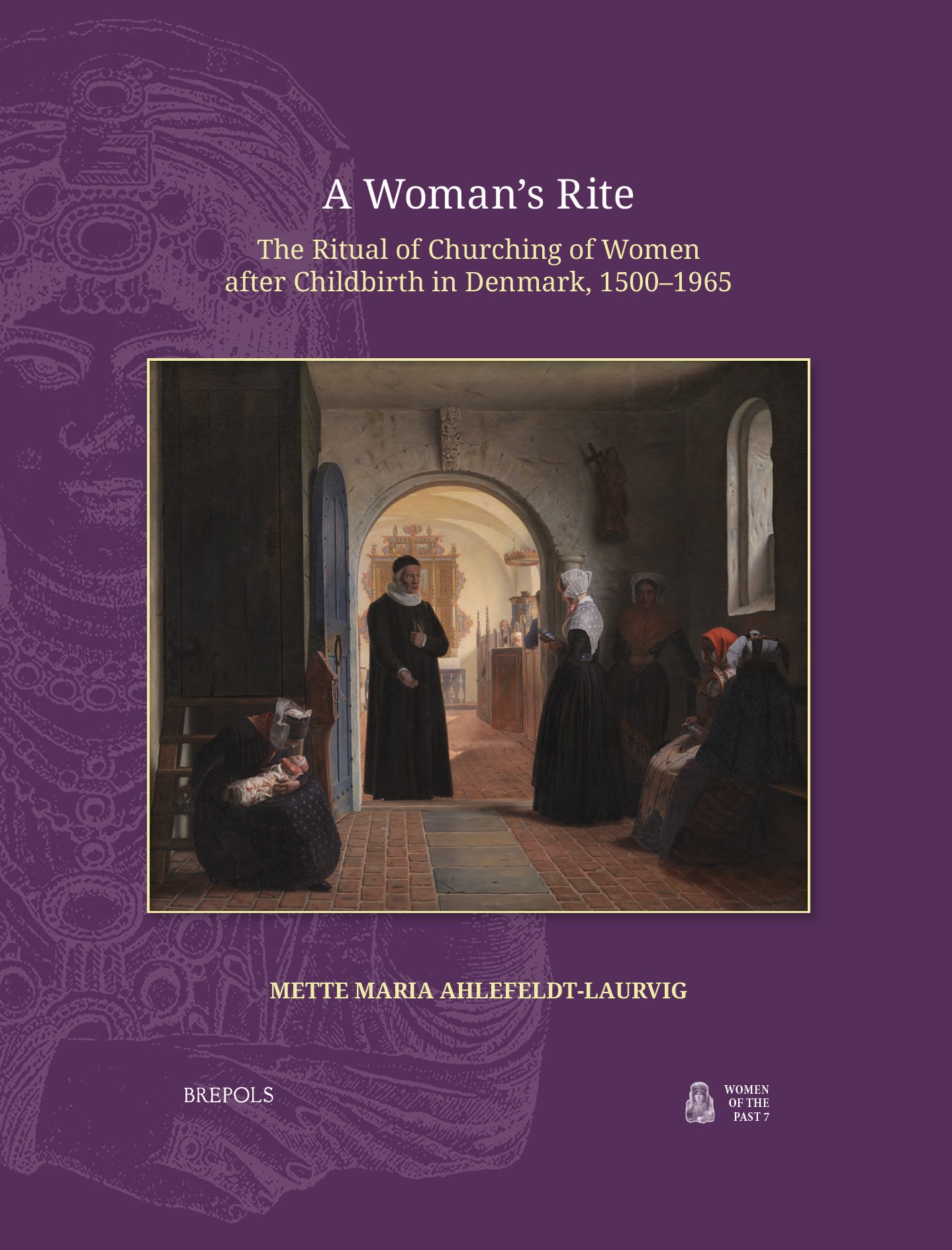


 Ars Prophetica
Theology in the Poetry of Twentieth-Century Hebrew Poets Avraham Halfi, Shin Shalom, Amir Gilboa, and T. Carmi
 As Messianism Turns to Heresy
The Regenstein Chair Lectures On Lurianic Kabbalah and Shabbatai Tzevi at Hebrew Union College - Cincinnati
 Athanasius of Alexandria, Epistula ad episcopos Aegypti et Libyae
Old Slavonic Version and English Translation
Volume 261


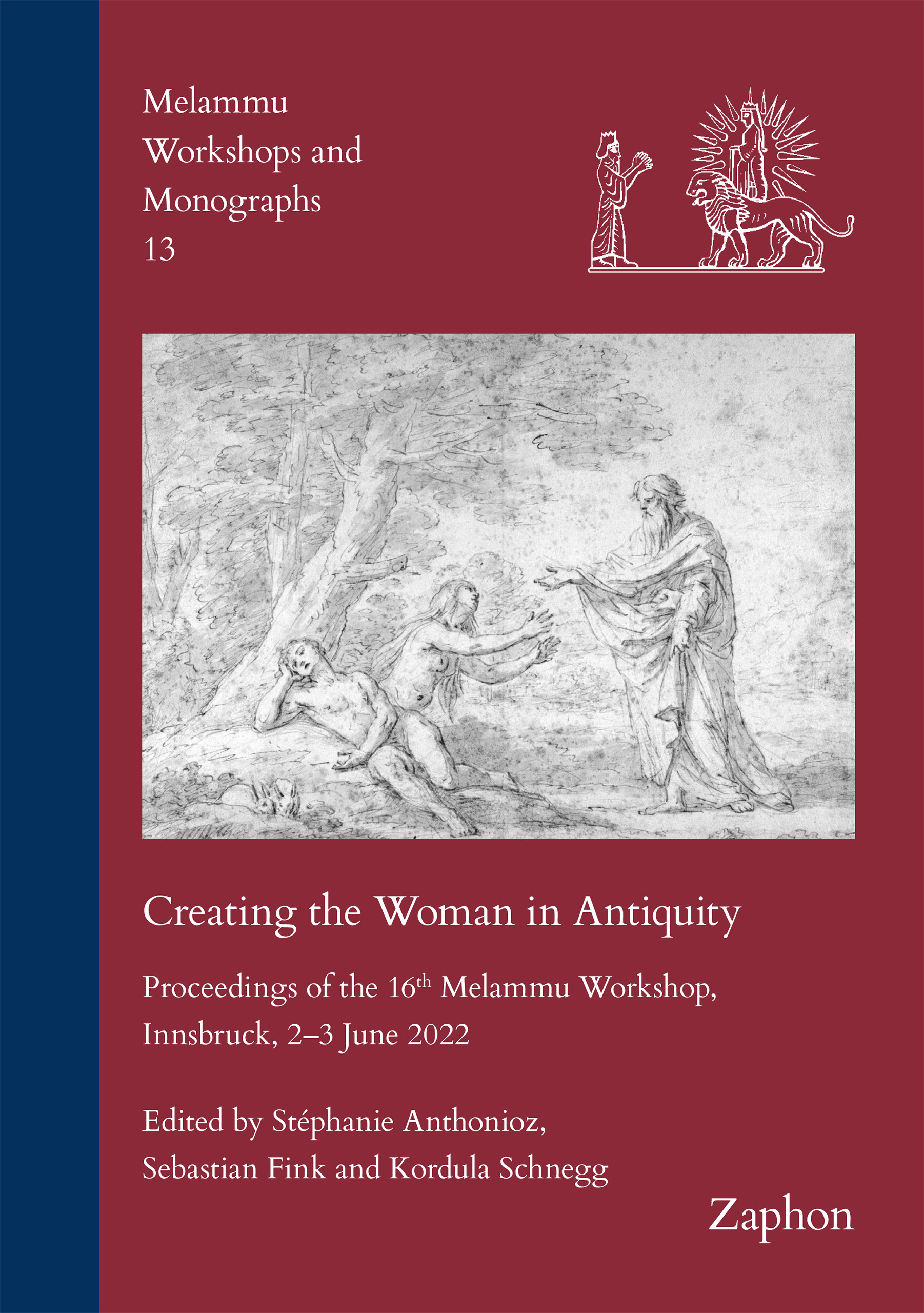 Creating the Woman in Antiquity
Proceedings of the 16th Melammu Workshop, Innsbruck, 2–3 June 2022
Volume 13
 Cyril of Alexandria’s Christological Exegesis
Explorations of Partitive Exegesis in the Dialogues on the Trinity
Volume 70

 Drunk the Potion, No Whit Charmed
The Doctrine of Pure and Perfect Souls from Iamblichus to Damascius


 Epiphanies of the Divine in the Septuagint and the New Testament
Fifth International Symposium of the Corpus Judaeo-Hellenisticum Novi Testamenti (CJHNT), 14-17 May 2015, Nottingham
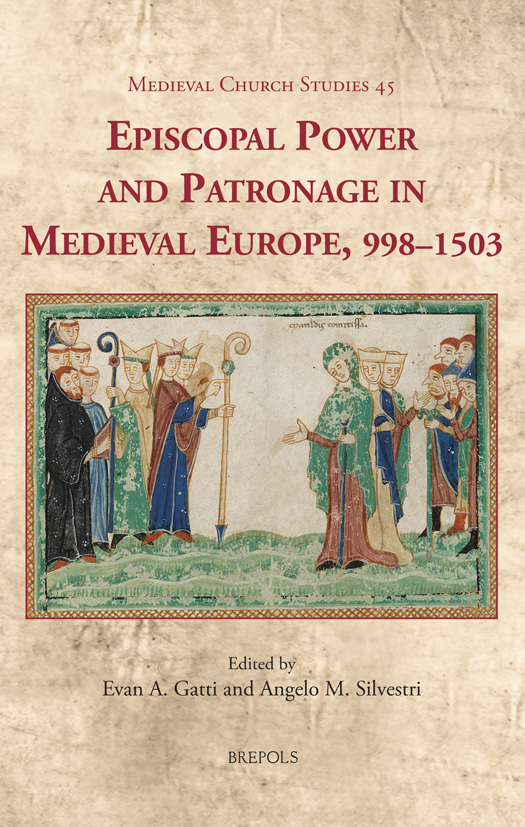


 Extracanonical Traditions and the Holy Land
Texts, Rituals, and Material Culture in Late Antique Palestine
 Fear, Fear of God, God-Fearers
Philological and Historical Perspectives on the World of Ancient Judaism and Christianity

