
Studies in the Origins, Development and Interpretation of the Kuzzuwatna Rituals
by Jared L Miller

Hardback (Published)
(October 2004)
ISBN: 9783447050586
6.65 x 9.49 inches
Price: $177.00
On back order
The study seeks to shed light on the genesis and redactional history of the multi-layered ‘Kizzuwatna rituals’, a 15th-13th centuries BCE Hittite, Luwian and Hurrian cuneiform corpus unearthed in the excavations of the Hittite capital, Hattusa.It presents transliterations, translations, commentaries and analyses of all manuscripts of two groups of compositions, the rituals attributed to the ‘old woman’, Mastigga, and those dealing with an expansion of the cult of the Deity of the Night. The myriad manuscripts of the Mastigga compositions allow one to follow their convoluted evolution from the middle of the Middle Hittite period (or earlier) through to the end of the Empire. The Expansion, in contrast, is preserved primarily on a single tablet, amenable rather to a thorough internal, structural analysis of the text, aimed at unravelling the threads found within it.A more eclectic section seeks to better define what constitutes a Kizzuwatna ritual, and to more clearly differentiate between the Hittite, Luwian and Hurro-Syrian strata found therein. It then attempts to counter the conception that the original transition from the oral to the written occurred primarily through an interview-like process – or even a cross-examination of sorts – and instead to suggest that the rituals were created principally by scribes who generally did not resort to direct observation and recording, but relied on their familiarity with current practices, thereby creating prescriptive rather than descriptive compositions.
The study seeks to shed light on the genesis and redactional history of the multi-layered ‘Kizzuwatna rituals’, a 15th-13th centuries BCE Hittite, Luwian and Hurrian cuneiform corpus unearthed in the excavations of the Hittite capital, Hattusa.It presents transliterations, translations, commentaries and analyses of all manuscripts of two groups of compositions, the rituals attributed to the ‘old woman’, Mastigga, and those dealing with an expansion of the cult of the Deity of the Night. The myriad manuscripts of the Mastigga compositions allow one to follow their convoluted evolution from the middle of the Middle Hittite period (or earlier) through to the end of the Empire. The Expansion, in contrast, is preserved primarily on a single tablet, amenable rather to a thorough internal, structural analysis of the text, aimed at unravelling the threads found within it.A more eclectic section seeks to better define what constitutes a Kizzuwatna ritual, and to more clearly differentiate between the Hittite, Luwian and Hurro-Syrian strata found therein. It then attempts to counter the conception that the original transition from the oral to the written occurred primarily through an interview-like process – or even a cross-examination of sorts – and instead to suggest that the rituals were created principally by scribes who generally did not resort to direct observation and recording, but relied on their familiarity with current practices, thereby creating prescriptive rather than descriptive compositions.
- By (author) Jared L Miller
Other Titles in this Series

 Studies in Hittite Economic Administration
A New Edition of the Hittite Palace-Temple Administrative Corpus and Research on Allied Texts Found at Hattusa. Volume I: Background, Corpus Overview, Case Studies, Lexical Commentary, and Glossary
Volume 70


 Studies in Hittite Economic Administration
A New Edition of the Hittite Palace-Temple Administrative Corpus and Research on Allied Texts Found at Hattusa. Volume II: Text Editions and Philological Commentary
Volume 71
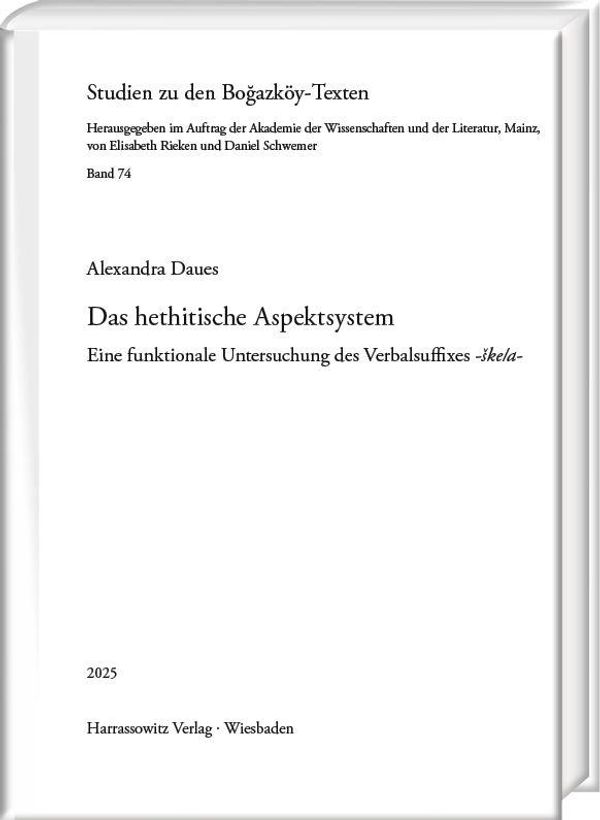


 Luwili
Hittite-Luwian Ritual Texts Attributed to Puriyanni, Kuwattalla and Silalluhi (CTH 758-763). Volume I: Edition and Commentary. Volume II: Discussion and Glossary
Volume 72

 Cult, Temple, Sacred Spaces
Cult Practices and Cult Spaces in Hittite Anatolia and Neighbouring Cultures. Proceedings of the First International HFR Symposium, Mainz, 3-5 June 2019
Volume 66

 At the Interface of Religion and Administration
The Hittite Cult Inventories: With a contribution by Adam Kryszen
Volume 68


 Functional Differentiation in Hittite Festival Texts
An Analysis of the Old Manuscripts of the KI.LAM Great Assembly
Volume 65
 Liturgie oder Literatur?
Die Kultrituale der Hethiter im transkulturellen Vergleich. Akten eines Werkstattgesprachs an der Akademie der Wissenschaften und der Literatur. Mainz, 2.-3. Dezember 2010
Volume 60

 Two Festivals Celebrated by a Hittite Prince (CTH 647.I and II-III)
New Light on Local Cults in North-Central Anatolia in the Second Millennium BC
Volume 61
 Schicksalsbestimmende Kommunikation
Sprachliche, gesellschaftliche und religiose Aspekte hethitischer Fluch-, Segens- und Eidesformeln
Volume 52
 The Tablets and Their Scribes
The Palaeography of Hittite Cuneiform and Writing Practices in Hittite Anatolia. Proceedings of the Second International HFR Symposium, Mainz, 2–4 May 2024
Volume 73

Similar Books


 Cahiers de lexicologie
Particules floues — Nouvelles études sur le français et l'espagnol
Volume 128
 Des mots aux actes
Traduction épistémique et littéraire. Nouvelles tendances en histoire et didactique
Volume 15


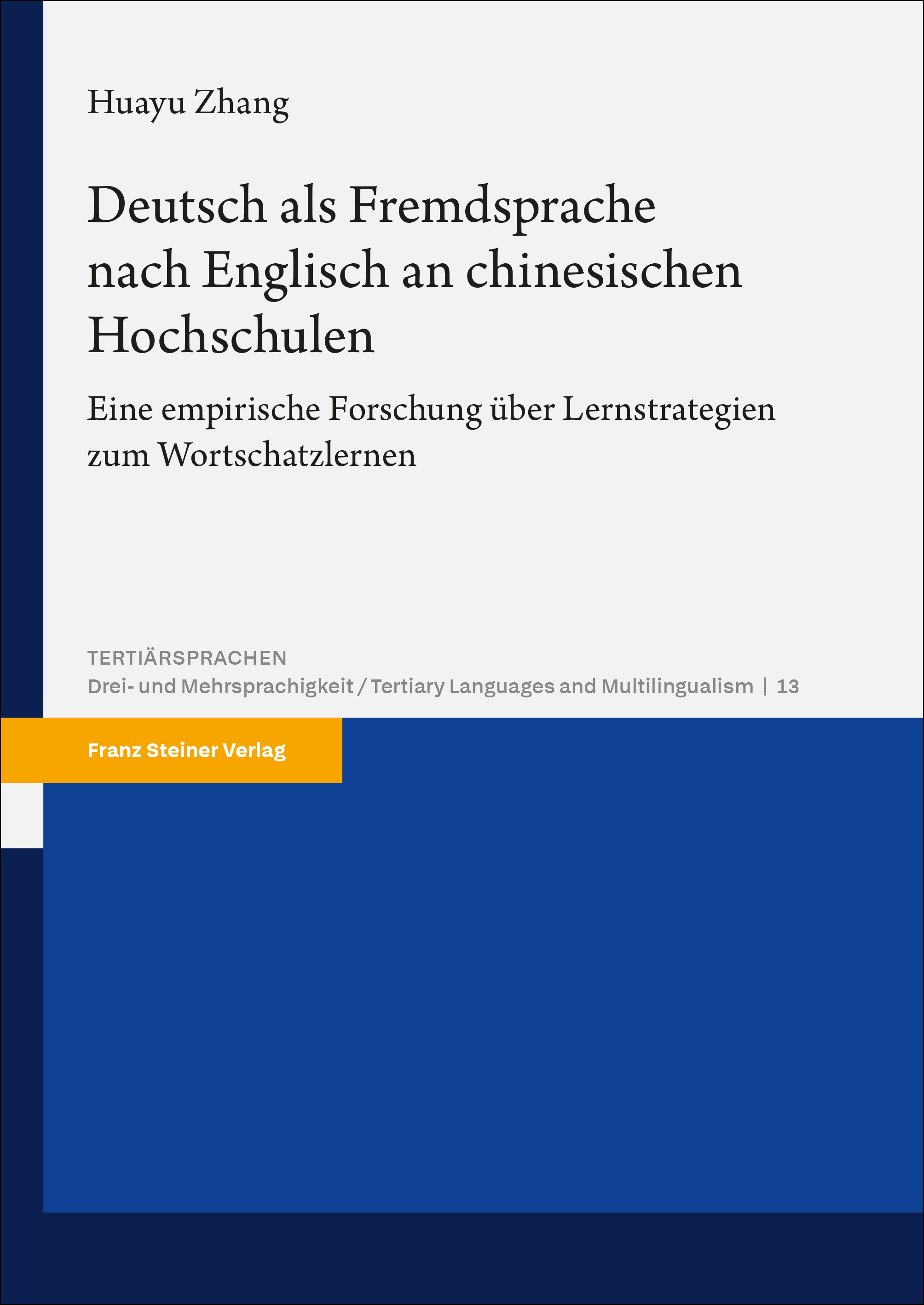 Deutsch als Fremdsprache nach Englisch an chinesischen Hochschulen
Eine empirische Forschung über Lernstrategien zum Wortschatzlernen


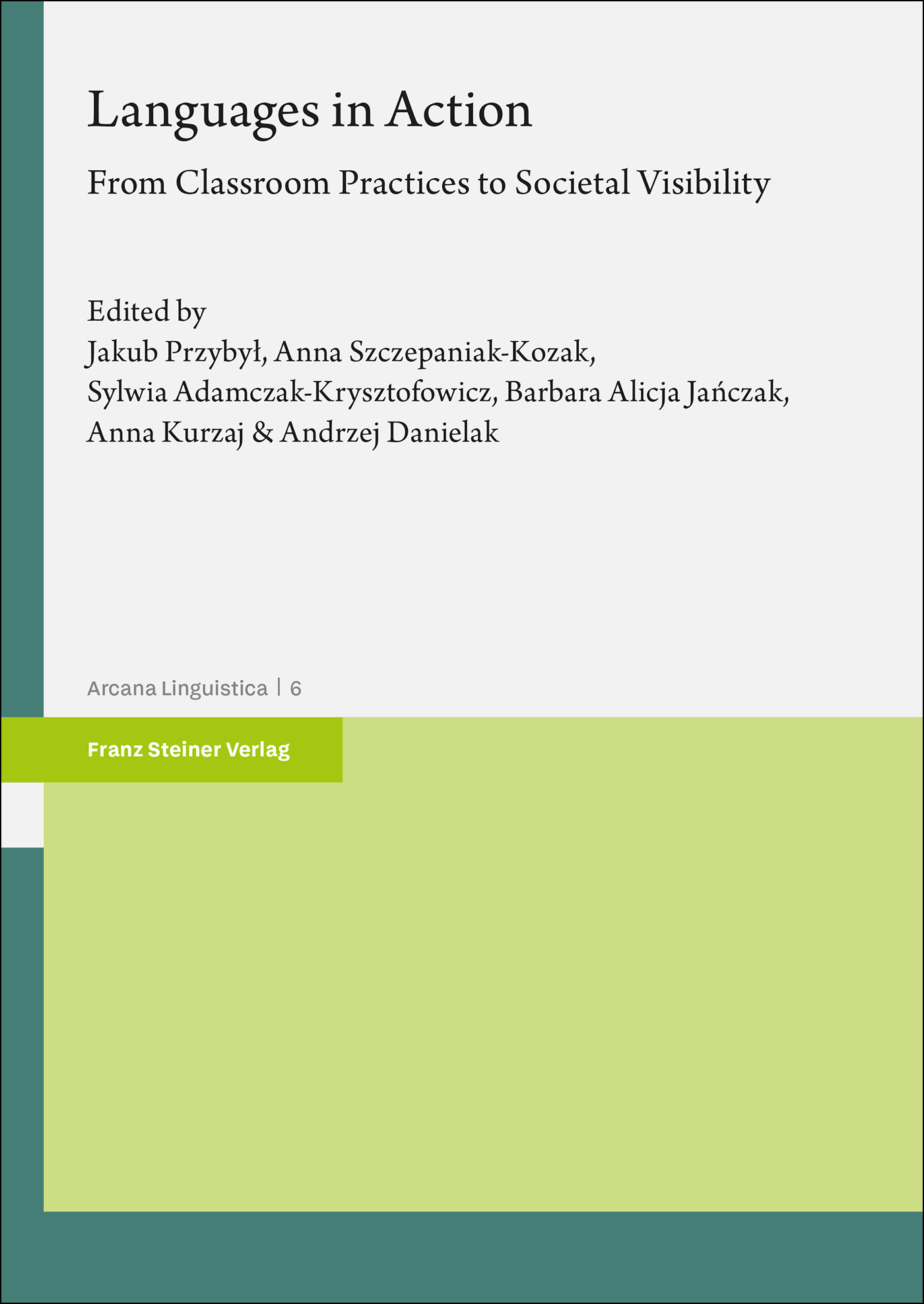
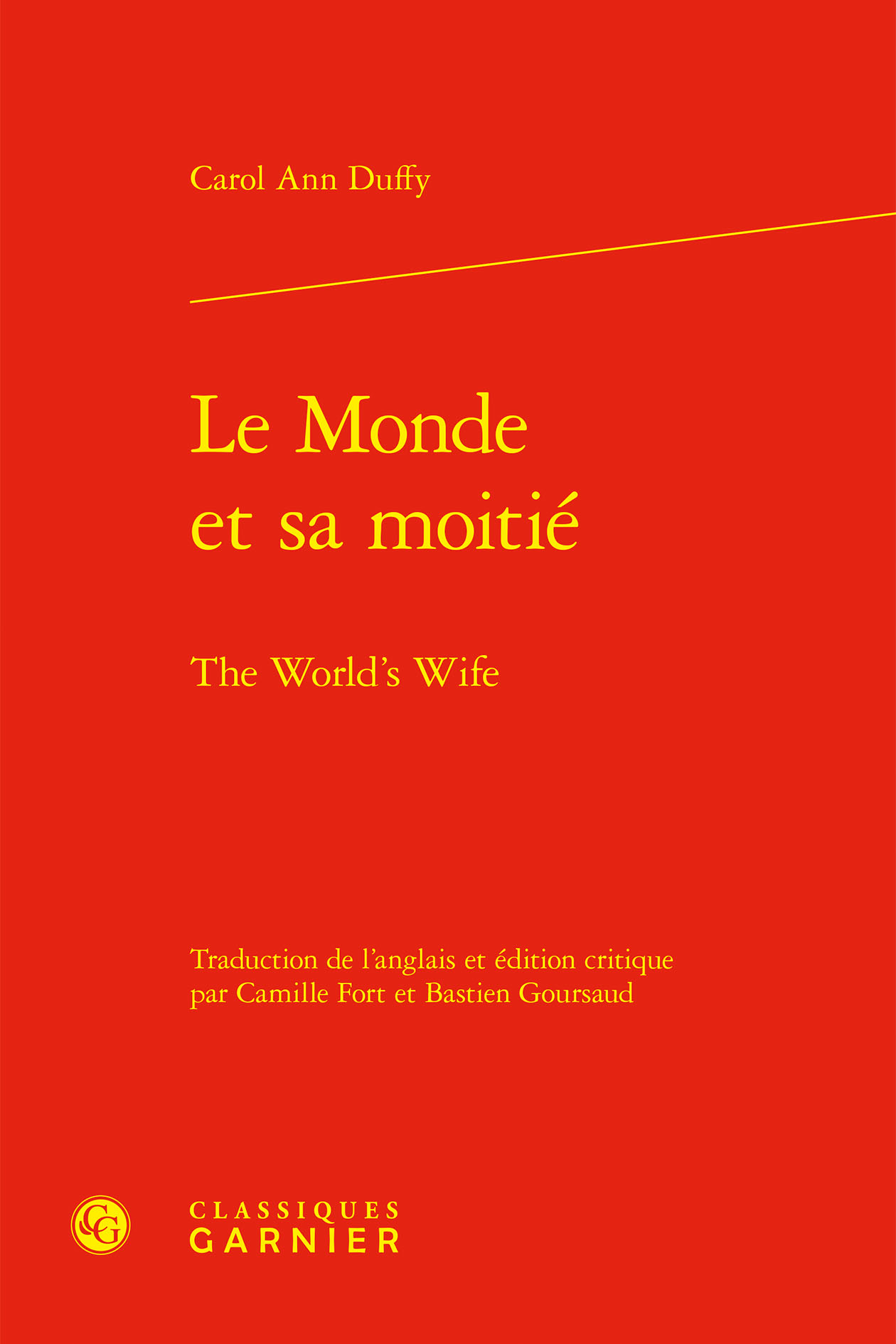




 Punning in Odd or Elegant Constructions in Jeremiah
The Convergence of Linguistics, Rhetoric, and Textuality in the Hebrew Text of Jeremiah




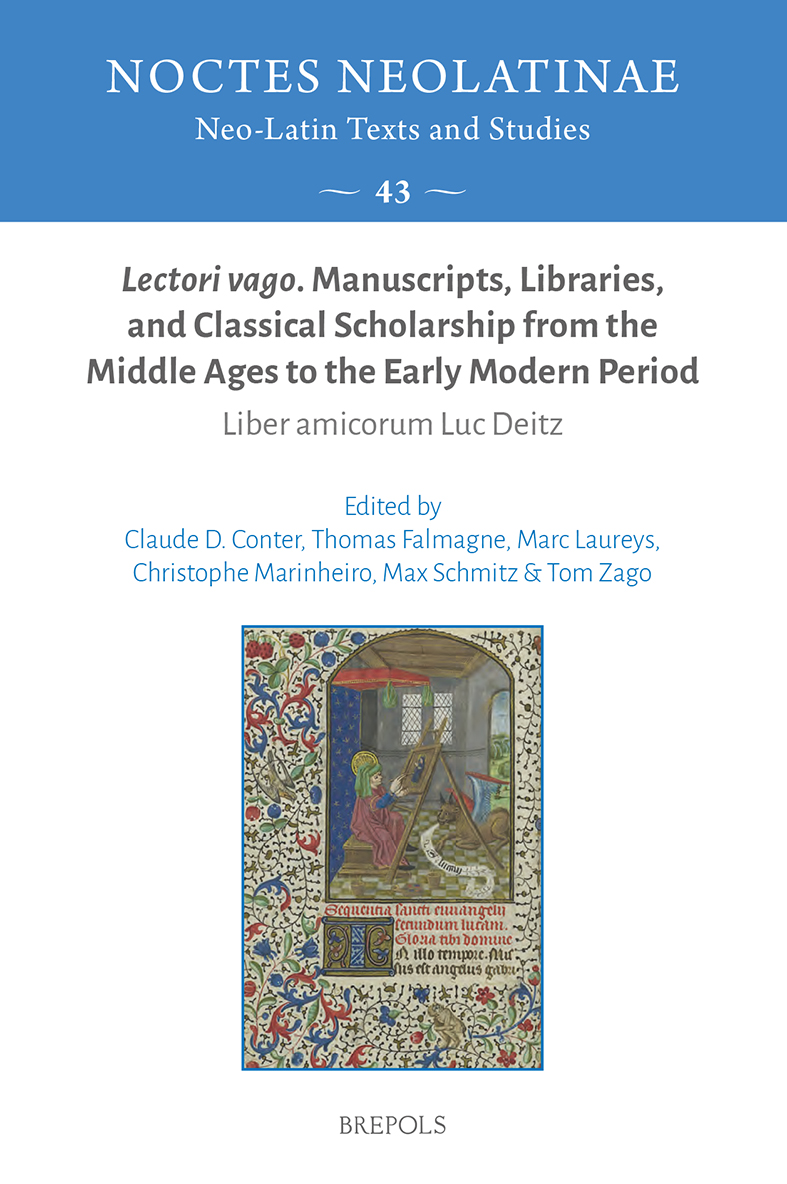 Lectori vago. Manuscripts, Libraries, and Classical Scholarship from the Middle Ages to the Early Modern Period
Liber amicorum Luc Deitz
Volume 43


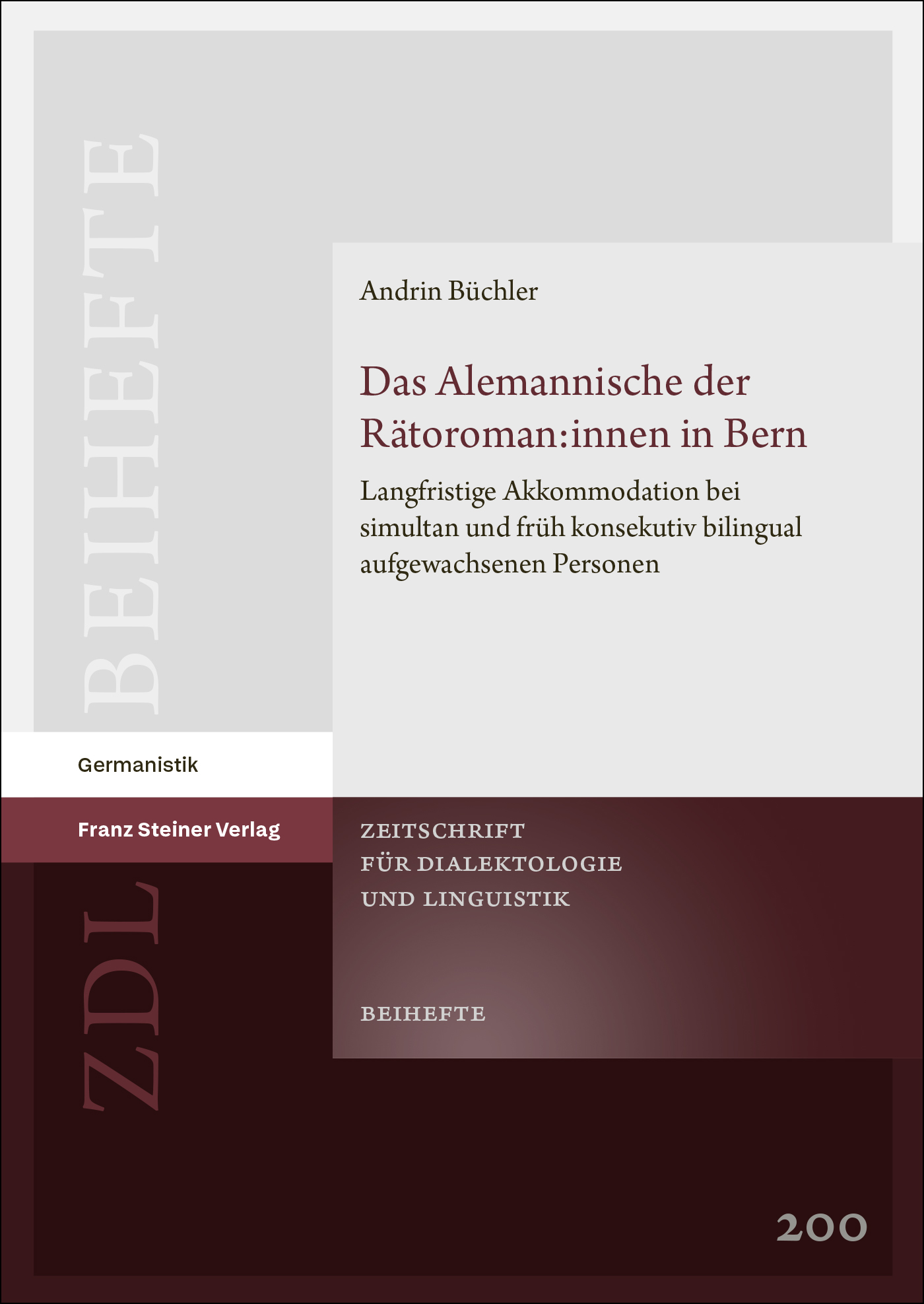 Das Alemannische der Rätoroman:innen in Bern
Langfristige Akkommodation bei simultan und früh konsekutiv bilingual aufgewachsenen Personen


