
Two Festivals Celebrated by a Hittite Prince (CTH 647.I and II-III)
New Light on Local Cults in North-Central Anatolia in the Second Millennium BC
by Piotr Taracha

The festivals presented in this book are worth to be studied by scholars of religion and cult in Hittite Anatolia. These festivals were performed in one of the Hittite cities cultivating Hattian cult traditions. The traditional cult calendar was based primarily on the vegetation and agrarian cycles, with festivals in the spring and fall being of special importance. The present volume deals with one of these local spring festivals (CTH 647.II-III). The participation of the crown prince indicates that the festival was part of the state cult, indirectly attesting to the importance of the center in the structure of the Hittite state and its relationship to the capital Hattusa. Almost 40 cuneiform texts (including five hitherto unpublished) belonging to 13 different exemplars have been newly arranged, carefully edited and translated. The surviving documents permit the festival’s history to be traced for a period of about two hundred years, showing continuity and change from the mid-15th to the 13th century BC. In the late 13th century, it was transformed into a local festival of the AN.TAH.sUM plant (CTH 647.I) that became a new symbol of the beginning of spring vegetation. The latter festival is preserved as just one copy of which about half of the original text can be restored. Successive chapters attempt to identify the city where the festivals were celebrated, describe the local pantheon (including deities of which little has been known until now) and discuss the inner hierarchy of the priestly college, providing new information about indigenous religious beliefs and cult traditions.
The festivals presented in this book are worth to be studied by scholars of religion and cult in Hittite Anatolia. These festivals were performed in one of the Hittite cities cultivating Hattian cult traditions. The traditional cult calendar was based primarily on the vegetation and agrarian cycles, with festivals in the spring and fall being of special importance. The present volume deals with one of these local spring festivals (CTH 647.II-III). The participation of the crown prince indicates that the festival was part of the state cult, indirectly attesting to the importance of the center in the structure of the Hittite state and its relationship to the capital Hattusa. Almost 40 cuneiform texts (including five hitherto unpublished) belonging to 13 different exemplars have been newly arranged, carefully edited and translated. The surviving documents permit the festival’s history to be traced for a period of about two hundred years, showing continuity and change from the mid-15th to the 13th century BC. In the late 13th century, it was transformed into a local festival of the AN.TAH.sUM plant (CTH 647.I) that became a new symbol of the beginning of spring vegetation. The latter festival is preserved as just one copy of which about half of the original text can be restored. Successive chapters attempt to identify the city where the festivals were celebrated, describe the local pantheon (including deities of which little has been known until now) and discuss the inner hierarchy of the priestly college, providing new information about indigenous religious beliefs and cult traditions.
- By (author) Piotr Taracha
Other Titles in this Series


 Luwili
Hittite-Luwian Ritual Texts Attributed to Puriyanni, Kuwattalla and Silalluhi (CTH 758-763). Volume I: Edition and Commentary. Volume II: Discussion and Glossary
Volume 72

 Cult, Temple, Sacred Spaces
Cult Practices and Cult Spaces in Hittite Anatolia and Neighbouring Cultures. Proceedings of the First International HFR Symposium, Mainz, 3-5 June 2019
Volume 66


 At the Interface of Religion and Administration
The Hittite Cult Inventories: With a contribution by Adam Kryszen
Volume 68


 Liturgie oder Literatur?
Die Kultrituale der Hethiter im transkulturellen Vergleich. Akten eines Werkstattgesprachs an der Akademie der Wissenschaften und der Literatur. Mainz, 2.-3. Dezember 2010
Volume 60

 Functional Differentiation in Hittite Festival Texts
An Analysis of the Old Manuscripts of the KI.LAM Great Assembly
Volume 65
 Schicksalsbestimmende Kommunikation
Sprachliche, gesellschaftliche und religiose Aspekte hethitischer Fluch-, Segens- und Eidesformeln
Volume 52


 The Tablets and Their Scribes
The Palaeography of Hittite Cuneiform and Writing Practices in Hittite Anatolia. Proceedings of the Second International HFR Symposium, Mainz, 2–4 May 2024
Volume 73


 Studies in Hittite Economic Administration
A New Edition of the Hittite Palace-Temple Administrative Corpus and Research on Allied Texts Found at Hattusa. Volume I: Background, Corpus Overview, Case Studies, Lexical Commentary, and Glossary
Volume 70

 Studies in Hittite Economic Administration
A New Edition of the Hittite Palace-Temple Administrative Corpus and Research on Allied Texts Found at Hattusa. Volume II: Text Editions and Philological Commentary
Volume 71

Similar Books





 Connecting the Dots: Counting, Writing, and the Beginnings of Civilization
The Secret Lives of Clay Tokens: A Memoir

 Curating the Prehistoric Past
Studies on West Asian Archaeology and Beyond in Honour of Yoshihiro Nishiaki

 Exploring Gender Dynamics across the Ancient Near East
Collected Essays of Gender and Methodology in the Ancient Near East (GeMANE) 4 and 5
Volume 7


 Ḫattušaš utnē išḫameški
Hittite and Other Ancient Near Eastern Studies Presented to Piotr Taracha on the Occasion of His 65th Birthday




 Kultur – Kontakt – Kultur
Beiträge anlässlich der 66. Rencontre Assyriologique Internationale in Frankfurt/Main und Mainz, 25.–29. Juli 2022
Volume 35
 Money of Mercenaries in the Cimmerian Bosporus
From the Mithridatic Wars to the Roman-Bosporan War of AD 45-49
Volume 45

 New Research on Old Collections in Southwest Asian Archaeology
Proceedings of the Workshop Held at the British Museum, London, 31 July – 2 August, 2023
 Old Aramaic Inscriptions and their Contexts
An Epigraphic, Archaeological, and Historical Synthesis
Volume 63

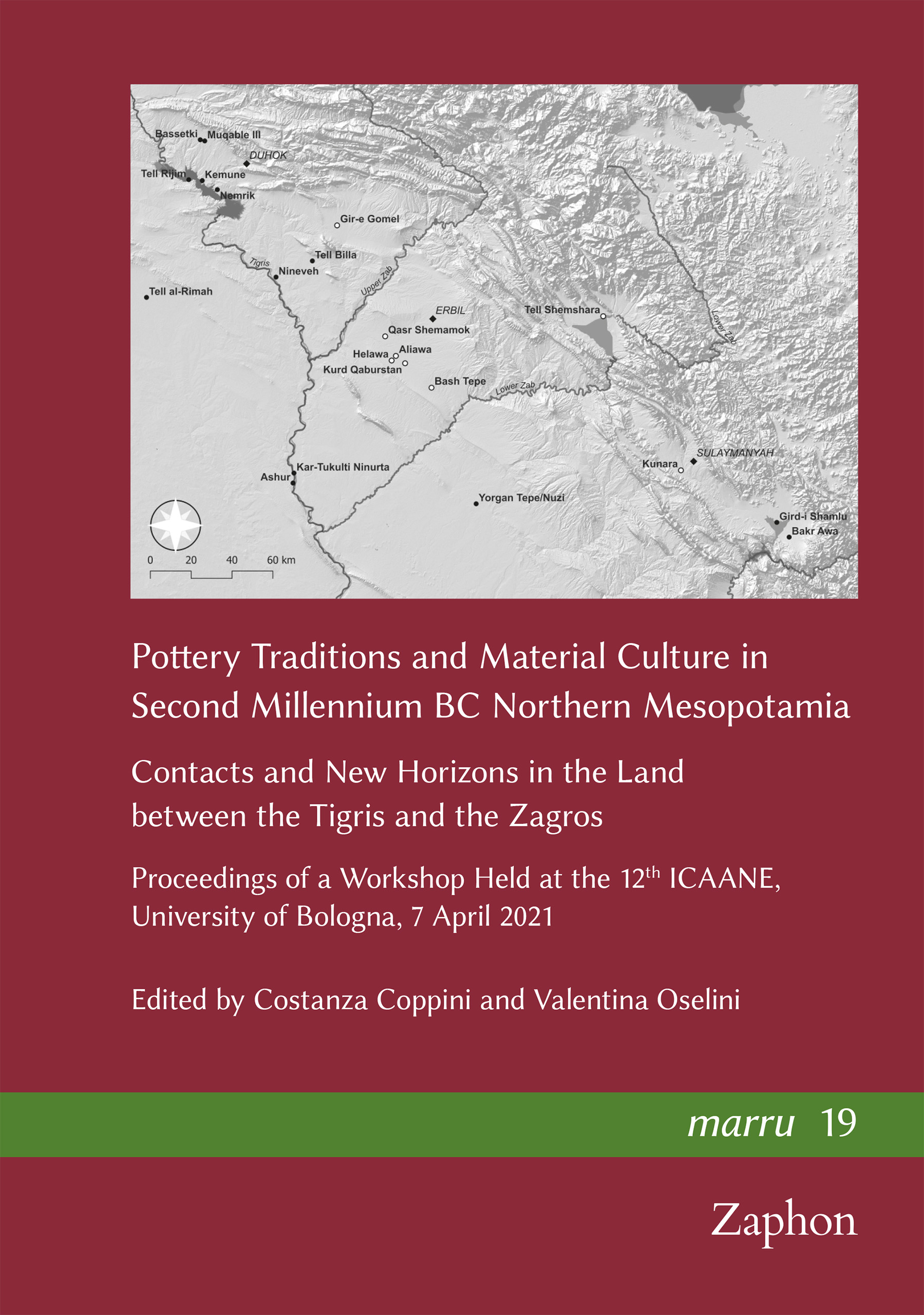 Pottery Traditions and Material Culture in Second Millennium BC Northern Mesopotamia
Contacts and New Horizons in the Land between the Tigris and the Zagros. Proceedings of a Workshop Held at the 12th ICAANE, University of Bologna, 7 April 2021
Volume 19
 Punning in Odd or Elegant Constructions in Jeremiah
The Convergence of Linguistics, Rhetoric, and Textuality in the Hebrew Text of Jeremiah

 Sertorius, the Exiles of the Sullan Regime and the Provinces of the Empire
Legitimacy, Morality and Imperial Discourse in the 70s BCE
 Shame in the Worlds of the Hebrew Bible and Akkadian Texts
A Linguistic Study and Its Implications
Volume 33

 Telling Contexts
Archaeological and Textual Studies in Honor of Elizabeth Bloch-Smith and Mark S. Smith
 The Body
Lived, Cultured, Adorned: Essays on Dress and the Body in the Bible and Ancient Near East in Honor of Nili S. Fox
 The Discourse of Rites
Shaping and Reshaping the (Counter-)Priestly Rituals Conducted Outside the Tabernacle
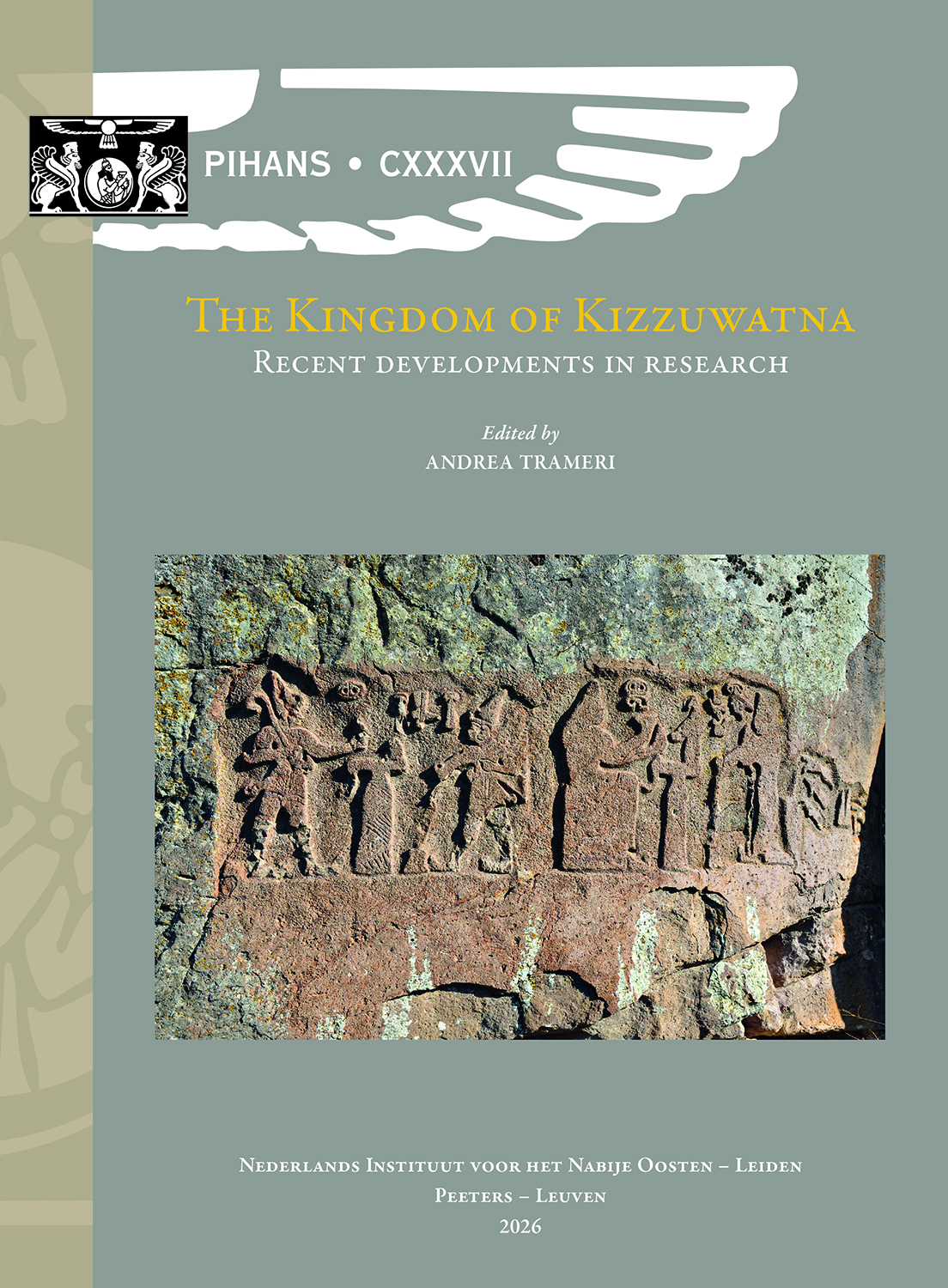 The Kingdom of Kizzuwatna: Recent Developments in Research
Proceedings of the Third NINO Postdoctoral Research Fellow Annual Conference, Leiden, 23rd-25th March 2023
Volume 137


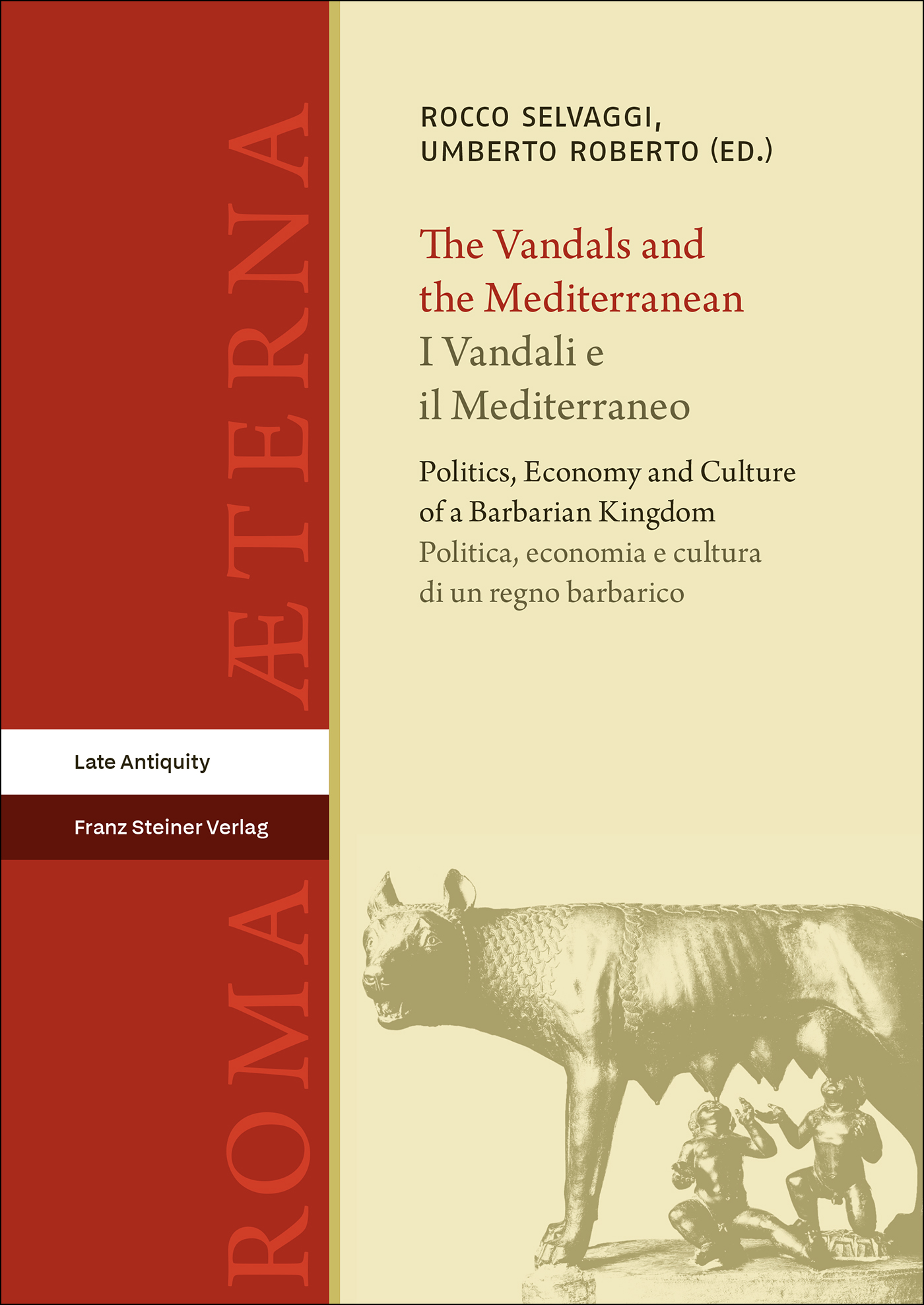 The Vandals and the Mediterranean / I Vandali e il Mediterraneo
Politics, Economy and Culture of a Barbarian Kingdom / Politica, economia e cultura di un regno barbarico