Stamps on Terra Sigillata Found in Excavations of the Theatre of Aptera
By (author) Martha W. Baldwin Bowsky

Paperback (Published)
(July 2019)
ISBN: 9781789692389
6.85 x 9.65 inches
Price: $60.00
In stock
Aptera yields more stamped fragments of terra sigillata than any other Cretan city, including Knossos. This book presents stamped fragments of Italian and eastern sigillata found in excavations of the Theatre of Aptera and examines Crete’s strategic position amid crossroads of transit and exchange as well as integration into the Roma
Stamps on Terra Sigillata Found in Excavations of the Theatre of Aptera, Crete presents a group of stamped fragments of Italian and eastern sigillata found in excavations of the theatre of Aptera (Crete). A total of 258 stamped sherds have been discovered and identified: 28 already published by the author and another 230 included here. Aptera now yields more stamped fragments of terra sigillata than any other Cretan city to date, including Knossos. The sigillata stamps from the theatre of Aptera can be analysed so as to address a series of fundamental questions. Three of these constitute traditional uses of the evidence available from an analysis of terra sigillata: which potters supplied the theatre of Aptera and its environs; where these potters were active; when these potters were active and therefore what production centres supplied the theatre and its area over time. Two questions go further, in an effort to take advantage of this kind of material’s ability to testify to patterns of contact and exchange, as well as to details of life within the Roman imperial system: what distribution patterns might have brought terra sigillata to the theatre and its vicinity; and whether we can suggest how terra sigillata was consumed in Aptera’s theatre and its environs. Aptera’s theatre was a venue not only for performances but also for drinking, eating, and serving by the theatre-goers, spectators, actors and other performers. These activities took place during a period of prosperity for Roman Aptera in the first and second centuries, a period that coincides nicely with the production and distribution of terra sigillata. The people of Aptera and the surrounding area took full advantage of Crete’s strategic position amid crossroads of transit and exchange as well as integration into the Roman economy, to display their prosperity and status in public and in private.
Introduction Analysis of the material 1. Which potters supplied the theatre of Aptera and its environs? 2. Where were the potters who supplied the theatre of Aptera and its environs active? 3. When were these potters active and therefore what production centres supplied the theatre of Aptera and its area, over time? 4. What distribution patterns might have brought Italian sigillata to the theatre of Aptera and its environs? 5. How was Italian Sigillata consumed at and around the theatre of Aptera? Catalogue Appendix 1: Stamps from Aptera's theatre already published Appendix 2: Potters attested from Aptera's theatre Works cited,
- By (author) Martha W. Baldwin Bowsky
'Issues with this work are few… a testament to the thorough and precise research of Baldwin Bowsky. […] The publication of the stamped sigillata from Aptera expands this knowledge, especially for the role played by the city in trade networks both on and off the island.'
— Jane Francis
Other Titles in this Series


 Die Ausrüstung der römischen Armee auf der Siegessäule des Marcus Aurelius in Rom
Ein Vergleich zwischen der skulpturalen Darstellung und den archäologischen Bodenfunden


 Villas, Sanctuaries and Settlement in the Romano-British Countryside
New Perspectives and Controversies


 I reperti e i motivi egizi ed egittizzanti a Pompei
Indagine preliminare per una loro contestualizzazione


 Excavations at Chester. The Northern and Eastern Roman Extramural Settlements
Excavations 1990-2019 and other investigations


Similar Books

 Caesar’s Visions and Impact on the Roman Empire
Revisiting the Archaeological and Historical Record of the 40s BC
Volume 2



 Drunk the Potion, No Whit Charmed
The Doctrine of Pure and Perfect Souls from Iamblichus to Damascius

 Epiphanies of the Divine in the Septuagint and the New Testament
Fifth International Symposium of the Corpus Judaeo-Hellenisticum Novi Testamenti (CJHNT), 14-17 May 2015, Nottingham


 Etruscan and Roman Hellenistic Anatomical ex votos
Reassessing Popular Religious Expressions in Central Italy
Volume 8



 Invisible Labour in Antiquity
Visualizing Obscure Work in the Ancient Mediterannean and West Asia
Volume 1
 Language and Power in the Roman Empire and Early India
Hierarchy, Ambiguity, and the Art of Reading the Signs in Cosmopolitan Cultures
 Late Antique villae in the Balkans (3rd–7th c. AD): Current Research Questions and Perspectives
HAEMUS Companion to the Late Antique Balkans 1
Volume 4

 Nurturing the Elite
Representations of Drinking, Eating, and Religious Vessels in Palmyrene Funerary Iconography
Volume 13


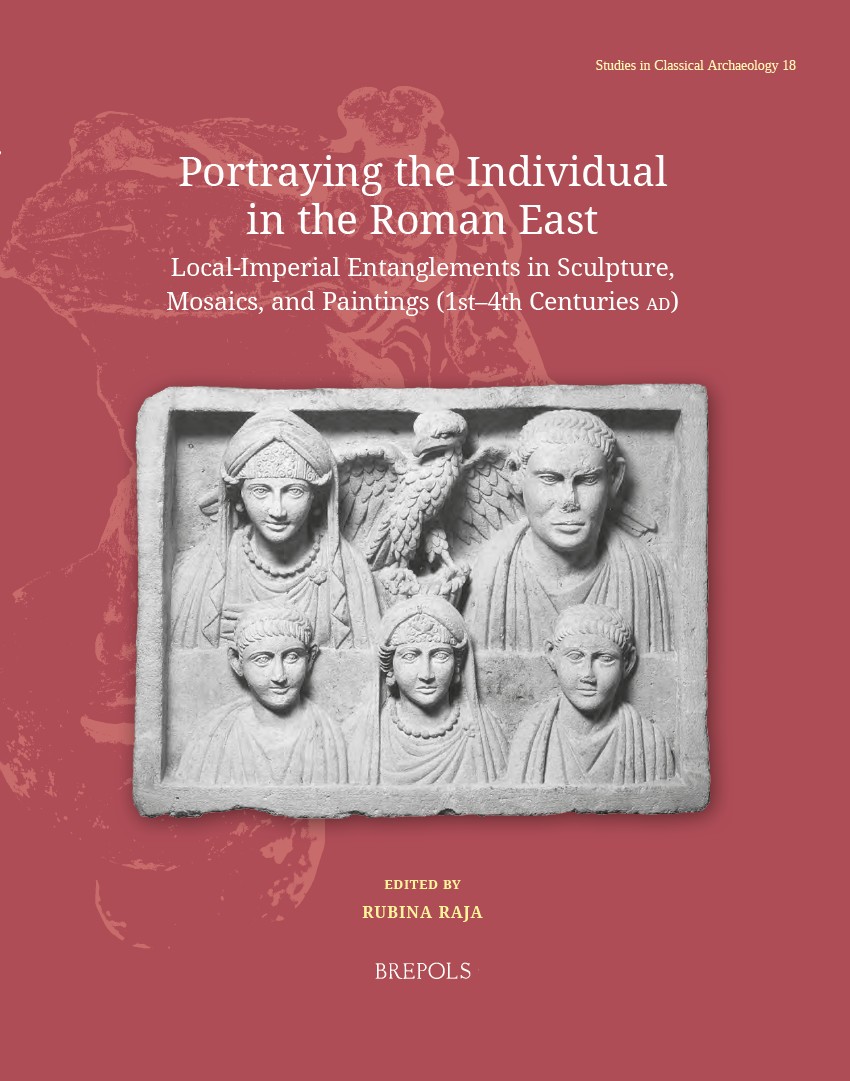 Portraying the Individual in the Roman East
Local–Imperial Entanglements in Sculpture, Mosaics, and Paintings (First–Fourth Centuries AD)
Volume 18

 Small Worlds and Relational Agencies: Local Societies in Early Medieval Iberia
Pequeños mundos y Agencias relacionales: Sociedades locales altomedievales en la Península Ibérica
 The Compositional History of the Book of Kings
An Analysis of the Evaluative Frameworks in 1 Kings 14–2 Kings 25

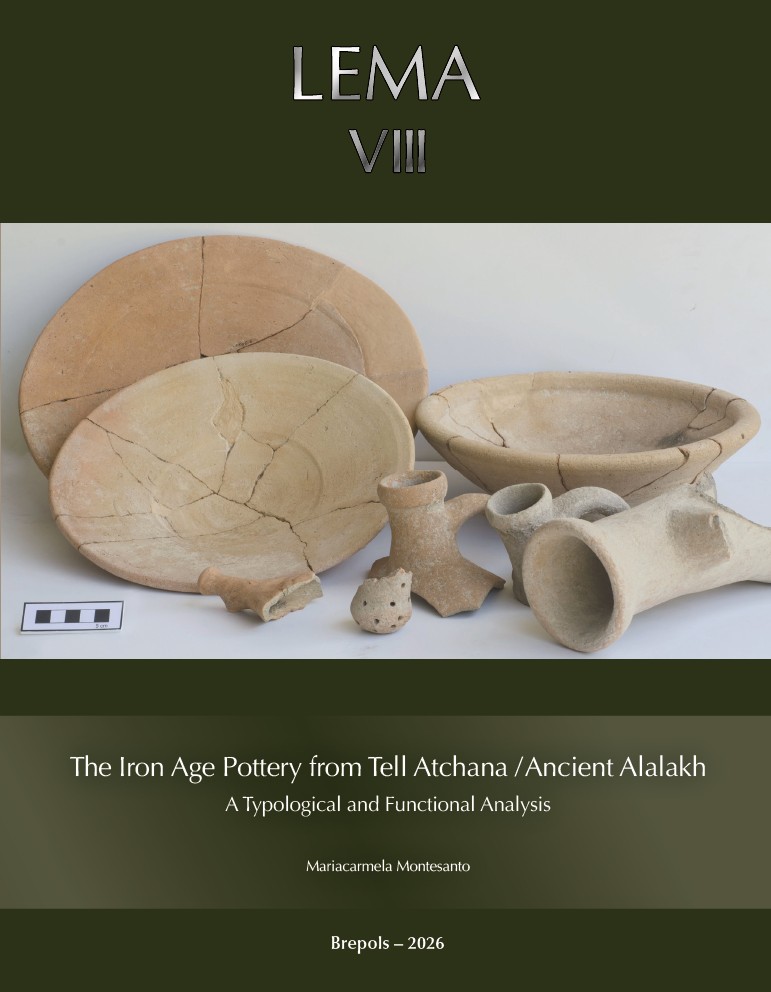 The Iron Age Pottery from Tell Atchana / Ancient Alalakh
A Typological and Functional Analysis
Volume 8

 Writing in the Church of the Nativity in Bethlehem
Inscription and Graffiti in a Multilingual and Multigraphic Perspective
Volume 45
 Contesting Labeled Identities
The Sociology of Gentilics in Biblical and Northwest Semitic Literature