
A Map of the Body, a Map of the Mind: Visualising Geographical Knowledge in the Roman World
By (author) Iain Ferris

Paperback (Published)
(June 2024)
ISBN: 9781803277813
6.85 x 9.65 inches
Price: $65.00
In stock
This study considers the relationship between geography and power in the Roman world, most particularly the visualisation of geographical knowledge in myriad forms of geography products: geographical treatises, histories, poems, personifications, landscape representations, images of barbarian peoples, maps, itineraries, and imported foodstuffs.
A Map of the Body, a Map of the Mind considers the relationship between geography and power in the ancient Roman world, and most particularly the visualisation of geographical knowledge in myriad forms of geography products, including geographical treatises, histories, poems, personifications, landscape representations, images of barbarian peoples, maps, itineraries, and imported foodstuffs. As Rome broke its political bounds and headed towards empire the whole city became the centre and the Roman worldview changed with it. The Roman state then needed to present to the Roman people an easily digestible narrative about its imperial ambition and imperial possessions, in a way that went beyond the fact that servitude, enslavement, and misery for many underpinned this expansion. There needed to be a publicly guided discourse centred around the smoothing out of difference, rather than its obliteration or elimination, and the presentation of many different life worlds in a familiar way using geographical information. This marked a way of directing how change could be managed and of reimagining how the world might be and might work at the intersection between selection, knowledge, and insight. Reflection and communication sought to create a communal sense of belonging. If not actually doors, these geographical images were at least windows onto self-identity and otherness, letting light in on a sombre struggle against accidie.
Preface
Chapter One: Maps of the Mind
Chapter Two: Strangers in a Strange Land
Chapter Three: Rome in Rome
Chapter Four: A River Without End
Chapter Five: Staged Designs
Chapter Six: Landscape and Desire
Chapter Seven: An Unseen Ruler
Chapter Eight: Maps of the Body
Chapter Nine: Moving Away from the Pulsebeat
Chapter Ten: Slouching Towards Empire
Notes
Bibliography
Appendix
Index
- By (author) Iain Ferris
"'Iain Ferris presents his readers with a beautiful, rich and stimulating book that offers essential answers to the questions of how the Romans thought about the(ir) world and how this impacted their identities in time. While reading, one has the impression of engaging with an academic periplus, as it were, whereby different shores introduce fresh perspectives on former strategies for visualising geographical information in the Roman world.' - Nikolas Hachler (2025): Journal of Roman Studies'A Map of the Body, a Map of the Mind is a study about the relationship between geography and power in the ancient Roman world, and most particularly about the visualisation of geographical knowledge in myriad forms of geography products, including geographical treatises, histories, poems, personifications, landscape representations, images of barbarian peoples, maps, itineraries, and imported foodstuffs.' - Epistula XXVII (2024)'This is a work that goes beyond the geographical. Although the author deals with geography and cartography, the work mainly analyzes the geographical information transmitted by all kinds of artistic material, mainly from the imperial period and located in Rome itself. The geography in most of the examples compiled has an intention that is more evocative than descriptive, transmits real landscapes, but above all awakens the imagination, suggests connections, frightens, baffles or even reassures. ... This approach goes far beyond the traditional perspective of ancient geography, which tends to focus on literary sources of a historiographical or geographical nature from an ecumenical point of view. ... In short, the idea a priori is very suggestive and worth developing.' - Gonzalo Cruz Andreotti (2025): B
—
‘A Map of the Body, a Map of the Mind is a study about the relationship between geography and power in the ancient Roman world, and most particularly about the visualisation of geographical knowledge in myriad forms of geography products, including geographical treatises, histories, poems, personifications, landscape representations, images of barbarian peoples, maps, itineraries, and imported foodstuffs.’ – Epistula XXVII (2024)
—
‘This is a work that goes beyond the geographical. Although the author deals with geography and cartography, the work mainly analyzes the geographical information transmitted by all kinds of artistic material, mainly from the imperial period and located in Rome itself. The geography in most of the examples compiled has an intention that is more evocative than descriptive, transmits real landscapes, but above all awakens the imagination, suggests connections, frightens, baffles or even reassures. … This approach goes far beyond the traditional perspective of ancient geography, which tends to focus on literary sources of a historiographical or geographical nature from an ecumenical point of view. … In short, the idea a priori is very suggestive and worth developing.’ - Gonzalo Cruz Andreotti (2025): Bryn Mawr Classical Review
—
'Iain Ferris presents his readers with a beautiful, rich and stimulating book that offers essential answers to the questions of how the Romans thought about the(ir) world and how this impacted their identities in time. While reading, one has the impression of engaging with an academic periplus, as it were, whereby different shores introduce fresh perspectives on former strategies for visualising geographical information in the Roman world.' – Nikolas Hächler (2025): Journal of Roman Studies
—
‘There is certainly food for thought in what F. has put together, … readers will take something away from the book, which certainly offers much to think about.’ – Colin Adams (2025): The Classical Review
—
Other Titles in this Series

 Life, Death and Rubbish Disposal in Roman Norton, North Yorkshire
Excavations at Brooklyn House 2015-16


 Die Bleifunde der römisch-republikanischen Anlage von Sanisera, Menorca
Archäologische und archäometrische Analyse

 Roman Copies, Collecting, and Culture in the Bay of Naples and Beyond
Papers in Honor of Eugene J. Dwyer


 Rus Africum IV: La fattoria Bizantina di Aïn Wassel, Africa Proconsularis (Alto Tell, Tunisia)
Lo scavo stratigrafico e i materiali
 Roman Frontier Studies 2009
Proceedings of the XXI International Congress of Roman Frontier Studies (Limes Congress) held at Newcastle upon Tyne in August 2009
 The Arverni and Roman Wine
Roman Amphorae from Late Iron Age sites in the Auvergne (Central France): Chronology, fabrics and stamps
 Visualising Glocalization
Villas, Architectural Spaces and Pavements in Hispania Baetica (2nd century AD – 4th century AD)


 Corpus des amphores romaines produites dans les centres de mer Noire
Collections des musées de la côte turque de la mer Noire (Ereğli, Amasra, Sinop, Samsun, Giresun, Ordu, Trabzon et Amasya)


 Roman Frontier Studies 2009
Proceedings of the XXI International Congress of Roman Frontier Studies (Limes Congress) held at Newcastle upon Tyne in August 2009

 A Dramatic Event in Late Roman Florence
The Anomalous Burial Site Discovered beneath the Uffizi Gallery

Similar Books
 A Collaborative Tapestry in Honour of Shirley Ann Brown / Une fresque brodée en l’honneur de Shirley Ann Brown
The Bayeux Tapestry Seen by her Colleagues and Friends / La Tapisserie de Bayeux vue par ses collègues et amis


 Balthasar Caymox of Nuremberg
Early Modern German Print Publishers: Popular Prints of the Seventeenth Century
 Caesar’s Visions and Impact on the Roman Empire
Revisiting the Archaeological and Historical Record of the 40s BC
Volume 2


 Etruscan and Roman Hellenistic Anatomical ex votos
Reassessing Popular Religious Expressions in Central Italy
Volume 8




 Invisible Labour in Antiquity
Visualizing Obscure Work in the Ancient Mediterannean and West Asia
Volume 1
 Late Antique villae in the Balkans (3rd–7th c. AD): Current Research Questions and Perspectives
HAEMUS Companion to the Late Antique Balkans 1
Volume 4
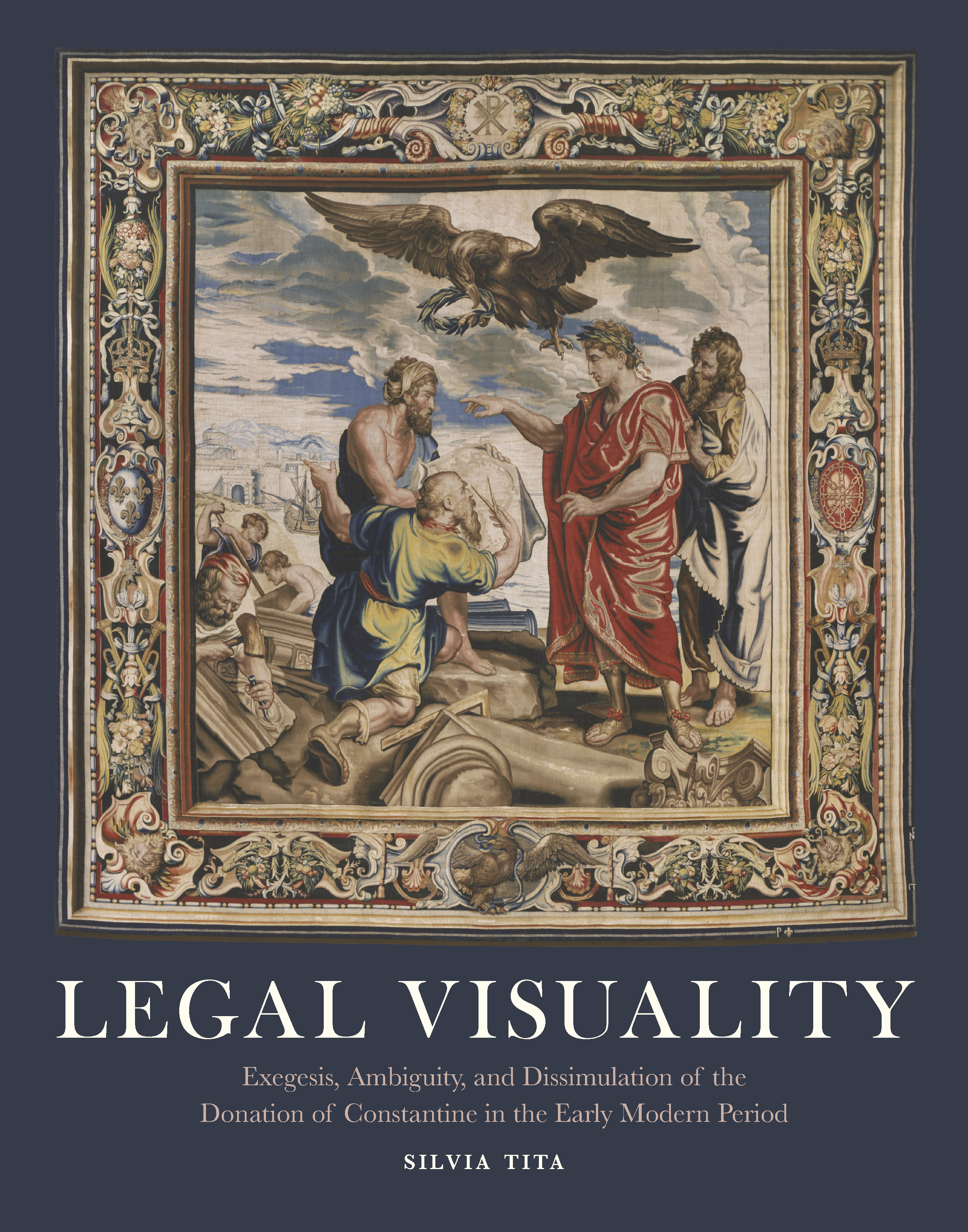 Legal Visuality
Exegesis, Ambiguity, and Dissimulation of the Donation of Constantine in the Early Modern Period


 Monastic Manuscripts from the Eastern Mediterranean (Sinai, Jerusalem, Antioch)
Production, Use, and Contexts

 Naples as Laboratory / Laboratorium Neapel
Style Options, Artistic Rivalry and Self Fashioning in Neapolitan Baroque Painting / Plurale Stilbildung, Kunstlerkonkurrenz und Self Fashioning in der neapolitanischen Barockmalerei
