
Living in the City
Elites and their Residences, 1500-1900
Edited by Paul Janssens Edited by John Dunne

The country house, chateau or rural palazzo set in extensive grounds may have been the ultimate badge of social pre-eminence but invariably their owners spent much of the year in the city. To this extent urban living was common to all elites worthy of the name, whatever their origin or source of wealth or power. Needless to say, though, how different elite groups experienced town life varied greatly. Focussing on the most basic aspect of urban living, this collection is concerned with the study of the places and types of residence of urban elites. Recently a number of historians have begun to explore the residential choices made by elites in the urban context, both as an important constituent of lifestyle and as a marker of elite identity and difference. However, whereas these studies have tended to focus on one particular elite group, a single place or one type of urban residence – such as aristocratic hotels – the current volume is original in exploring the patterns and logic of residential choices made by different elite groups in a variety of urban settings, in Britain, France and Italy, from the sixteenth to the nineteenth century. Each of the book’s nine substantive chapters is written in either English or French (with an abstract in the other language) by a leading specialist either on elites or in the field of urban history. The volume arises out of two meetings of the specialists concerned, which gives it a degree of coherence rarely achieved in collections of this sort. A substantial essay by the editors points to similarities and contrasts between the specific cases and identifies key issues requiring further research.
The country house, chateau or rural palazzo set in extensive grounds may have been the ultimate badge of social pre-eminence but invariably their owners spent much of the year in the city. To this extent urban living was common to all elites worthy of the name, whatever their origin or source of wealth or power. Needless to say, though, how different elite groups experienced town life varied greatly. Focussing on the most basic aspect of urban living, this collection is concerned with the study of the places and types of residence of urban elites. Recently a number of historians have begun to explore the residential choices made by elites in the urban context, both as an important constituent of lifestyle and as a marker of elite identity and difference. However, whereas these studies have tended to focus on one particular elite group, a single place or one type of urban residence – such as aristocratic hotels – the current volume is original in exploring the patterns and logic of residential choices made by different elite groups in a variety of urban settings, in Britain, France and Italy, from the sixteenth to the nineteenth century. Each of the book’s nine substantive chapters is written in either English or French (with an abstract in the other language) by a leading specialist either on elites or in the field of urban history. The volume arises out of two meetings of the specialists concerned, which gives it a degree of coherence rarely achieved in collections of this sort. A substantial essay by the editors points to similarities and contrasts between the specific cases and identifies key issues requiring further research.
- Edited by Paul Janssens
- Edited by John Dunne
Other Titles in this Series
 Epitomes of Evil
Representations of Executioners in Northern France and the Low Countries in the Late Middle Ages
Volume 8
 Usuriers publics et banquiers du Prince
Le role economique des financiers piemontais dans les villes du duche de Brabant (XIIIe-XIVe siecle)
Volume 28

 For the Common Good
State Power and Urban Revolts in the Reign of Mary of Burgundy, 1477-1482
Volume 17
 Subaltern City?
Alternative and Peripheral Urban Spaces in the Pre-modern Period (13th-18th Centuries)
Volume 46

 La police de Bruxelles entre reformes et revolutions (1748-1814)
Police urbaine et modernite
Volume 29
 Message in a Bottle
Merchants' letters, merchants' marks and conflict management in 1533-34. A source edition
Volume 57


 Public Opinion and Political Contest in Late Medieval Paris
The Parisian Bourgeois and his Community, 1400-1450
Volume 60


 Innovation and Medieval Communities
The Circulation of Ideas and Practices in and out of the Town (1200-1500)
Volume 63



 Economies, Public Finances, and the Impact of Institutional Changes in Interregional Perspective
The Low Countries and Neighbouring German Territories (14th-17th centuries)
Volume 36
 Les identites urbaines au Moyen Age. Regards sur les villes du Midi francais
Actes du colloque de Montpellier 8-9 decembre 2011
Volume 32

 Governments of the Universitates
Urban Communities of Sicily in the Fourteenth and Fifteenth Centuries
Volume 21
 Sociabilite urbaine et criminalisation etatique
La justice namuroise face a la violence de 1360 a 1555
Volume 39

 The Seven Sorrows Confraternity of Brussels
Drama, Ceremony, and Art Patronage (16th-17th Centuries)
Volume 37
 Moving Pictures. Intra-European Trade in Images, 16th-18th Centuries
Intra-European Trade in Images, 16th-18th Centuries
Volume 34
Similar Books


 Behind the Scenes of Medieval Roofs
An Overview of the Roofing Systems of Italian Churches
Volume 90

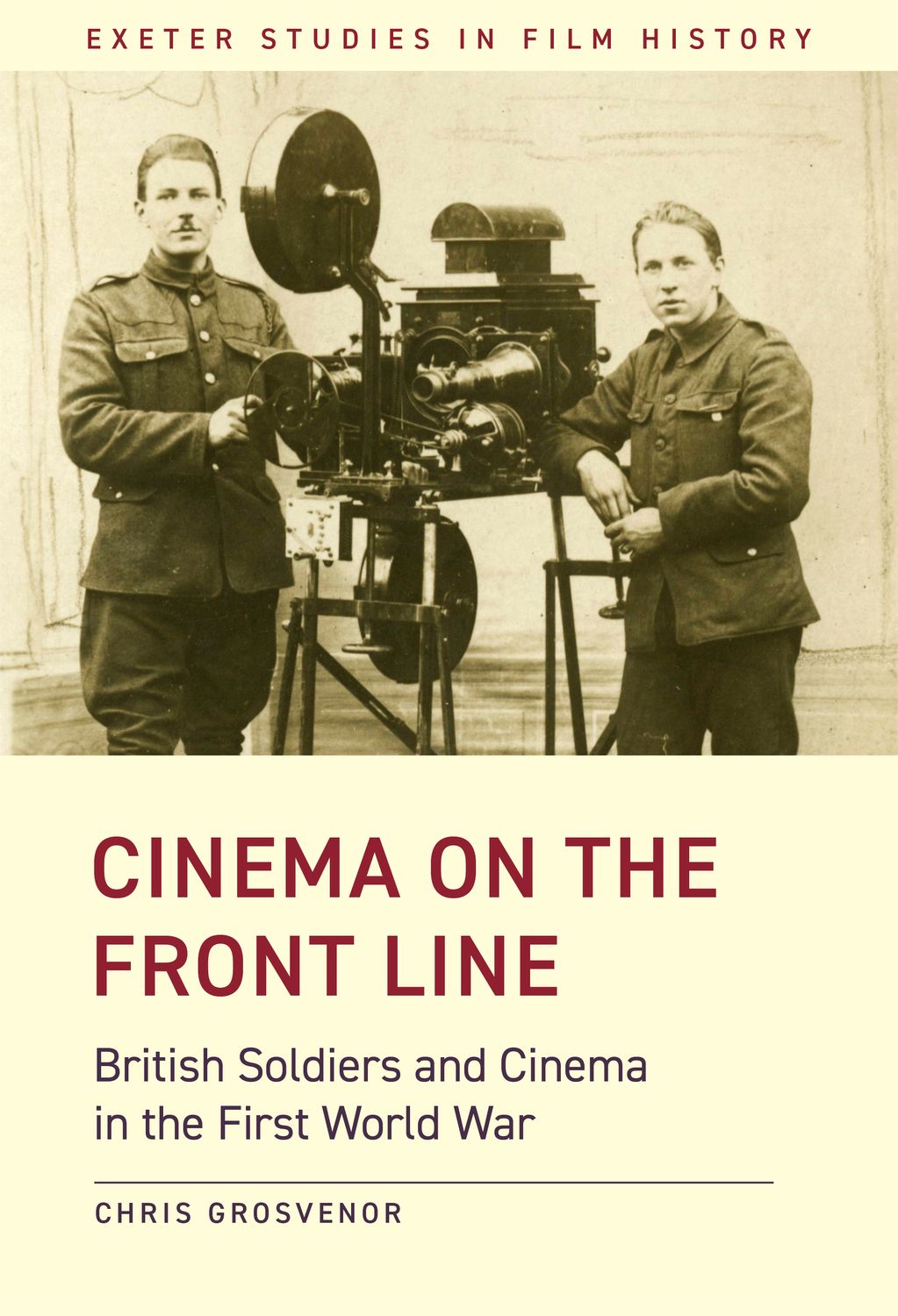
 Circulation, Use, Impact
The Consumption of Architectural Books in the Early Modern Eastern Adriatic
Volume 1


 European Drama and Performance Studies
Dramatisations politiques. Théâtre, politique et idéologie au XIXe siècle (1806-1914)
Volume 27


 Late Antique villae in the Balkans (3rd–7th c. AD): Current Research Questions and Perspectives
HAEMUS Companion to the Late Antique Balkans 1
Volume 4


 Modernization, Crises, Cultural Revolutions
Yugoslavia’s 1960s and 1970s through the amateur film lens


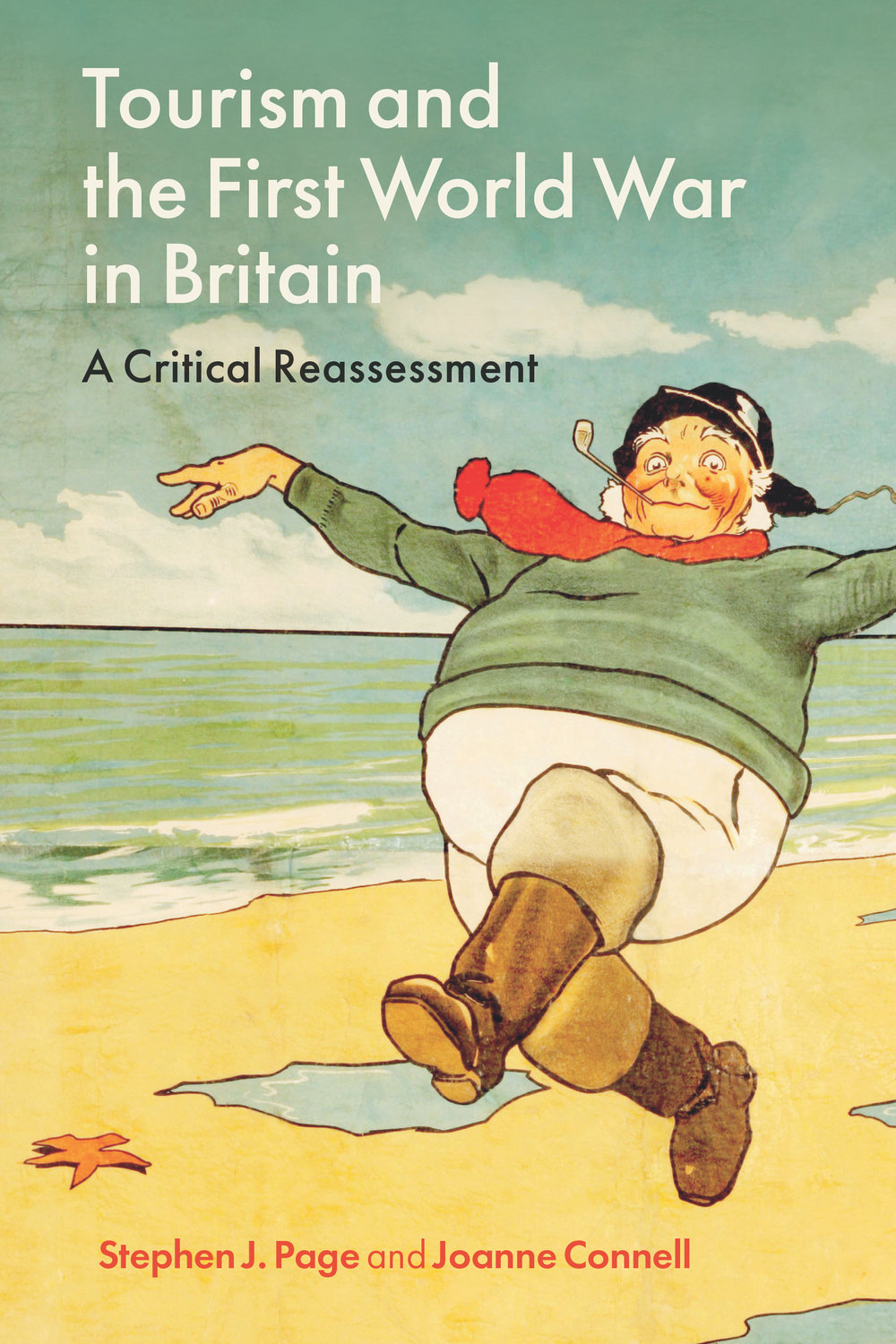
 Visual Memory and Oblivion
Monuments and Conflicts in Urban Spaces in Central and Eastern Europe from the Nineteenth Century to the Present Day


 “Tod durch Erschießen”
Generaloberst Nikolaus von Falkenhorst. Wehrmachtsbefehlshaber in Norwegen 1940–1945. Erinnerungen – Verhörprotokolle – Urteilssprüche
Volume 63
 “Zum Siege unserer menschenfreundlichen Prinzipien”
Ungarische Freimaurernetzwerke im „Orient“ 1886-1920


 Das Generalgouvernement Belgien im Ersten Weltkrieg 1914-17–1918
Die Erinnerungen des Generalobersten Ludwig Freiherrn von Falkenhausen
Volume 64
 Das Werden einer Universität
Die Protokolle des Akademischen Senats der Hamburgischen Universität 1919–1921