
Sermon of One Hundred Days
Part One
by Venerable Seongcheol
Hardback (Published)
(May 2010)
ISBN: 9781845536305
Price: $29.95
On back order
Sermon of One Hundred Days is the first translation into English from Korean of a seminal text in Korean Buddhism. Buddhism was introduced into Korea through China in about the 4th-5th century C.E. and within 200 years became so advanced that it influenced the development of Chinese Buddhism. Chan Buddhism was introduced into Korea around the 8th century and Seon Master Jinul (1158-1210) is honoured as having set the curriculum for the education of Buddhist monks and established Korean Buddhism as it was known for the next millennium. In this Sermon of One Hundred Days, published in 1967, Master Seongcheol (1912-93) develops Korean Buddhism further by teaching what Buddhist truth is. This Sermon comprehends the vast developments of Buddhism in India and China, including early Buddhism, Abhidharma, Madhyamaka, Yogacara Buddhism, Chinese doctrinal schools of Tiantai and Huayan and Chinese Chan and Korean Seon Buddhism. The Master analyses the logical structure of various historical teachings, which are connected by the principle of the middle way, and encourages his audience to pursue solely the truth to which the Buddha awakened.
Sermon of One Hundred Days is the first translation into English from Korean of a seminal text in Korean Buddhism. Buddhism was introduced into Korea through China in about the 4th-5th century C.E. and within 200 years became so advanced that it influenced the development of Chinese Buddhism. Chan Buddhism was introduced into Korea around the 8th century and Seon Master Jinul (1158-1210) is honoured as having set the curriculum for the education of Buddhist monks and established Korean Buddhism as it was known for the next millennium. In this Sermon of One Hundred Days, published in 1967, Master Seongcheol (1912-93) develops Korean Buddhism further by teaching what Buddhist truth is. This Sermon comprehends the vast developments of Buddhism in India and China, including early Buddhism, Abhidharma, Madhyamaka, Yogacara Buddhism, Chinese doctrinal schools of Tiantai and Huayan and Chinese Chan and Korean Seon Buddhism. The Master analyses the logical structure of various historical teachings, which are connected by the principle of the middle way, and encourages his audience to pursue solely the truth to which the Buddha awakened.
- By (author) Venerable Seongcheol
Other Titles in this Series
 Dudjom Rinpoche’s Vajrakīlaya Works
A Study in Authoring, Compiling, and Editing Texts in the Tibetan Revelatory Tradition
 Buddhist Monks and the Politics of Lanka’s Civil War
Ethnoreligious Nationalism of the Sinhala Sangha and Peacemaking in Sri Lanka, 1995-2010


 Chinese Buddhism Today
Conservatism, Modernism, Syncretism and Enjoying Life on the Buddha's Light Mountain
Similar Books

 Exploring Himalayan Cultural and Textual Heritage
The Legacy and Impact of René Nebesky-Wojkowitz
Volume 35
 Seeking Wisdom, Embracing Compassion
A Philokalic Commentary on Tsong kha pa’s ‘Great Treatise’
Volume 11


 A Sogdian Version of the Mahāyāna-Mahāparinirvāṇasūtra in Pustaka Format
Fragments from the Berlin Turfan Collection and the Ōtani Collection Kyōto
Volume 53
 Economic Trends in China During the Age of Confucius (1000–250 BC)
The Archaeological Evidence
Volume 10

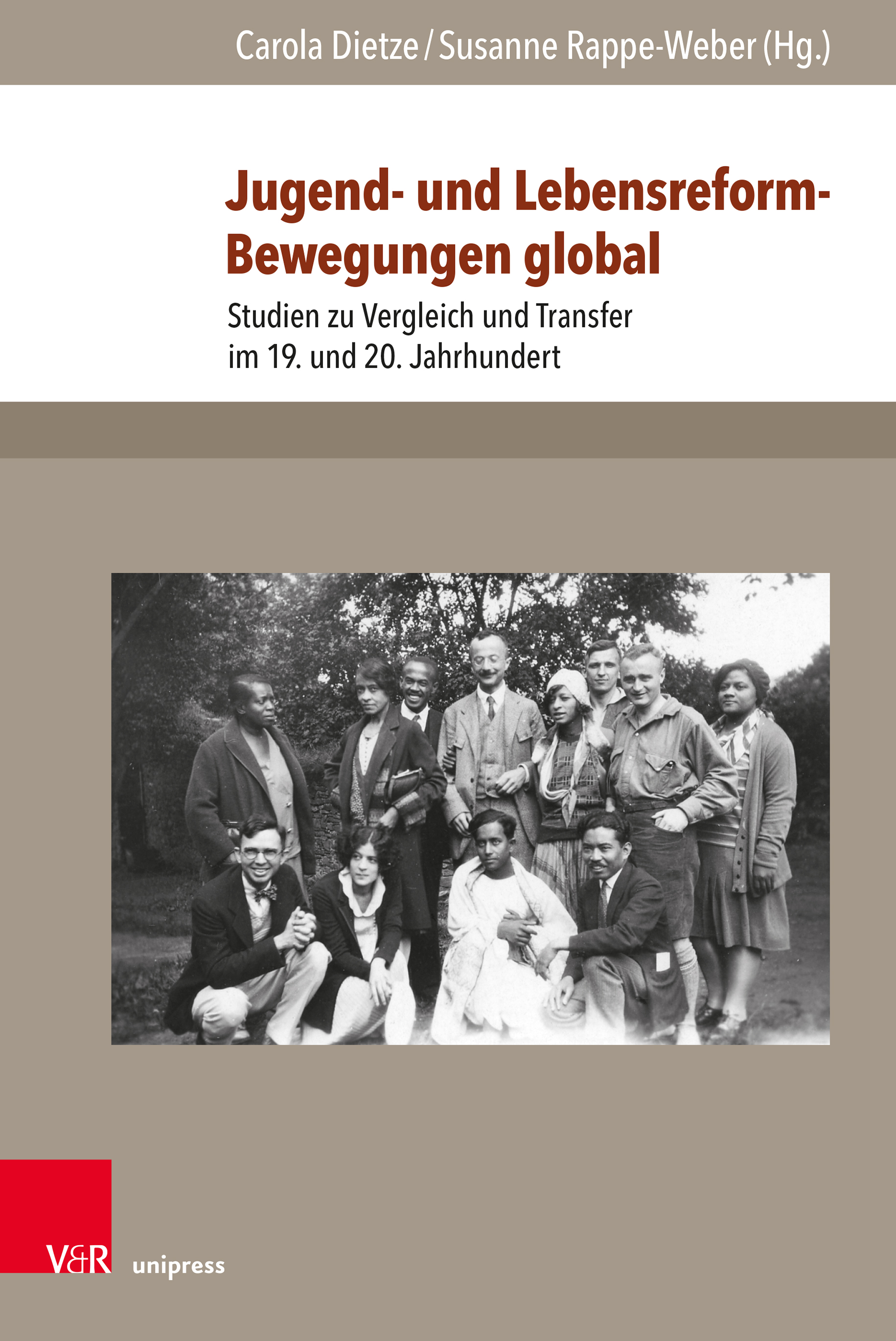 Jugend- und Lebensreform-Bewegungen global
Studien zu Vergleich und Transfer im 19. und 20. Jahrhundert


 Gender in Gandharan Art
Representations and Interactions in the Buddhist Context (1st-4th centuries CE)

 Kings of Cities and Rulers of the Steppes
Representations of Kingship in Pre-Islamic Central Asia
Volume 22
 Liberating the Repressed Self among Contemporary Chinese
A Theoretical Study Involving Tu Weiming and Jürgen Moltmann
Volume 41


 Reflection on the Word and Meaning
A Critical Edition and Translation of Ratnasrijnana's Sabdarthacinta with his Sabdarthacintavivrti 1.16-2.47
Volume 11


 The Lizhi 荔枝 (Lychee) in Chinese Literature
Translation of Chinese Sources by Michael J. Hagerty. With an introduction and edited by Hartmut Walravens
Volume 66




 Der altorientalische Mensch in seiner Umwelt
11. Internationales Colloquium der Deutschen Orientgesellschaft, 16.-19. Juni 2022 in Leipzig
Volume 11