
Kings of Cities and Rulers of the Steppes
Representations of Kingship in Pre-Islamic Central Asia
By (author) Michael Shenkar

Hardback (Published)
(March 2025)
ISBN: 9783447123440
8.31 x 11.69 inches
Price: $173.00
On back order
Kings of Cities and Rulers of the Steppes examines the iconography of Central Asian rulers from the Bronze Age to the Early Islamic period, focusing on the cultural, religious, and ideological messages conveyed through royal imagery. With over 650 illustrations (including 300 original drawings), Michael Shenkar traces the evolution of kingship and its iconography over time, highlighting Central Asia’s role as a meeting point for Iranian, Greek, Chinese, Indian, and Turkic cultures. Often referred to as a “crossroads of civilizations,” Central Asia provides a rich context in which these cultures interacted and influenced one another. By examining royal imagery as a historical and cultural source, this book uncovers the cultural complexities behind the kings who ruled the region’s rich cities and vast steppes. It uses these visual representations as a lens to explore the cultural, political, and religious dynamics that defined Central Asia’s heritage. A major theme of the book is the unparalleled diversity of ancient Central Asian royal imagery, which reflects both the political fragmentation of the region and the interactions between nomadic and sedentary populations. Shenkar also highlights the distinct feature of collective sovereignty found in many Central Asian and Iranian states. Post-nomadic royal clans such of the Scythians, Yuezhi, Huns, and Turks often utilized an ‘appanage system’, allowing rulers to express their identities by combining traditional symbols of power with unique elements that differentiated them from others. This book provides an ambitious, multi-century exploration of Central Asian kingship, offering new insights into the political and cultural significance of the region’s royal imagery
Kings of Cities and Rulers of the Steppes examines the iconography of Central Asian rulers from the Bronze Age to the Early Islamic period, focusing on the cultural, religious, and ideological messages conveyed through royal imagery. With over 650 illustrations (including 300 original drawings), Michael Shenkar traces the evolution of kingship and its iconography over time, highlighting Central Asia’s role as a meeting point for Iranian, Greek, Chinese, Indian, and Turkic cultures. Often referred to as a “crossroads of civilizations,” Central Asia provides a rich context in which these cultures interacted and influenced one another. By examining royal imagery as a historical and cultural source, this book uncovers the cultural complexities behind the kings who ruled the region’s rich cities and vast steppes. It uses these visual representations as a lens to explore the cultural, political, and religious dynamics that defined Central Asia’s heritage. A major theme of the book is the unparalleled diversity of ancient Central Asian royal imagery, which reflects both the political fragmentation of the region and the interactions between nomadic and sedentary populations. Shenkar also highlights the distinct feature of collective sovereignty found in many Central Asian and Iranian states. Post-nomadic royal clans such of the Scythians, Yuezhi, Huns, and Turks often utilized an ‘appanage system’, allowing rulers to express their identities by combining traditional symbols of power with unique elements that differentiated them from others. This book provides an ambitious, multi-century exploration of Central Asian kingship, offering new insights into the political and cultural significance of the region’s royal imagery
- By (author) Michael Shenkar
Other Titles in this Series
 Archaologie visualisieren
Entwicklung einer standardisierten Zeichenschrift zur Analyse und Vermittlung archaologischer Funde und Befunde
Volume 15
 Der Palast in Nuzi
Studien zur formalen Struktur des Palastgebaudes und den Funktionen der Palastinstitution
Volume 18
 Urban Cultures of Central Asia from the Bronze Age to the Karakhanids
Learnings and conclusions from new archaeological investigations and discoveries. Proceedings of the First International Congress on Central Asian Archaeology held at the University of Bern, 4-6 February 2016
Volume 12
 Gesellschaften im Wandel
Funerarer Aufwand und soziale Wirklichkeit im fruhstaatlichen Mespotamien und Agypten anhand von Grabbefunden aus Ur und Kafr Tarkhan
Volume 10
 Sirkeli Hoyuk
Ein urbanes Zentrum am Puruna-Pyramos im Ebenen Kilikien. Vorbericht der schweizerisch-turkischen Ausgrabungen 2006-2015
Volume 13


 Mobility and Archaeogenetics in Central Asia
People – Goods – Ideas. 3rd International Conference on Central Asian Archaeology in Bern, 11th–13th January 2024
Volume 24

 Königsbilder, Libationskuhlen und Steinbau
Der hethitischen Kultkomplex und die Felsreliefs in Sirkeli Höyük. von Fabrizio Bätscher, Natalia Bolatti Guzzo, Ekin Kozal, Massimiliano Marazzi, Mirko Novák, Annick Payne, Leopoldo Repola, Carsten Schneider, Deniz Yaşin
Volume 21
 Fremdes in Anatolien
Importguter aus dem Ostmittelmeerraum und Mesopotamien als Indikator fur spatbronzezeitliche Handels- und Kulturkontakte
Volume 11
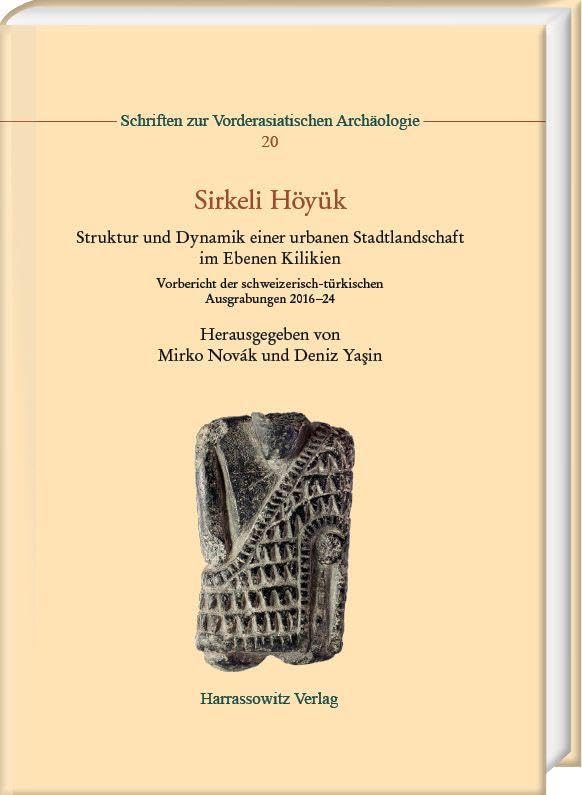 Sirkeli Hoyuk
Struktur und Dynamik einer urbanen Stadtlandschaft im Ebenen Kilikien. Vorbericht der schweizerisch-turkischen Ausgrabungen 2016-24
Volume 20
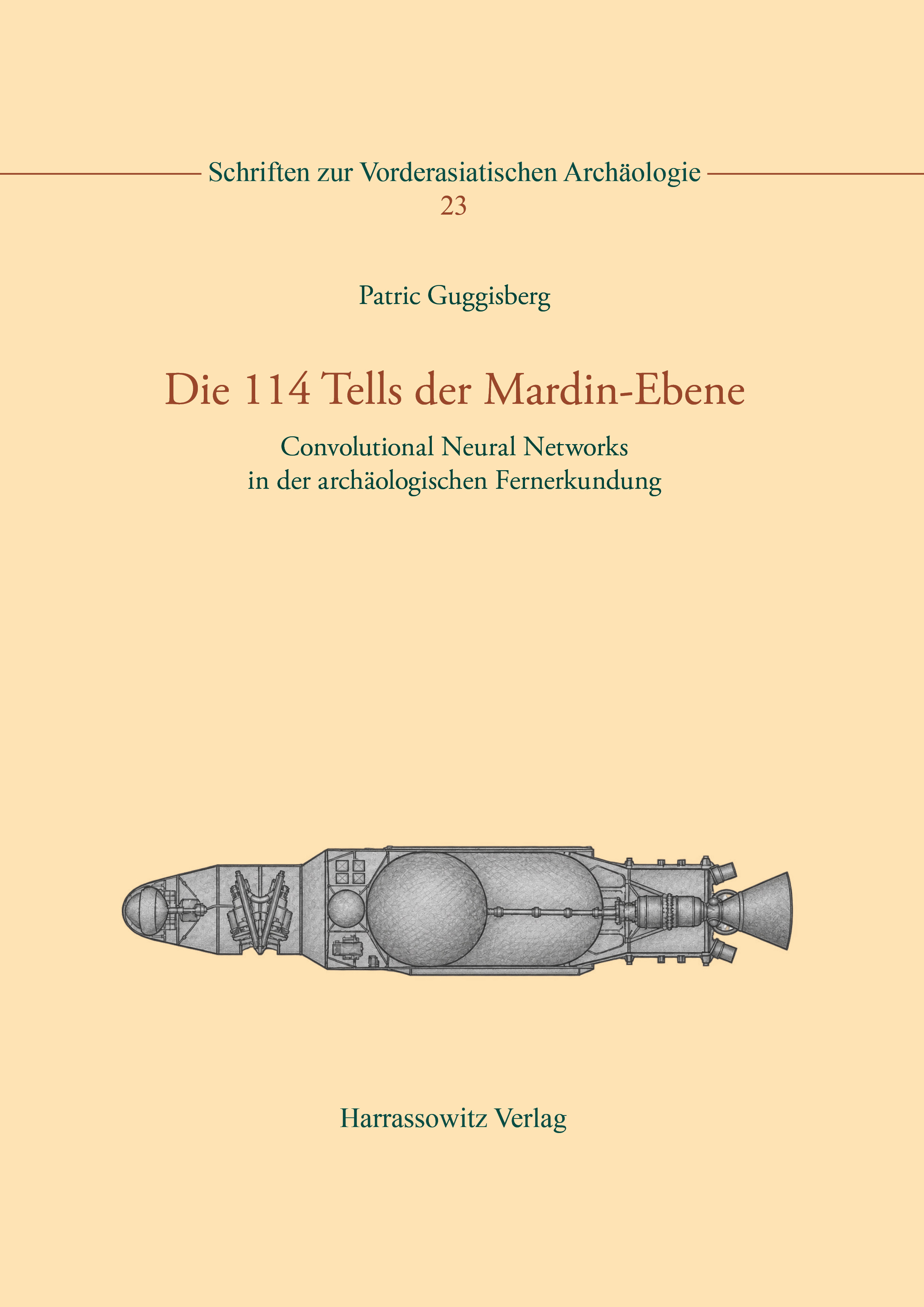 Die 114 Tells der Mardin-Ebene
Convolutional Neural Networks in der archaologischen Fernerkundung
Volume 23
 Cultures in Contact
Central Asia as Focus of Trade, Cultural Exchange and Knowledge Transmission
Volume 19
 Bergesgleich baute ich hoch
Untersuchungen zur Architektur, Funktion und Bedeutung neuassyrischer Befestigungsanlagen
Volume 17
Similar Books





 Archaeological Excavations at Irmis Rka: An Investigation of a Multi-Layered Settlement in Southwest Georgia
Results from the 2020 Season: Early Bronze Age to Medieval Occupations


 Catuvellaunia and Rome: Economic and Political Relations during the Final Decades Pre-conquest
The Role of Grain from Southeastern Britain and Its Potential for Maintenance of the Roman Military along the Frontier on the Rhine
 Colour Concept “Secoli bui” a colori
Codici cromatici e architetture dipinte nell’età tardoantica e medievale
 Connecting the Dots: Counting, Writing, and the Beginnings of Civilization
The Secret Lives of Clay Tokens: A Memoir


 Crossing Disciplines in the Study of Archaeology and Prehistoric Art: Insights from the Sahara and Mediterranean Africa
Proceedings of the XX UISPP World Congress (5–9 September 2023, Timișoara, Romania) Volume / Session 18
 Crossing Sacred Landscapes
Contacts and Continuities in the Desert Cults and Beliefs of Ancient Northern Arabia and the Arid Southern Levant
 Cuneiform Artefacts from Archaeological Contexts: New Research on Ancient Iraq
Proceedings of a Conference Held at the Bavarian Academy of Sciences and Humanities, July 4–5, 2024
Volume 2
 Curating the Prehistoric Past
Studies on West Asian Archaeology and Beyond in Honour of Yoshihiro Nishiaki

 ENTANGLED AFRICA
Intra-African Relations Between Rain Forest and Mediterranean from Around 4,000 BCE to 1,500 CE



 Exploring Gender Dynamics across the Ancient Near East
Collected Essays of Gender and Methodology in the Ancient Near East (GeMANE) 4 and 5
Volume 7
 Exploring Prehistoric Pottery in Japan
A Study of Organic Inclusions, Adhering Materials, and Impressions of Woven Items


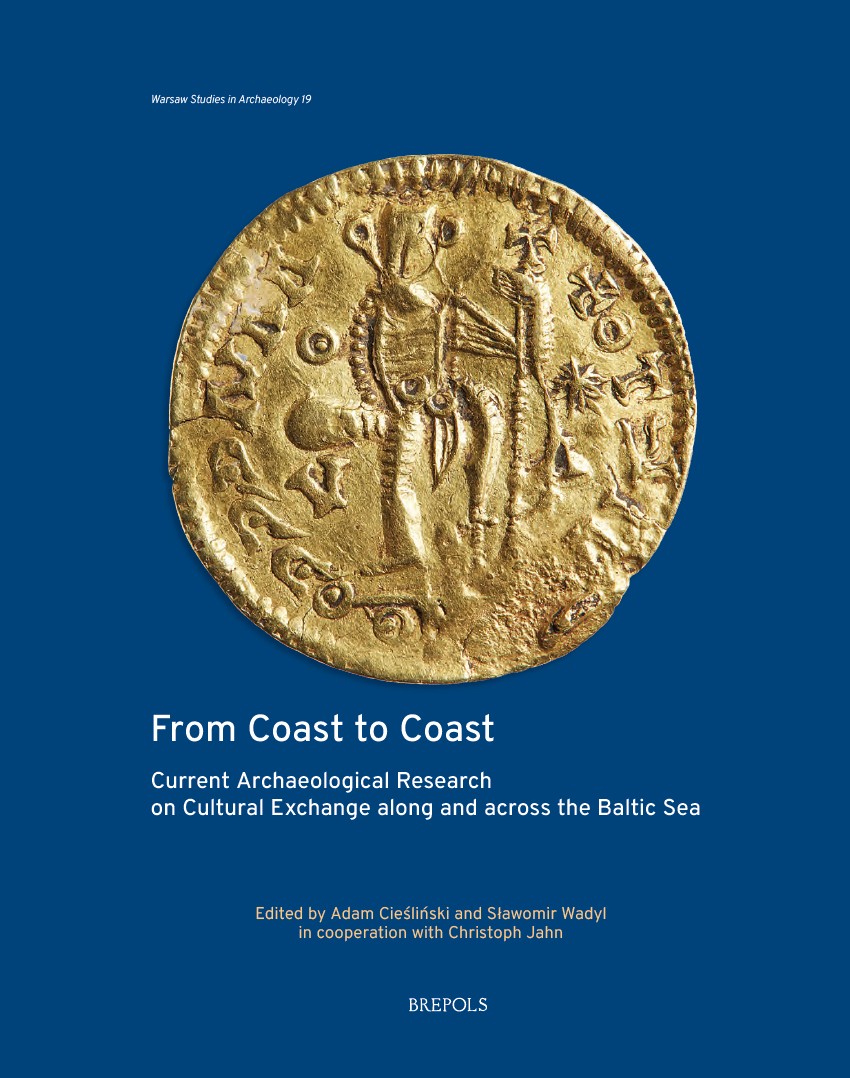 From Coast to Coast
Current Archaeological Research on Cultural Exchange along and across the Baltic Sea
Volume 19
 Frontiers of the Roman Empire: The Frontier of the Roman Province of Raetia
Grenzen des Römischen Reiches: Die Grenze der Römischen Provinz Raetien

 Gold, Silver and Glass: Power Networks, Cultural Identities, Technology Transfers and Agency across the Old World (7th Century BC – 1st Century AD)
Proceedings of a Conference Held at the British Museum, 16–18 June 2023
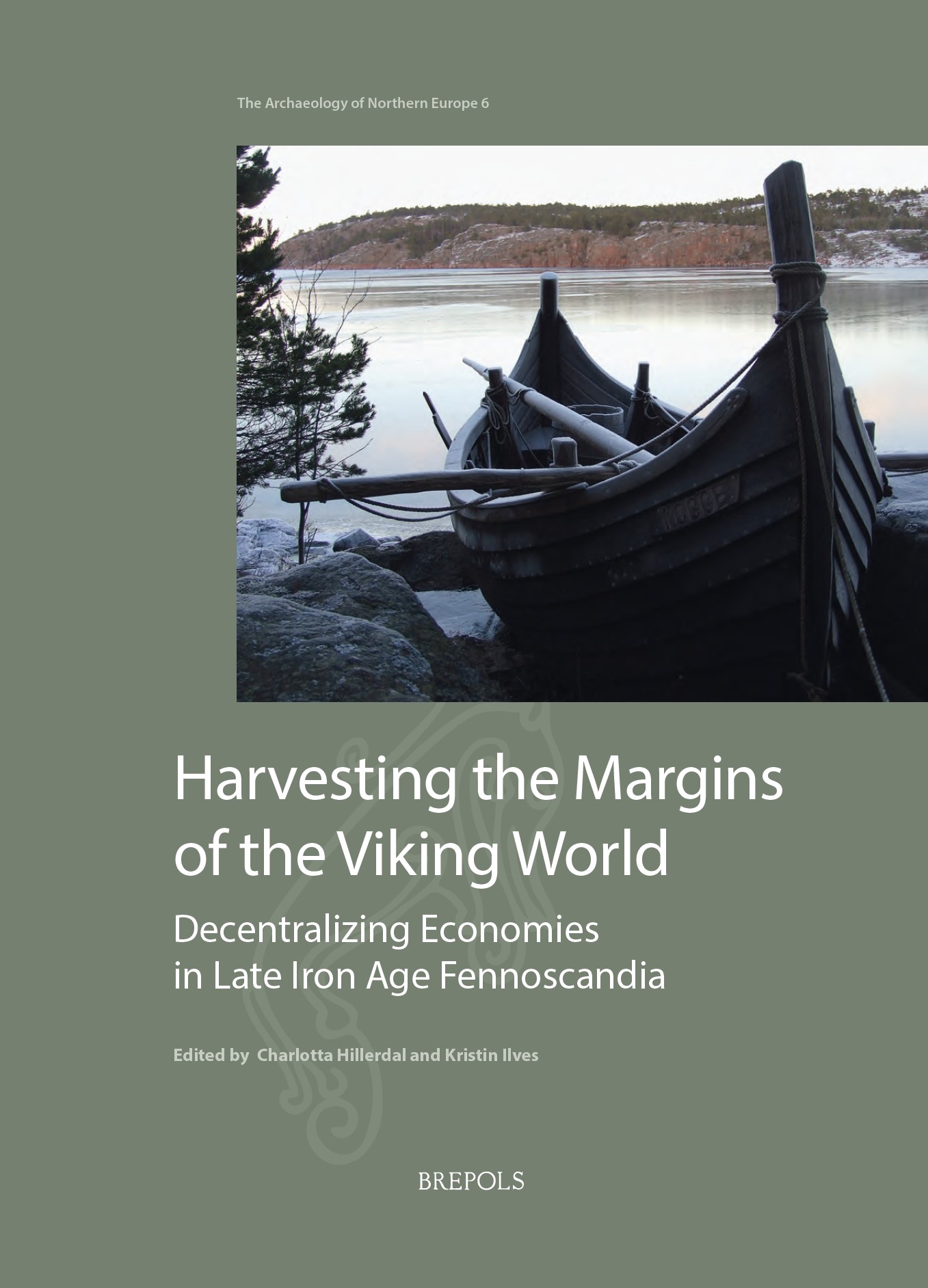 Harvesting the Margins of the Viking World
Decentralizing Economies in Late Iron Age Fennoscandia
Volume 6