
What the Buddha Thought
by Richard Gombrich

Hardback (Published)
(August 2009)
ISBN: 9781845536121
Price: $95.00
On back order
In What the Buddha Thought, Richard Gombrich argues that the Buddha was one of the most brilliant and original thinkers of all time. Intended to serve as an introduction to the Buddhas thought, and hence even to Buddhism itself, the book also has larger aims: it argues that we can know far more about the Buddha than it is fashionable among scholars to admit, and that his thought has a greater coherence than is usually recognised. It contains much new material. Interpreters both ancient and modern have taken little account of the historical context of the Buddhas teachings; but by relating them to early brahminical texts, and also to ancient Jainism, Gombrich gives a much richer picture of the Buddhas meaning, especially when his satire and irony are appreciated. Incidentally, since many of the Buddhas allusions can only be traced in the Pali versions of surviving texts, the book establishes the importance of the Pali Canon as evidence. The book contains much new material. The author stresses the Buddhas capacity for abstraction: though he made extensive use of metaphor, he did not found his arguments upon it, as earlier thinkers had done. He ethicized and radically reinterpreted older ideas of karma (human action) and rebirth. Similarly, building on older texts, he argued for the fundamental importance of love and compassion, and analysed fire as a process which could stand as a model for every component of conscious experience. Morally, the Buddhas theory of karma provided a principle of individuation and asserted each individuals responsibility for his own destiny. To make the book completely accessible to the general reader, the author provides an introductory section of Background Information, for easy reference.
- By (author) Richard Gombrich
Other Titles in this Series
 Buddhist Monks and the Politics of Lanka’s Civil War
Ethnoreligious Nationalism of the Sinhala Sangha and Peacemaking in Sri Lanka, 1995-2010


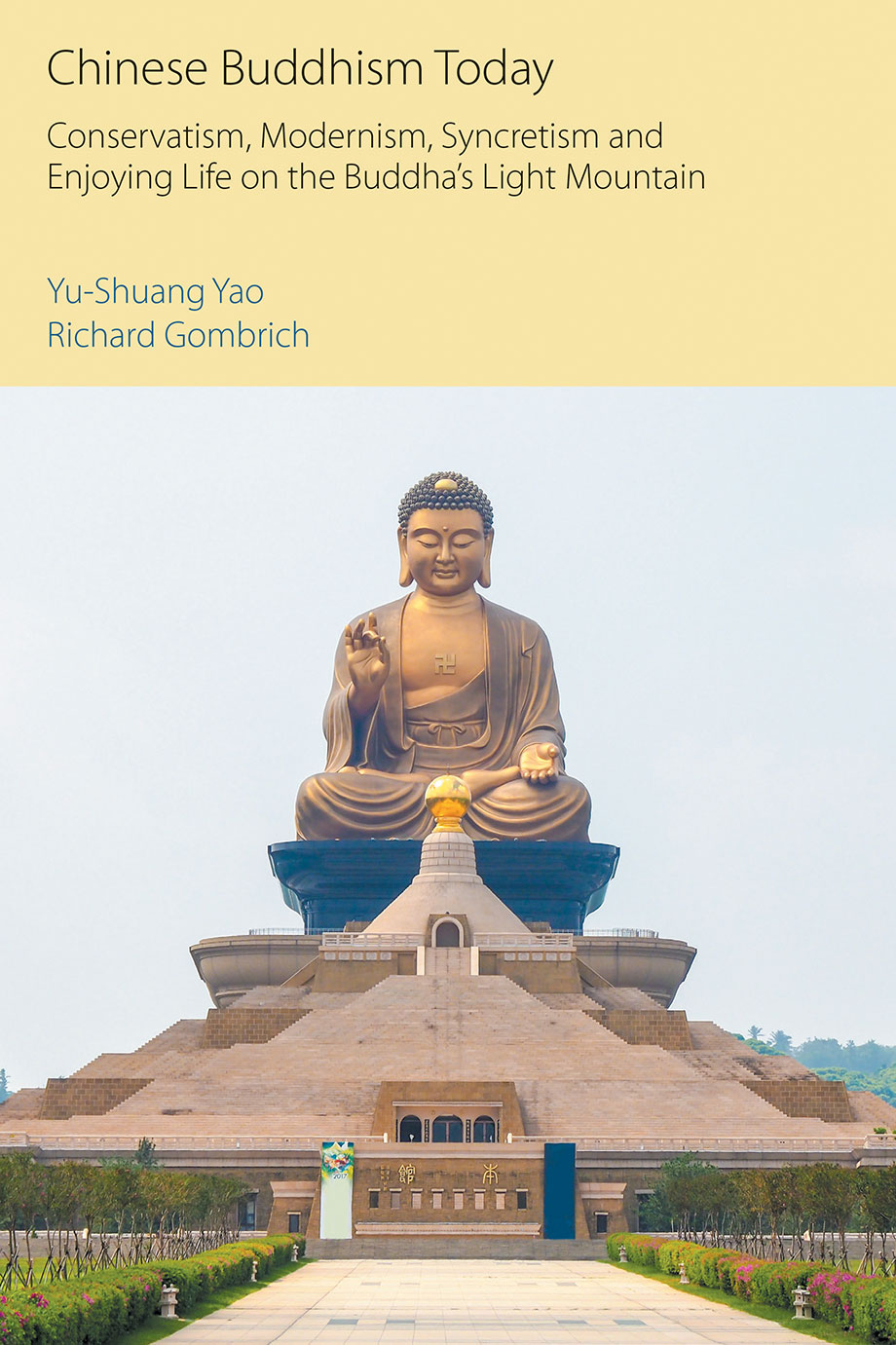 Chinese Buddhism Today
Conservatism, Modernism, Syncretism and Enjoying Life on the Buddha's Light Mountain
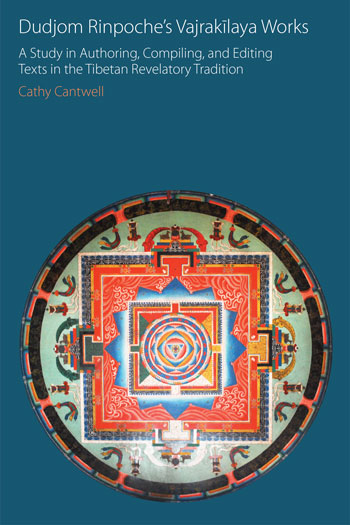 Dudjom Rinpoche’s Vajrakīlaya Works
A Study in Authoring, Compiling, and Editing Texts in the Tibetan Revelatory Tradition
Similar Books

 Exploring Himalayan Cultural and Textual Heritage
The Legacy and Impact of René Nebesky-Wojkowitz
Volume 35
 Seeking Wisdom, Embracing Compassion
A Philokalic Commentary on Tsong kha pa’s ‘Great Treatise’
Volume 11


 A Sogdian Version of the Mahāyāna-Mahāparinirvāṇasūtra in Pustaka Format
Fragments from the Berlin Turfan Collection and the Ōtani Collection Kyōto
Volume 53
 Economic Trends in China During the Age of Confucius (1000–250 BC)
The Archaeological Evidence
Volume 10

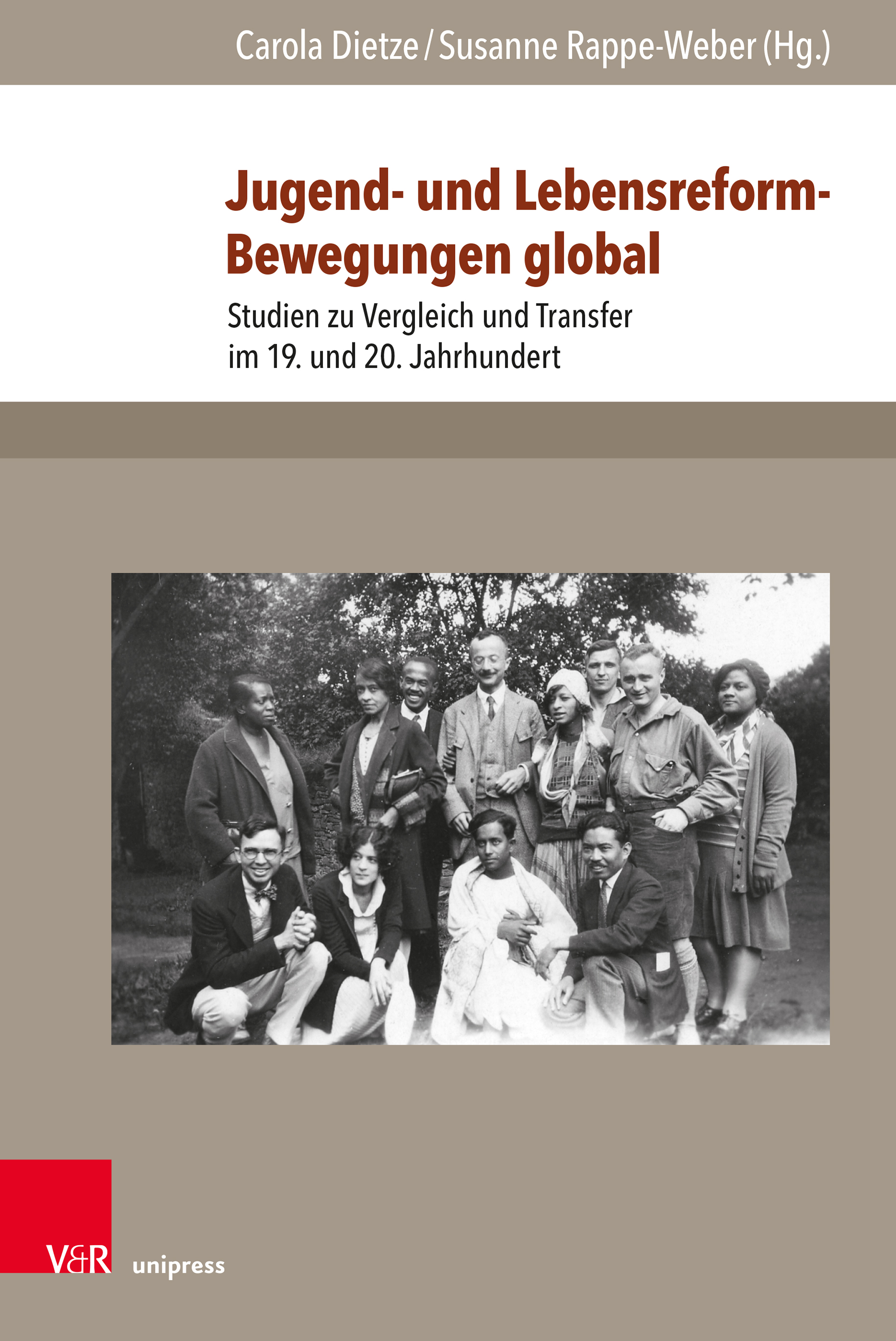 Jugend- und Lebensreform-Bewegungen global
Studien zu Vergleich und Transfer im 19. und 20. Jahrhundert


 Gender in Gandharan Art
Representations and Interactions in the Buddhist Context (1st-4th centuries CE)

 Kings of Cities and Rulers of the Steppes
Representations of Kingship in Pre-Islamic Central Asia
Volume 22
 Liberating the Repressed Self among Contemporary Chinese
A Theoretical Study Involving Tu Weiming and Jürgen Moltmann
Volume 41


 Reflection on the Word and Meaning
A Critical Edition and Translation of Ratnasrijnana's Sabdarthacinta with his Sabdarthacintavivrti 1.16-2.47
Volume 11


 The Lizhi 荔枝 (Lychee) in Chinese Literature
Translation of Chinese Sources by Michael J. Hagerty. With an introduction and edited by Hartmut Walravens
Volume 66




 Der altorientalische Mensch in seiner Umwelt
11. Internationales Colloquium der Deutschen Orientgesellschaft, 16.-19. Juni 2022 in Leipzig
Volume 11
 Der Antikommunismus in der Bundesrepublik Deutschland und in der Republik Korea im Vergleich (1945–1973)
Die Organisation und die Aktivitäten der Vertriebenen