
Life and Death in Roman Carlisle
Excavations at 107-117 Botchergate, 2015
By (author) Matthew S. Hobson

Paperback (Published)
(November 2024)
ISBN: 9781803278438
8.07 x 11.42 inches
Price: $56.00
In stock
Finds from a Roman cremation cemetery in Carlisle offer an important study of burials and identity in the region. Excavated graves, including rare richly furnished burials, reveal cultural ties to the Nervii of Gallia Belgica and suggest a Nervian presence in early Roman Carlisle linked to military recruitment and local pottery production.
Life and Death in Roman Carlisle makes an important contribution to the study of burials and identity in the region of Hadrian’s Wall. The book presents the results of excavations beneath Cumbria House, a new municipal building on Botchergate in the city centre. In Roman times this was the location of part of a roadside cremation cemetery associated with a fort established by the Roman army in AD 73. Those buried in this part of the cemetery died in the years just prior to and during the building of Hadrian’s Wall, when Luguvalium was emerging as the most important Roman military base and largest urban centre in northwest Britain. As a result of this swift rise in profile, the early settlement-edge funerary enclosures quickly went out of use, being swallowed up and overbuilt by the expanding extramural settlement. Early Roman Carlisle would have boasted a vibrant multicultural population, and this is reflected in its burial evidence. Among the remains of some twenty cremation burials excavated at Cumbria House are the two most richly furnished examples from northern Britain. While the large assemblages of ceramic grave goods are unlike those of any other burials in the military north, close parallels are known from the France/Belgium border, in the former territory of the Nervii. The Nervians were described by Julius Caesar as having the fiercest fighters of all the Gallic tribes and this area was a major source of recruitment for the Roman army. Most of the pottery vessels placed in the graves were produced locally, probably at kilns within Roman Carlisle, and thus must have been made to order by those familiar with both the burial rites and the ceramic repertoire of the Nervian region. The presence of a community of Nervians living in Luguvalium in the early second century is a new discovery but fits well with previous arguments made about the possible replacement of the Ala Gallorum Sebosiana with another unit from Gallia Belgica when the fort at Luguvalium was completely rebuilt around AD 105. Meticulously referencing the relevant literature from Roman Britain and the Continent, the authors explore the significance of the new data for our understanding of the make-up of Roman Carlisle’s population and the identity of its various garrisons.
List of Figures List of Tables Acknowledgements Chapter 1: Roman Carlisle and the Cumbria House Excavations Introduction The Roman conquest up to the building of Hadrian's Wall Carlisle's Roman forts Luguvalium in the Flavian period The extramural settlement in the 2nd century AD and beyond Funerary and settlement evidence previously excavated in the area of Botchergate Chapter 2: The Stratigraphic Sequence Introduction Phase 1 - Initial roadside plot division (late 1st - early 2nd century AD) Phase 2 - The creation of funerary enclosures and burial plots (early 2nd century AD) Phase 3 - The expansion of Luguvalium (early-mid 2nd century AD) Phase 4 - Continued occupation (mid-2nd century AD) Phase 5 - Reorganisation of space (second half of 2nd century AD) Phase 6 - Abandonment (late 2nd century AD) Phase 7 - Medieval Phases 8 & 9 - Post-medieval and Modern Discussion of Roman cemetery and settlement stratigraphy Chapter 3: The Burials Introduction Catalogue Inscribed Tombstone Fragment Gaming Board fragment Chapter 4: The Human Remains Introduction Types of deposits Bone fragmentation, preservation and identification Demography Pathology Aspects of Cremation and Funerary Practice Summary Chapter 5: The Roman Pottery Introduction Methodology The pattern of supply The Roman fabric groups Discussion of fabric groups Fine wares Coarse wares Comparison with other sites in Carlisle The composition of the cremation burial groups Chapter 6: Interpreting the Roman Cremation Cemetery Introduction The Cumbria House site in the context of Roman Carlisle Comparison with cemeteries in northern Britain Comparison with cemeteries in southeast Britain Comparison with cemeteries in Gallia Belgica Conclusions: a community of Nervians at Luguvalium? Appendix 1: Osteological Methods Appendix 2: Osteological Results Tables Appendix 3: The Animal Bone References,
List of Figures
List of Tables
Acknowledgements
Chapter 1: Roman Carlisle and the Cumbria House Excavations
Introduction
The Roman conquest up to the building of Hadrian’s Wall
Carlisle’s Roman forts
Luguvalium in the Flavian period
The extramural settlement in the 2nd century AD and beyond
Funerary and settlement evidence previously excavated in the area of Botchergate
Chapter 2: The Stratigraphic Sequence
Introduction
Phase 1 - Initial roadside plot division (late 1st – early 2nd century AD)
Phase 2 – The creation of funerary enclosures and burial plots (early 2nd century AD)
Phase 3 – The expansion of Luguvalium (early-mid 2nd century AD)
Phase 4 – Continued occupation (mid-2nd century AD)
Phase 5 – Reorganisation of space (second half of 2nd century AD)
Phase 6 - Abandonment (late 2nd century AD)
Phase 7 - Medieval
Phases 8 & 9 - Post-medieval and Modern
Discussion of Roman cemetery and settlement stratigraphy
Chapter 3: The Burials
Introduction
Catalogue
Inscribed Tombstone Fragment
Gaming Board fragment
Chapter 4: The Human Remains
Introduction
Types of deposits
Bone fragmentation, preservation and identification
Demography
Pathology
Aspects of Cremation and Funerary Practice
Summary
Chapter 5: The Roman Pottery
Introduction
Methodology
The pattern of supply
The Roman fabric groups
Discussion of fabric groups
Fine wares
Coarse wares
Comparison with other sites in Carlisle
The composition of the cremation burial groups
Chapter 6: Interpreting the Roman Cremation Cemetery
Introduction
The Cumbria House site in the context of Roman Carlisle
Comparison with cemeteries in northern Britain
Comparison with cemeteries in southeast Britain
Comparison with cemeteries in Gallia Belgica
Conclusions: a community of Nervians at Luguvalium?
Appendix 1: Osteological Methods
Appendix 2: Osteological Results Tables
Appendix 3: The Animal Bone
References
- By (author) Matthew S. Hobson
Other Titles in this Series

 Roman Frontier Archaeology – in Britain and Beyond
Papers in Honour of Paul Bidwell Presented on the Occasion of the 30th Annual Conference of the Arbeia Society


 The Changing Landscapes of Rome’s Northern Hinterland
The British School at Rome’s Tiber Valley Project


 Un insediamento di età romana dimenticato nel tempo
Rinvenimenti e ricerche archeologiche a Tezze di Arzignano e nella vallata dell'Agno-Guà (Vicenza)

 Immagini del tempo degli dei, immagini del tempo degli uomini
Un’analisi delle iconografie dei mesi nei calendari figurati romani e bizantini e del loro contest storico-culturale


 Villas, Sanctuaries and Settlement in the Romano-British Countryside
New Perspectives and Controversies

Similar Books

 Caesar’s Visions and Impact on the Roman Empire
Revisiting the Archaeological and Historical Record of the 40s BC
Volume 2


 Etruscan and Roman Hellenistic Anatomical ex votos
Reassessing Popular Religious Expressions in Central Italy
Volume 8


 Invisible Labour in Antiquity
Visualizing Obscure Work in the Ancient Mediterannean and West Asia
Volume 1
 Late Antique villae in the Balkans (3rd–7th c. AD): Current Research Questions and Perspectives
HAEMUS Companion to the Late Antique Balkans 1
Volume 4


 Portraying the Individual in the Roman East
Local–Imperial Entanglements in Sculpture, Mosaics, and Paintings (First–Fourth Centuries AD)
Volume 18

 Small Worlds and Relational Agencies: Local Societies in Early Medieval Iberia
Pequeños mundos y Agencias relacionales: Sociedades locales altomedievales en la Península Ibérica

 The Iron Age Pottery from Tell Atchana / Ancient Alalakh
A Typological and Functional Analysis
Volume 8
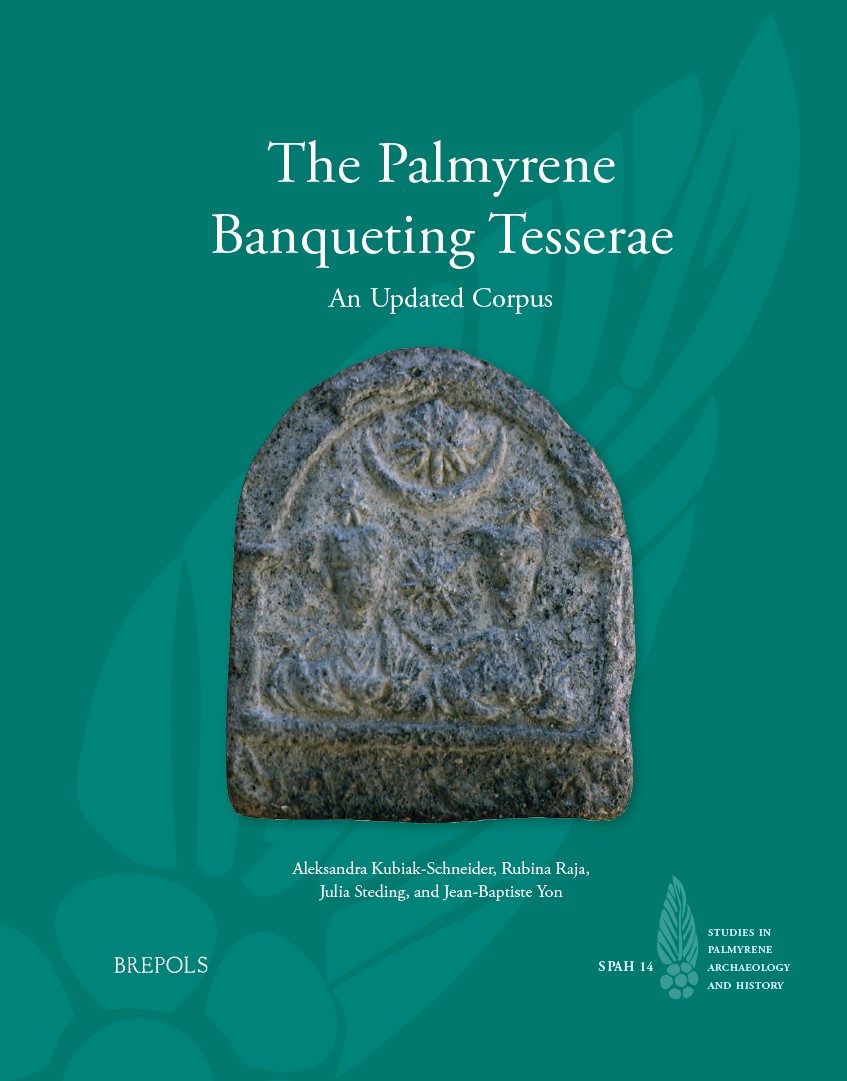

 Writing in the Church of the Nativity in Bethlehem
Inscription and Graffiti in a Multilingual and Multigraphic Perspective
Volume 45
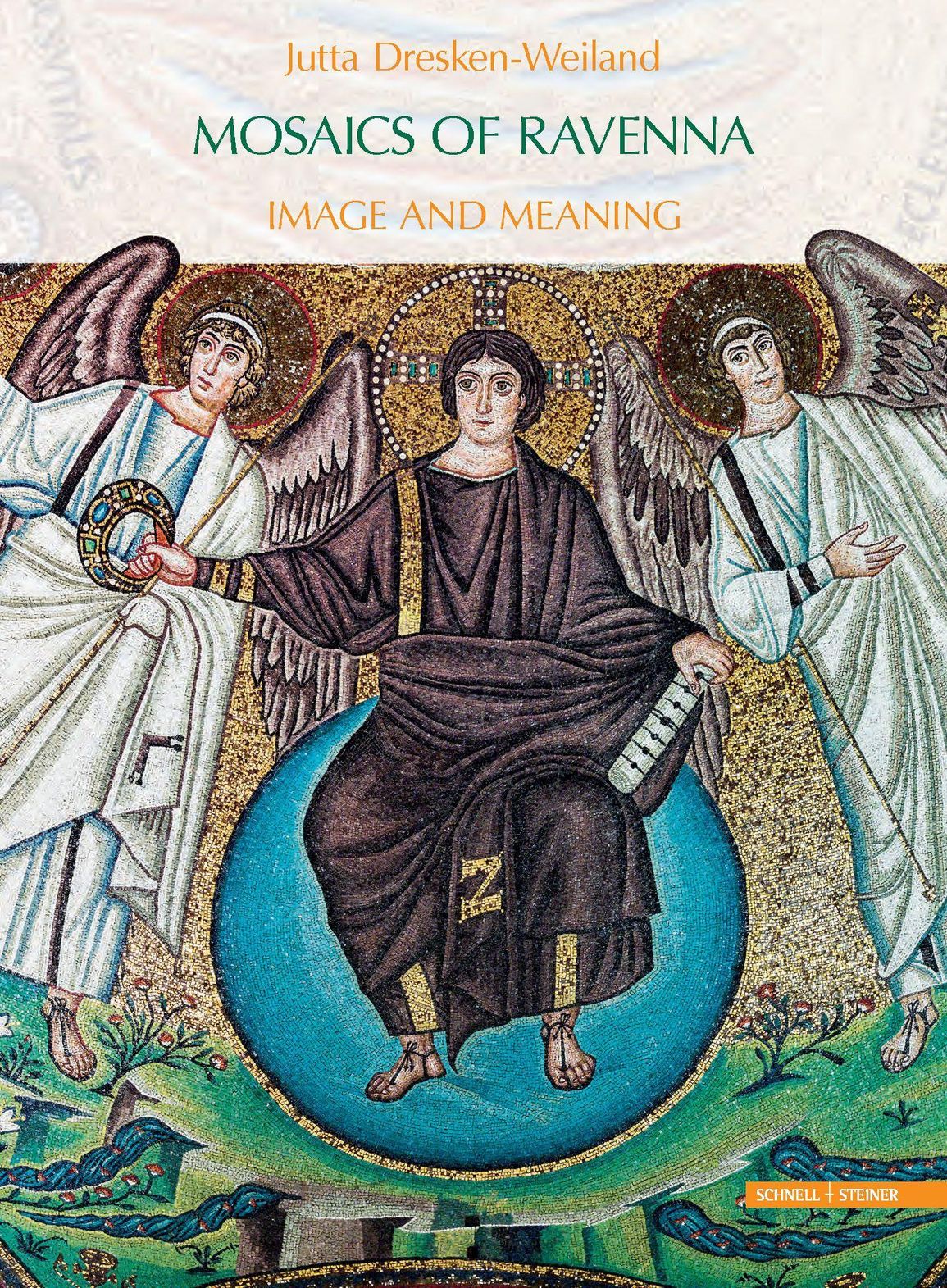


 Atlante tematico di topografia antica 36-2026
Urbanistica e monumenti, porti, Roma. Ricerche sui monti Aurunci
Volume 36
 Cerámica común romana y ciclo haliéutico
Análisis de los contextos de las cetariae de Iulia Traducta

 Nuove scoperte e progressi nelle metodologie di rilievo e analisi dell’arte rupestre post-paleolitica in Italia
New discoveries and progress in the tracing and analysis methodologies of the post-Paleolithic rock art in Italy


 A Dramatic Event in Late Roman Florence
The Anomalous Burial Site Discovered beneath the Uffizi Gallery

 Alexander the Great and the Campaign of Gaugamela
New Research on Topography and Chronology. IAMNI 1 (Italian Archaeological Mission to Northern Iraq)
Volume 53


 Approaching Ancient Greek Coastal and Inland Poleis in the Northern Peloponnese
New Research in the Microregions of Aigeira, Lousoi and Sikyon
Volume 4