Egyptian Cultural Identity in the Architecture of Roman Egypt (30 BC-AD 325)
By (author) Youssri Ezzat Hussein Abdelwahed

Paperback (Published)
(February 2015)
ISBN: 9781784910648
8.27 x 11.69 inches
Price: $74.00
In stock
This volume considers the relationship between architectural form and different layers of identity assertion in Roman Egypt. It stresses the sophistication of the concept of identity, and the complex yet close association between architecture and identity.
Egyptian Cultural Identity in the Architecture of Roman Egypt (30 BC-AD 325) considers the relationship between architectural form and different layers of identity assertion in Roman Egypt. The Roman province of Aegyptus was a peculiar province such that many scholars have generally assumed that it was given a special status in the Roman Empire. The text covers the period from the Roman conquest of Egypt under Octavian in 30 BC to the official recognition of Christianity in AD 325. It stresses the sophistication of the concept of identity, and the complex yet close association between architecture and identity. This monograph is the outcome of four years of research at the Department of Classics and Ancient History, the University of Durham. The book will be of interest and value for both Classicists and Egyptologists working on the archaeology of Egypt under Roman rule and the concept of identity.
- By (author) Youssri Ezzat Hussein Abdelwahed
Other Titles in this Series

 Life, Death and Rubbish Disposal in Roman Norton, North Yorkshire
Excavations at Brooklyn House 2015-16


 Die Bleifunde der römisch-republikanischen Anlage von Sanisera, Menorca
Archäologische und archäometrische Analyse

 Roman Copies, Collecting, and Culture in the Bay of Naples and Beyond
Papers in Honor of Eugene J. Dwyer


 Rus Africum IV: La fattoria Bizantina di Aïn Wassel, Africa Proconsularis (Alto Tell, Tunisia)
Lo scavo stratigrafico e i materiali
 Roman Frontier Studies 2009
Proceedings of the XXI International Congress of Roman Frontier Studies (Limes Congress) held at Newcastle upon Tyne in August 2009
 The Arverni and Roman Wine
Roman Amphorae from Late Iron Age sites in the Auvergne (Central France): Chronology, fabrics and stamps
 Visualising Glocalization
Villas, Architectural Spaces and Pavements in Hispania Baetica (2nd century AD – 4th century AD)


 Corpus des amphores romaines produites dans les centres de mer Noire
Collections des musées de la côte turque de la mer Noire (Ereğli, Amasra, Sinop, Samsun, Giresun, Ordu, Trabzon et Amasya)


 Roman Frontier Studies 2009
Proceedings of the XXI International Congress of Roman Frontier Studies (Limes Congress) held at Newcastle upon Tyne in August 2009

 A Dramatic Event in Late Roman Florence
The Anomalous Burial Site Discovered beneath the Uffizi Gallery

Similar Books


 Archaeological Discoveries at the Temple of Ramesses II in Abydos
Vol. 2: Old Kingdom Wall, Papyri, Ostraca, and Leather Remains
 Behind the Scenes of Medieval Roofs
An Overview of the Roofing Systems of Italian Churches
Volume 90
 Caesar’s Visions and Impact on the Roman Empire
Revisiting the Archaeological and Historical Record of the 40s BC
Volume 2

 Circulation, Use, Impact
The Consumption of Architectural Books in the Early Modern Eastern Adriatic
Volume 1





 Etruscan and Roman Hellenistic Anatomical ex votos
Reassessing Popular Religious Expressions in Central Italy
Volume 8





 Invisible Labour in Antiquity
Visualizing Obscure Work in the Ancient Mediterannean and West Asia
Volume 1

 Late Antique villae in the Balkans (3rd–7th c. AD): Current Research Questions and Perspectives
HAEMUS Companion to the Late Antique Balkans 1
Volume 4


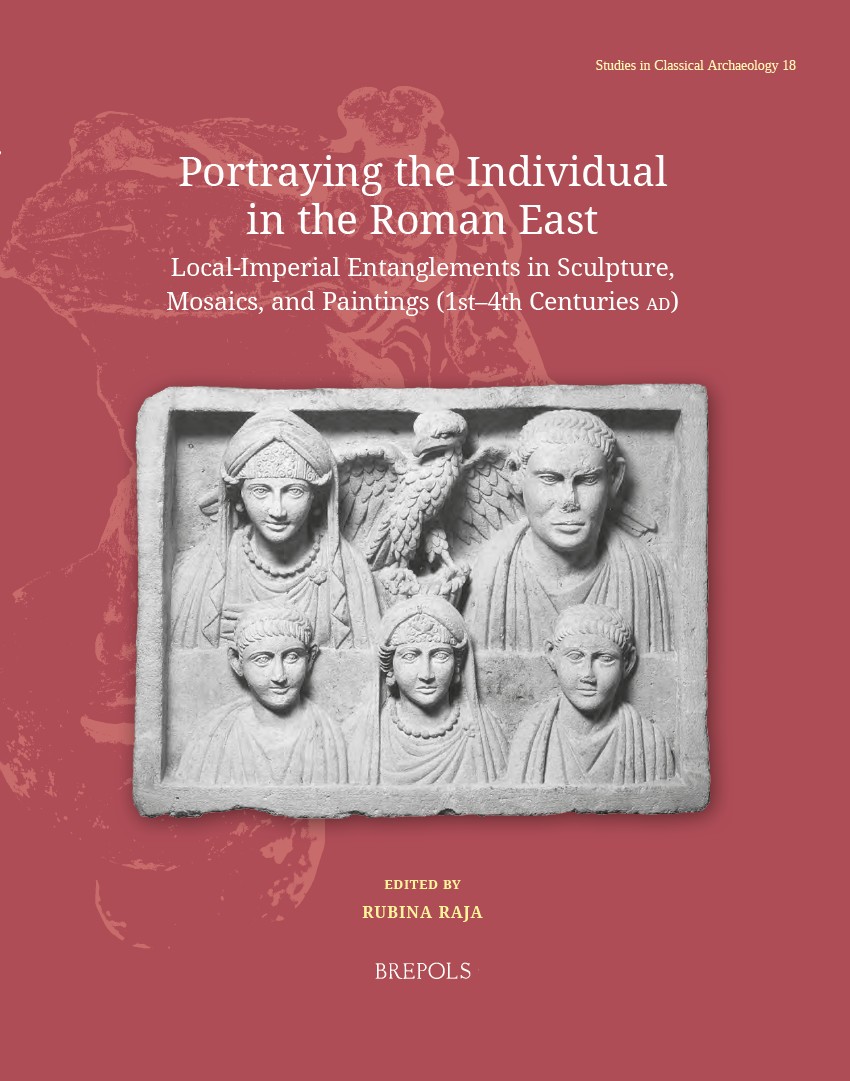 Portraying the Individual in the Roman East
Local–Imperial Entanglements in Sculpture, Mosaics, and Paintings (First–Fourth Centuries AD)
Volume 18


 Small Worlds and Relational Agencies: Local Societies in Early Medieval Iberia
Pequeños mundos y Agencias relacionales: Sociedades locales altomedievales en la Península Ibérica


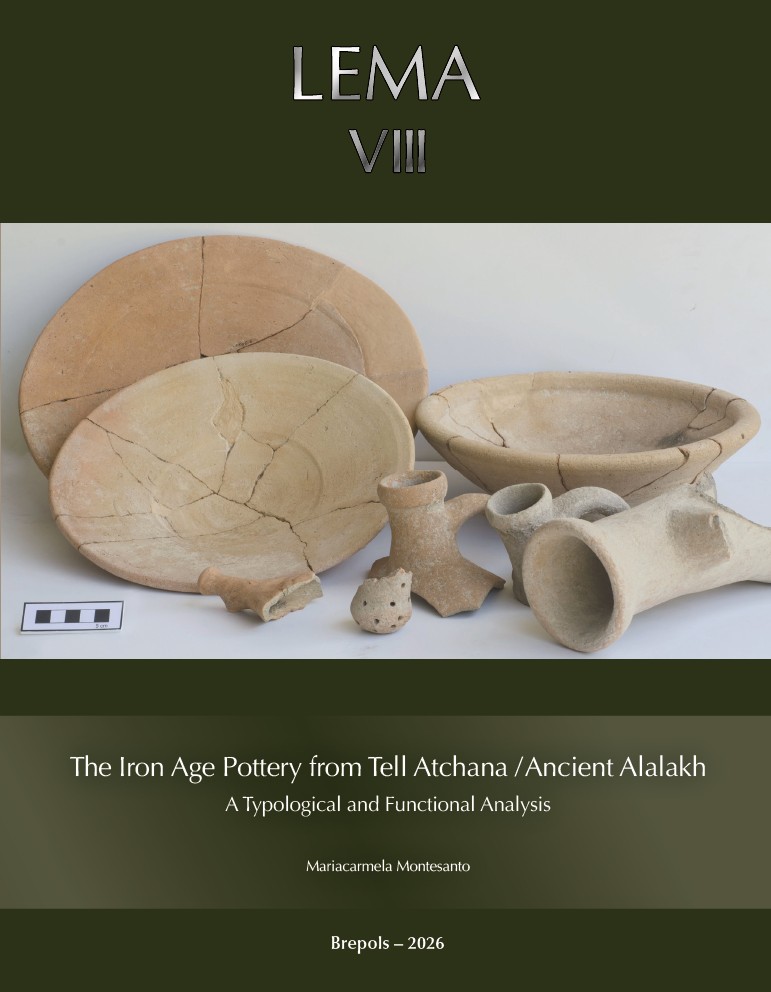 The Iron Age Pottery from Tell Atchana / Ancient Alalakh
A Typological and Functional Analysis
Volume 8