
Il Senodos etiopico. Canoni pseudoapostolici: Canoni dopo l’Ascensione, Canoni di Simone Cananeo, Canoni Apostolici, Lettera di Pietro
T.
By (author) A. Bausi

The Senodos is one of the largest works in the Ethiopic literature. Probably translated in different times from more Arabic “Vorlagen” and partially arranged according to the Pseudo-apostolic literary gender, it is one of the big canon law collections of the Christian Oriental Churches. In Ethiopia it was the main source of Canon Law and the most authoritative work in ecclesiastical matter since the end of the XIII up to the middle of the XVII century. The Senodos strongly affected the religious history of the early Solomonic Ethiopia and played a particular role in the birth of new religious trends in the crucial centuries from its first appearing (XIII century) up to king Zar’a Ya’qob’s age (1434-1468). The present book presents the first critical edition of ten of the eleven texts of the Pseudo-apostolic section of the work (about 90 % of the text is inedited). The critical edition is based on a total average of more than 30 mss. and tries to restore the oldest text and to provide rich evidence of its history. The translation is furnished with references to quotations of the Senodos in other Ethiopic works as well as comparison with the Arabic text.
- By (author) A. Bausi
Other Titles in this Series

 Catalogue of the Arabic Garshuni Manuscripts and Fragments of the Matenadaran (Yerevan)
Volume 708, 148


 The Feast of the Desert of Apa Shenoute
A Liturgical Procession from the White Monastery in Upper Egypt
Volume 681, 53


 The Genesis Commentary by Step’anos of Siwnik’ (dub.)
Edition, Translation and Comments
Volume 695, 32



 Histoire de Zosime sur la vie des Bienheureux Réchabites
Les versions orientales et leurs manuscrits
Volume 664, 135


 Religious Poetry in Vernacular Syriac from Northern Iraq (17th-20th Centuries). An Anthology
V.
Volume 628, 241


 La versione siriaca della Vita di Giovanni il Misericordioso di Leonzio di Neapolis
T.
Volume 679, 263
 An Andalusian Arabic Version of the Four Gospels
(Bayer. Staatsbibl., München, cod. arab. 238)
Volume 663, 54


Similar Books
 ‘For You I Study, For You I Work, For You I Live, For You I Am Ready To Even Give My Life’
Essays in Honour of Francis (Frank) J Moloney, SDB

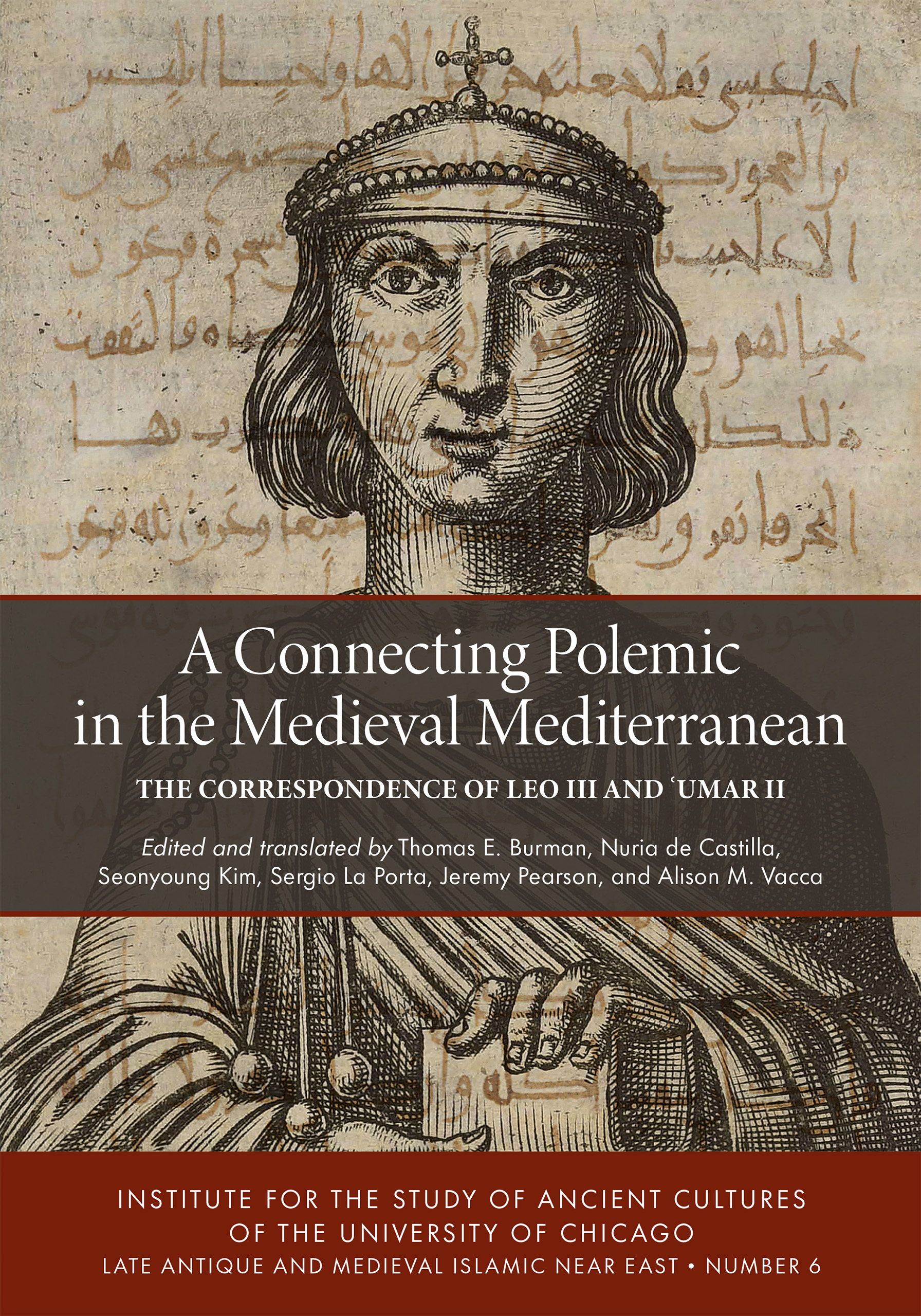 A Connecting Polemic in the Medieval Mediterranean
The Correspondence of Leo III and ʿUmar II
Volume 6




 Ars Prophetica
Theology in the Poetry of Twentieth-Century Hebrew Poets Avraham Halfi, Shin Shalom, Amir Gilboa, and T. Carmi
 As Messianism Turns to Heresy
The Regenstein Chair Lectures On Lurianic Kabbalah and Shabbatai Tzevi at Hebrew Union College - Cincinnati


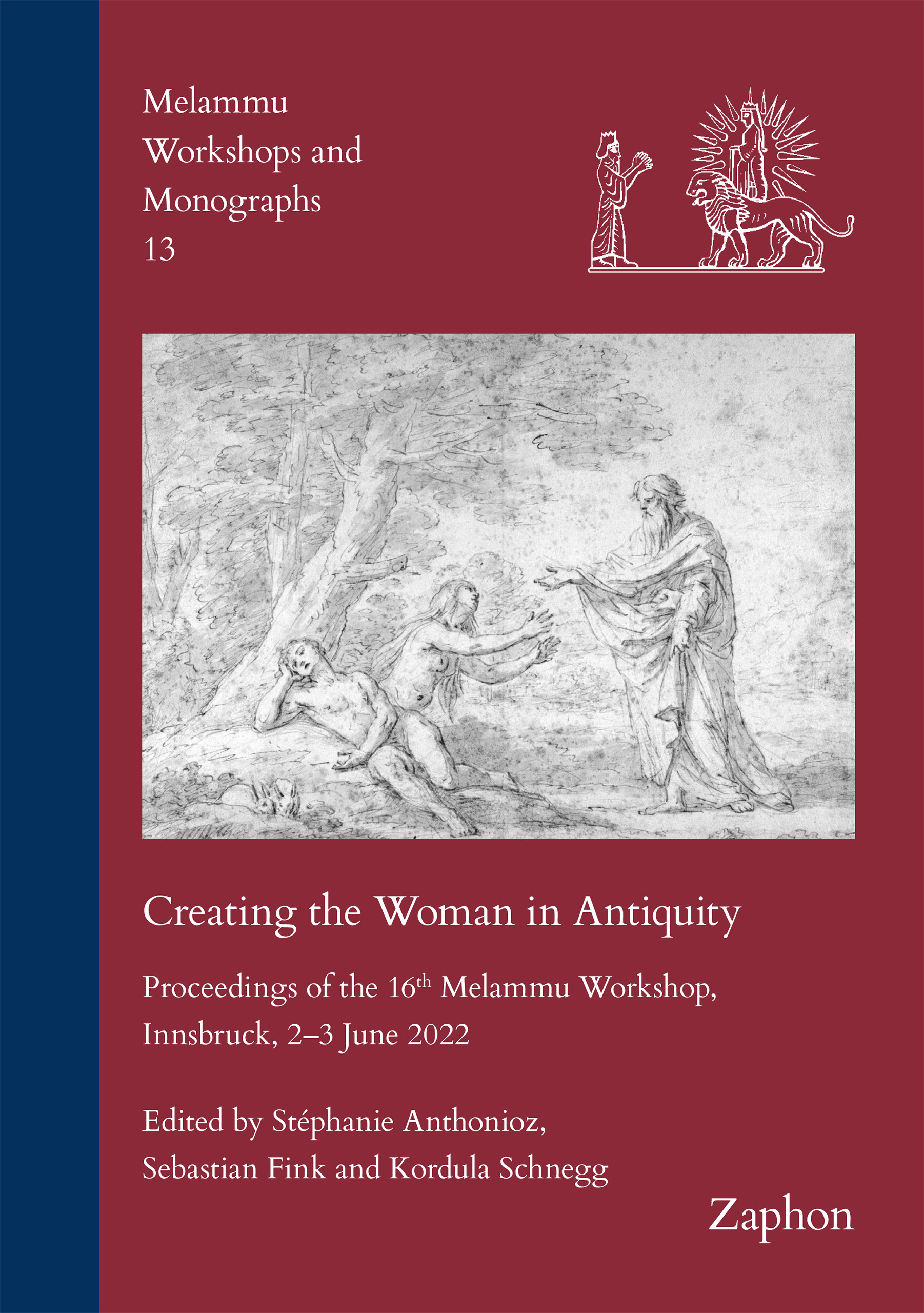 Creating the Woman in Antiquity
Proceedings of the 16th Melammu Workshop, Innsbruck, 2–3 June 2022
Volume 13
 Des mots aux actes
Traduction épistémique et littéraire. Nouvelles tendances en histoire et didactique
Volume 15


 Drunk the Potion, No Whit Charmed
The Doctrine of Pure and Perfect Souls from Iamblichus to Damascius



 Extracanonical Traditions and the Holy Land
Texts, Rituals, and Material Culture in Late Antique Palestine
 Fear, Fear of God, God-Fearers
Philological and Historical Perspectives on the World of Ancient Judaism and Christianity


