
Gendered Identities in Bernard of Clairvaux’s ‘Sermons on the Song of Songs’
Performing the Bride
By (author) Line Cecilie Engh

In this analysis of Bernard of Clairvaux’s famous Sermons on the Song of Songs, gendered imagery is treated, for the first time, as an interpretative key. Through close readings of Bernard’s text and through the rich array of recent medieval studies on sex and gender, this book challenges familiar interpretations of body, gender, and asceticism, disrupting the commonplace view of medieval monasticism as desexualized and un-gendered. Bernard not only interprets, but also embodies or actualizes the figure of the bride, generating images of celibacy as erotic pleasure and monks as fecund and female. Through his performance, Bernard provides a hermeneutical model on which he patterns himself and his audience, the Cistercian choir monk. By analyzing the rhetorical functions of Bernard’s female self-representation, the author explores how complex and varied female images in the text are absorbed into the bridal role – lactating mother, ecstatic virgin, weeping widow, needy girl. By appropriating femaleness, Bernard transformed the Cistercian cloister into an inverted world that anticipated eschatological restoration and salvation. In this parallel monastic reality, the book argues, males performed all parts while gender hierarchy was upheld to establish notions of superior and inferior, worldly and heavenly, humility and sublimity. The male-female duality in this language is not one of equality, but was rather forged into a hermeneutical hierarchy in which, ultimately, a fully Christomimetic man both appropriates and negates femaleness.
In this analysis of Bernard of Clairvaux’s famous Sermons on the Song of Songs, gendered imagery is treated, for the first time, as an interpretative key. Through close readings of Bernard’s text and through the rich array of recent medieval studies on sex and gender, this book challenges familiar interpretations of body, gender, and asceticism, disrupting the commonplace view of medieval monasticism as desexualized and un-gendered. Bernard not only interprets, but also embodies or actualizes the figure of the bride, generating images of celibacy as erotic pleasure and monks as fecund and female. Through his performance, Bernard provides a hermeneutical model on which he patterns himself and his audience, the Cistercian choir monk. By analyzing the rhetorical functions of Bernard’s female self-representation, the author explores how complex and varied female images in the text are absorbed into the bridal role – lactating mother, ecstatic virgin, weeping widow, needy girl. By appropriating femaleness, Bernard transformed the Cistercian cloister into an inverted world that anticipated eschatological restoration and salvation. In this parallel monastic reality, the book argues, males performed all parts while gender hierarchy was upheld to establish notions of superior and inferior, worldly and heavenly, humility and sublimity. The male-female duality in this language is not one of equality, but was rather forged into a hermeneutical hierarchy in which, ultimately, a fully Christomimetic man both appropriates and negates femaleness.
- By (author) Line Cecilie Engh
Other Titles in this Series
 Orthodoxy and Controversy in Twelfth-Century Religious Discourse
Peter Lombard's 'Sentences' and the Development of Theology
Volume 8

 Nature, Virtue, and the Boundaries of Encyclopaedic Knowledge
The Tropological Universe of Alexander Neckam (1157-1217)
Volume 13


 Mulieres Religiosae
Shaping Female Spiritual Authority in the Medieval and Early Modern Periods
Volume 12


 Communities of Learning
Networks and the Shaping of Intellectual Identity in Europe, 1100-1500
Volume 9

 Witchcraft, Superstition, and Observant Franciscan Preachers
Pastoral Approach and Intellectual Debate in Renaissance Milan
Volume 18


 Confraternity, Mendicant Orders, and Salvation in the Middle Ages
The Contribution of the Hungarian Sources (c.1270-c.1530)
Volume 23


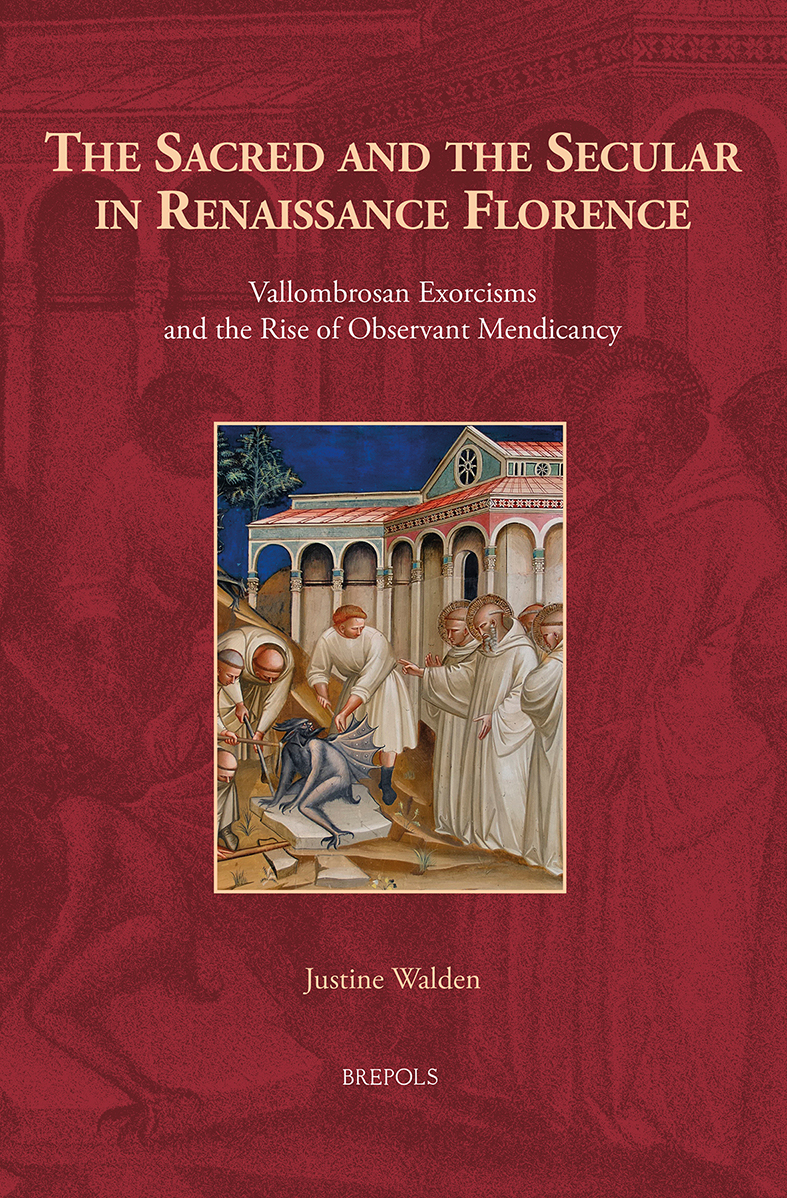 The Sacred and the Secular in Renaissance Florence
Vallombrosan Exorcisms and the Rise of Observant Mendicancy
Volume 31

 Careers and Opportunities at the Roman Curia, 1300-1500
A Socio-Economic History of Papal Administration
Volume 29
Similar Books
 ‘For You I Study, For You I Work, For You I Live, For You I Am Ready To Even Give My Life’
Essays in Honour of Francis (Frank) J Moloney, SDB


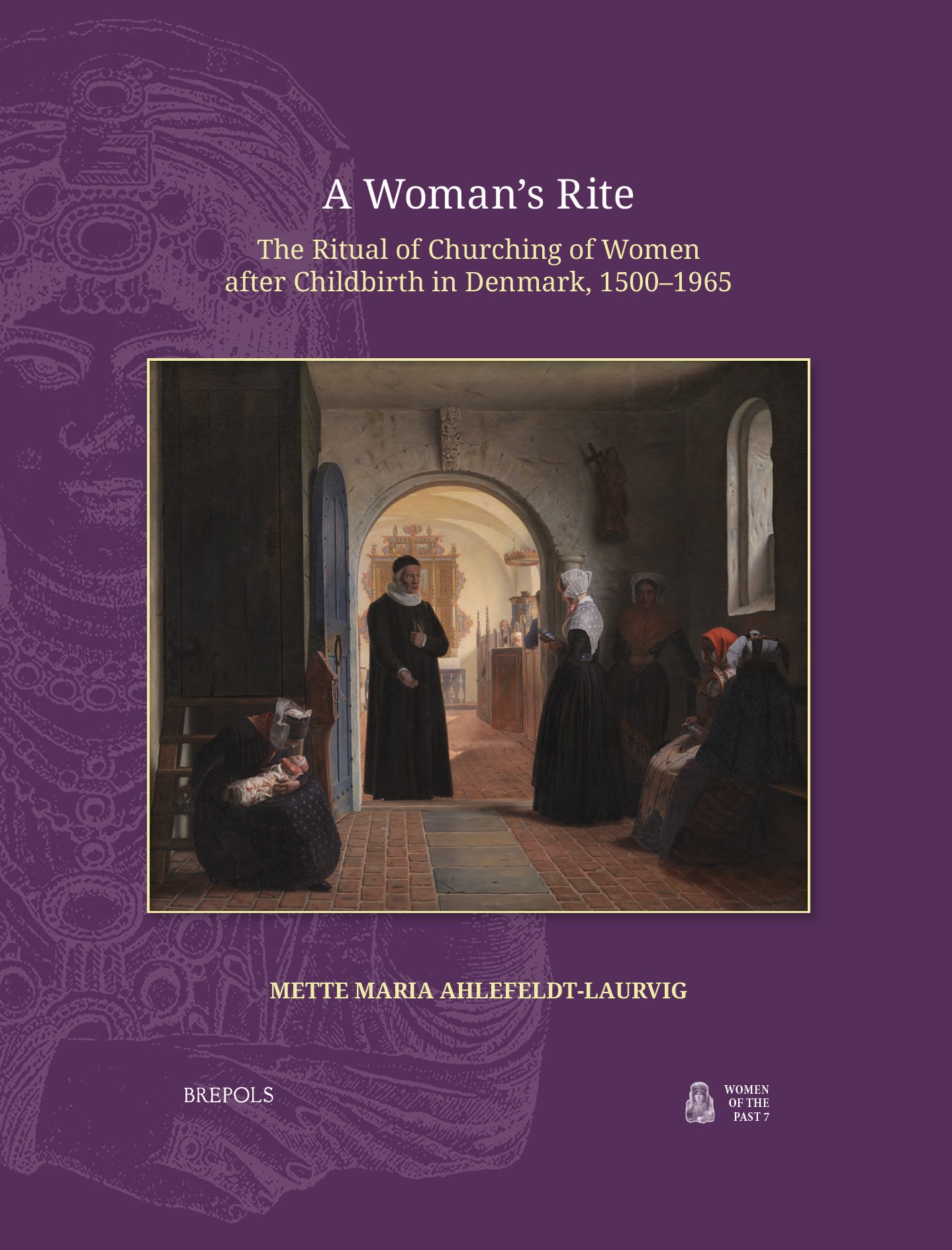


 Ars Prophetica
Theology in the Poetry of Twentieth-Century Hebrew Poets Avraham Halfi, Shin Shalom, Amir Gilboa, and T. Carmi
 As Messianism Turns to Heresy
The Regenstein Chair Lectures On Lurianic Kabbalah and Shabbatai Tzevi at Hebrew Union College - Cincinnati


 Drunk the Potion, No Whit Charmed
The Doctrine of Pure and Perfect Souls from Iamblichus to Damascius


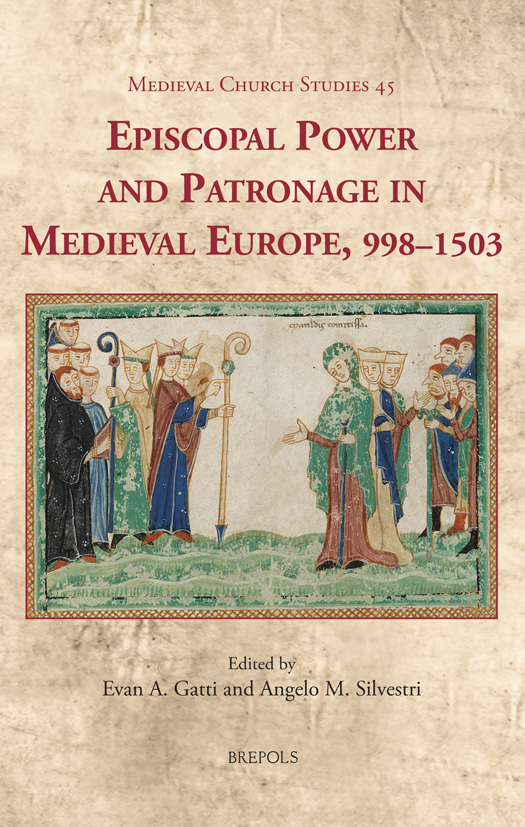
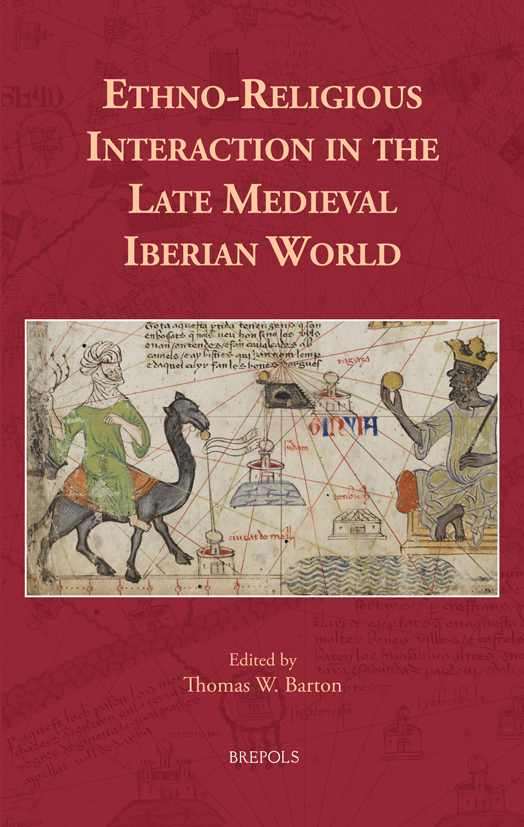


 Extracanonical Traditions and the Holy Land
Texts, Rituals, and Material Culture in Late Antique Palestine
 Fear, Fear of God, God-Fearers
Philological and Historical Perspectives on the World of Ancient Judaism and Christianity




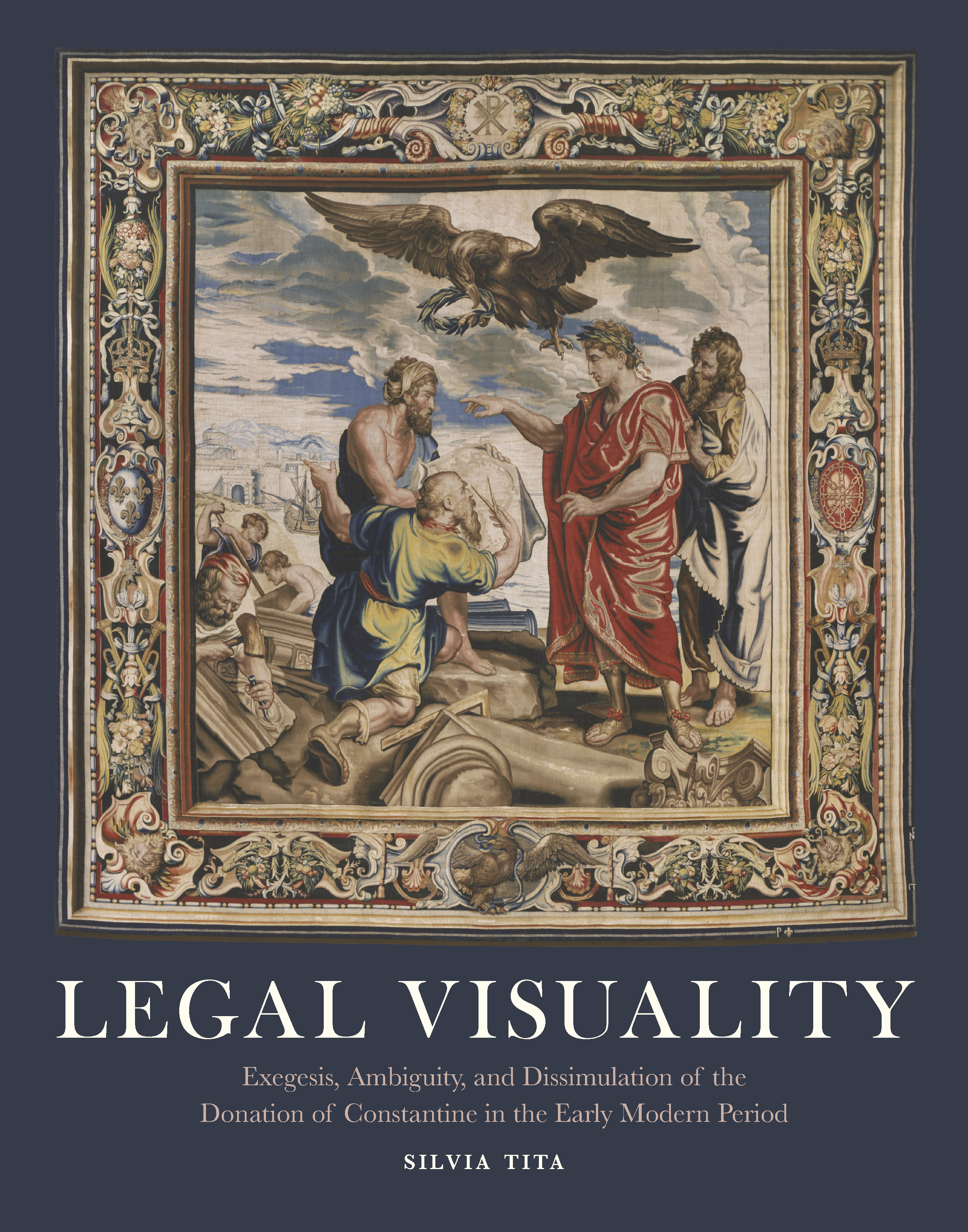 Legal Visuality
Exegesis, Ambiguity, and Dissimulation of the Donation of Constantine in the Early Modern Period
 Liturgia semper reformanda
Adaptations and accommodations in the liturgy in light of canon 838 of the Code of Canon Law
