
Infanticide, Secular Justice, and Religious Debate in Early Modern Europe
By (author) Adriano Prosperi

On 5 December 1709 in Bologna Lucia Cremonini is accused of a terrible crime: the murder of her newborn son. This tragic episode, exhumed from the depths of time, is placed at the centre of an enthralling study by one of the leading scholars of modern history and the history of religious beliefs. During the course of a dramatic trial
On 5 December 1709, in Bologna, Lucia Cremonini is accused of a terrible crime: the murder of her newborn son. This tragic episode, exhumed from the depths of time, is placed at the centre of an enthralling study by one of the leading scholars of modern history and the history of religious beliefs. During the course of a dramatic trial the crime is debated by representatives of religious, philosophical, moral, and scientific culture, all characteristic of the formative period of the modern world and all seeking a convincing answer to fundamental questions. When does life begin? When can a human being first be described as such, so that his or her killing is a crime punishable by the maximum penalty? What is the true role of baptism in the formation of the human person? These are all highly topical questions in an age like our own, where belief is subject to the powerful assaults of scientific research and new questions are being raised about the essence and the limits of human existence.
- By (author) Adriano Prosperi
Other Titles in this Series
 Witchcraft, Superstition, and Observant Franciscan Preachers
Pastoral Approach and Intellectual Debate in Renaissance Milan
Volume 18


 Confraternity, Mendicant Orders, and Salvation in the Middle Ages
The Contribution of the Hungarian Sources (c.1270-c.1530)
Volume 23


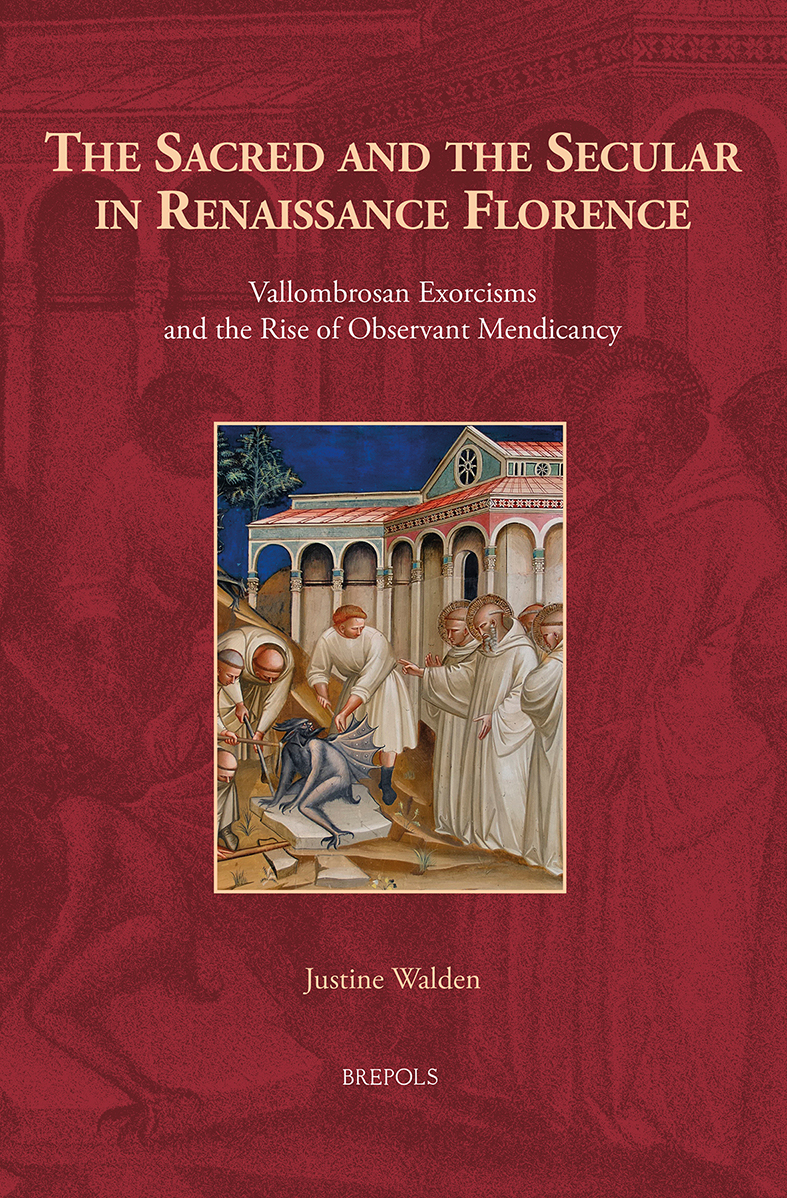 The Sacred and the Secular in Renaissance Florence
Vallombrosan Exorcisms and the Rise of Observant Mendicancy
Volume 31
 Orthodoxy and Controversy in Twelfth-Century Religious Discourse
Peter Lombard's 'Sentences' and the Development of Theology
Volume 8
 Careers and Opportunities at the Roman Curia, 1300-1500
A Socio-Economic History of Papal Administration
Volume 29


 Nature, Virtue, and the Boundaries of Encyclopaedic Knowledge
The Tropological Universe of Alexander Neckam (1157-1217)
Volume 13
 Mulieres Religiosae
Shaping Female Spiritual Authority in the Medieval and Early Modern Periods
Volume 12


 Gendered Identities in Bernard of Clairvaux’s ‘Sermons on the Song of Songs’
Performing the Bride
Volume 15


 Communities of Learning
Networks and the Shaping of Intellectual Identity in Europe, 1100-1500
Volume 9

Similar Books
 ‘For You I Study, For You I Work, For You I Live, For You I Am Ready To Even Give My Life’
Essays in Honour of Francis (Frank) J Moloney, SDB


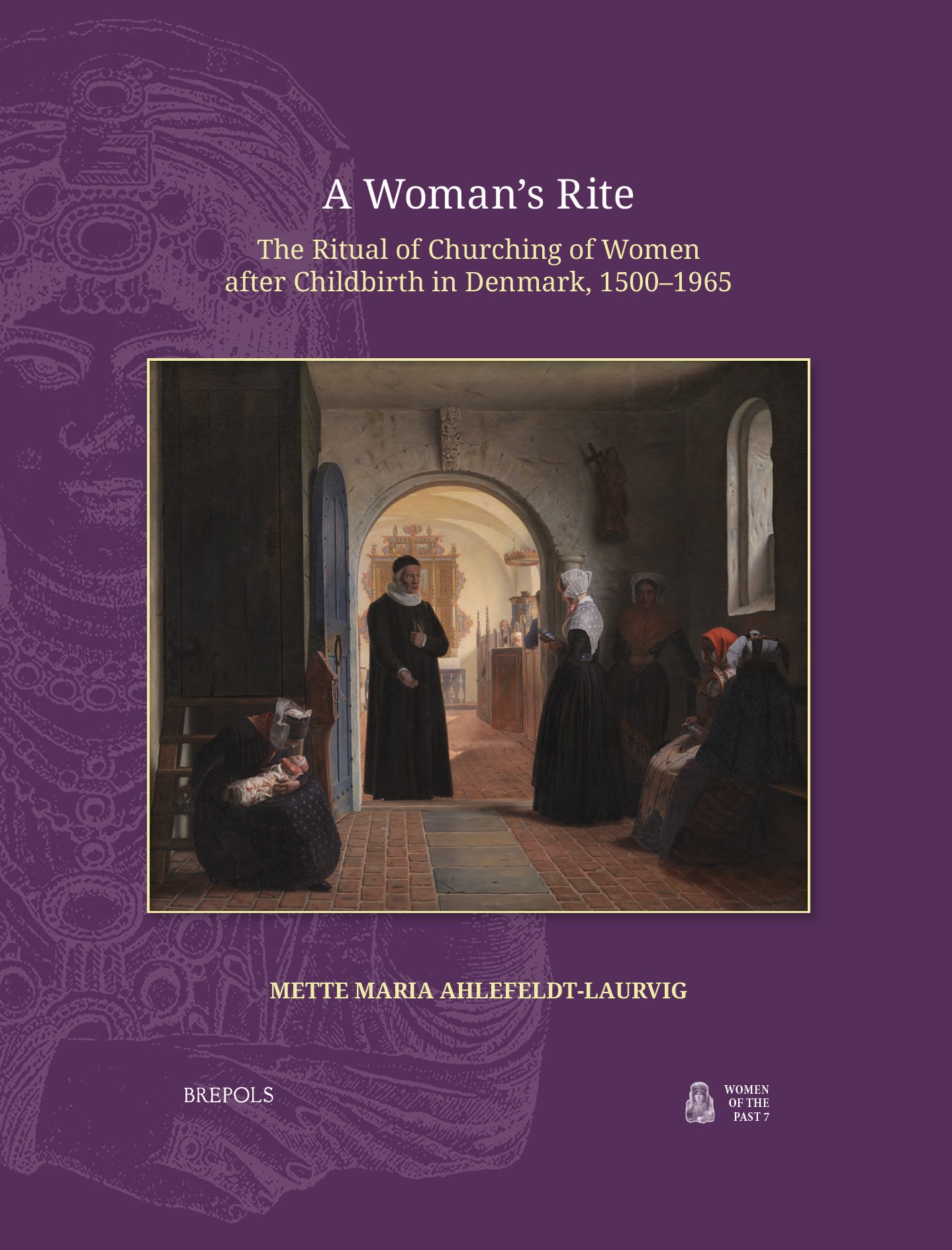


 Ars Prophetica
Theology in the Poetry of Twentieth-Century Hebrew Poets Avraham Halfi, Shin Shalom, Amir Gilboa, and T. Carmi
 As Messianism Turns to Heresy
The Regenstein Chair Lectures On Lurianic Kabbalah and Shabbatai Tzevi at Hebrew Union College - Cincinnati


 Drunk the Potion, No Whit Charmed
The Doctrine of Pure and Perfect Souls from Iamblichus to Damascius


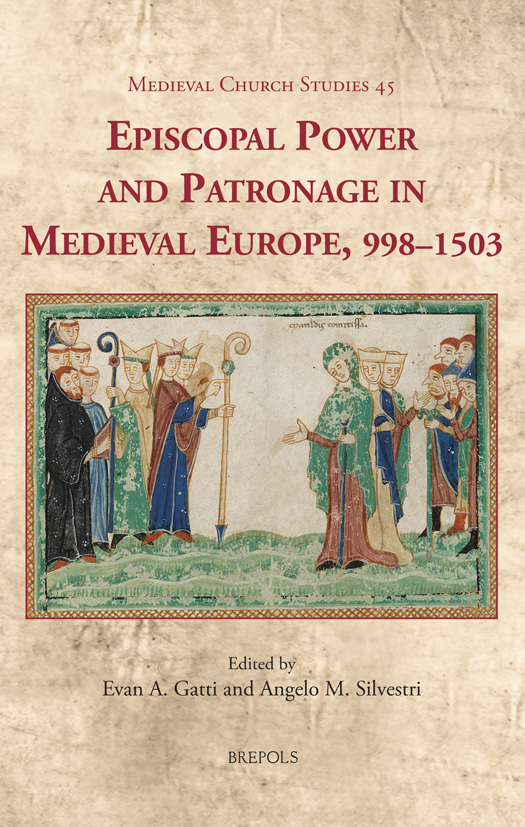
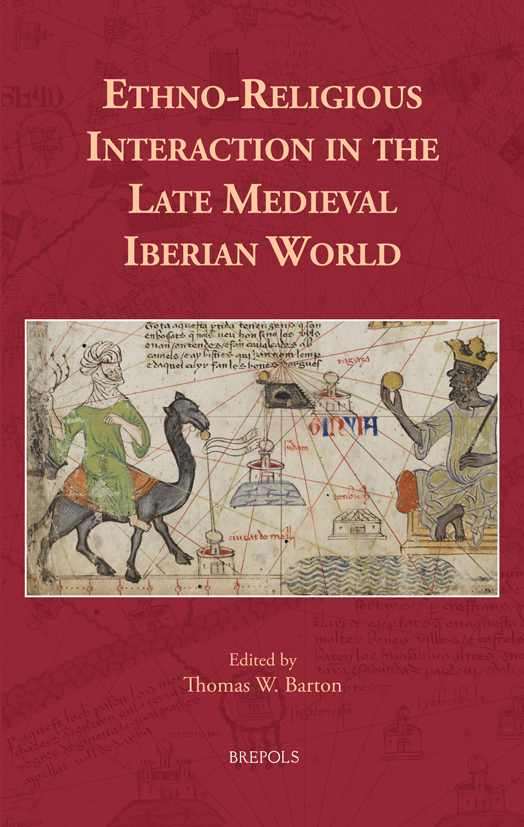

 Extracanonical Traditions and the Holy Land
Texts, Rituals, and Material Culture in Late Antique Palestine
 Fear, Fear of God, God-Fearers
Philological and Historical Perspectives on the World of Ancient Judaism and Christianity




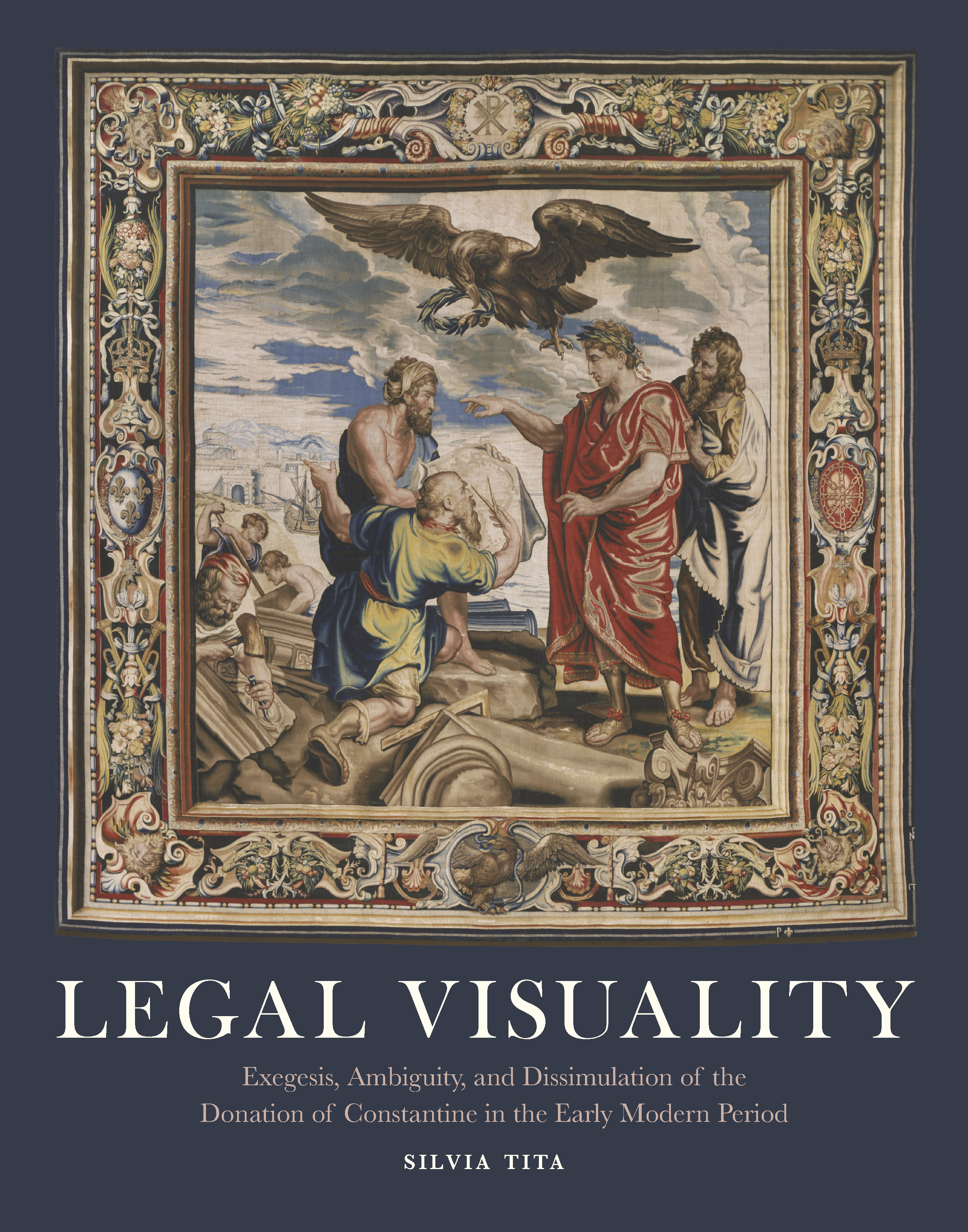 Legal Visuality
Exegesis, Ambiguity, and Dissimulation of the Donation of Constantine in the Early Modern Period