
Relics, Identity, and Memory in Medieval Europe
Edited by Marika Rasanen Edited by Gritje Hartmann Edited by Earl Jeffrey Richards

This volume contributes to current discussions of the place of relics in devotional life, politics, and identity-formation, by illustrating both the power which relics were thought to emanate as well as the historical continuity in the significance assigned to that power. Relics had the power to ‘touch’ believers not only as material objects, but also through different media that made their presence tangible and valuable. Local variants in relic-veneration demonstrate how relics were exploited, often with great skill, in different religious and political contexts. The volume covers both a wide historical and geographical span, from Late Antiquity to the early modern period, and from northern, central, and southern Europe. The book focuses on textual, iconographical, archaeological, and architectural sources. The contributors explore how an efficient manipulation of the liturgy, narrative texts, iconographic traditions, and architectural settings were used to construct the meaningfulness of relics and how linguistic style and precision were critically important in creating a context for veneration. The methodology adopted in the book combines studies of material culture and close reading of textual evidence in order to offer a new multidisciplinary purchase on the study of relic cults.
This volume contributes to current discussions of the place of relics in devotional life, politics, and identity-formation, by illustrating both the power which relics were thought to emanate as well as the historical continuity in the significance assigned to that power. Relics had the power to ‘touch’ believers not only as material objects, but also through different media that made their presence tangible and valuable. Local variants in relic-veneration demonstrate how relics were exploited, often with great skill, in different religious and political contexts. The volume covers both a wide historical and geographical span, from Late Antiquity to the early modern period, and from northern, central, and southern Europe. The book focuses on textual, iconographical, archaeological, and architectural sources. The contributors explore how an efficient manipulation of the liturgy, narrative texts, iconographic traditions, and architectural settings were used to construct the meaningfulness of relics and how linguistic style and precision were critically important in creating a context for veneration. The methodology adopted in the book combines studies of material culture and close reading of textual evidence in order to offer a new multidisciplinary purchase on the study of relic cults.
- Edited by Marika Rasanen
- Edited by Gritje Hartmann
- Edited by Earl Jeffrey Richards
Other Titles in this Series
 Communities of Learning
Networks and the Shaping of Intellectual Identity in Europe, 1100-1500
Volume 9

 Witchcraft, Superstition, and Observant Franciscan Preachers
Pastoral Approach and Intellectual Debate in Renaissance Milan
Volume 18


 Confraternity, Mendicant Orders, and Salvation in the Middle Ages
The Contribution of the Hungarian Sources (c.1270-c.1530)
Volume 23


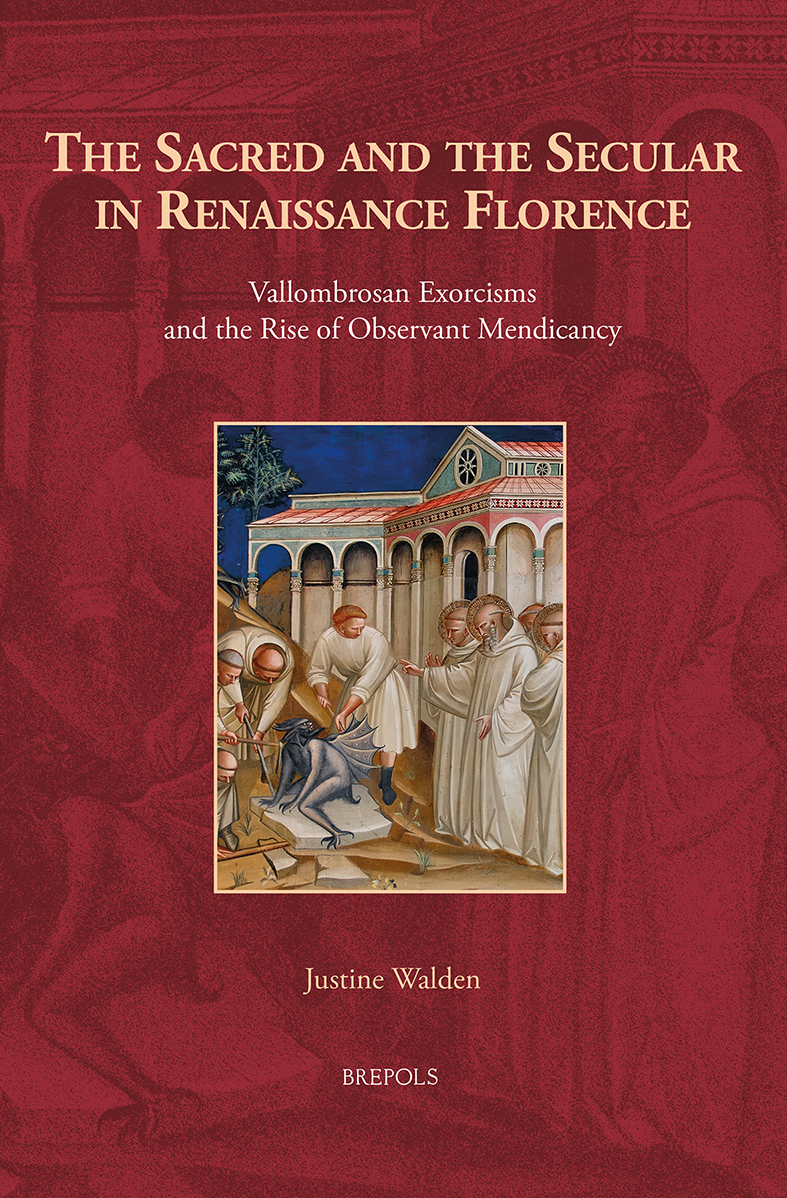 The Sacred and the Secular in Renaissance Florence
Vallombrosan Exorcisms and the Rise of Observant Mendicancy
Volume 31
 Orthodoxy and Controversy in Twelfth-Century Religious Discourse
Peter Lombard's 'Sentences' and the Development of Theology
Volume 8
 Careers and Opportunities at the Roman Curia, 1300-1500
A Socio-Economic History of Papal Administration
Volume 29


 Nature, Virtue, and the Boundaries of Encyclopaedic Knowledge
The Tropological Universe of Alexander Neckam (1157-1217)
Volume 13
 Mulieres Religiosae
Shaping Female Spiritual Authority in the Medieval and Early Modern Periods
Volume 12


 Gendered Identities in Bernard of Clairvaux’s ‘Sermons on the Song of Songs’
Performing the Bride
Volume 15


Similar Books
 «Solazoxa festa, stradolze e stracomplia»
Festschrift für Raymund Wilhelm zum 65. Geburtstag mit Beiträgen zu Diskurstraditionen und mittelalterlicher Philologie
Volume 249
 A Collaborative Tapestry in Honour of Shirley Ann Brown / Une fresque brodée en l’honneur de Shirley Ann Brown
The Bayeux Tapestry Seen by her Colleagues and Friends / La Tapisserie de Bayeux vue par ses collègues et amis

 Behind the Scenes of Medieval Roofs
An Overview of the Roofing Systems of Italian Churches
Volume 90

 Cahiers de recherches médiévales et humanistes – Journal of Medieval and Humanistic Studies
Volume 51








 Innovation and Medieval Communities
The Circulation of Ideas and Practices in and out of the Town (1200-1500)
Volume 63
 John Dunstaple Reading Boethius
John Dunstaple’s Annotations to Boethius’s “De institutione musica” in the Manuscript Oxford, Corpus Christi College Library, MS 118

 Medieval Debates on Foreknowledge: Future Contingents, Prophecy, and Divination
Acts of the XXVII Annual Colloquium of the SIEPM, Trento 12-15 September 2023
Volume 31

 Medieval Yeghegis, Armenia
History, Archaeology, Society. Local Multiplicities and Global Connections of a Rural Centre on the Silk Road(s)

 Nicholas of Lyra’s Commentaries on the Gospels of Matthew and Luke
Franciscan Exegesis in a Time of Crisis
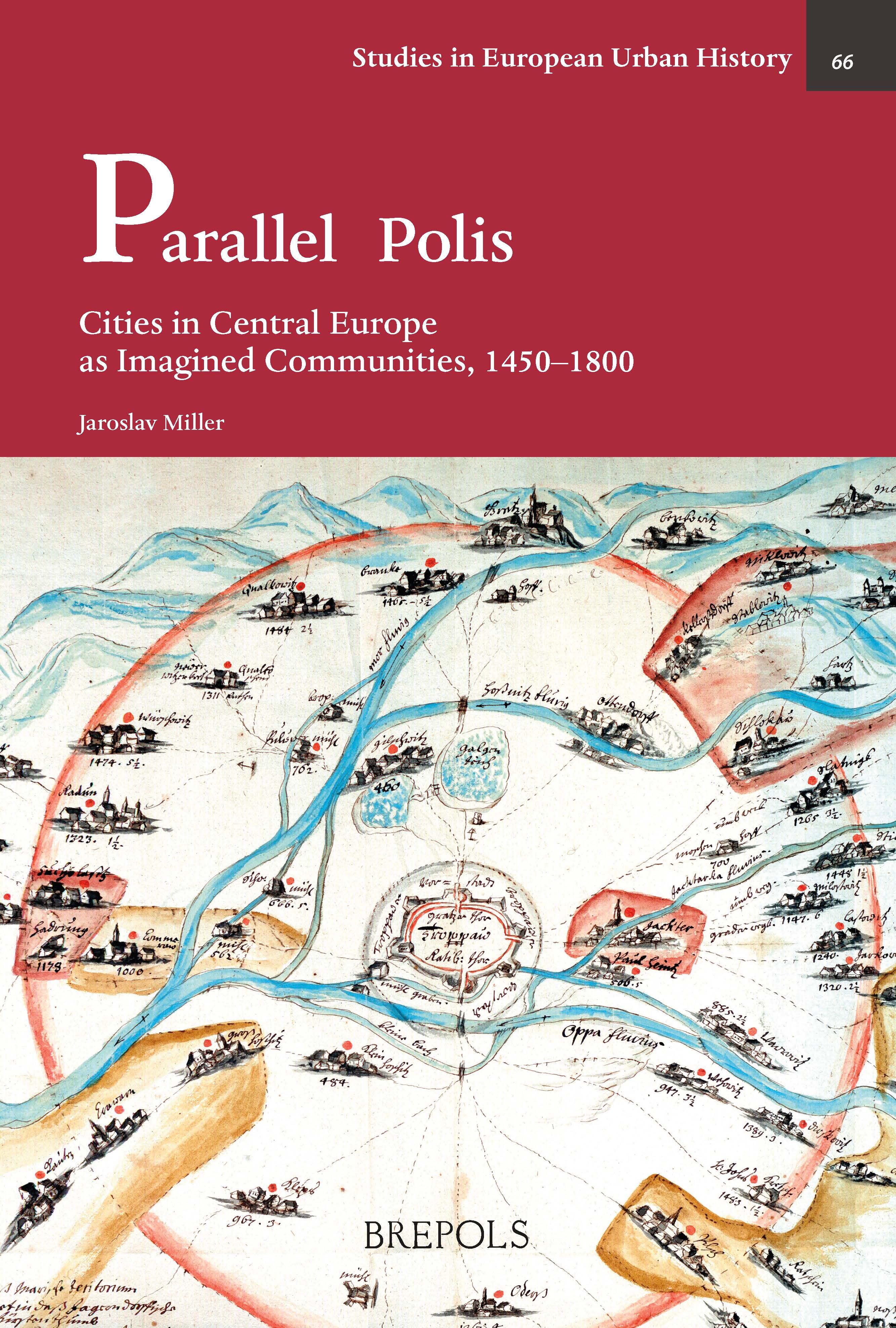


 Power and Women in Southeast and Central Europe in Late Medieval and Early Modern Period (1300-1600)
Volume 10




 The Anglo-Norman Bible’s Books of Kings, a Critical Edition
(BL Royal 1 C III, fols 234r-274v)
Volume 37
