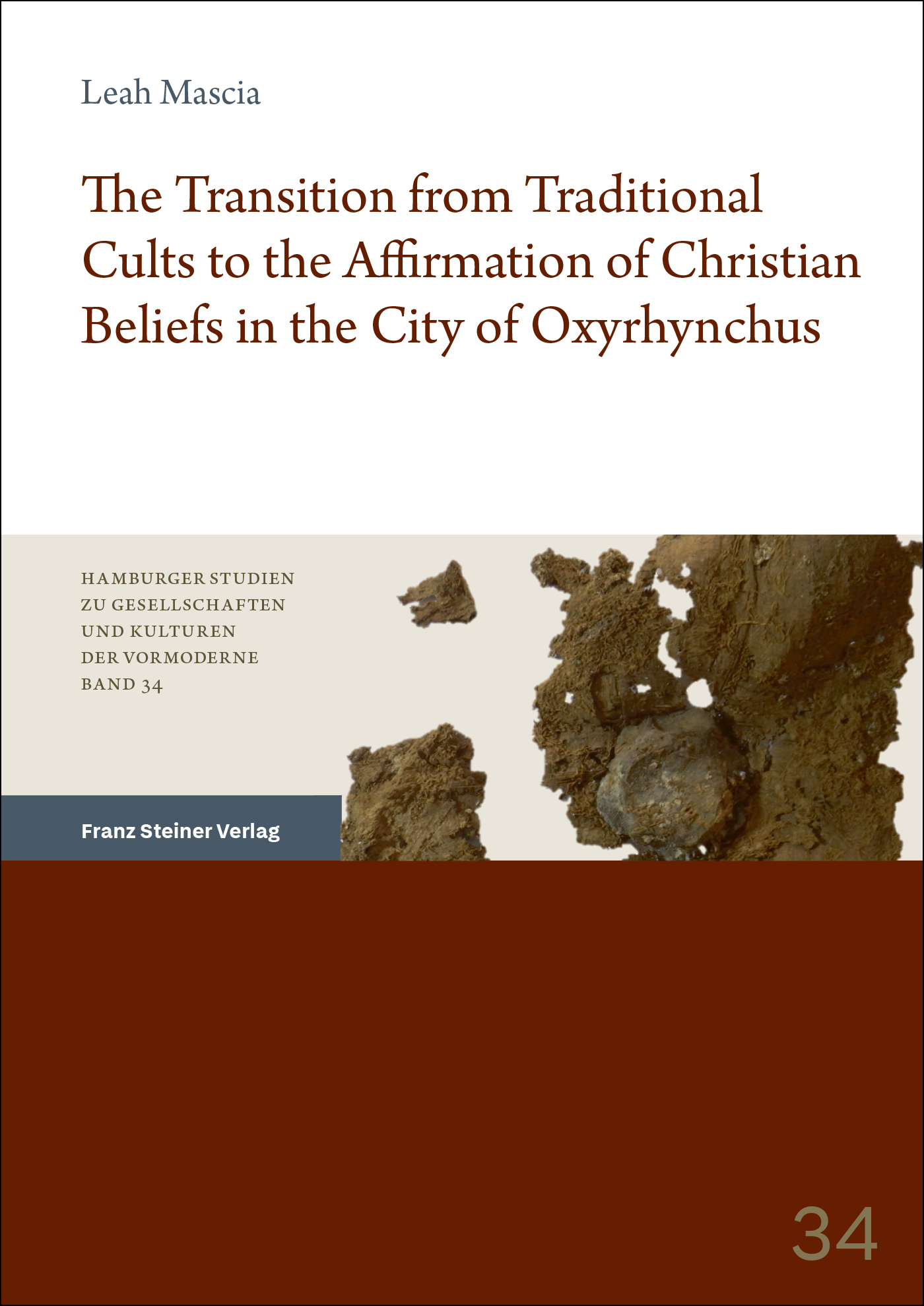
Funde und Befunde aus dem Schachtbrunnen im Hamam III in Ayasuluk/Ephesos
Eine schamanistische Bestattung des 15. Jahrhunderts
by Sule Pfeiffer-Tas, editorial board member Veronika Scheibelreiter

Paperback (Published)
(July 2010)
ISBN: 9783700167631
Price: $36.00
On back order
English summary: This volume, which examines the findings in a shaft well and an excavation in front of the praefurnium of the Hamam III in Ayasuluk/Ephesus, provides information about an as yet unique burial site that is interesting for a number of reasons. The well was the site of a mid-15th century burial of two bodies, which clearly had been desecrated, together with a noble riding horse and a dog. In addition, two horses’ skulls were found on either side of the praefurnium of the hamam, which had already been abandoned at that time. These findings must be seen in the context of shamanism, which has been documented for Turkic peoples in the pre-Ottoman period and can be traced to early roots. The findings demonstrate the historic and cultural changes characteristic for the early period of Ottoman rule in Ayasuluk. A wide number of questions are presented by the findings and thus, each group of artefacts underwent archaeological, anthropological, historical veterinary and chemical analyses. Although the interpretations offered here are in part hypothetical, publishing these interesting findings prior to presenting the final results of the entire hamam site seems important, as it will give a new impetus for further research.German description: Die vorliegende Publikation der Funde und Befunde aus einem Schachtbrunnen und einer Grabung vor dem Prafurnium des sog. Hamam III in Ayasuluk/Ephesos macht eine bisher singulare Bestattung bekannt, welche aus mehreren Grunden besonderes Interesse verdient. Die beiden menschlichen Individuen aus dem Schachtbrunnen, die gemeinsam mit einem edlen Reitpferd und einem Hund um die Mitte des 15. Jahrhunderts nach offensichtlicher Schandung der Leichen beigesetzt wurden und die beider seits des Prafurniums im damals schon aufgegebenen Hamam aufgestellten zwei Pferdeschadel sind vor einem schamanisti schen Hintergrund zu verstehen, der bei den Turkvolkern in vorosmanischer Zeit mehrfach dokumentiert ist und auf alte Wurzeln zuruckgeht. Damit erhellt der Befund die historischen und kulturellen Umbruche, die den Beginn der osmanischen Herrschaft in Ayasuluk kennzeichnen. In Zusammenarbeit von Archaologie, Anthropologie, historischer Veterinarmedizin und Chemie werden alle Fundgruppen untersucht und das Spektrum der Probleme, die sich aus der Sachlage ergeben, nachvollziehbar aufbereitet. Trotz des teilweise hypothetischen Charakters der vorgelegten Interpretationen ist die Publikation dieses interessanten Befundes vor der Publikation der Gesamtergebnisse dieser Badeanlage angezeigt, weil dadurch weiter fuhrende Frage stellungen neue Impulse erfahren konnen.
English summary: This volume, which examines the findings in a shaft well and an excavation in front of the praefurnium of the Hamam III in Ayasuluk/Ephesus, provides information about an as yet unique burial site that is interesting for a number of reasons. The well was the site of a mid-15th century burial of two bodies, which clearly had been desecrated, together with a noble riding horse and a dog. In addition, two horses’ skulls were found on either side of the praefurnium of the hamam, which had already been abandoned at that time. These findings must be seen in the context of shamanism, which has been documented for Turkic peoples in the pre-Ottoman period and can be traced to early roots. The findings demonstrate the historic and cultural changes characteristic for the early period of Ottoman rule in Ayasuluk. A wide number of questions are presented by the findings and thus, each group of artefacts underwent archaeological, anthropological, historical veterinary and chemical analyses. Although the interpretations offered here are in part hypothetical, publishing these interesting findings prior to presenting the final results of the entire hamam site seems important, as it will give a new impetus for further research.German description: Die vorliegende Publikation der Funde und Befunde aus einem Schachtbrunnen und einer Grabung vor dem Prafurnium des sog. Hamam III in Ayasuluk/Ephesos macht eine bisher singulare Bestattung bekannt, welche aus mehreren Grunden besonderes Interesse verdient. Die beiden menschlichen Individuen aus dem Schachtbrunnen, die gemeinsam mit einem edlen Reitpferd und einem Hund um die Mitte des 15. Jahrhunderts nach offensichtlicher Schandung der Leichen beigesetzt wurden und die beider seits des Prafurniums im damals schon aufgegebenen Hamam aufgestellten zwei Pferdeschadel sind vor einem schamanisti schen Hintergrund zu verstehen, der bei den Turkvolkern in vorosmanischer Zeit mehrfach dokumentiert ist und auf alte Wurzeln zuruckgeht. Damit erhellt der Befund die historischen und kulturellen Umbruche, die den Beginn der osmanischen Herrschaft in Ayasuluk kennzeichnen. In Zusammenarbeit von Archaologie, Anthropologie, historischer Veterinarmedizin und Chemie werden alle Fundgruppen untersucht und das Spektrum der Probleme, die sich aus der Sachlage ergeben, nachvollziehbar aufbereitet. Trotz des teilweise hypothetischen Charakters der vorgelegten Interpretationen ist die Publikation dieses interessanten Befundes vor der Publikation der Gesamtergebnisse dieser Badeanlage angezeigt, weil dadurch weiter fuhrende Frage stellungen neue Impulse erfahren konnen.
- By (author) Sule Pfeiffer-Tas
- Editorial board member Veronika Scheibelreiter
Other Titles in this Series


 Die Casa del Fauno in Pompeji (VI 12) 1
Stratigraphische Befunde der Ausgrabungen in den Jahren 1961 bis 1963 (von Andrea Faber). Bauhistorische Analyse (von Adolf Hoffmann nach Vorarbeiten von René von Schöfer und Arnold Tschira)
 Ägyptens schöne Gesichter
Die Mumienmasken der römischen Kaiserzeit und ihre Funktion im Totenritual
 Antike Malerei zwischen Lokalstil und Zeitstil
Akten des XI. Internationalen Kolloquiums der AIPMA, 13.-17. September 2010
Volume 23


 Die rote Feinkeramik von Aizanoi als lokaler Kulturträger
Untersuchungen zum Verhältnis von lokaler roter Feinkeramik und importierter Sigillata
 Die figürlichen Terrakotten von Priene
Fundkontexte, Ikonographie und Funktion in Wohnhäusern und Heiligtümern im Licht antiker Parallelbefunde


 Aizanoi, Dokimion und Anatolien
Stadt und Land, Siedlungs- und Steinmetzwesen vom späteren 4. bis ins 6. Jahrhundert n. Chr.
 Aegyptiaca aus Al MIna und Tarsos im Verbande des nordsyrische – sudostanatolischen Raumes
Volume 28


 Späthellenistische und frühkaiserzeitliche Keramik aus Priene
Untersuchungen zu Herkunft und Produktion
 Privatportrat
Die Darstellung realer Personen in der spatantiken und byzantinischen Kunst. Akten des Internationalen Workshops an der Osterreichischen Akademie der Wissenschaften in Wien, 14.-15. Februar 2013
Volume 30
 Das Athenaheiligtum von Priene
Die Nebenbauten – Altar, Halle und Propylon – und die bauliche Entwicklung des Heiligtums
 Numidia Romana?
Die Auswirkungen der römischen Präsenz in Numidien (2. Jh. v. Chr. – 1. Jh. n. Chr.)
 Der Turm der Winde in Athen
mit Beiträgen von Pavlina Karanastasi zu den Reliefdarstellungen der Winde und Karlheinz Schaldach zu den Sonnenuhren

 Hellenistische Wanddekorationen
Syntax, Semantik und Chronologie des Ersten Stils im westlichen Mittelmeerraum
Similar Books





 Boğazköy Tablets in the Museum of Anatolian Civilizations (Bo 9032–Bo 9097)
Anadolu Medeniyetleri Müzesinde Bulunan Boğazköy Tabletleri (Bo 9032–Bo 9097)
Volume 4
 Connecting the Dots: Counting, Writing, and the Beginnings of Civilization
The Secret Lives of Clay Tokens: A Memoir

 Curating the Prehistoric Past
Studies on West Asian Archaeology and Beyond in Honour of Yoshihiro Nishiaki

 Exploring Gender Dynamics across the Ancient Near East
Collected Essays of Gender and Methodology in the Ancient Near East (GeMANE) 4 and 5
Volume 7


 Ḫattušaš utnē išḫameški
Hittite and Other Ancient Near Eastern Studies Presented to Piotr Taracha on the Occasion of His 65th Birthday



 Kultur – Kontakt – Kultur
Beiträge anlässlich der 66. Rencontre Assyriologique Internationale in Frankfurt/Main und Mainz, 25.–29. Juli 2022
Volume 35
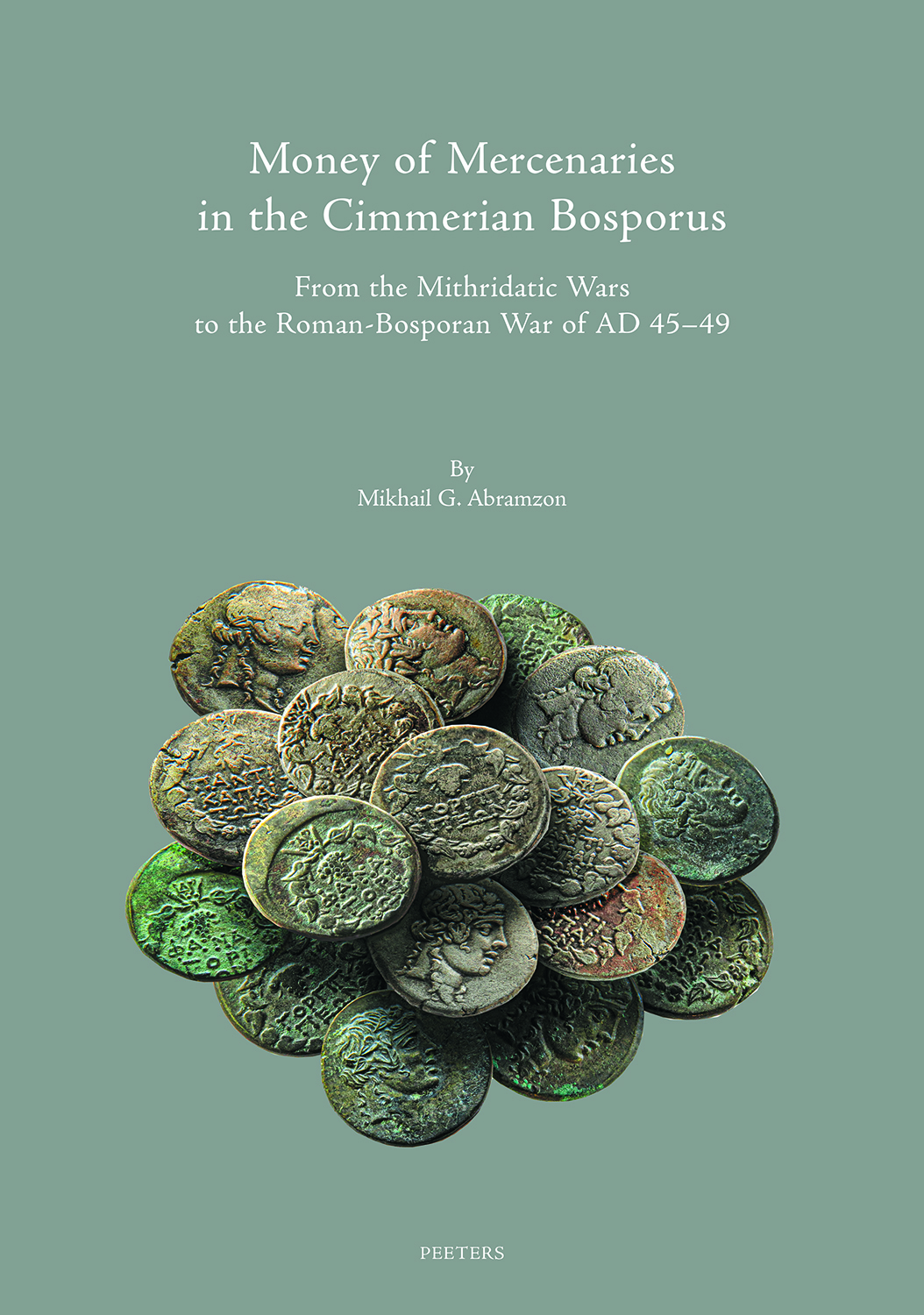 Money of Mercenaries in the Cimmerian Bosporus
From the Mithridatic Wars to the Roman-Bosporan War of AD 45-49
Volume 45

 New Research on Old Collections in Southwest Asian Archaeology
Proceedings of the Workshop Held at the British Museum, London, 31 July – 2 August, 2023
 Old Aramaic Inscriptions and their Contexts
An Epigraphic, Archaeological, and Historical Synthesis
Volume 63

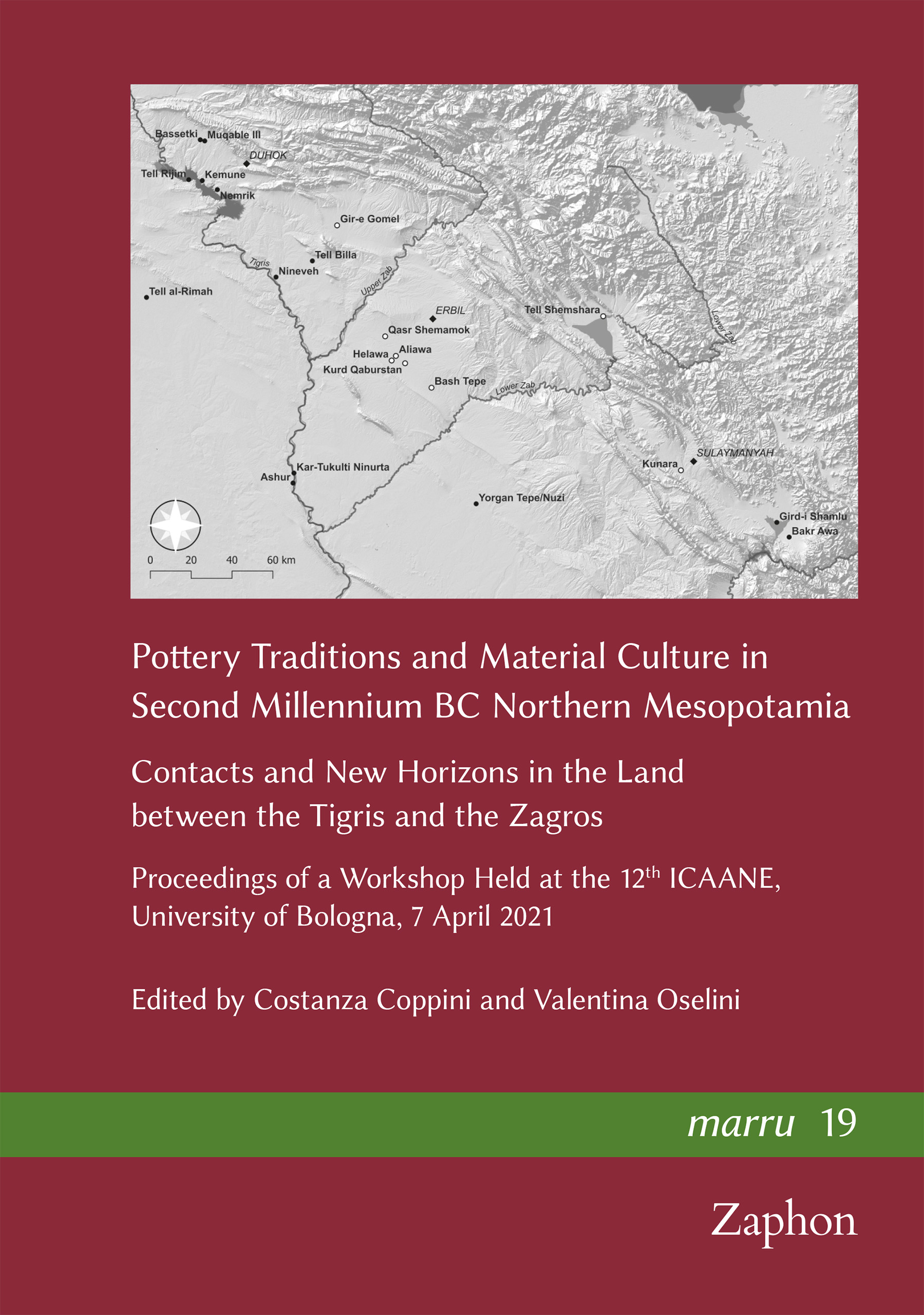 Pottery Traditions and Material Culture in Second Millennium BC Northern Mesopotamia
Contacts and New Horizons in the Land between the Tigris and the Zagros. Proceedings of a Workshop Held at the 12th ICAANE, University of Bologna, 7 April 2021
Volume 19
 Punning in Odd or Elegant Constructions in Jeremiah
The Convergence of Linguistics, Rhetoric, and Textuality in the Hebrew Text of Jeremiah

 Sertorius, the Exiles of the Sullan Regime and the Provinces of the Empire
Legitimacy, Morality and Imperial Discourse in the 70s BCE
 Shame in the Worlds of the Hebrew Bible and Akkadian Texts
A Linguistic Study and Its Implications
Volume 33

 Telling Contexts
Archaeological and Textual Studies in Honor of Elizabeth Bloch-Smith and Mark S. Smith
 The Body
Lived, Cultured, Adorned: Essays on Dress and the Body in the Bible and Ancient Near East in Honor of Nili S. Fox
 The Discourse of Rites
Shaping and Reshaping the (Counter-)Priestly Rituals Conducted Outside the Tabernacle
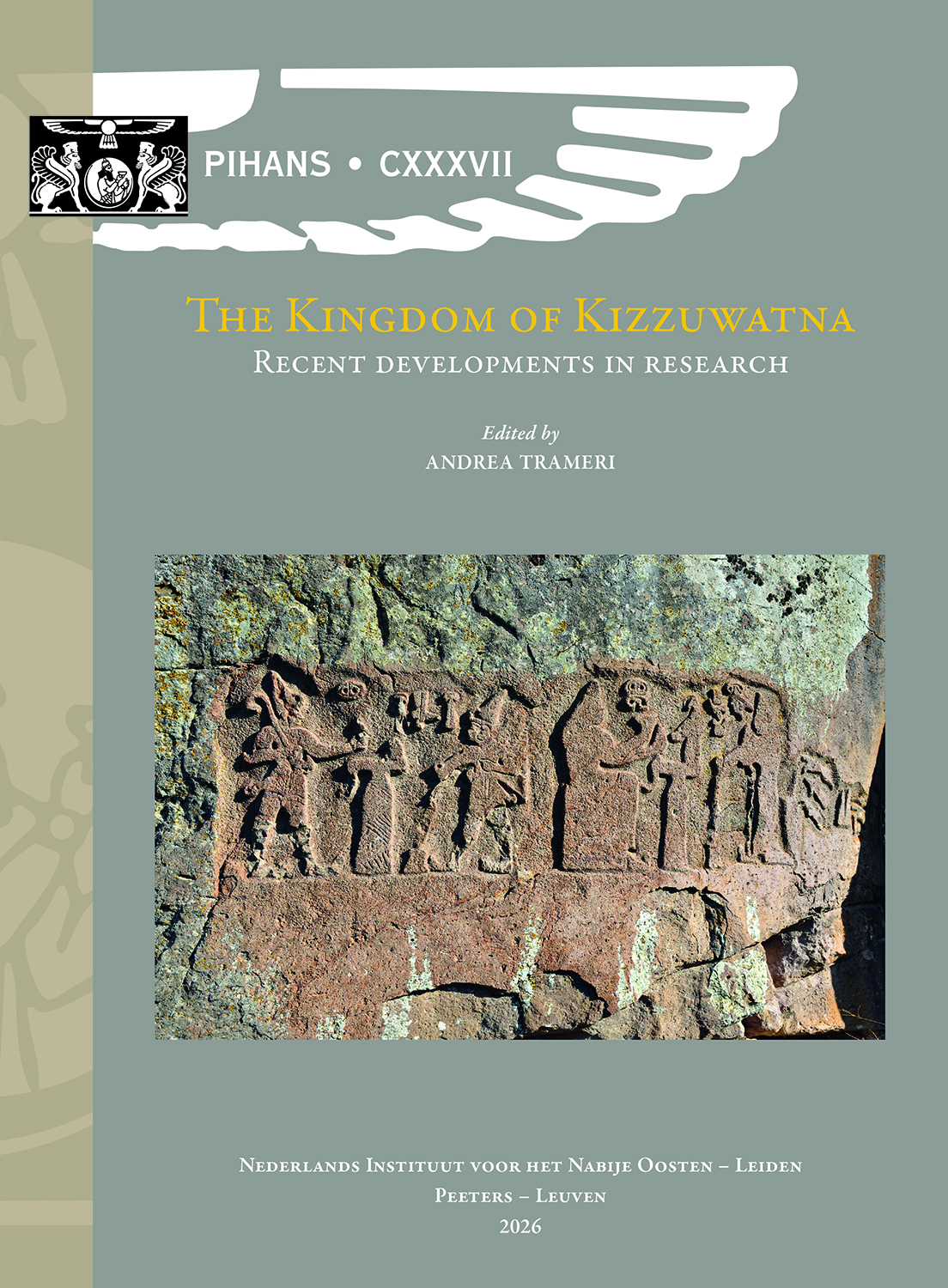 The Kingdom of Kizzuwatna: Recent Developments in Research
Proceedings of the Third NINO Postdoctoral Research Fellow Annual Conference, Leiden, 23rd-25th March 2023
Volume 137